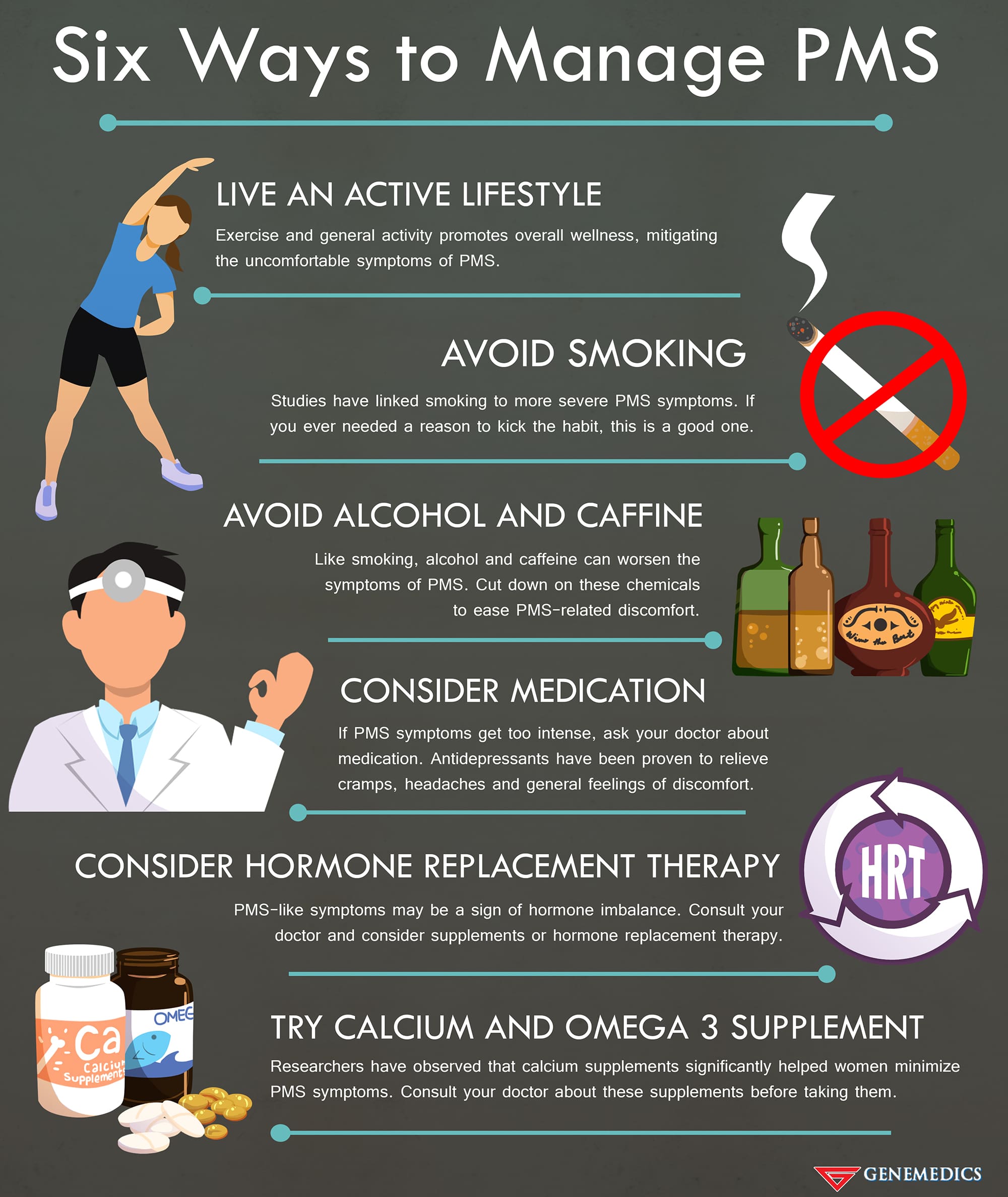
Welcome to an article that will provide you with the best ways to naturally ease the symptoms of PMS. From dietary changes to exercise suggestions, this article will offer you practical tips to help alleviate the discomfort and mood swings that often accompany PMS. By incorporating these natural remedies into your routine, you can improve your overall well-being and tackle PMS symptoms head on. Let’s dive in and discover how you can feel better during that time of the month!
Best Ways To Ease Symptoms Of PMS Naturally
Are you tired of feeling bloated, moody, and fatigued every month during your menstrual cycle? If so, you’re not alone. Many women experience symptoms of Premenstrual Syndrome (PMS) that can disrupt their daily lives. The good news is that there are natural ways to ease these symptoms and help you feel better during that time of the month. In this article, we will discuss the best ways to ease symptoms of PMS naturally, so you can feel more like yourself again.

Understanding PMS
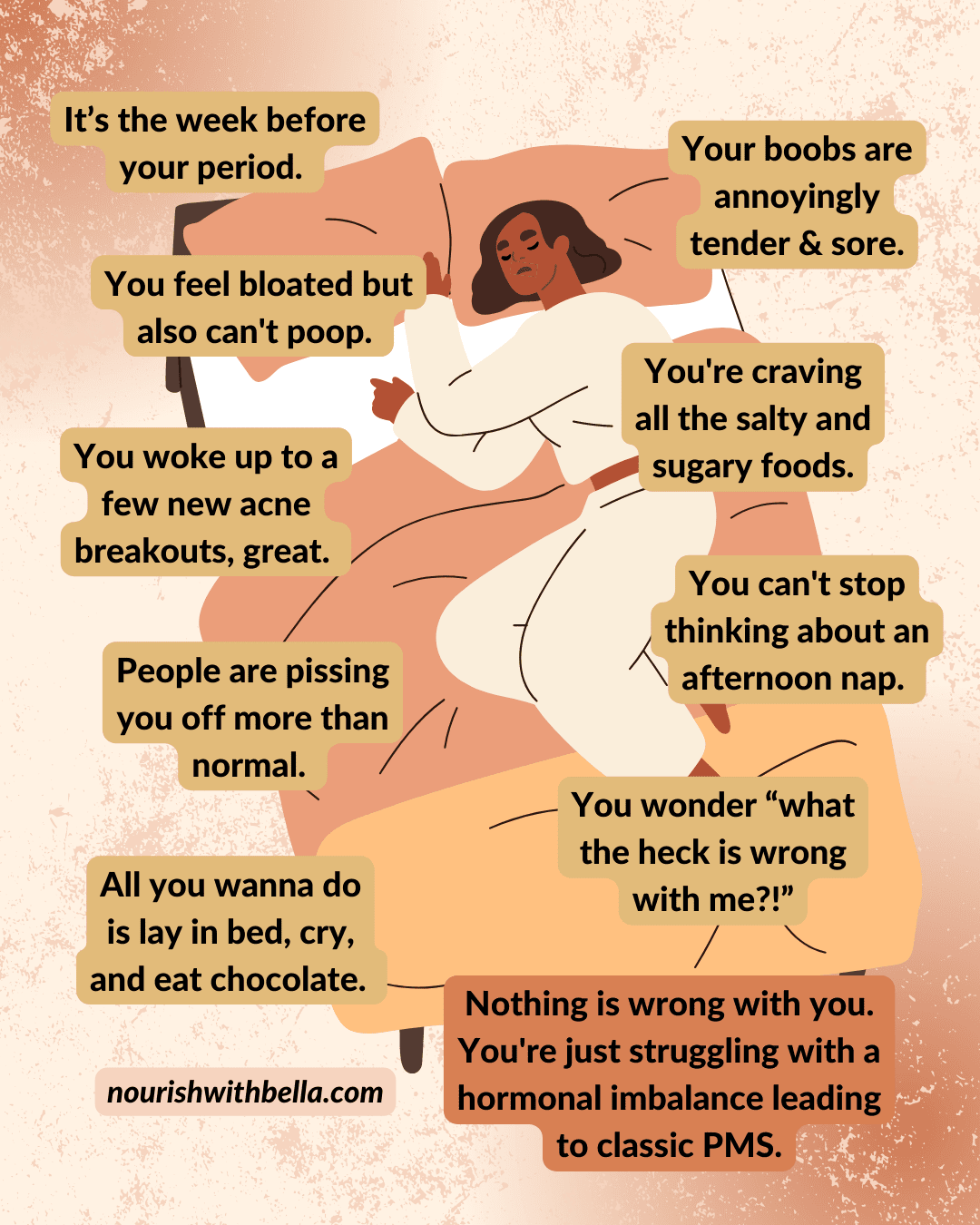
Before we dive into the ways to ease PMS symptoms naturally, let’s first understand what PMS is and what causes it. Premenstrual Syndrome is a group of physical and emotional symptoms that occur in the days leading up to menstruation. These symptoms can vary from woman to woman and may include bloating, irritability, fatigue, and mood swings.
What Causes PMS?
The exact cause of PMS is not fully understood, but it is believed to be related to hormonal changes in the body. Fluctuations in estrogen and progesterone levels can contribute to the development of PMS symptoms. Additionally, lifestyle factors such as stress, diet, and lack of exercise can also play a role in the severity of symptoms.
Diet and Nutrition
One of the most effective ways to ease symptoms of PMS naturally is to focus on your diet and nutrition. Making healthy food choices and incorporating certain nutrients into your diet can help alleviate symptoms and improve your overall well-being.
Foods to Include in Your Diet
- Leafy Greens: Foods like spinach, kale, and Swiss chard are rich in magnesium, which can help reduce bloating and water retention.
- Whole Grains: Opt for whole grains like oatmeal, quinoa, and brown rice, which are high in fiber and can help regulate hormones.
- Fatty Fish: Salmon, mackerel, and sardines are good sources of omega-3 fatty acids, which have anti-inflammatory properties and can help reduce mood swings.
- Nuts and Seeds: Almonds, walnuts, and flaxseeds are packed with nutrients like vitamin E and omega-3s that can help alleviate PMS symptoms.
Foods to Avoid
- Caffeine: Limit your intake of caffeinated beverages like coffee and soda, as they can worsen anxiety and irritability.
- Salty Foods: Excess salt can lead to bloating and water retention, so try to reduce your consumption of processed and salty foods.
- Sugar: Sugary treats like candy and pastries can spike blood sugar levels and exacerbate mood swings, so opt for natural sweeteners like honey or maple syrup instead.
Exercise and Physical Activity
Regular exercise is another great way to naturally ease symptoms of PMS. Physical activity releases endorphins, which are feel-good hormones that can help improve your mood and reduce stress. Additionally, staying active can help reduce bloating, cramps, and fatigue associated with PMS.
Best Exercises for PMS
- Yoga: Practicing yoga can help reduce stress, improve flexibility, and alleviate menstrual cramps.
- Cardio: Activities like running, swimming, or cycling can boost your mood, increase energy levels, and reduce bloating.
- Strength Training: Lifting weights or doing bodyweight exercises can help relieve tension and improve overall muscle strength.
Tips for Getting Active
- Start Slow: If you’re new to exercise, start with low-impact activities like walking or gentle yoga to avoid overexertion.
- Find What You Enjoy: Choose activities that you actually enjoy doing, whether it’s dancing, hiking, or playing a sport, so you’re more likely to stick with it.
- Stay Consistent: Aim for at least 30 minutes of moderate-intensity exercise most days of the week to reap the benefits of physical activity.
Stress Management
Stress can exacerbate PMS symptoms and make you feel even worse during that time of the month. Finding healthy ways to manage stress can help ease symptoms and improve your overall well-being.
Relaxation Techniques
- Meditation: Calm your mind and reduce stress with daily meditation practice, focusing on your breath and clearing your thoughts.
- Deep Breathing: Take slow, deep breaths to calm your nervous system and reduce anxiety and tension.
- Guided Imagery: Visualize yourself in a peaceful place or situation to relax your mind and body and alleviate stress.
Self-care Practices
- Take a Bath: Soak in a warm bath with Epsom salts to relax your muscles and ease tension.
- Get Outside: Spend time in nature, whether it’s going for a walk in the park or sitting outside in your backyard, to reduce stress and boost your mood.
- Practice Gratitude: Keep a journal and write down things you’re grateful for each day to shift your focus to positive thoughts and reduce stress.
Herbal Remedies
There are several herbal remedies that have been used for centuries to ease symptoms of PMS naturally. These remedies can help regulate hormones, reduce inflammation, and alleviate discomfort associated with menstruation.
Popular Herbal Remedies
- Chasteberry: Also known as Vitex, chasteberry can help balance hormones and alleviate menstrual symptoms like bloating and breast tenderness.
- Dong Quai: This herb is often used in Traditional Chinese Medicine to improve circulation, reduce cramps, and regulate menstrual cycles.
- Evening Primrose Oil: Rich in omega-6 fatty acids, evening primrose oil can help reduce breast pain, mood swings, and bloating.
How to Use Herbal Remedies
- Teas: Brew herbal teas like chamomile, ginger, or raspberry leaf to enjoy their soothing and beneficial effects.
- Supplements: Take herbal supplements like chasteberry capsules or evening primrose oil pills to incorporate herbs into your daily routine.
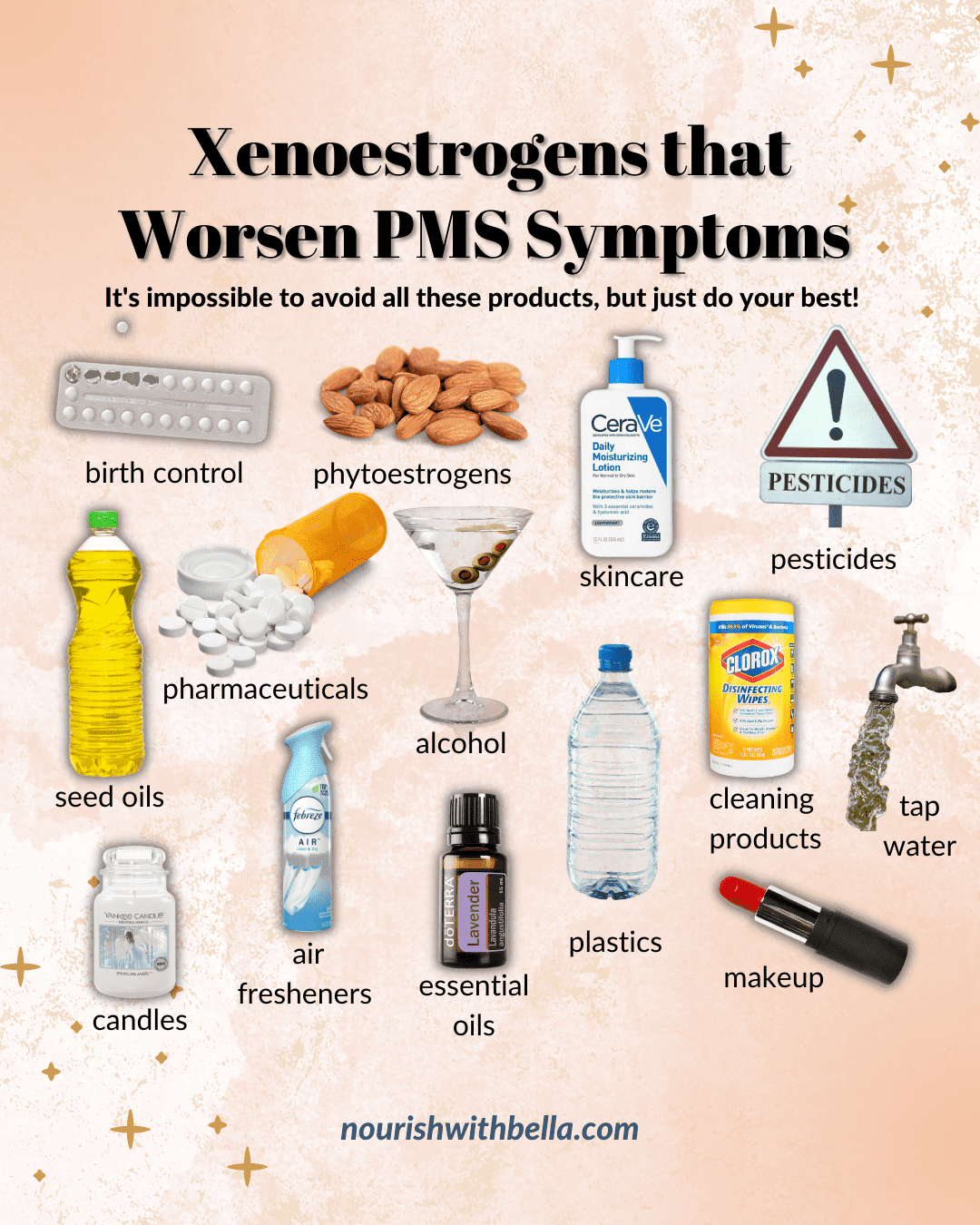
- Essential Oils: Use essential oils like lavender, clary sage, or peppermint in a diffuser or diluted with a carrier oil for aromatherapy benefits.
Essential Oils
Aromatherapy with essential oils can also be an effective way to ease symptoms of PMS naturally. Essential oils have been shown to have calming, anti-inflammatory, and hormone-balancing properties that can help alleviate menstrual discomfort.
Best Essential Oils for PMS
- Lavender: Known for its calming effects, lavender oil can reduce anxiety, improve sleep, and relieve tension headaches.
- Clary Sage: This oil has hormone-balancing properties and can help regulate menstrual cycles, reduce cramps, and alleviate mood swings.
- Peppermint: Peppermint oil is refreshing and can help reduce bloating, relieve nausea, and soothe muscle aches.
How to Use Essential Oils
- Diffuser: Add a few drops of essential oil to a diffuser and inhale the aromatic vapors to experience the therapeutic benefits.
- Topical Application: Dilute essential oil with a carrier oil like coconut or almond oil and massage onto your abdomen or temples for localized relief.
- Bath: Add a few drops of essential oil to a warm bath and soak for 20-30 minutes to relax your mind and body.

Lifestyle Changes
In addition to diet, exercise, stress management, herbal remedies, and essential oils, there are several lifestyle changes you can make to ease symptoms of PMS naturally. These changes can improve your overall health and well-being, making you feel better during your menstrual cycle.
Lifestyle Tips
- Get Plenty of Sleep: Aim for 7-9 hours of quality sleep each night to support hormone regulation and reduce fatigue.
- Stay Hydrated: Drink plenty of water throughout the day to reduce bloating, flush out toxins, and keep your body hydrated.
- Limit Alcohol and Tobacco: Both alcohol and tobacco can worsen PMS symptoms, so try to reduce your consumption or avoid them altogether.
- Seek Support: Talk to friends, family, or a mental health professional if you’re feeling overwhelmed or anxious during PMS. Sharing your feelings can help alleviate stress and improve your mood.
Conclusion
In conclusion, there are many natural ways to ease symptoms of PMS and help you feel better during your menstrual cycle. By focusing on your diet, exercise, stress management, herbal remedies, essential oils, and lifestyle changes, you can alleviate discomfort, improve your mood, and boost your overall well-being. Remember to listen to your body, experiment with different methods, and find what works best for you. With patience and persistence, you can find relief from PMS and feel more like yourself again.