
Finding time to exercise can be a challenge when your schedule is packed, but it’s essential for maintaining a healthy lifestyle. In this article, discover the best ways to fit exercise into your busy routine, ensuring that you prioritize your wellbeing. Whether it’s incorporating short bursts of activity throughout the day or making the most of your lunch break, these practical tips will help you stay active and energized, no matter how hectic your schedule may be.

1. Prioritize Your Fitness
Make exercise a priority
When you have a busy schedule, it’s easy to push exercise to the bottom of your to-do list. However, prioritizing fitness is crucial for your overall health and well-being. By making exercise a priority, you are acknowledging its importance in your life and committing to taking care of yourself. So, start by shifting your mindset and recognizing that exercise is not a luxury but a necessity.
Schedule exercise like any other important appointment
Just like you schedule work meetings and other important appointments, it’s essential to schedule your exercise sessions. By setting aside specific times for your workouts, you are more likely to commit to them and avoid making excuses. Treat these exercise appointments as non-negotiable and stick to them as you would any other important commitment.
2. Optimize Your Time
Workout in the morning
One of the most effective ways to fit exercise into a busy schedule is by working out in the morning. By getting your workout done first thing in the day, you eliminate the risk of something else coming up and interfering with your plans. Additionally, exercising in the morning boosts your energy levels, enhances your mood, and sets a positive tone for the rest of your day.
Break up your workouts
If finding a solid block of time for exercise seems impossible, consider breaking up your workouts into shorter, more manageable sessions throughout the day. Instead of carving out an hour all at once, you could do two 30-minute workouts or three 20-minute workouts. This approach allows you to fit exercise into the small pockets of time you have available without feeling overwhelmed by a long workout session.
Use your lunch break
If you have a limited amount of time before or after work, take advantage of your lunch break. Instead of spending your entire lunch hour sitting at your desk, use this time to take a brisk walk, go for a jog, or even attend a quick fitness class nearby. Not only will this help you squeeze in some exercise, but it will also provide a refreshing break from your workday.
Make use of home workout equipment
Investing in some home workout equipment can be a game-changer for those with busy schedules. Whether it’s dumbbells, resistance bands, a yoga mat, or a stationary bike, having exercise equipment readily available at home allows you to fit in a workout whenever you have a spare moment. You can use your home workout equipment during short breaks, while watching TV, or even while waiting for dinner to cook.
3. Incorporate Physical Activity Into Your Daily Routine
Take the stairs
Simple changes in your daily habits can make a big difference in your overall physical activity levels. Instead of taking the elevator or escalator, opt for the stairs whenever possible. Climbing stairs is a great way to get your heart rate up, engage your leg muscles, and burn some extra calories throughout the day.
Walk or bike to work
If your workplace is within a reasonable distance, consider walking or biking instead of driving or taking public transportation. This not only saves you time stuck in traffic but also incorporates physical activity into your daily routine. Additionally, walking or biking to work can help you clear your mind, reduce stress, and start your day on a positive note.
Do active household chores
Turn mundane household chores into opportunities for physical activity. Instead of dreading cleaning, embrace it as an opportunity to move your body. Use sweeping or mopping as a chance to engage your core and legs. Unpack groceries with purposeful movements and squats. By integrating physical activity into your chores, you’ll accomplish two things at once – a clean house and a healthier body.
Take active breaks
When you have a busy schedule, it’s easy to get caught up in long periods of sitting. Combat this sedentary behavior by taking active breaks throughout the day. Set reminders to stand up, stretch, do a few bodyweight exercises, or take a short walk. These active breaks not only break the monotony of sitting but also help improve your energy levels and focus.
4. Set Realistic Goals
Set achievable exercise goals
Setting realistic exercise goals is crucial for maintaining motivation and consistency. Be honest with yourself about your current fitness level, time constraints, and any other limitations you may have. Instead of aiming for lofty goals that may be difficult to achieve, focus on setting small, achievable goals that you can work towards consistently. This way, you’ll feel a sense of accomplishment and be more likely to stick with your exercise routine.
Break down your goals into smaller milestones
To make your exercise goals more manageable, break them down into smaller milestones. For example, if your overall goal is to run a marathon, start with smaller milestones like running a 5K or completing a half marathon. By focusing on these smaller milestones, you can track your progress more effectively and celebrate your achievements along the way, keeping you motivated to continue with your fitness journey.
5. Find Efficient Workout Options
High-intensity interval training (HIIT)
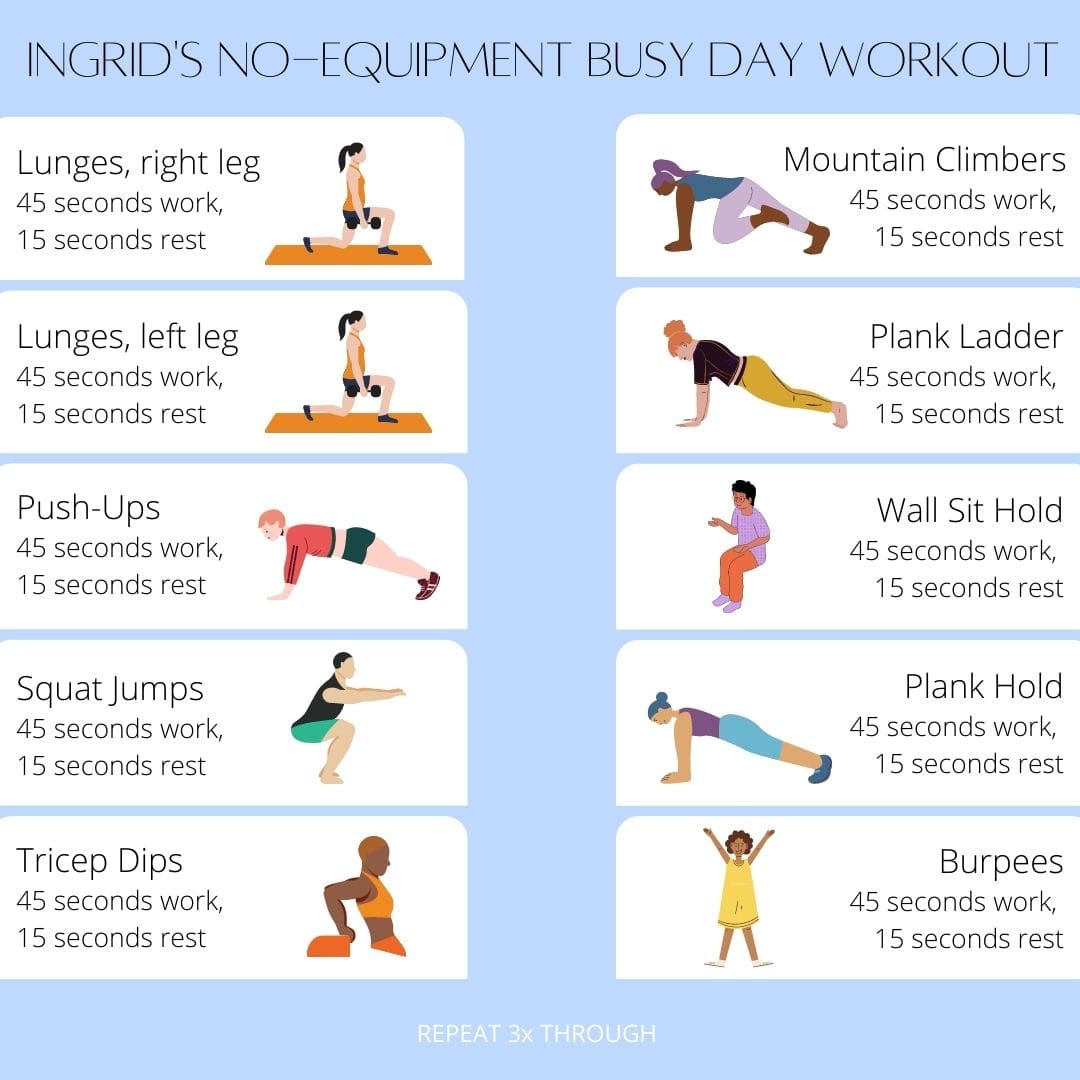
High-intensity interval training (HIIT) is a time-efficient workout method that combines short bursts of intense exercise with short periods of rest or active recovery. HIIT workouts can be completed in as little as 15-20 minutes and provide an effective full-body workout. These workouts are perfect for those with busy schedules as they maximize calorie burning and cardiovascular fitness in a short amount of time.
Circuit training
Circuit training involves moving from one exercise to another with minimal rest in between. By performing a series of exercises targeting different muscle groups, you can work on strength, endurance, and cardiovascular fitness simultaneously. Circuit training is a great option for those short on time as it allows you to get a complete workout in a shorter period.
Tabata workouts
Tabata workouts are another efficient way to exercise with a busy schedule. They consist of performing an exercise at a high intensity for 20 seconds, followed by a 10-second rest, repeated for a total of 4 minutes. Tabata workouts can be customized to target specific muscle groups or provide a full-body workout. These quick bursts of intense exercise can be squeezed into short breaks throughout the day or done in a concentrated session for an effective workout.
6. Make Use of Technology and Apps
Download fitness apps
In today’s digital age, there are plenty of fitness apps available to help you stay on track with your exercise goals. From workout trackers to guided workouts and nutrition advice, these apps provide a wealth of resources right at your fingertips. Choose an app that aligns with your fitness preferences and goals, and make use of the features it offers to stay motivated and accountable.
Track your steps with a pedometer
Using a pedometer or a fitness tracker can be a great way to monitor your daily activity levels. Aim to reach a certain number of steps each day and track your progress. This simple practice can encourage you to take extra steps throughout the day, whether it’s by taking a short walk during your lunch break or pacing around while talking on the phone.
Join online fitness communities
If your busy schedule limits your ability to attend in-person fitness classes or join a gym, consider joining online fitness communities. These communities often offer workout challenges, virtual classes, and support from like-minded individuals. Engaging with an online fitness community can provide you with the motivation, accountability, and guidance you need to stay on track with your exercise routine.

7. Plan and Prep Your Meals
Prepare meals in advance
As the saying goes, “Failing to plan is planning to fail.” When it comes to maintaining a healthy lifestyle with a busy schedule, meal planning and preparation are key. Dedicate some time each week to plan your meals, create a shopping list, and prepare as much food in advance as possible. By having healthy meals and snacks readily available, you’ll be less likely to rely on fast food or unhealthy options when time is tight.
Pack healthy snacks
Busy schedules often lead to grabbing whatever is convenient, which may not always be the healthiest option. To avoid falling into this trap, pack healthy snacks to have on hand throughout the day. Opt for portable options like fruit, nuts, yogurt, granola bars, or cut-up veggies. Having these snacks readily available will help you make better choices and keep your energy levels stable throughout the day.
Stay hydrated
Hydration is crucial for overall health and well-being, as well as maintaining energy levels and supporting exercise performance. Keep a water bottle with you at all times and make a conscious effort to drink enough water throughout the day. If plain water becomes boring, add some fresh fruit slices or herbs for a flavorful twist. Staying hydrated will not only benefit your physical health but also help you stay focused and alert.
8. Stay Active Throughout the Day
Incorporate active breaks
In addition to taking regular breaks from sitting, incorporate short bursts of physical activity into your day. During your breaks, do a quick set of jumping jacks, push-ups, or squats to get your blood flowing and increase your heart rate. These brief bursts of activity can boost your energy levels, improve circulation, and help combat the negative effects of prolonged sitting.
Stretch and move regularly
Sitting for extended periods can lead to muscle tightness and decreased flexibility. Combat this by incorporating regular stretching and movement into your day. Take breaks to stretch your neck, shoulders, back, and legs. Consider using a standing desk or an exercise ball instead of a traditional chair to engage your core muscles and promote better posture. These small adjustments can make a big difference in how you feel throughout the day.
Take walking meetings
If possible, suggest taking walking meetings instead of sitting in a conference room. Walking while discussing work-related matters not only encourages physical activity but also stimulates creativity and can lead to more productive conversations. Plus, getting some fresh air and natural light can have a positive impact on your overall well-being.

9. Get Creative with Your Workouts
Try desk exercises
When you’re stuck at your desk for long periods, it’s important to find opportunities to move your body. Incorporate desk exercises into your day to keep your muscles engaged and your blood flowing. Try exercises like seated leg raises, shoulder rolls, or desk push-ups. These exercises may seem small, but they can go a long way in preventing muscle stiffness and promoting overall well-being.
Use resistance bands or small weights at your desk
Keep some resistance bands or small weights at your desk to add resistance training to your workday. You can easily perform exercises like bicep curls, tricep extensions, or lateral raises during short breaks. Resistance bands are compact and lightweight, making them a convenient option for a busy schedule.
Do bodyweight exercises during TV commercials
If you find it difficult to dedicate specific time slots for exercise, take advantage of TV commercial breaks. Whenever you’re watching television, use the commercial breaks as an opportunity to do bodyweight exercises like squats, lunges, or push-ups. By sneaking in these exercises during your favorite shows, you’ll turn passive TV time into an active workout session.
10. Stay Consistent and Stay Motivated
Make exercise a habit
Consistency is key when it comes to maintaining a fitness routine with a busy schedule. To make exercise a habit, find activities you enjoy and make them a regular part of your routine. Start small and gradually increase the frequency and intensity of your workouts as you become more comfortable. By making exercise a habit, it becomes easier to prioritize and fit into your busy schedule.
Reward yourself for staying consistent
Celebrate your consistency and dedication by rewarding yourself along the way. Treat yourself to a new workout outfit, a massage, or a day off from your regular routine. By recognizing and rewarding your efforts, you’ll reinforce positive habits and stay motivated to continue your fitness journey.
Find an exercise buddy or accountability partner
Having a workout buddy or an accountability partner can be a game-changer in staying consistent with your exercise routine. When someone else is counting on you, it becomes harder to skip a workout or make excuses. Find a friend, coworker, or family member who shares your fitness goals and schedule regular workout sessions together. The support and mutual accountability will help you stay on track and make exercise more enjoyable.
In conclusion, having a busy schedule doesn’t mean you have to sacrifice your fitness goals. By prioritizing exercise, optimizing your time, incorporating physical activity into your daily routine, setting realistic goals, finding efficient workout options, making use of technology and apps, planning and prepping your meals, staying active throughout the day, getting creative with your workouts, and staying consistent and motivated, you can successfully exercise with a busy schedule. Remember, it’s all about finding what works for you and making small but meaningful changes to incorporate exercise into your daily life.
