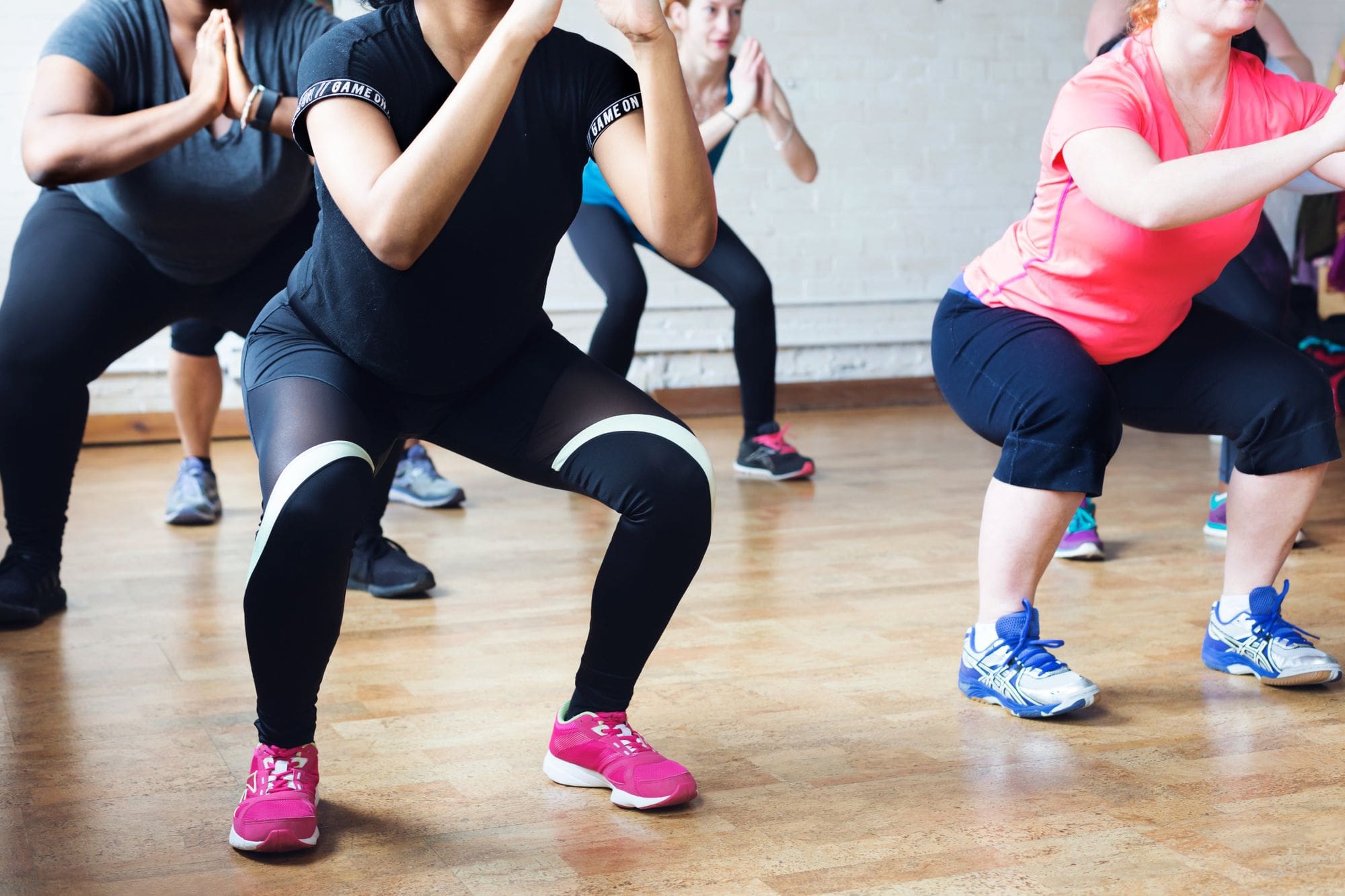
Are you tired of experiencing joint pain every time you try to exercise? Look no further! In this article, you will discover the best ways to exercise without putting stress on your joints. Whether you have a pre-existing joint condition or simply want to prevent any future discomfort, these exercises will help you stay active and healthy without compromising the health of your joints. Say goodbye to the fear of aggravating pain and hello to a pain-free workout routine!
Low Impact Cardio Exercises
Swimming
Swimming is one of the best low impact cardio exercises you can engage in. It provides a full-body workout without putting excessive stress on your joints. When you swim, the buoyancy of the water supports your body, reducing the impact on your knees, hips, and ankles. Plus, swimming allows you to work against the resistance of the water, making it a great way to strengthen your muscles and improve cardiovascular fitness. Whether you’re doing laps in a pool or taking a dip in the ocean, swimming is a fantastic choice for a joint-friendly cardio workout.
Cycling
Cycling is another excellent low impact cardio exercise that can be enjoyed by people of all ages and fitness levels. Whether you prefer outdoor cycling or using a stationary bike indoors, this activity puts minimal stress on your joints while providing a great cardiovascular workout. By pedaling at a steady pace, you can improve your heart health, burn calories, and strengthen your leg muscles without putting excessive strain on your knees or hips. Cycling is also a fantastic way to explore your surroundings while enjoying the fresh air and nature.
Elliptical Training
Using an elliptical trainer is a fantastic option for those looking for a low impact cardio workout. This machine mimics the motion of running or walking, but without the jarring impact. The elliptical trainer allows you to move your arms and legs simultaneously, engaging multiple muscle groups while putting minimal stress on your joints. It’s an effective way to improve cardiovascular fitness, burn calories, and strengthen your lower body muscles, all while keeping your joints safe and comfortable.
Water Aerobics
Water aerobics is a fun and refreshing way to get a low impact cardio workout. It involves performing various aerobic exercises in the water, utilizing the resistance and buoyancy of the water to enhance the workout. The water supports your body weight, reducing the impact on your joints, making it ideal for individuals with joint pain or mobility issues. Water aerobics can help improve cardiovascular fitness, increase muscle strength, and improve flexibility. Whether you join a class or do it on your own, water aerobics is a fantastic option for a joint-friendly cardio workout.
Strength Training without Joint Stress
Resistance Band Workouts
Resistance band workouts are an excellent choice for strength training without putting stress on your joints. These versatile bands provide resistance in various directions, allowing you to target different muscle groups without the need for heavy weights or machines. You can perform a wide range of exercises using resistance bands, such as bicep curls, squats, and shoulder presses. They offer a low impact and joint-friendly way to build strength, increase muscle tone, and improve overall body function.
Pilates
Pilates is a low impact strength training exercise that focuses on core stability, flexibility, and posture. It involves performing a series of controlled movements and exercises that target specific muscle groups, particularly the abdominals, back, and hips. Pilates emphasizes proper alignment, breathing, and mindful movement, making it an effective way to build strength without placing excessive stress on your joints. By practicing Pilates regularly, you can increase your muscle tone, improve body awareness, and enhance flexibility and range of motion.
Yoga
Yoga is not only a great way to increase flexibility and promote relaxation but also a low impact strength training exercise. By combining gentle movements, poses, and breathing techniques, yoga helps build strength in both large and small muscle groups. Yoga poses can be modified to accommodate different fitness levels and joint conditions, making it accessible to almost everyone. Regular yoga practice can improve strength, balance, posture, and overall body awareness, all while being gentle on the joints.
Bodyweight Exercises
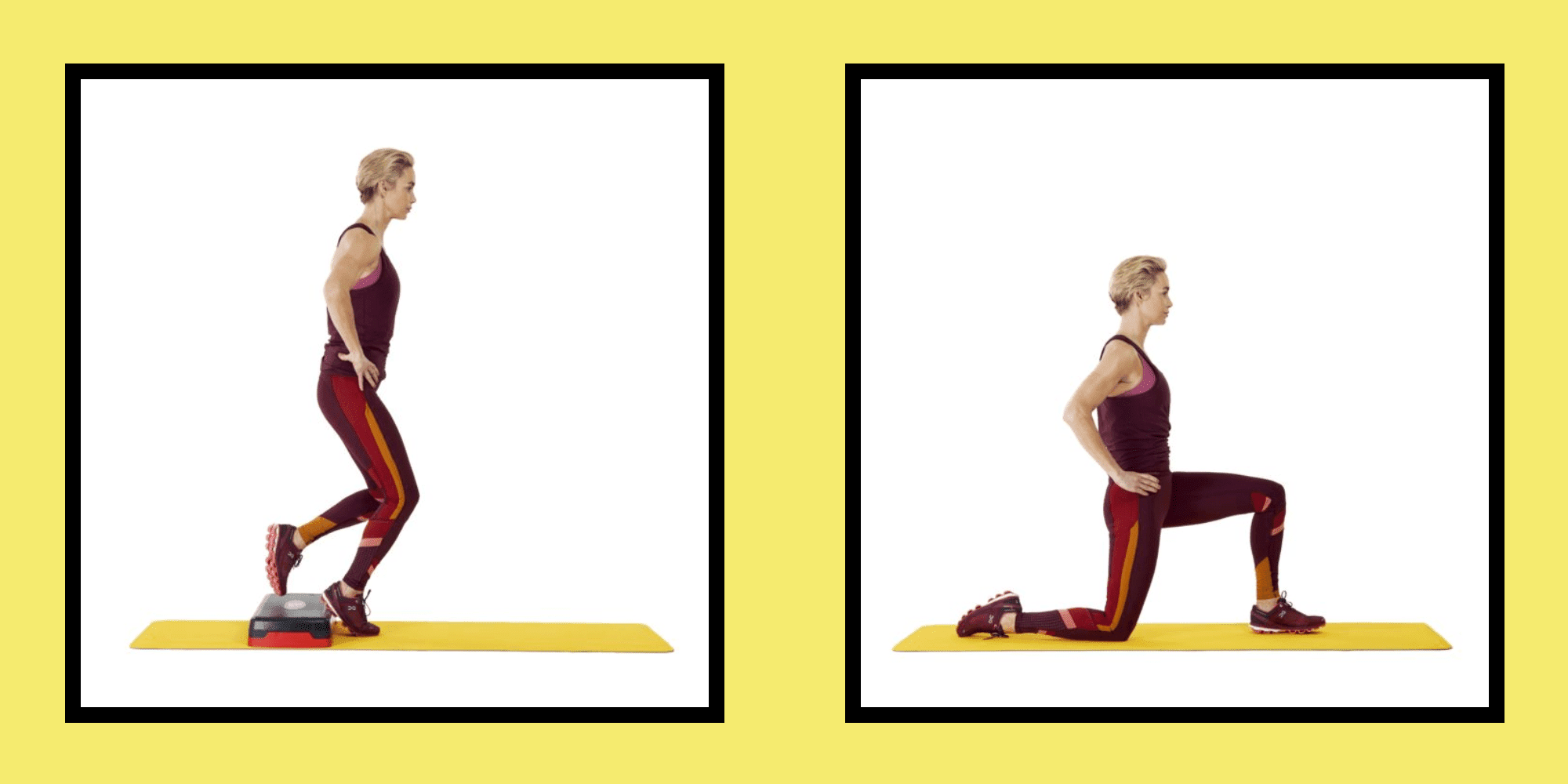
Bodyweight exercises is a simple yet effective way to strengthen your muscles without putting stress on your joints. These exercises use your body weight as resistance, allowing you to build strength and tone your muscles without the need for any equipment or weights. Bodyweight exercises include push-ups, squats, lunges, planks, and many others. These exercises can be easily modified to suit your fitness level and can be performed anywhere, making them a convenient and joint-friendly strength training option.
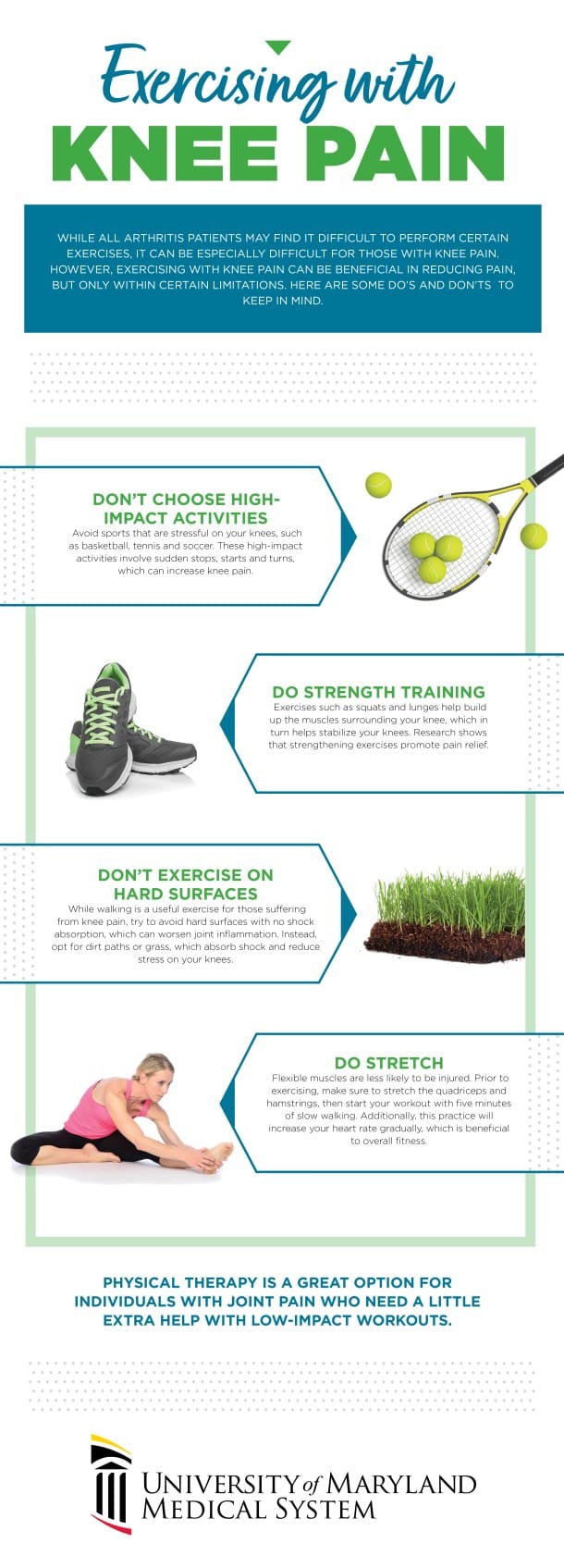
Flexibility and Range of Motion Exercises
Tai Chi
Tai Chi is an ancient Chinese martial art that combines flowing movements, deep breathing, and meditation. It is a gentle and low impact exercise that promotes balance, flexibility, and relaxation. Tai Chi movements are slow and controlled, allowing you to focus on your body’s alignment and movement without putting stress on your joints. Regular practice of Tai Chi can improve joint flexibility, enhance range of motion, and increase overall body coordination and balance.
Stretching
Stretching is an essential component of any exercise routine, especially when it comes to maintaining joint health. By incorporating stretching exercises into your workout, you can improve flexibility, reduce muscle stiffness, and prevent joint discomfort. Stretching should be performed both before and after your workout to warm up the muscles and enhance recovery. Focus on stretching all major muscle groups, paying extra attention to areas with joint issues. Remember to start with gentle stretches and gradually increase the intensity to avoid injury.
Pilates
Pilates, in addition to its strength training benefits, also incorporates stretching exercises that promote flexibility and range of motion. By elongating the muscles and improving joint mobility through controlled movements and stretches, Pilates can enhance overall flexibility and joint health. The combination of strength and flexibility training in Pilates makes it an excellent choice for individuals who want to improve their range of motion while building strength.
Yoga
Yoga is well-known for its focus on flexibility and range of motion. By moving through various poses and sequences, yoga helps stretch and release tension from muscles, enabling greater joint mobility. Many yoga poses target specific areas of the body, such as the hips, shoulders, and spine, improving flexibility in these key areas. Regular yoga practice can gradually increase your range of motion, reduce muscle tightness, and improve overall joint health.
Low Impact Sports and Activities
Golf
Golf is a low impact sport that offers both physical activity and enjoyment. By walking the course, swinging the club, and carrying your bag, you engage in a moderate intensity workout without putting excessive stress on your joints. Golf also provides an excellent opportunity for socializing and spending time outdoors, making it a popular choice for individuals looking for a low impact sport.
Walking
Walking is one of the simplest yet highly effective low impact exercises. Whether you take a leisurely stroll in your neighborhood or power walk on a treadmill, walking can improve cardiovascular fitness, strengthen leg muscles, and promote overall wellbeing. It is a low impact activity that minimizes stress on the joints while still providing the benefits of aerobic exercise. Incorporate walking into your daily routine, aim for at least 30 minutes of brisk walking each day, and gradually increase your pace and distance for greater benefits.
Cycling
Cycling, as mentioned earlier, is not only a great low impact cardio exercise but also a low impact sport. Whether you ride solo or join a group, cycling allows you to enjoy the outdoors, explore new paths, and improve your fitness. With its smooth and continuous motion, cycling reduces stress on your joints while engaging your leg muscles and cardiovascular system. If you’re looking for a low impact sport that can be enjoyed both solo or with others, cycling is a fantastic choice.
Rowing
Rowing is a fantastic low impact sport that engages multiple muscle groups while placing minimal strain on your joints. Whether you row on the water or use a rowing machine indoors, this activity provides a full-body workout, strengthening your arms, back, core, and legs. Rowing is a low impact sport that focuses on fluidity and coordination, making it a great choice for individuals looking for a joint-friendly sport that also provides an excellent cardio workout.
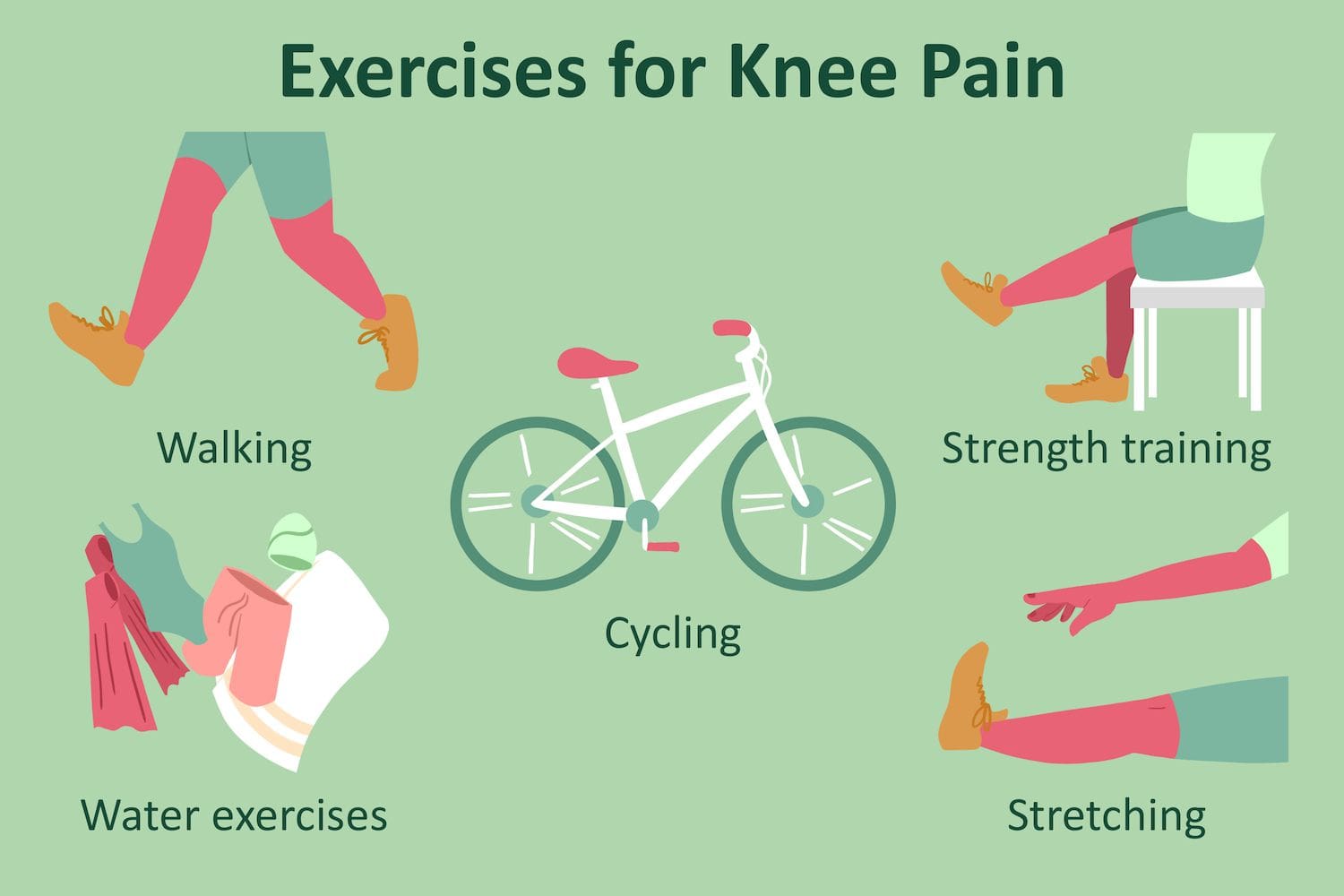
Aquatic Exercises for Joint-Friendly Workouts
Swimming
As mentioned earlier, swimming is an exceptional low impact exercise that is gentle on your joints. The water’s buoyancy supports your body weight, reducing the stress on your joints while allowing you to work against the resistance of the water. Whether you swim laps, do water aerobics, or simply enjoy a leisurely swim, this activity provides a whole-body workout without placing excessive strain on your joints. Swimming is an excellent option for individuals with arthritis or other joint conditions.
Water Aerobics
Water aerobics, mentioned previously, offers a joint-friendly workout by utilizing the resistance and buoyancy of the water. Performing various aerobic exercises in the water helps improve cardiovascular fitness, increase muscle strength, and enhance flexibility without putting stress on your joints. It is an excellent option for individuals looking for a low impact exercise that provides both strength and cardio benefits.
Aquatic Therapy
Aquatic therapy, also known as water therapy or pool therapy, involves performing exercises and movements in the water under the guidance of a trained therapist. This therapy provides a safe and low impact environment for individuals recovering from injuries, surgeries, or those with chronic pain conditions. The water’s buoyancy reduces the impact on the joints, allowing for gentle movement, improved range of motion, pain reduction, and overall rehabilitation.
Water Walking
Water walking is a simple yet effective aquatic exercise that can be done in a pool, lake, or ocean. By walking in water, you engage your leg muscles, improve cardiovascular fitness, and promote joint mobility without putting excessive strain on your joints. The water’s resistance adds an extra challenge, making this exercise more effective than traditional walking while being gentle on your joints.
Using Exercise Machines with Lower Joint Impact
Stationary Bike
Using a stationary bike is an excellent option for individuals with joint issues looking for low impact cardio exercise. The bike’s pedals provide a smooth circular motion that minimizes stress on the knees, hips, and ankles while still providing a great cardiovascular workout. Whether you opt for an upright or recumbent bike, this machine allows you to control the intensity, speed, and resistance, making it suitable for individuals of all fitness levels.
Elliptical Trainer
The elliptical trainer, mentioned earlier, is an exercise machine specifically designed to provide a low impact, full-body workout. It mimics the motion of running or walking, but without the jarring impact. The elliptical trainer’s pedals move in an elliptical or oval shape, allowing for a smooth and fluid motion that is easy on the joints. This machine engages multiple muscle groups and provides cardiovascular benefits without putting excessive stress on your joints.
Rowing Machine
The rowing machine, also mentioned earlier as a low impact sport, can also be used as an exercise machine for a joint-friendly workout. It simulates the rowing motion, providing a full-body workout that strengthens your arms, back, core, and legs. By using proper technique and maintaining a steady pace, rowing machines allow you to engage your muscles and improve cardiovascular fitness while being easy on your joints.
Recumbent Bike
A recumbent bike is a stationary exercise bike that provides a supportive and ergonomic seated position. It offers a comfortable backrest, a larger seat, and pedals positioned in front of you rather than beneath you. This design reduces stress on your joints, particularly the knees and lower back, making it an excellent choice for individuals with joint issues or limited mobility. Recumbent bikes offer a low impact workout that targets your leg muscles and provides cardiovascular benefits without putting excessive strain on your joints.
Choosing the Right Footwear for Joint-Friendly Workouts
Cushioned Shoes
Choosing the right footwear can significantly impact your joint-friendly workouts. Cushioned shoes are designed to absorb shock and reduce the impact on your joints. They provide extra cushioning in the midsole and heel area, which helps alleviate pressure and distribute forces more evenly while running or performing other high-impact activities. Cushioned shoes are particularly beneficial for individuals with knee or ankle issues, as they provide additional support and comfort.
Stability Shoes
Stability shoes are another excellent option for joint-friendly workouts, especially for individuals with pronation issues. These shoes provide a combination of cushioning, support, and stability, helping maintain proper alignment and reducing the risk of excessive strain on the joints. Stability shoes typically have a midsole design that promotes foot and ankle stability, ensuring a more controlled and balanced movement during exercise.
Motion-Control Shoes
Motion-control shoes are specifically designed for individuals who overpronate or have flat feet. They offer maximum support and stability to prevent excessive inward rolling of the foot, which can lead to joint stress and discomfort. Motion-control shoes feature a firm and structured midsole, along with additional support features around the arch and heel area. If you have flat feet or experience joint pain due to overpronation, motion-control shoes can provide the necessary support and stability for a joint-friendly workout.
Orthotic Inserts
Orthotic inserts are removable insoles that can be placed inside your shoes to provide additional support and cushioning. These inserts can help correct pronation issues, improve foot alignment, and reduce stress on your joints during physical activity. Orthotic inserts are customizable and can be tailored to address specific foot or joint conditions. They are an excellent option for individuals seeking extra support or those who prefer to use their favorite pair of shoes during their joint-friendly workouts.
Alternative Therapies for Low-Impact Exercise
Tai Chi
Tai Chi, mentioned earlier, is not only a form of exercise but also a mindfulness practice that promotes flexibility and balance. By incorporating slow and controlled movements with deep breathing and meditation, Tai Chi provides a low impact workout that benefits both the body and mind. It is an excellent alternative therapy for individuals looking to improve joint health, increase flexibility, and reduce stress and anxiety levels.
Yoga
Yoga, mentioned earlier, not only enhances strength and flexibility but also promotes relaxation and stress reduction. It combines physical postures, breathing techniques, and meditation, making it a holistic practice for both the body and mind. Through gentle and mindful movements, yoga helps stretch and strengthen muscles, improve joint mobility, and promote overall wellbeing. Regular yoga practice can contribute to joint health, stress management, and improved overall quality of life.
Pilates
Pilates, mentioned earlier, is a functional exercise that promotes core strength, stability, and body awareness. It is a low impact therapy that focuses on controlled movements, proper form, and breathing techniques. Pilates exercises target specific muscle groups, including those around the joints, promoting joint stability and improving overall body function. The mind-body connection established in Pilates helps individuals develop a better understanding and awareness of their bodies, leading to better joint movement and reduced joint stress.
Hydrotherapy
Hydrotherapy, also known as aquatic therapy, utilizes the properties of water to improve joint health and overall wellbeing. Under the guidance of a trained therapist, hydrotherapy involves performing exercises, movements, and stretches in a warm-water pool. The buoyancy and hydrostatic pressure of the water provide a low impact environment for joint mobility, pain reduction, and rehabilitation. Hydrotherapy is particularly beneficial for individuals with arthritis, fibromyalgia, or recovering from joint injuries or surgeries.
Proper Warm-up and Cool-down for Joint Health
Dynamic Stretching
Prior to your joint-friendly workout, it is essential to perform a proper warm-up to prepare your body for exercise. Dynamic stretching is a type of stretching that involves active movements and stretching through a full range of motion. Unlike static stretching, where you hold a stretch for a prolonged period, dynamic stretching helps increase muscle temperature, improves joint mobility, and activates the muscles that will be used during your workout. Perform dynamic stretches that target the major muscle groups and joints involved in your specific exercise routine.
Joint Mobility Exercises
Joint mobility exercises focus on gentle movements that warm up the joints and improve their range of motion. These exercises typically involve circular movements, rotations, and gentle stretching of the joints without causing discomfort or pain. By incorporating joint mobility exercises into your warm-up routine, you can prepare your joints for the upcoming workout, reduce the risk of injury, and improve overall joint health.
Foam Rolling
Foam rolling, also known as self-myofascial release, is a self-massage technique that helps relieve muscle tension, improve circulation, and increase joint mobility. By using a foam roller to apply pressure on different muscle groups, you can release knots, adhesions, and tightness in the muscles and fascia. Foam rolling can be particularly beneficial for individuals with joint issues, as it helps reduce muscle tension and improves flexibility, leading to better overall joint function.
Slow Walking or Cycling
After completing your joint-friendly workout, it is crucial to cool down properly to gradually reduce your heart rate and prevent blood from pooling in your extremities. Slow walking or cycling at a reduced intensity is an excellent way to cool down after exercise. These low impact activities help your body transition from exercising to a resting state and facilitate the removal of metabolic waste products from your muscles. Cool down for at least 5-10 minutes, gradually decreasing your pace and intensity until your heart rate returns to normal.
Working with a Physical Therapist or Exercise Specialist
Assessment and Customization
Working with a physical therapist or exercise specialist can be highly beneficial, especially if you have joint issues or specific fitness goals. These professionals can assess your current condition, strength, flexibility, and range of motion, providing valuable insights into the most appropriate exercises for your needs. They can then customize a workout plan that takes into account your joint health, preferences, and goals, ensuring a safe and effective exercise program.
Injury Prevention
Physical therapists and exercise specialists are well-versed in injury prevention strategies. By working with them, you can learn proper form and technique for various exercises, reducing the risk of injuries during your workouts. They can also provide guidance on how to modify exercises or movements to make them more joint-friendly or suggest alternative exercises that are better suited for your specific needs.
Adaptive Exercise Techniques
If you have limited mobility or specific joint conditions, physical therapists and exercise specialists can teach you adaptive exercise techniques. These techniques allow you to modify exercises based on your abilities and limitations, making them more accessible and joint-friendly. Adaptive exercise techniques ensure that you can still engage in physical activity safely and effectively, even with certain joint restrictions or limitations.
Progression and Goal Setting
Physical therapists and exercise specialists can help you set realistic goals and develop a plan to progress towards those goals safely. They can track your progress, adjust your exercise program as needed, and provide guidance along the way. They will ensure that you are gradually increasing the intensity or difficulty of your workouts, preventing overexertion and joint stress. With their expertise, you can maximize the benefits of your joint-friendly workouts and achieve your desired outcomes.
In conclusion, exercising without putting stress on your joints is possible with a wide range of low impact cardio exercises, strength training options, flexibility exercises, low impact sports, aquatic exercises, exercise machines with lower joint impact, and proper footwear. By incorporating these joint-friendly activities into your workout routine and considering alternative therapies, warm-up and cool-down techniques, and working with professionals, you can improve your joint health, maintain overall fitness, and enjoy a pain-free exercise experience. Remember to listen to your body, start with appropriate intensity, and gradually progress towards your fitness goals. Embrace the joy of movement and prioritize the longevity of your joints.