Welcome to the insightful article on the best ways to foster emotional intelligence! In this piece, we will explore the importance of emotional intelligence and provide practical tips on how you can enhance this invaluable skill. By building your emotional intelligence, you can improve your relationships, communicate more effectively, and navigate life’s challenges with grace and understanding. Let’s delve into the key strategies that will help you unlock your emotional intelligence potential. Have you ever wondered how you can enhance your emotional intelligence and improve your relationships with others? Developing emotional intelligence is a crucial skill that can greatly benefit your personal and professional life. In this article, we will explore the best ways to foster emotional intelligence and provide you with practical tips to help you enhance your EQ.
Understanding Emotional Intelligence
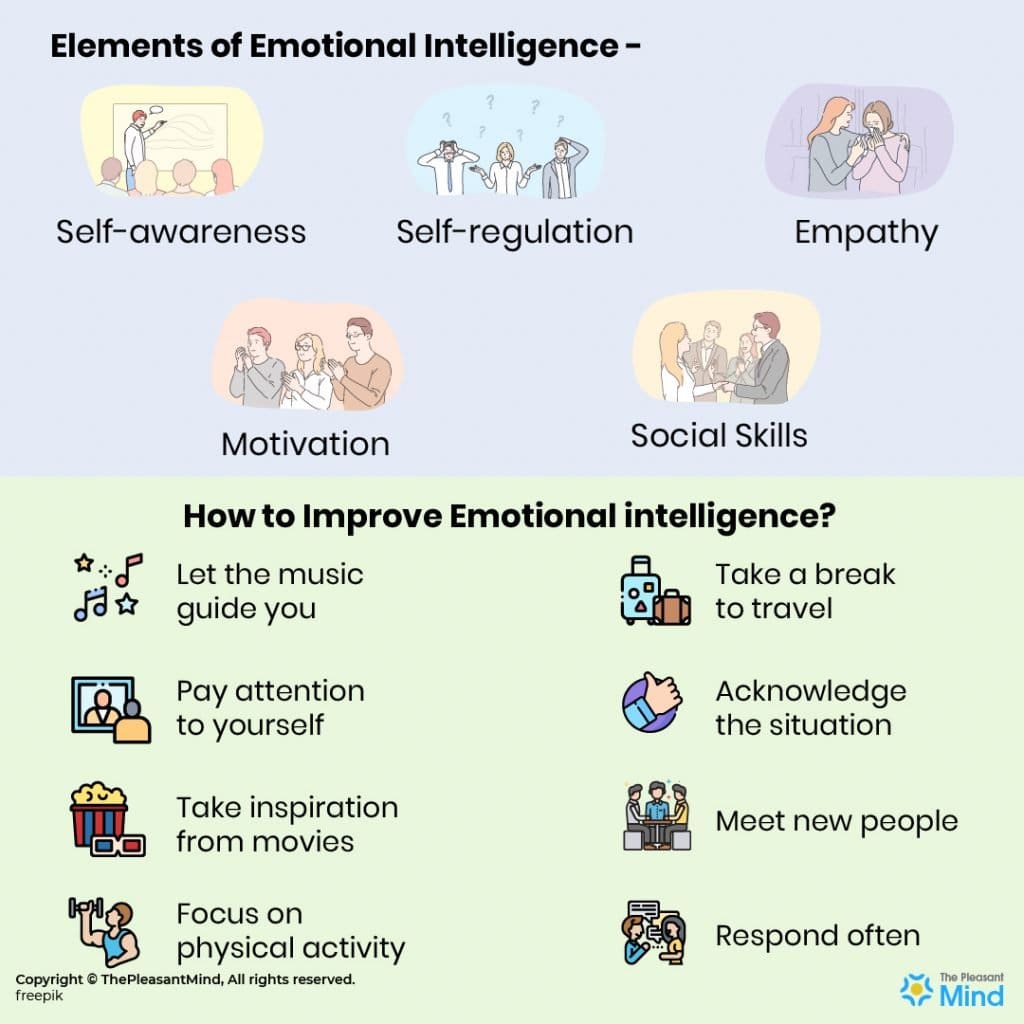
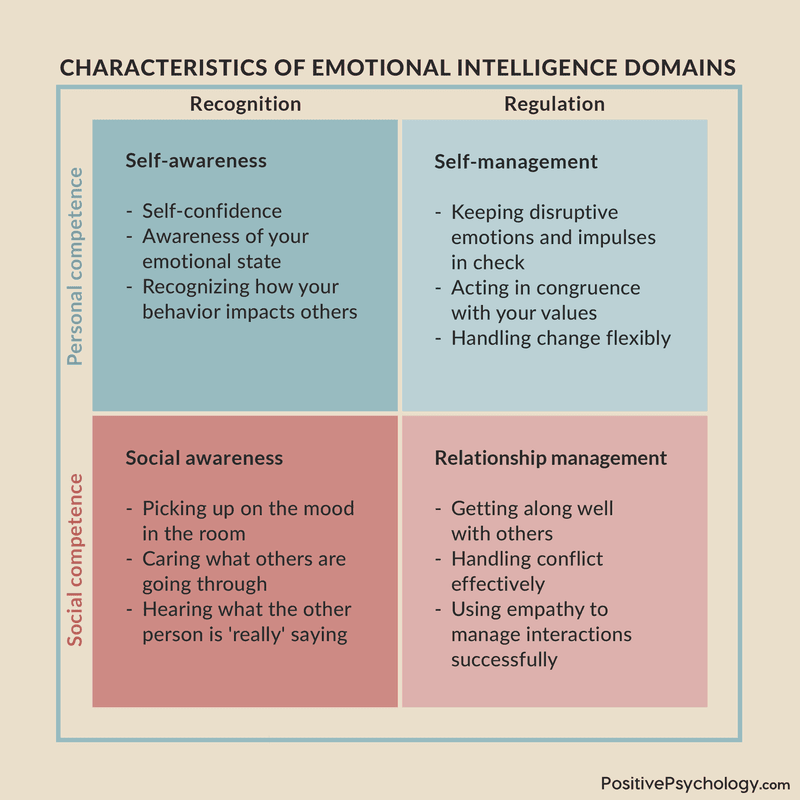
Emotional intelligence, also known as EQ, refers to your ability to recognize, understand, and manage your own emotions, as well as the emotions of others. People with high emotional intelligence are able to empathize with others, communicate effectively, and build strong relationships. By developing your emotional intelligence, you can improve your self-awareness, self-regulation, social skills, and empathy.
Understanding the importance of emotional intelligence is the first step towards fostering it. By recognizing the value of emotional intelligence, you can begin to prioritize its development in your life.
Self-Awareness
Self-awareness is a key component of emotional intelligence. It involves being in tune with your own emotions, thoughts, and behaviors. By being self-aware, you can recognize your own strengths and weaknesses, as well as how your emotions impact your decision-making.
Take some time to reflect on your emotions and behaviors. Journaling can be a helpful tool for increasing self-awareness. By writing down your thoughts and feelings, you can gain valuable insights into your emotional patterns and triggers.
Self-Regulation
Self-regulation is the ability to control your emotions and impulses. It involves managing your reactions to challenging situations, staying calm under pressure, and thinking before you act. People with high self-regulation are able to effectively cope with stress and remain composed in difficult circumstances.
Practice mindfulness and deep breathing techniques to help you manage your emotions. By taking a moment to pause and breathe before responding to a situation, you can avoid reacting impulsively and make more thoughtful choices.
Social Skills
Social skills are essential for building strong relationships and communicating effectively with others. People with high social skills are able to collaborate, resolve conflicts, and navigate social situations with ease. By honing your social skills, you can improve your relationships at work and in your personal life.
Practice active listening and empathy in your interactions with others. Show genuine interest in their thoughts and feelings, and strive to understand their perspective. By fostering open communication and connection, you can strengthen your relationships and build trust with others.
Empathy
Empathy is the ability to understand and share the feelings of others. It involves putting yourself in someone else’s shoes and seeing the world from their perspective. People with high empathy are able to connect with others on a deep level and show compassion and understanding.
Practice empathy by actively listening and seeking to understand the emotions of others. Pay attention to nonverbal cues, such as body language and facial expressions, to get a sense of how someone is feeling. By showing compassion and support, you can strengthen your relationships and foster emotional connection.
Developing Emotional Intelligence in Children
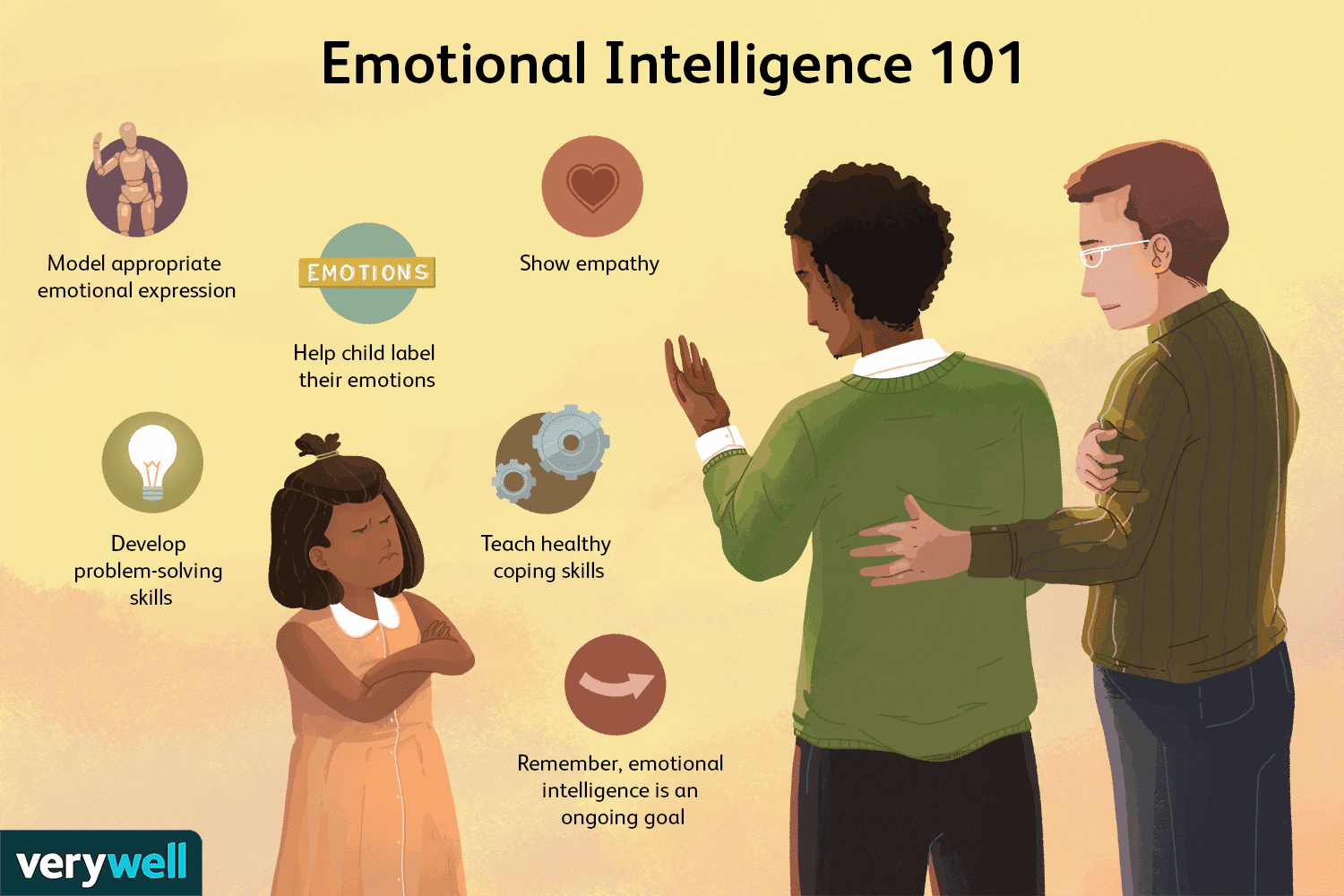
Teaching children emotional intelligence is crucial for their social and emotional development. By helping them recognize and manage their emotions, you can set them up for success in their relationships and academic pursuits.
Encourage children to identify and label their emotions. Teach them emotional vocabulary and help them express their feelings in a healthy way. By validating their emotions and offering support, you can help them build self-awareness and emotional regulation skills.
Cultivating Emotional Intelligence in the Workplace
Emotional intelligence is a valuable skill in the workplace, as it can lead to better teamwork, communication, and conflict resolution. By fostering emotional intelligence in your team, you can create a positive work environment and improve employee satisfaction.
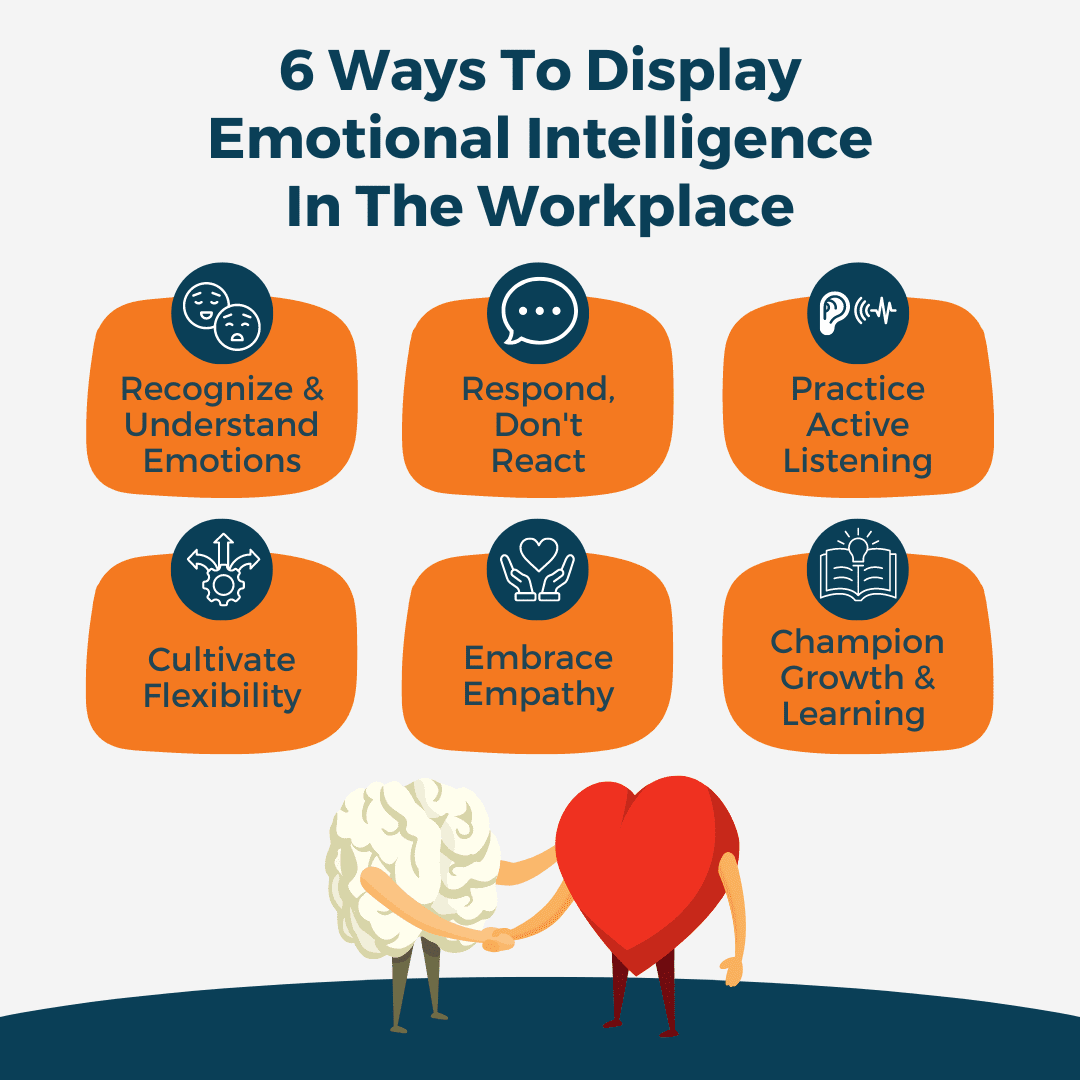
Lead by example and demonstrate emotional intelligence in your interactions with colleagues. Show empathy, active listening, and effective communication skills. By setting a positive example, you can inspire others to develop their emotional intelligence and enhance team dynamics.
Barriers to Developing Emotional Intelligence
There are several common barriers that can hinder the development of emotional intelligence. These barriers include stress, lack of self-awareness, fear of vulnerability, and resistance to change. By identifying and addressing these barriers, you can overcome obstacles and continue to grow your emotional intelligence.
Take steps to manage stress and prioritize self-care in your daily life. Practice mindfulness, exercise regularly, and get enough sleep to support your emotional well-being. By taking care of yourself and managing stress, you can improve your emotional intelligence and resilience.
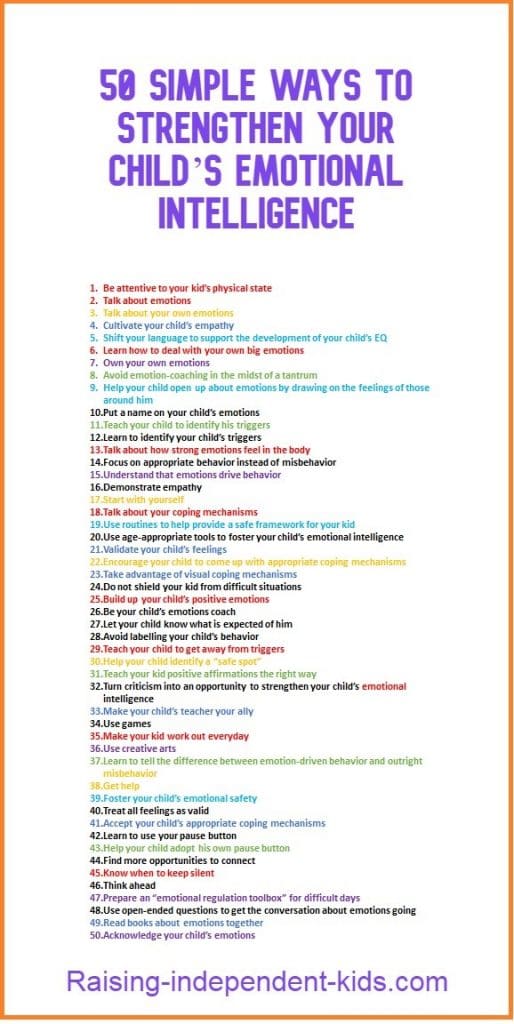
Tips for Enhancing Emotional Intelligence
Here are some practical tips to help you enhance your emotional intelligence:
- Practice self-reflection and journaling to increase self-awareness
- Engage in deep breathing exercises and mindfulness to improve self-regulation
- Practice active listening and empathy in your interactions with others to strengthen social skills
- Seek feedback from others to gain insights into your emotional intelligence and areas for growth
- Set boundaries and prioritize self-care to manage stress and maintain emotional well-being
By incorporating these tips into your daily life, you can enhance your emotional intelligence and improve your relationships with others.
Conclusion
Developing emotional intelligence is a lifelong journey that requires self-awareness, self-regulation, empathy, and social skills. By recognizing the value of emotional intelligence and prioritizing its development, you can enhance your personal and professional relationships and lead a more fulfilling life. Take the time to cultivate your emotional intelligence and reap the many benefits it has to offer. Remember, emotional intelligence is a skill that can be learned and improved over time with practice and dedication. Start today and watch your EQ flourish.