Are you tired of tossing and turning all night, struggling to fall asleep? In this article, you will discover the best ways to ensure you get a good night’s sleep each and every night. From creating a peaceful bedtime routine to setting up a comfortable sleep environment, these tips will help you finally enjoy a restful night’s sleep. Say goodbye to sleepless nights and hello to waking up feeling refreshed and rejuvenated! Have you been struggling with getting a good night’s sleep lately? You’re not alone! Many people find it challenging to relax and drift off into a deep, restful sleep. Poor sleep can negatively impact your overall health and well-being, so it’s essential to find effective strategies to improve your sleep quality. In this article, we will explore some of the best ways to get a good night’s sleep and wake up feeling refreshed and rejuvenated every morning.
Establishing a Bedtime Routine
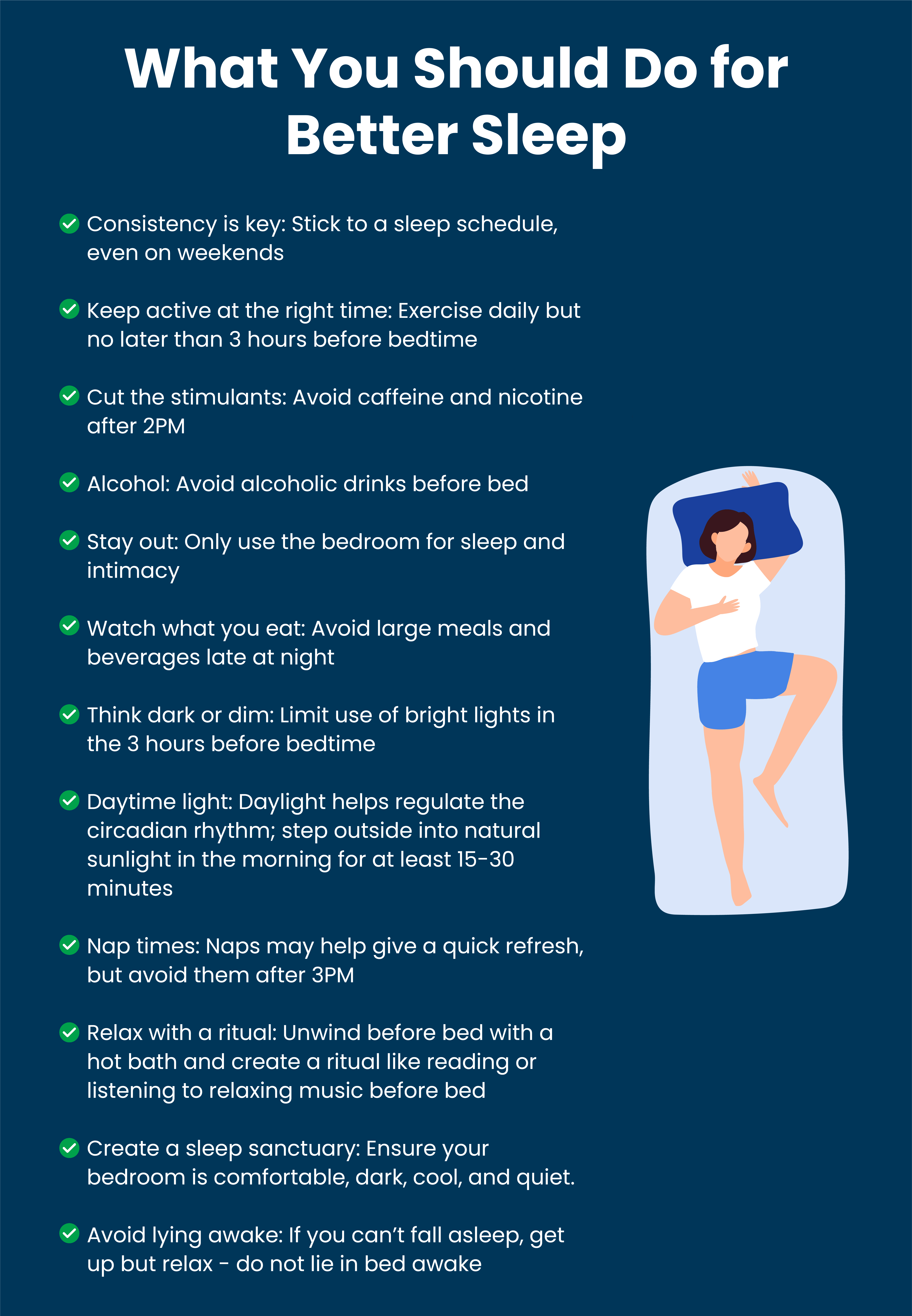
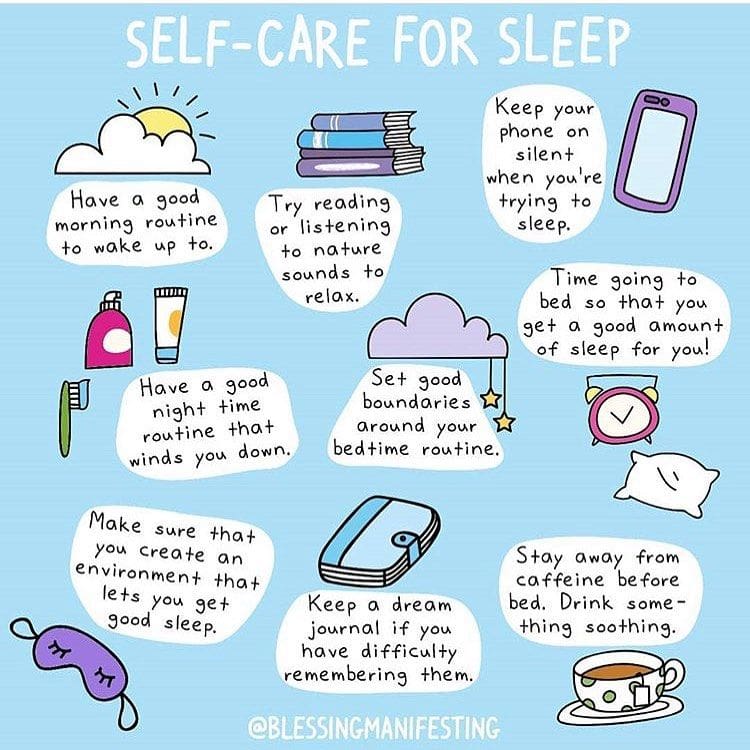
Having a consistent bedtime routine can signal to your body that it’s time to wind down and prepare for sleep. Try to establish a calming routine that you enjoy and look forward to each night. This could include activities such as taking a warm bath, reading a book, practicing relaxation techniques, or listening to soothing music. Creating a bedtime routine can help you relax and unwind, making it easier to fall asleep quickly.
Avoiding Stimulants Before Bed
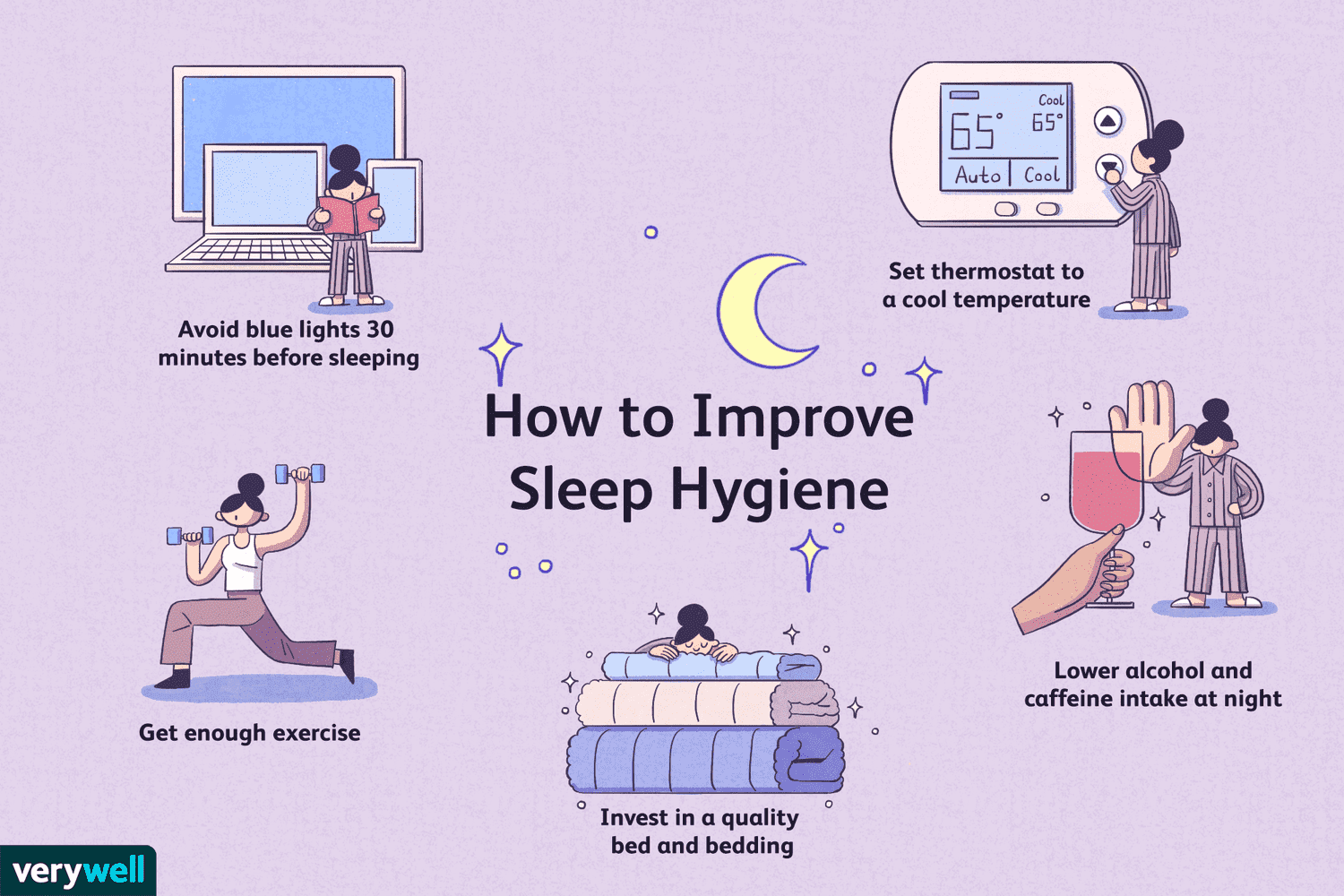
It’s essential to avoid stimulants close to bedtime, as they can interfere with your body’s natural sleep-wake cycle. Stimulants such as caffeine, nicotine, and alcohol can disrupt your sleep patterns and make it challenging to fall asleep. Try to limit your intake of these substances in the hours leading up to bedtime to ensure a restful night’s sleep.
Creating a Comfortable Sleep Environment
Your sleep environment plays a significant role in the quality of your sleep. Make sure your bedroom is conducive to sleep by creating a comfortable and relaxing atmosphere. Keep your bedroom dark, quiet, and cool to promote restful sleep. Investing in a comfortable mattress and pillows can also make a big difference in how well you sleep. Additionally, using calming scents such as lavender or chamomile can help you relax and drift off to sleep more easily.
Limiting Screen Time Before Bed
The blue light emitted by screens such as smartphones, tablets, and computers can interfere with your body’s production of melatonin, a hormone that regulates sleep. Limiting screen time in the hours leading up to bedtime can help signal to your body that it’s time to sleep. Try to avoid screens at least an hour before bed and opt for activities that promote relaxation instead.
Practicing Relaxation Techniques
Practicing relaxation techniques can help calm your mind and body before bedtime, making it easier to fall asleep. Techniques such as deep breathing, progressive muscle relaxation, and meditation can help reduce stress and anxiety, leading to a more restful night’s sleep. Experiment with different relaxation techniques to find what works best for you and incorporate them into your bedtime routine.
Deep Breathing Exercises
Deep breathing exercises can help relax your body and quiet your mind, making it easier to fall asleep. Try taking slow, deep breaths in through your nose, holding for a few seconds, and then exhaling slowly through your mouth. Repeat this process several times to help calm your body and prepare for sleep. Deep breathing exercises can be a simple but effective way to promote relaxation and improve sleep quality.
Maintaining a Consistent Sleep Schedule
It’s essential to maintain a consistent sleep schedule to regulate your body’s internal clock and promote healthy sleep patterns. Try to go to bed and wake up at the same time every day, even on weekends, to establish a regular sleep routine. By following a consistent sleep schedule, you can train your body to fall asleep and wake up at the same times each day, leading to better overall sleep quality.
Benefits of a Consistent Sleep Schedule
Maintaining a consistent sleep schedule can have many benefits for your overall health and well-being. By regulating your sleep-wake cycle, you can improve your sleep quality, reduce the risk of sleep disorders, and enhance your daytime alertness and productivity. Consistency is key when it comes to establishing healthy sleep habits, so try to stick to a regular sleep schedule as much as possible.
Engaging in Physical Activity
Regular physical activity has been shown to improve sleep quality and duration, making it an essential part of a healthy sleep routine. Exercise can help reduce stress and anxiety, boost mood and energy levels, and promote relaxation, all of which can contribute to better sleep. Try to incorporate at least 30 minutes of moderate exercise into your daily routine to reap the sleep benefits of physical activity.
Best Types of Exercise for Sleep
Certain types of exercise are particularly beneficial for improving sleep quality. Aerobic exercises such as walking, jogging, cycling, or swimming can help promote relaxation and reduce stress, making it easier to fall asleep. Yoga and stretching exercises can also be effective in calming your mind and body before bed. Experiment with different types of exercise to find what works best for you and incorporate them into your daily routine for better sleep.
Avoiding Large Meals Before Bed
Eating a large meal close to bedtime can disrupt your sleep by causing indigestion and acid reflux. It’s essential to avoid heavy, rich foods in the hours leading up to bedtime to allow your body time to digest before sleep. Instead, opt for a light snack if you’re hungry before bed, such as a small piece of fruit, yogurt, or some nuts. Eating a light snack can help stave off hunger without interfering with your sleep.
Benefits of a Light Bedtime Snack
Eating a light bedtime snack can help regulate your blood sugar levels and prevent hunger pangs during the night, promoting better sleep. Choosing healthy, nutrient-dense snacks can provide your body with essential nutrients and help prevent disruptions to your sleep. Experiment with different bedtime snacks to find what works best for you and incorporate them into your nightly routine for improved sleep quality.
Managing Stress and Anxiety
Stress and anxiety can significantly impact your ability to fall asleep and stay asleep, leading to poor sleep quality and insomnia. It’s essential to find effective strategies to manage stress and anxiety to promote better sleep. Techniques such as journaling, mindfulness, and relaxation exercises can help calm your mind and body, making it easier to relax and drift off to sleep.
Benefits of Stress Management for Sleep
Managing stress and anxiety can have numerous benefits for your sleep quality and overall health. By reducing stress levels, you can improve your ability to relax and fall asleep quickly, leading to a more restful night’s sleep. Stress management techniques can also help improve your mood, energy levels, and overall well-being, making it easier to cope with everyday challenges and improve your sleep quality.
Seeking Professional Help
If you’ve tried various strategies to improve your sleep quality and are still struggling to get a good night’s sleep, it may be time to seek professional help. A sleep specialist or healthcare provider can help diagnose and treat underlying sleep disorders such as insomnia, sleep apnea, or restless legs syndrome. By working with a professional, you can develop a personalized treatment plan to improve your sleep quality and overall well-being.
Benefits of Seeking Professional Help
Working with a sleep specialist or healthcare provider can help identify and address any underlying sleep disorders or medical conditions that may be impacting your sleep. By seeking professional help, you can receive an accurate diagnosis and personalized treatment plan to improve your sleep quality and address any sleep-related issues. Professional guidance can provide valuable insights and support to help you achieve better sleep and overall health.
In conclusion, there are many effective strategies you can use to improve your sleep quality and get a good night’s sleep. By establishing a bedtime routine, creating a comfortable sleep environment, practicing relaxation techniques, maintaining a consistent sleep schedule, engaging in physical activity, and managing stress and anxiety, you can promote better sleep and wake up feeling refreshed and rejuvenated every morning. If you’re still struggling to get a good night’s sleep, don’t hesitate to seek professional help to address any underlying sleep disorders or medical conditions. Remember, getting a good night’s sleep is essential for your overall health and well-being, so prioritize your sleep and make it a priority in your daily routine. Good night, sleep tight!