
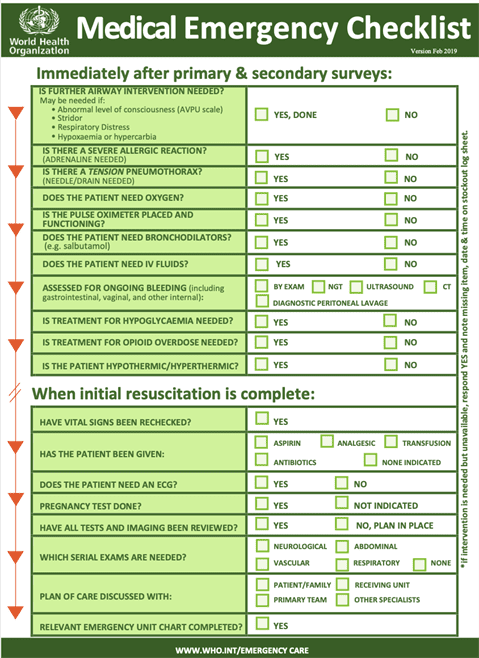
Welcome to an article that will provide you with the best ways to handle medical emergencies while managing a chronic illness. It’s important to be prepared and informed on how to handle unexpected situations that may arise when dealing with a chronic health condition. By following these strategies, you can feel more confident and empowered in managing your health and navigating emergency situations effectively. Let’s dive in and learn how to best handle medical emergencies when managing a chronic illness. First and foremost, have you ever found yourself in a medical emergency related to your chronic illness? It can be a scary and overwhelming experience, but it’s essential to be prepared and know the best ways to handle such situations. In this friendly guide, we’ll discuss some essential tips and strategies for managing medical emergencies when dealing with a chronic illness. From creating an emergency plan to knowing when to seek help, we’ll cover everything you need to know to stay safe and healthy in times of crisis.

Creating an Emergency Plan
Having a well-thought-out emergency plan in place can make all the difference when faced with a medical crisis related to your chronic illness. Here are some key components to consider when creating your emergency plan:
Emergency Contacts
Make a list of important phone numbers, including your primary care physician, specialists, emergency contact person, and local hospital. Keep this list in a visible and easily accessible place in your home, such as on the refrigerator or saved in your phone.
It’s essential to have these contacts readily available so that you can reach out for help quickly in case of an emergency. Be sure to update these numbers regularly and inform your emergency contacts of any changes.
Medical History and Medication List
Compile a detailed medical history that includes your chronic illness diagnosis, current medications, allergies, and any other relevant health information. Keep this information organized in a folder or electronic document that you can easily share with healthcare providers in an emergency.
Having a comprehensive medical history on hand can help healthcare professionals make informed decisions about your care and prevent any potential complications due to medication interactions or underlying health conditions.
Emergency Kit
Assemble an emergency kit that includes essential items such as medications, medical supplies, a first aid kit, and any other tools or devices specific to your chronic illness. Keep this kit in a designated location in your home that is easily accessible in case of an emergency.
Having an emergency kit prepared and stocked with necessary supplies can help you manage your symptoms and stabilize your condition until help arrives. Be sure to check the contents of your emergency kit regularly and replace any expired medications or supplies.
Recognizing Emergency Signs and Symptoms
Understanding the signs and symptoms of a medical emergency related to your chronic illness is crucial for prompt intervention and appropriate treatment. Here are some common emergency warning signs to watch out for:
Severe Pain or Discomfort
If you experience sudden or severe pain that is out of the ordinary for your chronic illness, it may indicate a medical emergency. Pay attention to the location, intensity, and duration of the pain, and seek medical attention if it persists or worsens.
Difficulty Breathing
Shortness of breath, wheezing, or difficulty breathing can be a sign of a respiratory emergency, especially for individuals with chronic lung conditions like asthma or COPD. If you are struggling to breathe or feel like you’re not getting enough air, seek immediate medical help.
Changes in Consciousness
Sudden changes in consciousness, such as confusion, dizziness, fainting, or loss of consciousness, can be indicative of a serious medical condition. If you or a loved one experiences these symptoms, call for emergency assistance right away.
Chest Pain or Pressure
Chest pain or pressure that radiates to your arm, jaw, neck, or back could be a warning sign of a heart attack or other cardiac emergency. Don’t ignore chest discomfort, especially if it is accompanied by sweating, nausea, or difficulty breathing.
Uncontrollable Bleeding
If you are experiencing uncontrolled bleeding from a wound, injury, or surgical site, it’s essential to seek medical attention immediately to prevent excessive blood loss and potential complications. Apply pressure to the bleeding area while waiting for help to arrive.
High Fever
A high fever accompanied by chills, body aches, and fatigue could indicate an infection or inflammation that requires medical attention, especially for individuals with weakened immune systems due to a chronic illness. Monitor your temperature and seek medical advice if your fever persists.

Taking Action in an Emergency
When faced with a medical emergency related to your chronic illness, it’s crucial to stay calm, act quickly, and follow these steps to ensure your safety and well-being:
Assess the Situation
Take a moment to assess the severity of the emergency and your ability to respond effectively. Check for any immediate dangers or hazards that may pose a risk to your safety or impede emergency response efforts.
Call for Help
If you determine that the situation requires immediate medical attention, call 911 or your local emergency services to request assistance. Provide accurate and detailed information about your location, the nature of the emergency, and any pertinent medical history or symptoms.
Follow Emergency Protocols
Follow any emergency protocols or instructions provided by the 911 dispatcher or healthcare professionals over the phone. Be prepared to administer first aid, perform CPR, or take other life-saving measures until help arrives.
Stay with the Person in Need
If someone else is experiencing a medical emergency related to their chronic illness, stay with them, provide reassurance, and monitor their condition closely. Offer assistance as needed while waiting for emergency responders to arrive.
Communicate Effectively
Communicate openly and effectively with healthcare providers, emergency responders, and other individuals involved in the emergency response. Provide accurate information about your chronic illness, symptoms, medications, and any recent changes in your health status.
When to Seek Professional Help
Knowing when to seek professional medical help for a medical emergency related to your chronic illness is essential for timely intervention and optimal outcomes. Here are some guidelines to help you make informed decisions about when to seek help:
Persistent Symptoms
If you are experiencing persistent or worsening symptoms of your chronic illness, even if they are not severe, it’s essential to seek medical advice from your healthcare provider. Don’t ignore changes in your health status or dismiss new symptoms as insignificant.
Unusual Reactions
If you experience unusual or unexpected reactions to your medications, treatments, or environmental triggers, contact your healthcare provider immediately. Allergic reactions, side effects, or adverse events should be addressed promptly to prevent complications.
Sudden Changes
If you notice sudden changes in your health status, such as increased pain, fatigue, weakness, or shortness of breath, don’t hesitate to seek medical attention. These changes could indicate a flare-up, exacerbation, or complication of your chronic illness that requires intervention.
Loss of Function
If you experience a significant loss of function, mobility, or independence due to your chronic illness or a related emergency, seek help from healthcare professionals or support services. Don’t struggle alone or risk further injury by delaying necessary assistance.
Mental Health Concerns
If you are experiencing mental health issues or emotional distress related to your chronic illness or a medical emergency, reach out to mental health professionals, counselors, or support groups for help. Your emotional well-being is just as important as your physical health.

Resources and Support Services
Navigating a medical emergency related to your chronic illness can be challenging, but you don’t have to face it alone. There are numerous resources and support services available to help you cope with emergencies, manage your chronic illness, and improve your overall well-being. Here are some key resources to consider:
Healthcare Providers
Establish open and honest communication with your healthcare providers, specialists, and primary care physician to ensure that you receive timely and appropriate care for your chronic illness and any related emergencies. Don’t hesitate to seek second opinions or referrals if needed.
Support Networks
Join support groups, online forums, or community organizations that cater to individuals with your chronic illness or related health conditions. Connect with others who share similar experiences, challenges, and successes to gain insight, perspective, and emotional support.
Emergency Services
Familiarize yourself with local emergency services, hospitals, urgent care centers, and medical facilities in your area to expedite access to care in case of a medical emergency. Know the locations, contact information, and services available at these facilities to make informed decisions during an emergency.
Telemedicine
Explore telemedicine options, virtual consultations, and remote monitoring services that allow you to access healthcare advice, diagnostics, and treatments from the comfort of your home. Telemedicine can be a convenient and efficient way to manage your chronic illness and address urgent health concerns.
Caregivers and Family Support
Engage with caregivers, family members, friends, or loved ones who can provide emotional support, practical assistance, or medical care when you are facing a medical emergency related to your chronic illness. Communicate your needs, preferences, and concerns with your support network to ensure that you receive the help you require.
Community Resources
Investigate community resources, social services, charitable organizations, and government programs that offer financial assistance, transportation services, meal delivery, or other forms of support for individuals managing chronic illnesses or facing medical emergencies. Take advantage of these resources to enhance your quality of life and reduce the burden of your illness.
Conclusion
In conclusion, managing a medical emergency when dealing with a chronic illness requires preparation, vigilance, and prompt action. By creating an emergency plan, recognizing warning signs, taking decisive action, and seeking professional help when needed, you can navigate emergencies effectively and safeguard your health and well-being. Remember to stay informed, stay connected, and stay proactive in managing your chronic illness to minimize the impact of emergencies and maximize your resilience in the face of adversity. Stay safe, stay healthy, and stay empowered in your journey towards wellness.