
Welcome to an article all about improving your digestion naturally! We all know how important it is to have a healthy digestive system, and luckily there are plenty of simple and natural ways to achieve this. From adding fiber-rich foods to your diet to staying hydrated and practicing mindful eating, we will explore the best ways to keep your digestion running smoothly. Let’s dive in and discover the secrets to better digestive health! Have you been experiencing digestive issues lately? Are you tired of feeling bloated, gassy, or uncomfortable after meals? If so, you’re not alone. Digestive issues are incredibly common and can have a significant impact on your overall well-being. But don’t worry, there are many natural ways you can improve your digestion and start feeling better.
Understanding Digestion
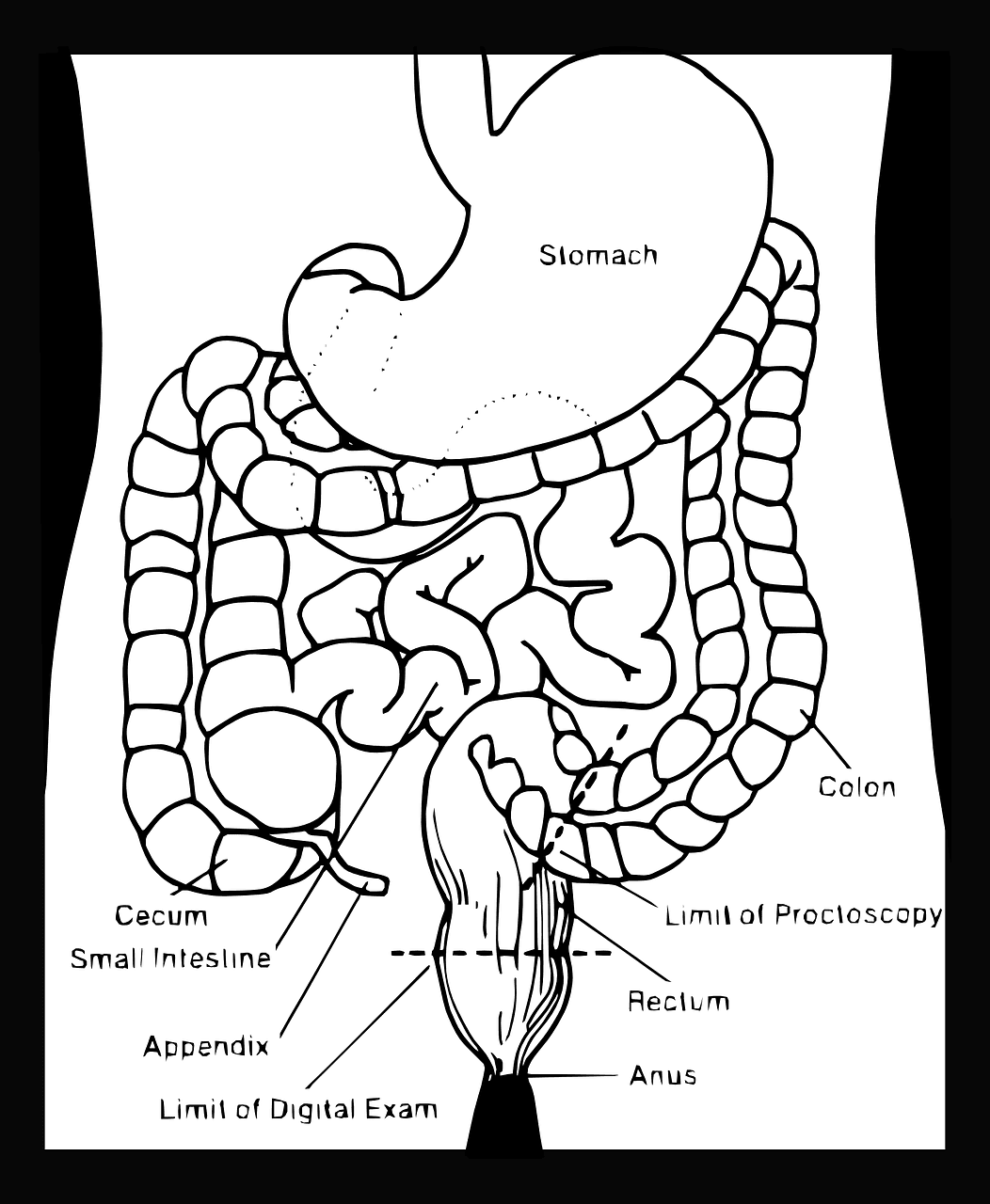
Before we dive into the best ways to improve digestion naturally, let’s first take a closer look at how the digestive system works. Our digestive system is a complex series of organs that work together to break down the food we eat into nutrients that can be absorbed and used by the body. When this process is disrupted or inefficient, it can lead to a variety of digestive issues such as bloating, gas, constipation, diarrhea, and more.
How Digestion Works
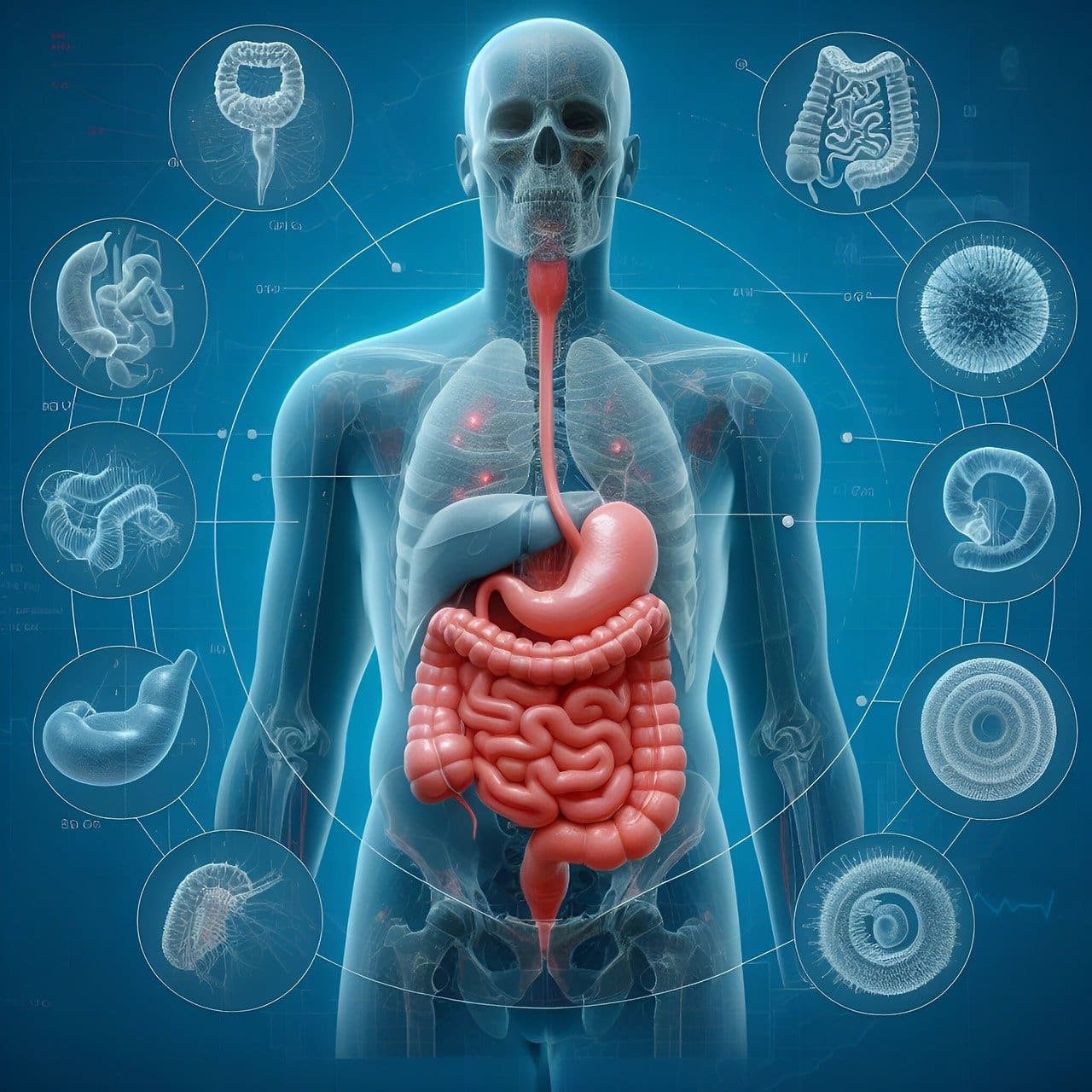
Digestion begins in the mouth, where enzymes in our saliva start breaking down food. From there, the food travels to the stomach, where it is further broken down by stomach acid. Next, the food moves to the small intestine, where nutrients are absorbed into the bloodstream. Finally, what is left of the food moves to the large intestine, where water is absorbed and waste is formed.
Best Ways To Improve Digestion Naturally
Now that we have a better understanding of how digestion works, let’s explore some of the best natural ways you can improve your digestion and reduce digestive issues. These methods are easy to incorporate into your daily routine and can have a significant impact on your digestive health.
Eat a Balanced Diet
One of the most important ways to improve digestion naturally is to eat a balanced diet. This means including a variety of fruits, vegetables, whole grains, and lean proteins in your meals. These foods are rich in nutrients and fiber, which can help promote healthy digestion and prevent constipation. Try to avoid processed foods, saturated fats, and sugars, as these can be difficult for the body to digest and may contribute to digestive issues.
Stay Hydrated
Drinking an adequate amount of water is essential for good digestion. Water helps to soften stool and prevent constipation, making it easier for waste to move through the digestive system. Aim to drink at least eight glasses of water a day, and more if you are exercising or in hot weather. Herbal teas and coconut water are also great options for staying hydrated and supporting digestion.
Chew Your Food Thoroughly
Chewing your food thoroughly is another simple way to improve digestion naturally. When you chew your food well, it breaks down into smaller pieces that are easier for your body to digest. This can help prevent indigestion, bloating, and gas. Try to chew each bite at least 10-15 times before swallowing, and take your time eating to give your body a chance to properly break down the food.
Eat Mindfully
Mindful eating is a practice that involves being present and focused while eating. This means paying attention to the taste, texture, and smell of your food, as well as how your body feels while eating. Eating mindfully can help you better tune into your body’s hunger and fullness cues, which can prevent overeating and promote healthy digestion. Try to eat without distractions, such as watching TV or scrolling on your phone, to fully experience your meals.
Manage Stress
Stress can have a significant impact on digestion, as it can slow down the digestive process and lead to symptoms like bloating, gas, and stomach pain. Finding ways to manage stress can help improve digestion naturally. Some effective stress management techniques include deep breathing, meditation, yoga, exercise, and spending time in nature. Find what works best for you and make it a regular part of your routine to support healthy digestion.
Get Regular Exercise
Regular exercise is not only good for your overall health, but it can also help improve digestion. Physical activity helps stimulate the muscles in the digestive tract, promoting the movement of food through the system. Aim to get at least 30 minutes of moderate exercise, such as walking, jogging, or cycling, most days of the week. Even a short walk after meals can help aid digestion and prevent bloating.
Include Probiotics in Your Diet
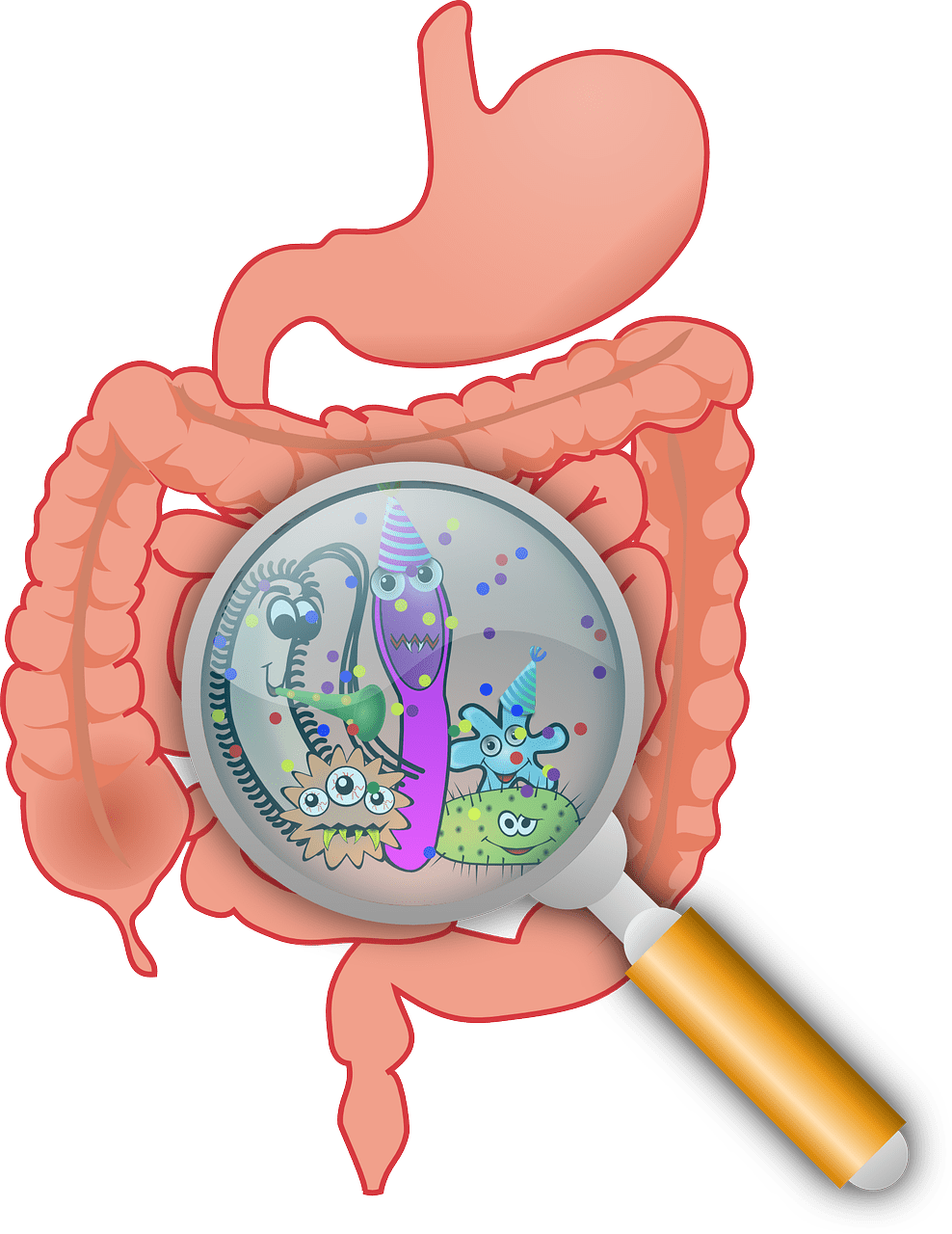
Probiotics are beneficial bacteria that can help promote a healthy balance of gut flora, which is essential for good digestion. You can find probiotics in fermented foods like yogurt, kefir, sauerkraut, kimchi, and miso. Including these foods in your diet can help improve digestion, reduce gas and bloating, and support overall gut health. You can also take a probiotic supplement if you prefer.
Add Digestive Enzymes
Digestive enzymes are proteins that help break down food into smaller molecules that the body can absorb. If you have trouble digesting certain foods, adding digestive enzyme supplements to your routine may help. Look for a supplement that contains a blend of enzymes like amylase, protease, and lipase, which can aid in the digestion of carbohydrates, proteins, and fats.
Try Herbal Remedies
There are several herbs and botanicals that have been used for centuries to support digestion and relieve digestive issues. Peppermint, ginger, chamomile, fennel, and licorice are just a few examples of herbs that can help soothe the digestive system and alleviate symptoms like bloating, gas, and indigestion. You can enjoy these herbs as teas, infusions, or supplements for their digestive benefits.
Limit Alcohol and Caffeine
Alcohol and caffeine can both have a negative impact on digestion, as they can irritate the stomach lining and affect the production of stomach acid. Limiting your intake of alcohol and caffeine can help improve digestion and reduce symptoms like heartburn and indigestion. If you do consume alcohol or caffeine, try to do so in moderation and pay attention to how your body reacts.
Practice Food Combining
Food combining is a dietary practice that involves eating certain foods together to promote better digestion. The idea behind food combining is that different foods require different enzymes to digest, and combining incompatible foods can lead to digestive issues. Some basic food combining principles include not combining proteins and carbohydrates in the same meal, eating fruit on an empty stomach, and avoiding combining starches and sugars.
Eat Smaller Meals
Eating large meals can put a strain on the digestive system and lead to symptoms like bloating, gas, and indigestion. Instead, try eating smaller, more frequent meals throughout the day to help support digestion. This can help prevent overeating, promote healthy blood sugar levels, and reduce the workload on the digestive tract. Listen to your body’s hunger and fullness cues to determine the right portion sizes for you.
Consider Food Intolerances
If you suspect that certain foods are causing digestive issues, you may have a food intolerance. Common food intolerances include lactose intolerance, gluten intolerance, and fructose malabsorption. Keeping a food diary can help you identify trigger foods and pinpoint which ones are causing digestive symptoms. Eliminating these foods from your diet or working with a healthcare provider to address food intolerances can help improve digestion.
Conclusion
Improving digestion naturally is possible with simple lifestyle changes and dietary adjustments. By incorporating these best practices into your daily routine, you can support a healthy digestive system and reduce common digestive issues. Remember to eat a balanced diet, stay hydrated, chew your food thoroughly, eat mindfully, manage stress, get regular exercise, include probiotics in your diet, add digestive enzymes, try herbal remedies, limit alcohol and caffeine, practice food combining, eat smaller meals, and consider food intolerances. Your digestive system will thank you for it!