
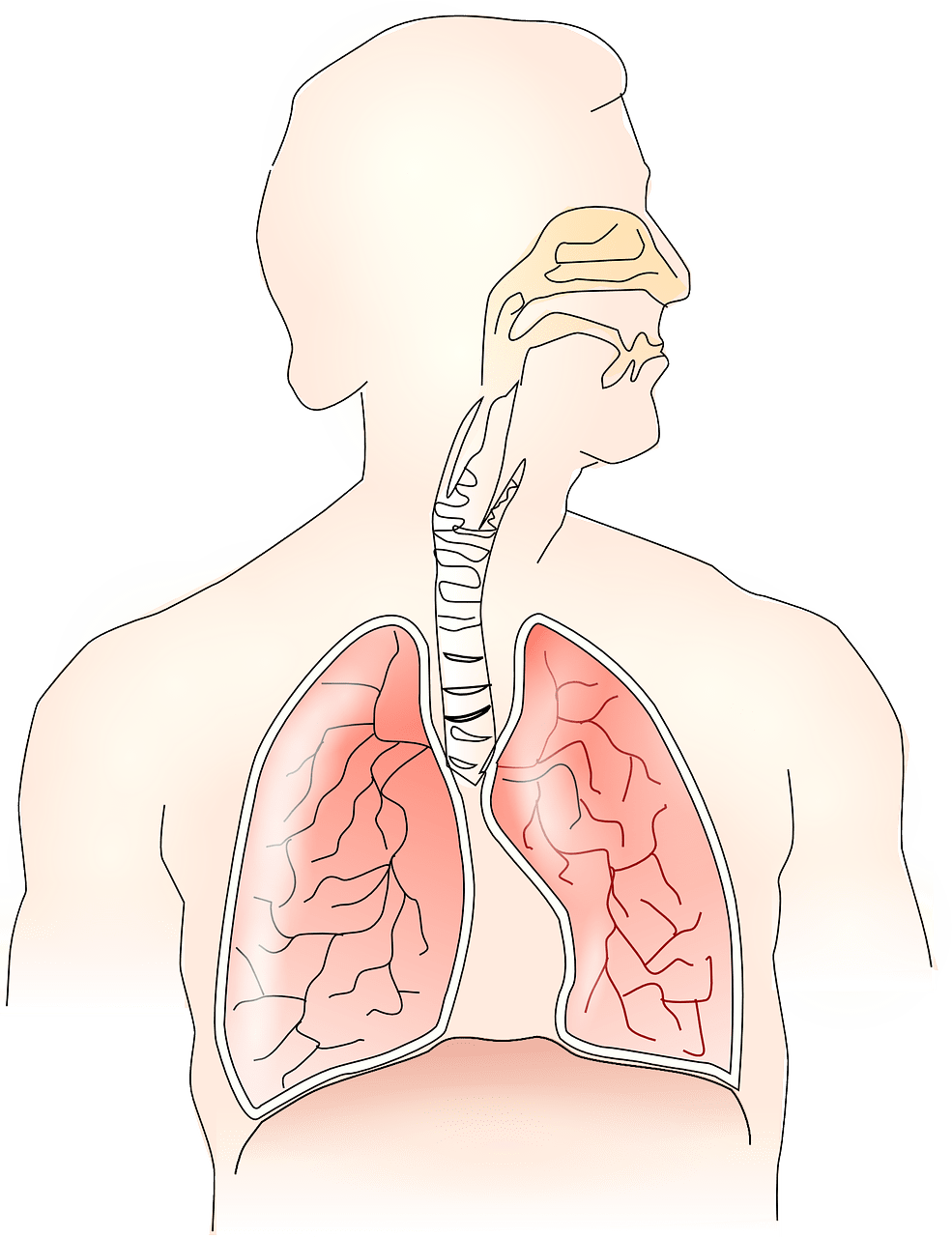
Are you looking for ways to naturally improve your respiratory health? Look no further! In this article, you will discover the best methods to enhance your lung function and overall respiratory well-being. From incorporating certain foods into your diet to practicing specific breathing exercises, these natural remedies will help you breathe easier and take control of your respiratory health. So, let’s take a deep breath and explore the best ways to improve your respiratory health naturally.

Regular Exercise
Regular exercise is crucial for maintaining good respiratory health. Aerobic exercises, such as brisk walking, cycling, or swimming, help improve lung capacity and strengthen the respiratory muscles. These exercises increase the flow of oxygen in your body, promote cardiovascular health, and enhance lung function. Strength training exercises, such as weightlifting or resistance training, also play a vital role in respiratory health by strengthening the muscles needed for proper breathing. Additionally, practicing activities like yoga and Tai Chi can improve respiratory function by promoting deep breathing, enhancing lung capacity, and reducing stress.
Maintaining a Healthy Diet
A healthy diet is essential for supporting respiratory health. Including antioxidant-rich foods, such as brightly colored fruits and vegetables, helps fight against free radicals and reduces inflammation in the airways. Foods high in omega-3 fatty acids, such as salmon, walnuts, and chia seeds, can help reduce inflammation and improve lung function. It is important to limit the consumption of processed foods, as they often contain additives and preservatives that may aggravate respiratory symptoms. Additionally, staying hydrated by drinking ample amounts of water helps keep the airways moist and supports proper lung function.
Avoiding Environmental Triggers
Exposure to environmental triggers can significantly impact respiratory health. Indoor air quality plays a crucial role, so it’s important to ensure proper ventilation in your home. Avoid using harsh chemical cleaners and opt for natural alternatives to maintain a clean indoor environment. Outdoor air pollution can also aggravate respiratory conditions, so it is advisable to avoid exercising or spending extended periods in heavily polluted areas. Quitting smoking and avoiding secondhand smoke is vital for respiratory health, as smoking damages the airways and increases the risk of developing respiratory diseases. Minimizing exposure to allergens and irritants, such as dust mites, pet dander, and pollen, can also help reduce respiratory symptoms.
Keeping a Clean and Dust-Free Home
Maintaining a clean and dust-free home is crucial for individuals with respiratory issues. Regular cleaning helps minimize the accumulation of dust, pet dander, and other allergens. Dust-proofing strategies, such as using allergen-proof covers for mattresses and pillows, can further reduce exposure to allergens. Opting for natural cleaning products instead of those containing harsh chemicals can also support respiratory health. Additionally, keeping indoor plants can improve air quality by naturally filtering and purifying the air.
Managing Stress
Stress can have negative effects on respiratory health, so it is important to manage stress effectively. Practicing relaxation techniques, such as deep breathing exercises or meditation, can help reduce stress levels and promote proper breathing. Engaging in stress-reducing activities, such as yoga or listening to calming music, can also support respiratory health. Maintaining a healthy work-life balance is crucial in managing stress, as excessive workload and long hours can contribute to respiratory problems. Seeking support from friends, family, or a support group can provide emotional support and help alleviate stress.
Maintaining a Healthy Weight
Maintaining a healthy weight is important for overall health, including respiratory health. A balanced diet, coupled with portion control, promotes a healthy weight and reduces the risk of respiratory conditions. Regular physical activity, such as aerobic exercises and strength training, not only helps maintain a healthy weight but also improves lung function. Crash diets or extreme weight loss methods should be avoided, as rapid weight loss can negatively impact respiratory health. Monitoring your body mass index (BMI) can help track your progress and ensure you maintain an appropriate weight for optimal respiratory function.

Getting Sufficient Sleep
Sufficient sleep is essential for overall health, and it plays a significant role in respiratory health as well. Establishing a sleep routine by going to bed and waking up at consistent times can help regulate your body’s internal clock and improve sleep quality. Creating a sleep-friendly environment, such as keeping the bedroom cool, dark, and quiet, can promote better sleep. Limiting caffeine intake, especially close to bedtime, can also improve sleep quality. Additionally, reducing or avoiding the use of electronic devices before bed can help relax the mind and promote better sleep. If you suspect you have a sleep disorder, it is crucial to seek treatment, as untreated sleep disorders can have a negative impact on respiratory health.
Using Essential Oils
Certain essential oils are known to have respiratory benefits and can be used as natural remedies. Eucalyptus oil has decongestant properties and can help relieve respiratory congestion and improve breathing. Peppermint oil can help soothe respiratory discomfort and reduce inflammation in the airways. Oregano oil has antimicrobial properties that can help fight respiratory infections. Tea tree oil has antibacterial and antiviral properties, making it beneficial for respiratory health. However, it is important to use essential oils with caution and follow proper guidelines for use, as they can be potent and may cause adverse reactions in some individuals.
Herbal Remedies
Herbal remedies have long been used to support respiratory health naturally. Licorice root, for example, has expectorant properties and can help soothe respiratory irritation and reduce coughing. Ginger has anti-inflammatory properties and can help relieve respiratory congestion and reduce inflammation in the airways. Echinacea is known for its immune-boosting properties, which can support respiratory health by helping the body fight off respiratory infections. Mullein has traditionally been used to relieve respiratory symptoms and promote lung health. It is important to consult with a healthcare professional or herbalist before using herbal remedies, as they may interact with certain medications or have contraindications for specific individuals.
Medical Check-ups and Vaccinations
Regular medical check-ups and staying up to date with vaccinations are essential for maintaining good respiratory health. Regular check-ups with a healthcare provider allow for early detection and management of any underlying respiratory conditions. Vaccinations, such as the influenza vaccine or pneumococcal vaccine, can help prevent respiratory infections and their associated complications. It is important to follow recommended screening guidelines, such as lung function tests or chest X-rays, to monitor respiratory health and detect any abnormalities. If you have an underlying respiratory condition, following the prescribed treatment plan and seeking prompt medical care for any worsening symptoms is crucial for maintaining respiratory health.
In conclusion, improving respiratory health naturally requires a comprehensive approach. Regular exercise, maintaining a healthy diet, avoiding environmental triggers, keeping a clean and dust-free home, managing stress, maintaining a healthy weight, getting sufficient sleep, using essential oils and herbal remedies, as well as regular medical check-ups and vaccinations, all contribute to optimal respiratory health. By incorporating these practices into your lifestyle, you can support your respiratory system and enjoy improved overall well-being. Remember to consult with a healthcare professional for personalized advice and guidance on improving your respiratory health.