When it comes to maintaining a healthy diet, incorporating the right kinds of fats is essential. Healthy fats not only provide essential nutrients, but they also help support various bodily functions. If you’re wondering how to introduce healthy fats into your daily meals, look no further. In this article, we will explore some of the best ways to incorporate healthy fats into your diet, so that you can enjoy a balanced and nourishing eating plan. So, let’s dive in and discover how to make your meals both delicious and nutritious!
Cook with Healthy Oils
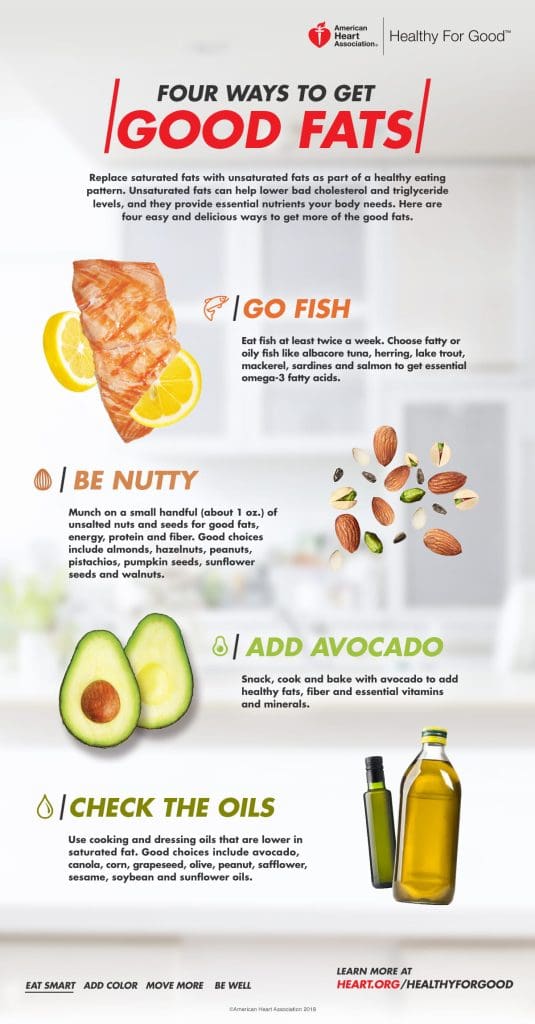
When it comes to cooking, using oils high in healthy fats can make a world of difference to your overall health. Instead of reaching for oils that are high in saturated fats, choose healthier alternatives. Olive oil, for example, is not only delicious but also a great option for both cooking and dressing. It is packed with heart-healthy monounsaturated fats, which can help reduce inflammation and improve your cholesterol levels. So, next time you’re planning to sauté some vegetables or whip up a salad dressing, reach for a bottle of extra virgin olive oil.
If you’re looking for an oil that can withstand higher temperatures without losing its nutritional value, avocado oil is the way to go. With a high smoke point, avocado oil is perfect for high-temperature cooking methods like grilling, roasting, and stir-frying. Plus, it has a mild flavor that won’t overpower the taste of your dishes. The rich content of monounsaturated fats in avocado oil offers numerous health benefits, including improved heart health and reduced inflammation. So, give avocado oil a try and elevate your cooking game to a whole new level.
When it comes to baking and cooking, coconut oil is a fantastic choice. With its tropical aroma and creamy texture, coconut oil can add depth and richness to your recipes. While it is high in saturated fats, coconut oil also contains medium-chain triglycerides (MCTs), which have been associated with various health benefits. These MCTs are known to boost metabolism, improve brain function, and even aid in weight loss. So don’t hesitate to incorporate coconut oil into your baking and cooking endeavors for both its flavor and potential health perks.
Include Fatty Fish in Your Meals
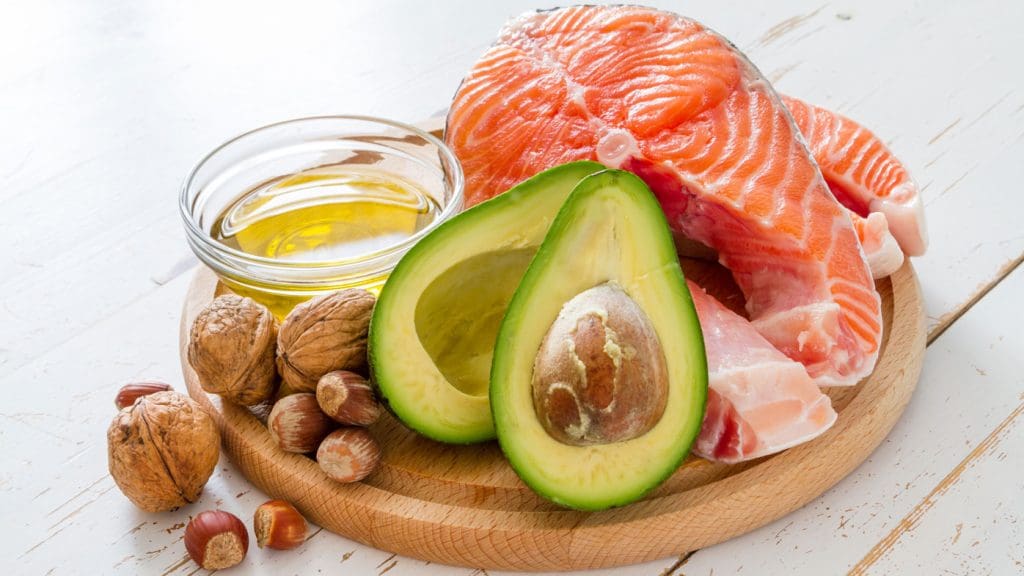
Incorporating fatty fish into your meals is another excellent way to add healthy fats to your diet. Fish such as salmon, sardines, and trout are rich in omega-3 fatty acids, which are essential for brain health, reducing inflammation, and supporting heart health. Grilling or baking these fish can preserve their nutritional value while enhancing their natural flavors. You can also get creative by making a delicious fish salad or sandwich with your favorite veggies and whole grain bread.
If you’re looking for a quick and easy way to boost the nutritional value of your pasta or stir-fry, add canned fish like tuna or salmon. Not only is canned fish convenient and budget-friendly, but it also provides an excellent source of protein, omega-3 fatty acids, and other important nutrients. So, whether you’re a seafood lover or someone who wants to venture into the world of fish, including fatty fish in your meals will benefit your overall health.
Snack on Nuts and Seeds
Nuts and seeds are not only convenient and delicious snacks but also excellent sources of healthy fats. When choosing nuts and seeds, opt for varieties that are rich in monounsaturated fats, such as almonds and walnuts. Enjoying a handful of these nuts as a snack can provide you with a satisfying crunch while delivering heart-healthy nutrients and various antioxidants. So, next time you feel the need for a quick pick-me-up, reach for a handful of almonds or walnuts and give your body a nutritious boost.
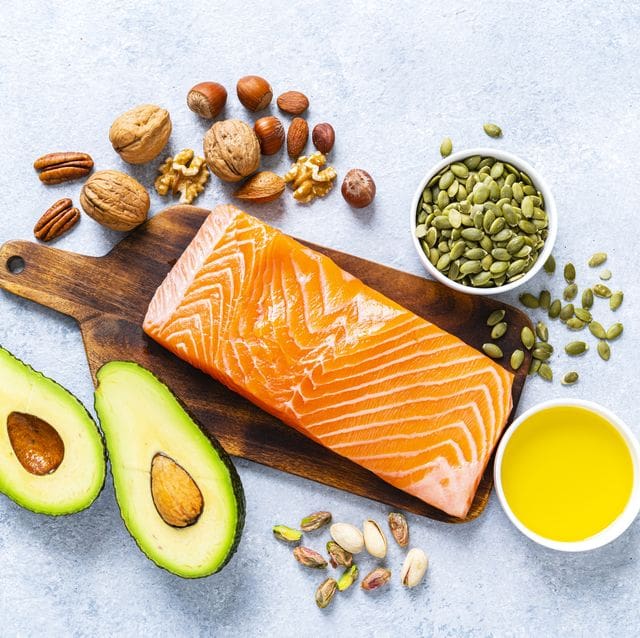
If you’re a fan of yogurt or smoothies, consider adding some chia or flax seeds to your daily routine. These tiny but mighty seeds are jam-packed with omega-3 fatty acids, fiber, and antioxidants. Sprinkling chia or flax seeds on top of your yogurt or blending them into your smoothies can add a delightful texture and a nutritional punch to your meals. The omega-3 fatty acids found in these seeds can help reduce inflammation, support brain health, and even enhance digestion. So, why not give your favorite yogurt or smoothie a healthy makeover with the addition of chia or flax seeds?
For those who prefer a mix of flavors and textures, making your own trail mix is a fantastic option. Combine a variety of nuts and seeds, such as almonds, cashews, sunflower seeds, and pumpkin seeds, for a delightful blend of healthy fats, protein, and fiber. You can customize your trail mix with a sprinkle of dried fruits or even some dark chocolate chips for a touch of sweetness. This versatile snack is not only great for satisfying your hunger but also convenient for on-the-go situations. Be sure to portion out your trail mix to avoid overindulging, as nuts and seeds are calorie-dense.
Add Avocado to Your Diet
Avocado has gained popularity in recent years due to its creamy texture and numerous health benefits. It is a fruit that is not only delicious but also packed with heart-healthy monounsaturated fats. There are countless ways to incorporate avocado into your diet. For a quick and satisfying breakfast, try avocado toast. Spread ripe avocado on whole grain toast and top it off with a sprinkle of salt, pepper, and your favorite toppings like sliced tomatoes or a poached egg.
If you’re looking to lighten up your salads, consider making a creamy avocado dressing. Simply blend together ripe avocado, a squeeze of lemon or lime juice, garlic, herbs, and a touch of olive oil until smooth and creamy. This homemade dressing is a fantastic alternative to store-bought options loaded with preservatives and unhealthy fats. You can also use it as a dip for fresh vegetables or as a flavorful spread for sandwiches.
For those who enjoy smoothies, blending avocado into your favorite concoction can add a creamy texture and a dose of healthy fats. Avocados are a great source of dietary fiber, vitamins, and minerals. They can help keep you satiated and provide sustained energy throughout the day. Try adding half an avocado to your smoothie for a nutrient-packed boost that will keep you feeling satisfied and nourished.
For baking enthusiasts, using avocado as a substitute for butter is a game-changer. Swap out butter for mashed avocado in your favorite baking recipes, such as muffins, brownies, or cookies. Not only does avocado add moisture and richness to your treats, but it also cuts back on saturated fats. Get creative in the kitchen and experiment with avocado as a healthier ingredient in your baked goods.
Include Nut Butter in Your Meals
Nut butters are a versatile and delicious way to incorporate healthy fats into your meals. When choosing nut butter, opt for natural varieties without added sugars or hydrogenated oils. Almond butter, for example, is a fantastic choice as it contains heart-healthy monounsaturated fats, vitamin E, and various minerals. Spread almond butter on whole wheat toast for a nutritious and satisfying breakfast or snack. The combination of healthy fats, fiber, and protein in almond butter will keep you feeling full and satisfied.
Peanut butter is another popular option that is loved by many. Look for peanut butter made from 100% peanuts without any added sugars or oils. Add a spoonful of peanut butter to your oatmeal or blend it into your smoothies for an extra creaminess and a dose of healthy fats. The rich taste and smooth texture of peanut butter make it a go-to option for many people. Just be mindful of portion sizes, as peanut butter is calorie-dense.
Cashew butter is a lesser-known option but equally delicious and nutritious. It has a creamy texture and a mild flavor, making it a versatile addition to your meals. Use cashew butter as a dip for fruits or vegetables for a nutrient-packed snack. You can also spread it on whole grain crackers or use it as a base for homemade sauces or dressings. Cashew butter contains healthy fats that can contribute to heart health and overall well-being.
Eat Whole Eggs
Contrary to popular belief, eggs are an incredibly nutritious food that can be enjoyed as part of a healthy diet. Including whole eggs in your breakfast can provide you with a good amount of healthy fats, protein, vitamins, and minerals. Don’t shy away from the yolk – it contains important nutrients like choline, vitamin D, and omega-3 fatty acids. Plus, the satisfying combination of protein and healthy fats in eggs can help keep you full and satisfied throughout the morning.
If you’re looking to pack some extra nutrients into your breakfast, try making a vegetable omelette. Whisk together whole eggs with your favorite vegetables, such as spinach, bell peppers, and mushrooms. Cook the mixture in a non-stick pan with a small amount of oil, such as olive oil, until the eggs are set and the vegetables are tender. This nutrient-rich omelette makes a delicious and filling meal to start your day off right.
Hard-boiled eggs are a quick and easy snack option that can be enjoyed anytime, anywhere. They are perfect for busy days when you need a convenient source of protein and healthy fats. Keep a couple of hard-boiled eggs in the fridge for a delicious and nutritious snack on the go. Feel free to sprinkle a pinch of salt and pepper or add a dollop of your favorite mustard or hot sauce for an extra kick.
If you’re a fan of salads, adding eggs to your greens can elevate the nutritional value of your meal. Hard-boiled eggs make a wonderful addition to salads, providing a boost of protein and healthy fats. Slice a hard-boiled egg and toss it over your salad for a satisfying and nourishing meal. The combination of greens, vegetables, and eggs will keep you energized and satisfied.
Use Full-Fat Dairy Products
While low-fat and fat-free dairy products have gained popularity, don’t be afraid to embrace full-fat options. By choosing full-fat milk, yogurt, and cheese, you can enjoy the benefits of healthy fats and a rich flavor profile. Full-fat dairy products are a great source of important nutrients like calcium, vitamins A and D, and protein.
Adding a splash of whole milk or cream to your coffee or tea can provide a creamy and satisfying beverage. The small indulgence of full-fat dairy can enhance the flavor of your hot drinks without compromising your health goals. Just remember to practice moderation and be mindful of portion sizes.
For a healthy and creamy base for dips or dressings, full-fat Greek yogurt is an excellent choice. It is thicker and richer compared to regular yogurt, making it perfect for creating delicious and nutrient-rich sauces. Try mixing Greek yogurt with herbs, spices, and a squeeze of lemon juice for a flavorful dip or dressing. Serve it with fresh vegetables, whole grain crackers, or use it as a topping for baked potatoes or grilled chicken.
If you’re a fan of cheese, opting for full-fat varieties can enhance both the taste and nutritional value of your meals. Enjoy a serving of full-fat cheese as a delicious snack or add it to your favorite dishes for an extra layer of flavor. Cheese is a great source of calcium, protein, and healthy fats, making it a versatile ingredient to have in your kitchen. Whether you prefer cheddar, mozzarella, or goat cheese, savoring a small portion of full-fat cheese can add a touch of indulgence to your meals.
Cook with Healthy Nut Oils
In addition to the previously mentioned cooking oils, there are other healthy nut oils that can add a unique flavor and nutritional benefits to your culinary creations. Macadamia nut oil, for example, has a rich, buttery flavor that can elevate both sweet and savory recipes. It has a high smoke point, making it suitable for cooking at higher temperatures. Drizzle macadamia nut oil over roasted vegetables, use it to pan-fry fish or chicken, or incorporate it into your homemade salad dressings for a nutty and luxurious touch.
Hazelnut oil is another delicious option that can bring depth and complexity to your salad dressings. With its rich and slightly nutty flavor, hazelnut oil adds a unique twist to everyday salads. Combine it with balsamic vinegar or lemon juice, season with salt and pepper, and whisk until well combined. This homemade hazelnut dressing will take your salads to a whole new level.
If you’re looking for a finishing touch to your dishes, pistachio oil is a fantastic choice. It has a distinctive, slightly sweet flavor that pairs well with both sweet and savory recipes. Drizzle pistachio oil over roasted vegetables, grilled meats, or even desserts like ice cream or fruit salads. The nutty aroma and delicate taste of pistachio oil can instantly enhance the overall dining experience.
Incorporating walnut oil into your baking and cooking can add a nutty and aromatic element to your dishes. It pairs especially well with desserts, such as cakes, cookies, and bread. You can also use it as a dressing for salads, as a finishing oil for soups, or even as a marinade for meats. Walnut oil is rich in omega-3 fatty acids, which have been associated with numerous health benefits. So, consider adding a bottle of walnut oil to your pantry and let its unique flavor and nutritional benefits shine in your culinary creations.
Include Chia Seeds in Your Diet
Chia seeds, often hailed as a superfood, are a fantastic addition to your diet. These tiny seeds are packed with omega-3 fatty acids, fiber, protein, and various minerals. Adding chia seeds to your meals can provide numerous health benefits, including improved digestion, increased satiety, and enhanced heart health.
One of the easiest ways to incorporate chia seeds into your diet is by adding them to your overnight oats or chia pudding. Simply mix together chia seeds, your choice of milk, a touch of sweetener, and any additional flavors or toppings you prefer. Allow the mixture to sit overnight, and voila! You’ll wake up to a delicious and nutritious breakfast or snack that you can grab and go.
If you’re craving a fruity spread that is healthy and homemade, chia seed jam is the answer. Blend your favorite fruits with a touch of sweetener, such as honey or maple syrup, and mix in chia seeds. Allow the mixture to thicken in the fridge, and you’ll have a delightful jam that’s packed with antioxidants, fiber, and healthy fats. Spread it on whole grain toast, swirl it into yogurt, or use it as a topping for pancakes or waffles.
For those who enjoy smoothies, blending chia seeds into your favorite blends can provide an extra nutritious punch. Chia seeds absorb liquid and create a gel-like consistency when soaked, which can add thickness and texture to your smoothies. Whether you’re a fan of green smoothies, fruity blends, or creamy chocolate shakes, adding a tablespoon or two of chia seeds can boost the nutritional content and help keep you feeling satiated.
If you’re looking for a plant-based egg substitute in your baking endeavors, chia seeds have got you covered. Simply mix together ground chia seeds with water and allow the mixture to sit for a few minutes. The result is a gel-like substance that can be used as an egg substitute in recipes like cakes, muffins, and cookies. This vegan-friendly alternative is a great way to add healthy fats, fiber, and omega-3 fatty acids to your baked goods.
Cook with Saturated Fats in Moderation
While it’s important to include healthy fats in your diet, it’s equally crucial to consume saturated fats in moderation. While saturated fats have been traditionally demonized, recent research has shown that they can be a part of a healthy diet when consumed in reasonable quantities.
When it comes to choosing meat, opt for lean cuts over fatty cuts. Trim any visible fat from your meat before cooking to reduce the overall saturated fat content. Consider baking, grilling, or broiling your meats instead of frying them in oil to minimize additional saturated fats. Remember to practice proper portion control and balance your meals with plenty of vegetables and whole grains to create a well-rounded and nutritious plate.
While saturated fats like butter and coconut oil can add flavor to your dishes, it’s best to use them sparingly. These fats are high in calories and can contribute to weight gain and negative cardiovascular effects when consumed in excess. Instead, focus on using healthier cooking oils like olive oil and avocado oil for your daily cooking needs. Reserve the use of saturated fats for special occasions and enjoy them in moderation.
Incorporating healthy fats into your diet can be both delicious and beneficial for your overall health. From choosing oils high in healthy fats to including fatty fish, nuts, and seeds in your meals, there are numerous ways you can elevate your culinary adventures. Don’t forget to experiment with avocado, nut butters, eggs, and dairy products to enjoy a wide variety of healthy fats in your diet. Lastly, when it comes to cooking with oils, opt for healthy nut oils and be mindful of your consumption of saturated fats. By incorporating these tips and tricks, you can nourish your body and indulge in the goodness of healthy fats.