
Would you like to enjoy more vegetables in your daily meals and reap the numerous health benefits they offer? Look no further! In this article, we will explore some fantastic and practical ways for you to incorporate more vegetables into your diet. From tasty and colorful salads to flavorful vegetable stir-fries, we’ll provide you with inspiring ideas that will make veggies the star of your plate. With these simple tips, you’ll soon be on your way to a more nutritious and delicious diet. So why wait? Let’s dive right in and discover the best ways to boost your vegetable intake today!
Add Vegetables to Your Morning Routine
Start Your Day with a Vegetable Smoothie
Incorporating vegetables into your morning routine is a great way to kick-start your day with a nutritious and energizing boost. One of the easiest and most delicious ways to do this is by starting your day with a vegetable smoothie. Simply blend together your favorite veggies, such as spinach, kale, cucumber, or carrots, with some fruits like banana, berries, or pineapple, and a liquid of your choice, such as almond milk, coconut water, or plain water. This refreshing and nutrient-packed smoothie will not only provide you with a significant portion of your daily vegetable intake but also keep you hydrated and satisfied until your next meal.
Include Vegetables in Your Omelette or Scrambled Eggs
If you prefer a savory breakfast, adding vegetables to your omelette or scrambled eggs is a fantastic way to incorporate more veggies into your morning routine. Chop up some bell peppers, onions, mushrooms, or any other vegetables you enjoy, and sauté them in a little olive oil or butter before adding them to your eggs. Not only will this add flavor and texture to your eggs, but it will also provide you with a healthy dose of essential nutrients and fiber.
Top Your Toast with Sautéed Vegetables
Toast is a popular breakfast choice for many, but it doesn’t have to be boring or lacking in vegetables. Instead of just spreading butter or jam on your toast, try topping it with sautéed vegetables. Sauté some zucchini, cherry tomatoes, spinach, or any other veggies you like in a pan with some olive oil and seasonings like garlic, salt, and pepper. Then, pile these deliciously cooked vegetables on top of your toast for a breakfast that is not only flavorful but also packed with vitamins, minerals, and antioxidants.
Pack Your Lunch with Vegetables
Opt for Salad as Your Main Course
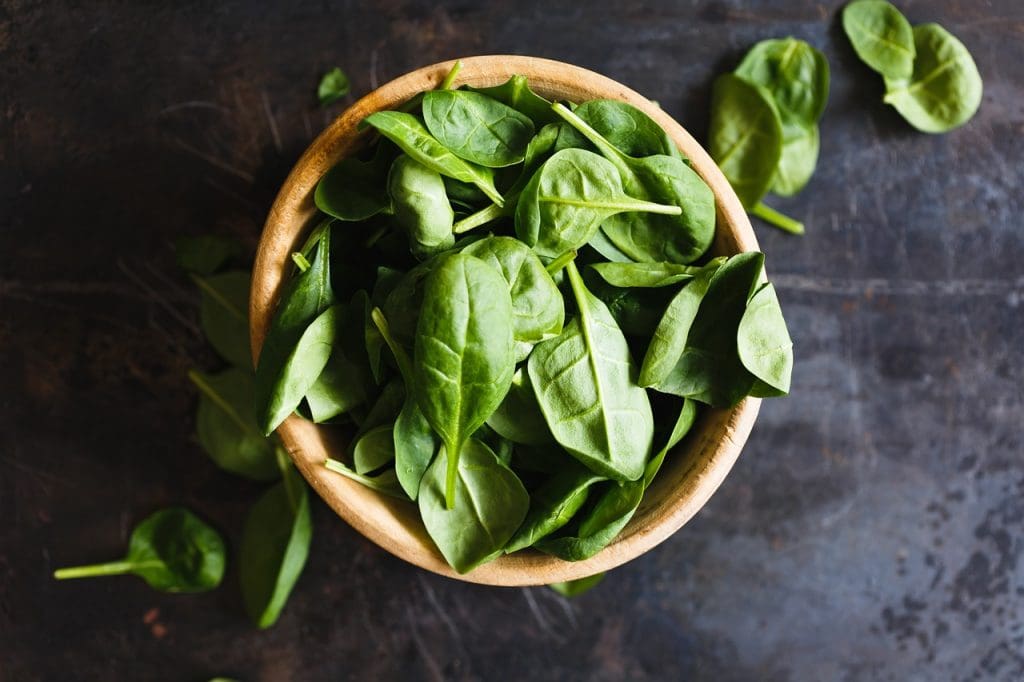
When it comes to packing a healthy and vegetable-rich lunch, salads are an obvious choice. Not only are they incredibly versatile and customizable, but they also allow you to incorporate a wide variety of vegetables into your meal. Start with a base of leafy greens, such as spinach, kale, or mixed greens, and then add an array of colorful veggies, like cherry tomatoes, cucumbers, bell peppers, carrots, and radishes. For added protein and flavor, top your salad with grilled chicken, tofu, chickpeas, or a sprinkle of feta cheese. Finally, drizzle your salad with a homemade dressing made from olive oil, lemon juice, vinegar, and your favorite herbs and spices.
Load Up Sandwiches with Fresh Vegetables
Sandwiches are a convenient and portable lunch option, and they can also be an excellent vehicle for incorporating more vegetables into your diet. Instead of just using the usual fillings like meat, cheese, and condiments, load up your sandwiches with an assortment of fresh vegetables. Add lettuce, tomato, cucumber, sprouts, avocados, or pickles to add a crunch and a burst of flavor. You can also experiment with different spreads and sauces like hummus, pesto, or roasted red pepper spread to enhance the taste of your veggie-packed sandwich.
Prepare Vegetable Wraps or Lettuce Wraps
If you’re looking for a lighter and lower-carb option for your lunch, vegetable wraps or lettuce wraps are a fantastic choice. Instead of using traditional tortilla wraps, opt for large lettuce leaves or collard greens to wrap your filling. Fill your wraps with an array of colorful grilled or roasted vegetables, such as zucchini, eggplant, bell peppers, and mushrooms. You can also add some protein-rich options like grilled chicken, tofu, or beans. Roll them up tightly and secure with toothpicks, and you’ll have a delicious and nutritious lunch that is both satisfying and full of wholesome goodness.
Enhance Your Dinner with Vegetables
Use Vegetables as a Base for Pasta or Rice Dishes
When it comes to dinner, incorporating vegetables into your meals can bring a burst of flavor and color to your plate. Instead of solely relying on pasta or rice as your main dish, try using vegetables as a base for your meals. Spiralize zucchini or use spaghetti squash as a healthy alternative to traditional noodles. Sauté bell peppers, onions, and mushrooms to create a flavorful bed for your stir-fried tofu or shrimp. By using vegetables as a base, you not only increase your vegetable intake but also reduce your consumption of refined grains, resulting in a more balanced and nutritious meal.
Swap Out Pasta with Spiralized Vegetables
If you’re a pasta lover but want to reduce your carb intake or increase your vegetable consumption, spiralized vegetables are an excellent substitute. Invest in a spiralizer, and you can transform zucchini, sweet potatoes, butternut squash, or carrots into long, noodle-like strands. These vegetable noodles can be used in place of traditional pasta in your favorite dishes such as spaghetti, pad thai, or even macaroni and cheese. Not only does this swap add more nutrients and fiber to your meal, but it also makes it more colorful, vibrant, and visually appealing.
Make Vegetable Stir-Fries
Stir-fries are a quick, easy, and versatile way to incorporate an abundance of vegetables into your dinner routine. Simply heat up a bit of oil in a pan or wok, add your favorite vegetables like broccoli, snow peas, carrots, and bell peppers, and stir-fry them until they are crisp-tender. You can also add some protein sources like tofu, shrimp, or thinly sliced chicken or beef. For added flavor, finish off your stir-fry with a delicious sauce made from soy sauce, garlic, ginger, and a touch of honey or a squeeze of lime. Serve your vegetable stir-fry over a bed of steamed rice or noodles, and enjoy a nutritious and satisfying dinner packed with a rainbow of veggies.
Experiment with Vegetable Snacks
Bake or Roast Vegetable Chips
When you’re in need of a crunchy and satisfying snack, instead of reaching for the usual bag of potato chips, why not make your own vegetable chips? Thinly slice vegetables like sweet potatoes, kale, beetroot, or zucchini and toss them in a little olive oil, salt, and any other seasonings you like. Spread them out in a single layer on a baking sheet and bake them in the oven until they are crispy and golden. These homemade vegetable chips are not only a healthier alternative to store-bought snacks but also a great way to enjoy the natural flavors and textures of various vegetables.
Prepare Fresh Veggie Salsa with Whole Grain Crackers
Salsa is a delicious and versatile snack that can be made with an array of fresh vegetables. Combine diced tomatoes, onions, peppers, corn, beans, and any other veggies you love with some lime juice, cilantro, and seasonings like cumin, garlic, and chili powder. Mix everything together and serve with whole grain crackers for a satisfying and nutritious snack. The combination of crunchy veggies and zesty flavors will not only satisfy your snacking cravings but also provide you with a healthy dose of vitamins, minerals, and fiber.
Make Vegetable Sticks with Healthy Dips
Vegetable sticks with healthy dips are a classic snack that never gets old. Chop up an array of colorful veggies like carrots, cucumbers, bell peppers, celery, and cherry tomatoes into sticks or bite-sized pieces. Pair them with delicious and nutritious dips like hummus, guacamole, tzatziki, or Greek yogurt-based dressings. These vegetable sticks not only provide you with a satisfying crunch but also a multitude of vitamins, minerals, and antioxidants. It’s a snack that is both enjoyable and beneficial for your health.
Sneak Vegetables into Your Favorite Meals
Add Grated or Pureed Vegetables to Pasta Sauces
If you have picky eaters or simply want to increase your vegetable intake without sacrificing flavor, adding grated or pureed vegetables to pasta sauces is a genius cooking hack. Grate or finely chop vegetables like zucchini, carrots, onions, or mushrooms and sauté them with garlic and olive oil before adding your favorite jarred or homemade pasta sauce. As the vegetables cook down, they blend seamlessly into the sauce, adding extra nutrients, fiber, and taste without anyone even noticing.
Mix Vegetables into Meatballs or Meatloaf
Meatballs and meatloaf are quintessential comfort foods enjoyed by many. To make them even more nutritious and flavorful, mix in finely chopped or grated vegetables into the meat mixture. Carrots, onions, bell peppers, and zucchini are great options to incorporate into your meatballs or meatloaf. The added vegetables not only enhance the taste and texture but also provide extra moisture and nutrients. It’s a clever way to enjoy your favorite dishes while sneaking in some hidden veggies.
Top Pizzas with an Array of Vegetables
Pizza is a beloved food that can be customized to suit your taste. Instead of loading up your pizza with only cheese and meat, make vegetables the star by topping your pizza with an array of colorful veggies. Thinly slice vegetables like bell peppers, tomatoes, onions, mushrooms, spinach, or zucchini, and scatter them over your pizza crust. Sprinkle some cheese on top and bake until the crust is golden and the cheese is bubbly. Not only does this result in a visually appealing and delicious pizza, but it also provides you with a healthy dose of vitamins, minerals, and antioxidants.
Try Vegetable Substitutes
Replace Taco Shells with Lettuce Wraps
If you’re looking to cut down on refined carbohydrates or simply want a lighter and healthier alternative, replace taco shells with lettuce wraps. Lettuce leaves, such as romaine or butterhead lettuce, can be used to wrap your favorite taco fillings such as seasoned ground beef, chicken, or shrimp, along with salsa, guacamole, and other toppings. The crispiness of the lettuce and the combination of flavors provide a refreshing twist to traditional tacos while adding a generous serving of vegetables to your meal.
Use Cauliflower Rice Instead of White Rice
Cauliflower rice has gained popularity as a low-carb and nutrient-rich alternative to traditional white rice. Easily made by pulsing cauliflower florets in a food processor until they resemble rice grains, cauliflower rice can be used as a substitute in various dishes. Whether you’re making fried rice, stir-fries, or even risotto, replacing white rice with cauliflower rice not only reduces the calorie and carb content of your meal but also boosts your vegetable intake. It provides a similar texture and can be seasoned to taste just like regular rice.
Make Zucchini Noodles as a Pasta Replacement
Zucchini noodles, also known as zoodles, are a fantastic and gluten-free substitute for traditional pasta. Using a spiralizer or a vegetable peeler, zucchini can be transformed into long, noodle-like strands that can be used in any pasta recipe. Whether you’re making spaghetti with marinara sauce, pad thai, or pesto pasta, zucchini noodles serve as a lighter and more nutritious alternative. They not only increase your vegetable intake but also add more fiber, vitamins, and minerals to your meal.
Make Vegetables The Star of Your Side Dishes
Roast or Grill Vegetables for a Flavorful Side
Vegetables can take center stage as a flavorful side dish when roasted or grilled. Toss vegetables like asparagus, Brussels sprouts, carrots, or bell peppers with olive oil, salt, and pepper, then roast them in the oven until they are caramelized and tender. Alternatively, you can also grill them on the barbecue for a smoky and charred flavor. Roasting or grilling brings out the natural sweetness of vegetables and provides a depth of flavor that will make them stand out on your dinner table.
Prepare Vegetable Medleys with Herbs and Spices
Vegetable medleys are an excellent way to combine a variety of vegetables into one dish, creating a colorful and flavorful side. Sauté a mix of your favorite vegetables, such as zucchini, bell peppers, onions, and carrots, with some olive oil or butter. Sprinkle them with herbs like thyme, rosemary, or oregano, along with some garlic, salt, and pepper for a burst of flavor. Whether you choose to cook them on the stovetop, in the oven, or on the grill, vegetable medleys are a versatile and delicious side dish that will leave you wanting more.
Try Unique Vegetable Salads
Salads don’t have to be boring or predictable. By incorporating unique vegetables and creative combinations, you can create salads that are not only visually appealing but also bursting with flavor. Experiment with different vegetables like roasted beets, grilled eggplant, shaved fennel, or watercress. Combine these vegetables with contrasting textures like crispy nuts, creamy cheeses, or juicy fruits. Toss them in a homemade vinaigrette, and you’ll have a fascinating and delightful salad that takes center stage on any dinner plate.
Explore International Cuisine for Vegetable Inspiration
Enjoy Mediterranean Salads with Fresh Vegetables
Mediterranean cuisine is famous for its emphasis on fresh and vibrant vegetables. Take inspiration from this region and enjoy salads that are both healthy and delicious. Combine a variety of vegetables like ripe tomatoes, crisp cucumbers, tangy olives, briny feta cheese, and aromatic herbs like oregano and basil. Drizzle with extra virgin olive oil and a squeeze of lemon juice for a taste that is reminiscent of the Mediterranean coast. These salads not only provide a plethora of nutrients but also transport you to a sunny and refreshing culinary experience.
Try Asian Stir-Fried Vegetables with Unique Sauces
Asian cuisine is known for its bold flavors and abundant use of vegetables. Stir-frying is a popular cooking technique that allows the vegetables to retain their crunch and color while being infused with delectable sauces. Experiment with a mix of Asian vegetables, such as bok choy, snow peas, baby corn, and water chestnuts. Combine them with garlic, ginger, and soy sauce, or other Asian-inspired sauces like teriyaki or hoisin. The result is a stir-fry bursting with umami flavors and a rainbow of vegetables that will satisfy your taste buds and nourish your body.
Experiment with Mexican Vegetable-based Dishes
Mexican cuisine is rich in both flavor and variety, making it an excellent source of inspiration for vegetable-based dishes. From hearty bean and corn salads to fresh avocado and tomato salsa, Mexican cuisine offers a multitude of options to showcase vegetables. Create colorful salsas using ripe tomatoes, onions, jalapeños, and fresh cilantro. Mix grilled vegetables like bell peppers, zucchini, and onions with flavorful spices like cumin, chili powder, and smoked paprika. Wrap up your favorite vegetables in soft tortillas or serve them alongside crispy tortilla chips for a satisfying and healthy Mexican feast.
Grow Your Own Vegetables
Create a Vegetable Garden at Home
Growing your own vegetables is not only a rewarding experience but also a fantastic way to ensure a continuous supply of fresh and organic produce. If you have outdoor space available, consider creating a vegetable garden in your backyard. Start small by growing herbs like basil, mint, or rosemary in pots or planters. Then, gradually expand to include vegetables like tomatoes, lettuce, peppers, or cucumbers. With some basic gardening tools, good soil, and regular care, you can enjoy the satisfaction of harvesting your own homegrown vegetables, knowing exactly where they came from and how they were grown.
Participate in Community Gardening
If you don’t have the space or resources to create your own vegetable garden, consider participating in community gardening. Many communities have communal garden plots or initiatives where individuals can come together to share the responsibilities and rewards of gardening. Not only does this provide access to gardening space, tools, and resources, but it also fosters a sense of community and camaraderie. By participating in community gardening, you can learn from experienced gardeners, share knowledge and advice, and enjoy the benefits of fresh, locally grown vegetables.
Join a CSA (Community Supported Agriculture)
Another way to ensure a regular supply of fresh and seasonal vegetables is by joining a Community Supported Agriculture (CSA) program. CSA programs allow consumers to directly support local farmers by purchasing a share of their farm’s produce in advance. In return, you receive a box or bag of fresh vegetables (and sometimes fruits or other farm products) on a regular basis throughout the growing season. Not only does this support local agriculture, but it also provides you with a diverse selection of vegetables that are locally grown and harvested at their peak freshness and flavor.
Make Vegetables the Focus of Your Meal Planning
Plan Your Meals Around Vegetables
To truly incorporate more vegetables into your diet, it’s essential to make them the focus of your meal planning. When planning your meals for the week, start by choosing a variety of vegetables that you want to incorporate into your meals. Then, build your meals around these vegetables, making them the star of the dish and ensuring that they play a prominent role in every meal. By doing this, you’ll not only increase your vegetable intake but also create meals that are vibrant, nutritious, and satisfying.
Include Vegetables in Your Weekly Shopping List
To ensure that you always have a variety of vegetables on hand, include them in your weekly shopping list. Make a habit of visiting the produce section of your grocery store or local farmers market and stocking up on a variety of fresh vegetables. Choose seasonal options, as they tend to be fresher and more flavorful. By having a well-stocked supply of vegetables, you’ll be more inclined to incorporate them into your meals, and you’ll always have nutritious options available for snacking or cooking.
Prep and Store Vegetables for Easy Access
To make it easier to incorporate vegetables into your meals, take the time to prep and store them for easy access. Wash, peel, and chop vegetables in advance, and portion them into containers or zip-top bags. This way, when you’re ready to cook or snack, the vegetables are already prepared and ready to go. Having prepped vegetables on hand not only saves you time in the kitchen but also makes it more convenient to add them to any meal. Whether you’re adding them to soups, stir-fries, or simply enjoying them as a crunchy snack, prepping and storing vegetables in advance ensures that they are always within reach.
Incorporating more vegetables into your daily routine may seem daunting at first, but with a little planning, creativity, and experimentation, it can become second nature. From incorporating vegetables into every meal of the day to trying new vegetable-based substitutes and exploring international cuisines, the possibilities are endless. So why not take the first step today and make vegetables the star of your next meal? Your body will thank you for the nutritious boost, and your taste buds will thank you for the explosion of flavors and textures.