
If you want to improve your flexibility and increase your mobility, look no further. This article will guide you through the best ways to achieve these goals, helping you move more freely and comfortably. Whether you’re an athlete, a fitness enthusiast, or simply someone looking to enhance their overall wellness, these techniques and exercises will help you unlock your body’s full potential. So get ready to stretch, move, and feel better than ever before.
Stretching exercises
Stretching exercises are crucial for improving your flexibility and mobility. They help to loosen up muscles, increase joint range of motion, and prevent injuries. There are several types of stretching exercises that you can incorporate into your fitness routine.
Static stretching
Static stretching involves holding a stretch for an extended period, usually around 30 seconds, without moving. This type of stretching helps to relax and lengthen your muscles. It is most effective after exercising or as a standalone activity when your muscles are warm. Some common static stretches include hamstring stretches, calf stretches, and shoulder stretches.
Dynamic stretching
In contrast to static stretching, dynamic stretching involves moving your joints and muscles through a full range of motion. This type of stretching is excellent for warming up your body and increasing blood flow to your muscles. It is especially beneficial before any physical activity or workout. Examples of dynamic stretches include high knees, arm circles, and walking lunges.
Active stretching
Active stretching requires you to use your muscles to stretch themselves. It involves holding a position or moving into a stretch using only the strength of your muscles without assistance from external forces. Active stretching helps to improve muscle strength and control. Examples of active stretches include leg swings, arm swings, and trunk rotations.
Passive stretching
In passive stretching, you rely on external assistance or props to stretch your muscles. This can involve using your body weight, a partner, or tools like resistance bands or gravity to enhance the stretch. Passive stretching helps to increase flexibility by allowing your muscles to stretch beyond their natural limits. Examples of passive stretching include partner-assisted stretches and using a strap to stretch your hamstrings.
PNF stretching
PNF (Proprioceptive Neuromuscular Facilitation) stretching combines passive stretching with isometric contractions and passive stretching again. This technique is widely used for increasing flexibility and range of motion, particularly among athletes and those in rehabilitation programs. PNF stretching involves stretching a muscle, contracting it isometrically for a few seconds, and then stretching it again. It is highly effective for improving flexibility but should be done with caution to avoid overstretching.
Yoga
Yoga is a holistic practice that combines physical poses, breathing exercises, and meditation to enhance flexibility, strength, and mental well-being. It offers numerous benefits for mobility and flexibility enhancement.
Sun Salutation
Sun Salutation, also known as Surya Namaskar, is a series of yoga poses performed in a flowing sequence. It helps to warm up your body, stretch your muscles, and increase your overall flexibility. Sun Salutation is an excellent way to start your yoga practice or any exercise routine.
Standing poses
Standing poses in yoga focus on grounding your body and increasing strength and flexibility in your legs, hips, and core muscles. They help to improve balance and stability while also stretching and strengthening various muscle groups. Common standing poses include Warrior I and II, Tree pose, and Crescent lunge.
Seated poses
Seated poses in yoga target flexibility in the hips, hamstrings, and lower back. They are great for improving posture, increasing hip mobility, and releasing tension in the lower body. Popular seated poses include Seated Forward Fold, Butterfly pose, and Half Lord of the Fishes pose.
Twisting poses
Twisting poses in yoga provide a gentle yet effective way to increase spinal mobility, improve digestion, and release tension in the back muscles. These poses offer a deep stretch to the muscles along the sides of your body and help to enhance flexibility and range of motion. Examples of twisting poses include Revolved Triangle pose, Revolved Chair pose, and Marichyasana twist.
Balancing poses
Balancing poses in yoga challenge your stability and enhance focus and concentration. They also work on improving core strength and proprioception while stretching different muscle groups. Balancing poses often require coordination and engage both physical and mental aspects of wellness. Some popular balancing poses include Tree pose, Eagle pose, and Dancer pose.
Pilates
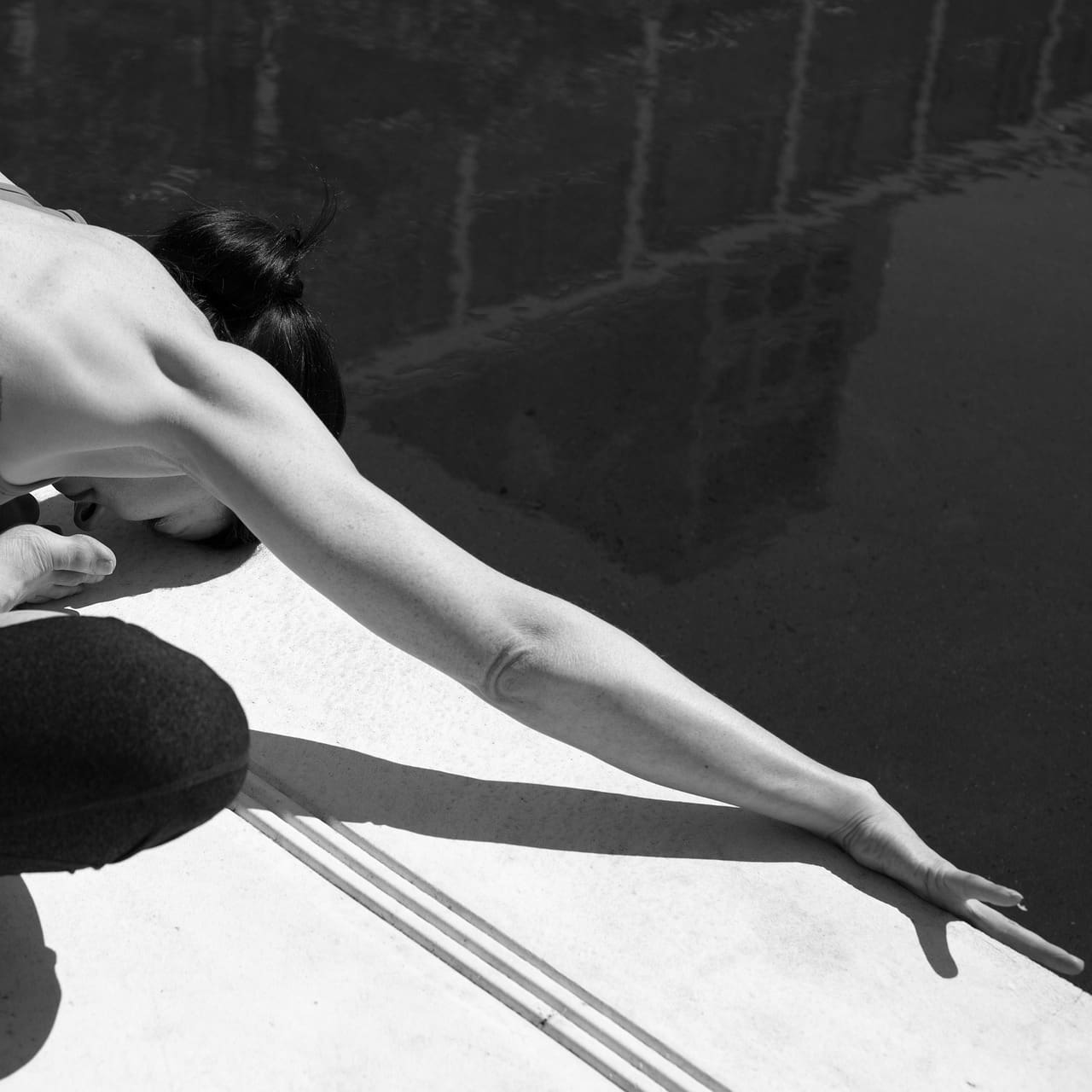
Pilates is a low-impact exercise method that focuses on improving strength, flexibility, and body awareness. It emphasizes core stability, proper alignment, and controlled movement. Pilates offers various exercises to enhance flexibility and mobility.
Mat exercises
Mat exercises in Pilates are performed on the floor using your body weight as resistance. These exercises target multiple muscle groups and improve flexibility, strength, and control. From leg circles to spine stretches, the mat exercises in Pilates help to stretch and engage the entire body.
Reformer exercises
Reformer exercises in Pilates are performed on a specialized machine called a reformer. This equipment uses springs and ropes to provide resistance and support while you perform different exercises. The reformer allows for a wider range of motion and can be used to both stretch and strengthen the muscles.
Cadillac exercises
Cadillac exercises in Pilates utilize a large apparatus called the Cadillac or Trapeze Table. It offers a versatile platform for stretching, strengthening, and mobilizing the body. The Cadillac exercises often involve hanging from bars, using straps, and performing movements against the resistance of springs.
Chair exercises
Chair exercises in Pilates use a small piece of equipment known as the Pilates Chair. This portable and compact tool allows for a wide range of exercises that target the entire body, including exercises to increase flexibility. The chair exercises challenge stability and offer the unique opportunity to work on mobility and strength simultaneously.
Barrel exercises
Barrel exercises in Pilates use specialized equipment such as the Pilates Barrel or Spine Corrector. These curved and padded devices assist in improving posture, spinal mobility, and flexibility. The barrel exercises provide support for stretching and strengthening the back, chest, and hips.
Foam rolling
Foam rolling is a form of self-myofascial release that uses a foam roller to apply pressure to certain areas of the body. It helps to break up adhesions and knots in the muscles, release tension, and improve mobility.
Upper body rolling
Upper body rolling using a foam roller can help to relieve tightness in the shoulders, upper back, and chest muscles. By rolling along these areas, you can release muscle tension, improve posture, and enhance flexibility in the upper body.
Lower body rolling
Lower body rolling with a foam roller targets muscles such as the quadriceps, hamstrings, calves, and IT band. It helps to alleviate muscle soreness, increase blood flow, and improve range of motion in the lower body. Regular foam rolling of the lower body can also aid in preventing injuries and improving overall athletic performance.
Back rolling
Back rolling with a foam roller focuses on releasing tension and tightness in the muscles along the spine. By gently rolling along the back, you can promote relaxation, reduce muscle stiffness, and increase mobility in the back muscles.
IT band rolling
IT band rolling is specifically aimed at the iliotibial (IT) band, a long band of connective tissue that runs from the hip to the knee. Rolling the IT band with a foam roller can help to alleviate tightness, reduce inflammation, and improve flexibility in this area.
Trigger point release
Foam rolling can also be used for trigger point release, targeting specific areas of muscle tightness or knots. By applying sustained pressure to these areas with the foam roller, you can help to release tension, improve circulation, and enhance mobility.

Massage therapy
Massage therapy is a hands-on approach that involves manipulating the soft tissues of the body to promote relaxation, reduce muscle tension, and improve flexibility and mobility.
Swedish massage
Swedish massage is one of the most commonly practiced forms of massage therapy. It involves long, gliding strokes, kneading, and circular movements to promote relaxation and reduce muscle tension. Swedish massage can also help to increase blood flow and improve flexibility.
Deep tissue massage
Deep tissue massage targets the deeper layers of muscle and connective tissue. It uses slow, firm, and focused pressure to release chronic muscle tension and adhesions. Deep tissue massage can help to improve flexibility by breaking down scar tissue and increasing mobility in the muscles and joints.
Sports massage
Sports massage is specifically designed for athletes and active individuals. It combines various massage techniques to enhance athletic performance, prevent injuries, and promote recovery. Sports massage can increase flexibility and mobility by stretching and lengthening tight muscles.
Thai massage
Thai massage is a unique form of massage that combines yoga-like stretching, acupressure, and deep compression to promote balance and flexibility. It involves passive stretching and manipulation of the body to release tension and improve mobility. Thai massage can enhance flexibility by targeting specific muscle groups and opening up energy pathways.
Myofascial release
Myofascial release is a specialized technique that focuses on releasing tension in the connective tissue (fascia) that surrounds muscles, bones, and joints. It involves applying sustained pressure to specific areas to eliminate restrictions and improve mobility. Myofascial release can help to increase flexibility by relieving tightness and restoring optimal movement patterns.
Strength training
Strength training not only helps to build muscular strength and endurance but also plays a significant role in enhancing flexibility and mobility. By incorporating specific exercises into your strength training routine, you can maximize your range of motion and joint flexibility.
Compound exercises
Compound exercises involve multiple joints and muscle groups, making them highly effective for improving overall strength and flexibility. Examples of compound exercises include squats, deadlifts, lunges, and push-ups. These exercises engage multiple muscle groups simultaneously and require a full range of motion, promoting flexibility as you develop strength.
Single-joint exercises
Single-joint exercises, also known as isolation exercises, target specific muscle groups and joints. While they may not engage as many muscles as compound exercises, single-joint exercises can be beneficial for improving flexibility in isolated areas. Examples include bicep curls, tricep extensions, and hamstring curls.
Resistance band exercises
Resistance bands are versatile tools that can be used in various strength training exercises to improve flexibility and mobility. They provide gentle resistance throughout the entire range of motion, helping to stretch and strengthen the muscles simultaneously. Resistance band exercises offer a dynamic approach to flexibility training and can be easily modified for different fitness levels.
Weightlifting
Weightlifting, whether using free weights or weight machines, can help to promote flexibility and mobility. By lifting weights through a full range of motion, you can increase joint flexibility and enhance muscle strength. Proper form and technique are crucial to ensure that you are safely and effectively improving your flexibility while strength training.
Bodyweight exercises
Bodyweight exercises require no additional equipment and can be done anywhere. They provide a functional approach to improving strength, flexibility, and mobility. Exercises such as squats, lunges, push-ups, and planks engage multiple muscle groups and encourage full body movement, ultimately enhancing flexibility and joint mobility.
Balance exercises
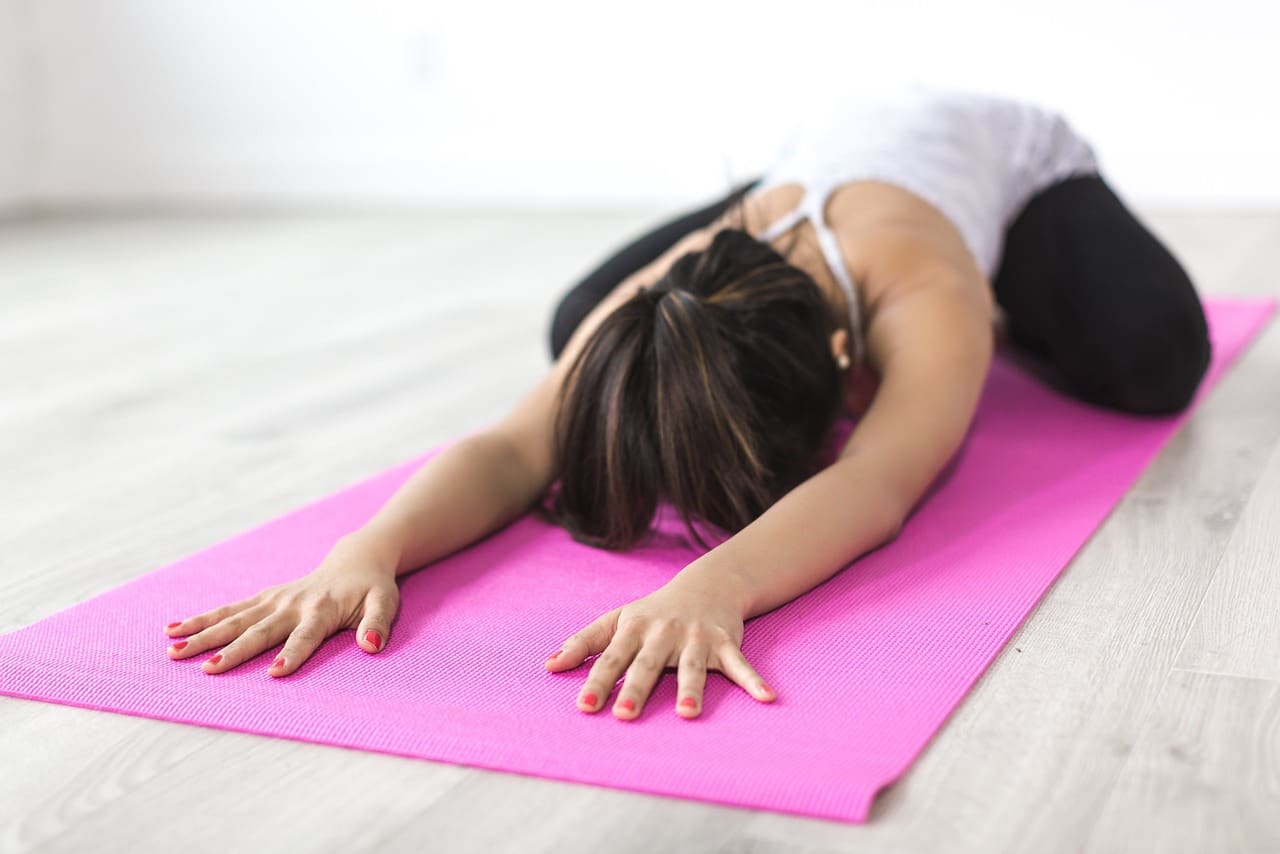
Balance exercises are not only essential for stability but also play a significant role in improving flexibility and mobility. By challenging your balance, you engage various muscle groups and joints, helping to increase overall mobility.
Single leg balance
Single leg balance exercises focus on improving stability, joint strength, and flexibility in the lower body. These exercises can be as simple as standing on one leg, progressing to more dynamic movements such as single-leg squats or yoga’s Tree pose. Single leg balance exercises engage the muscles around the ankle, knee, and hip joints, enhancing both stability and flexibility.
Balancing on an unstable surface
Balancing on an unstable surface, such as a balance board or BOSU ball, challenges your balance and activates numerous muscles and joints. By adding an element of instability, you force your body to make constant micro-adjustments, leading to improved coordination, joint mobility, and flexibility. Exercises like standing on a balance board or performing squats on a BOSU ball are excellent for balance and flexibility enhancement.
Tai Chi
Tai Chi is an ancient Chinese martial art that combines slow, flowing movements with deep breathing and mental focus. It emphasizes posture, balance, and the integration of mind and body. Tai Chi exercises help to improve flexibility, joint mobility, and overall body coordination. The gentle, controlled movements in Tai Chi enhance range of motion and can aid in reducing muscle stiffness and joint pain.
Bosu ball exercises
A Bosu ball is a half stability ball attached to a solid platform. It provides an unstable surface that challenges your balance and core stability. Performing various exercises, such as squats, lunges, or planks, on a Bosu ball forces your body to engage stabilizing muscles, increasing joint mobility, and flexibility. Bosu ball exercises can be tailored to individuals of different fitness levels and are a fun way to improve balance and overall mobility.
Yoga balancing poses
Yoga balancing poses, such as Tree pose, Eagle pose, or Dancer pose, focus on improving balance, stability, and flexibility. These poses require concentration, body awareness, and the engagement of multiple muscle groups. Balancing poses encourage joint mobility through a full range of motion while developing strength and flexibility simultaneously.
Mobility exercises
Mobility exercises are specifically designed to improve joint range of motion, movement efficiency, and overall mobility. These exercises target specific joints and muscle groups, helping to enhance flexibility and functional movement.
Joint rotations
Joint rotations involve moving a joint through its full range of motion in a controlled manner. By performing circular movements or figure-eight shapes with your joints, you can increase joint mobility and improve flexibility. Joint rotations can be done for various joints, such as the shoulders, hips, knees, and ankles.
Foam rolling
Foam rolling, as mentioned earlier, is not only beneficial for releasing muscle tension but also promotes joint mobility. By gently rolling over the muscles surrounding a joint, you can help to improve the overall range of motion and flexibility in that joint.
Active Isolated Stretching
Active Isolated Stretching (AIS) involves holding a stretch for a shorter duration, typically around 2 seconds, and repeating the stretch multiple times. This technique helps to increase joint mobility and muscle flexibility by allowing the muscles and connective tissues to elongate gradually. AIS is particularly effective for improving mobility in specific muscle groups and joint complexes.
Resistance band mobility exercises
Resistance band mobility exercises utilize resistance bands to enhance joint mobility and muscle flexibility. These exercises involve stretching and strengthening movements that target specific joints and muscle groups. Resistance bands provide gentle resistance throughout the movement, helping to improve the flexibility and mobility of the targeted area.
Movement preparation exercises
Movement preparation exercises, also known as dynamic warm-up exercises, are performed before physical activity to prepare the body for movement. These exercises typically involve a combination of mobility drills, stretching, and bodyweight movements that are specific to the activity or sport you’re about to engage in. Movement preparation exercises help to lubricate joints, improve mobility, and ensure that your body is ready for the demands of the activity.
Flexibility training programs
Flexibility and mobility enhancement can be achieved through various training programs and physical activities that specifically focus on flexibility development.
Gymnastics
Gymnastics requires a high level of flexibility and joint mobility. Through rigorous training, gymnasts develop exceptional flexibility in their entire body. Gymnastics training programs include stretching exercises, dynamic movements, and specialized drills to improve flexibility and achieve a wide range of motion.
Dance
Dance forms like ballet, contemporary, and jazz require dancers to have excellent flexibility and mobility. Dancers train rigorously to achieve impressive ranges of motion and fluid movements. Dance training programs often incorporate stretching exercises, dynamic movements, and specialized dance techniques to enhance flexibility and mobility.
Martial arts
Martial arts such as taekwondo, karate, and Brazilian Jiu-Jitsu incorporate various stretching and mobility exercises into their training routines. Flexibility plays a vital role in martial arts as it allows for better kicks, strikes, and defensive movements. Martial arts training programs often include a combination of static stretches, dynamic kicks, and joint mobility exercises to develop flexibility and mobility.
Circus arts
Circus arts encompass activities such as aerial silks, trapeze, and contortion. These disciplines require exceptional flexibility and mobility to perform acrobatic tricks and contortion poses. Circus arts training programs often involve intense stretching sessions, dynamic movements, and specialized flexibility drills to achieve impressive ranges of motion and body control.
Yoga teacher training
Yoga teacher training programs focus on deepening one’s understanding and practice of yoga. These programs often include a comprehensive exploration of various poses, breathing techniques, and meditation. Yoga teacher training programs place a strong emphasis on flexibility development, with participants engaging in extensive stretching, breathing exercises, and mindfulness practices to improve overall flexibility and mobility.
Warm-up and cooldown routines
Proper warm-up and cooldown routines are essential for injury prevention and optimal performance. These routines help to prepare your body for physical activity and aid in your body’s recovery.
Dynamic warm-up exercises
Dynamic warm-up exercises involve movements that activate and stretch multiple muscle groups simultaneously. These exercises increase heart rate, warm up the muscles, and prepare the joints for physical activity. Dynamic warm-ups often include exercises like leg swings, arm circles, walking lunges, and high knees. By incorporating dynamic warm-up exercises into your routine, you can improve blood flow and flexibility while reducing the risk of injury.
Slow cardio warm-up
Slow cardio warm-ups consist of light aerobic exercises such as walking, jogging, or cycling at a moderate intensity. These activities help to gradually increase body temperature, increase blood flow to the muscles, and prepare the cardiovascular system for more intense physical activity. Slow cardio warm-ups also provide an opportunity for gentle stretching to further enhance flexibility before exercise.
Static stretching cooldown
Static stretching cooldown is performed after physical activity to help the muscles relax and recover. Holding stretches for longer durations, typically around 30 seconds to 1 minute, can help to alleviate muscle tension and promote flexibility. Static stretching cooldown should be done when the muscles are warm and pliable, allowing for deeper stretches and improved flexibility.
Foam rolling cooldown
Using a foam roller as part of your cooldown routine can aid in muscle recovery and flexibility enhancement. Performing gentle foam rolling exercises on the muscles you worked during your workout can help to release muscle tension, increase blood flow, and promote muscle recovery. Foam rolling cooldowns can be particularly beneficial in reducing muscle soreness and increasing flexibility.
Meditation and relaxation cooldown
Incorporating meditation and relaxation techniques into your cooldown routine can help to calm the mind, release stress, and enhance overall well-being. Taking a few minutes to sit quietly, practice deep breathing or engage in guided meditation allows your body and mind to relax, promoting mental and physical recovery. By reducing stress and tension, you can further enhance your flexibility and improve your overall mobility.
In conclusion, increasing flexibility and mobility is crucial for overall fitness and well-being. By incorporating a variety of stretching exercises, practicing yoga and Pilates, utilizing foam rolling, receiving massage therapy, incorporating strength training, balance exercises, and mobility exercises, and participating in flexibility training programs, you can enhance your flexibility and mobility levels. Additionally, implementing proper warm-up and cooldown routines can further improve performance, prevent injuries, and aid in muscle recovery. Remember to listen to your body, start slowly, and gradually increase the intensity and duration of your flexibility and mobility activities. Happy stretching!