

Are you a woman in your late 30s or early 40s experiencing unwelcome changes in your body and mood? If so, you may be in the stage of life known as perimenopause. During perimenopause, many women experience symptoms such as hot flashes, irregular periods, mood swings, and sleep disturbances. But don’t worry, there are natural ways to manage these symptoms without resorting to medication or invasive procedures. In this article, we will explore effective strategies to help you navigate through this transitional phase of life with ease and grace.
1. Understanding Perimenopause
What is perimenopause?
Perimenopause is the transitional phase that women go through before reaching menopause. It is the period when the ovaries gradually produce less estrogen, leading to various physical and emotional changes in the body. It is important to understand that perimenopause is a natural process and not a disease.
How long does perimenopause last?
The duration of perimenopause varies from woman to woman, but it typically lasts around four to eight years. For some women, it may be as short as a few months, while for others it can extend up to a decade. The onset of perimenopause usually occurs in a woman’s 40s, but it can start as early as the late 30s or even earlier in some cases.
Common symptoms of perimenopause
Perimenopause is characterized by a range of symptoms that can vary in intensity and duration. Some of the most common symptoms include irregular periods, hot flashes, night sweats, mood swings, fatigue, vaginal dryness, decreased libido, and difficulty sleeping. These symptoms can significantly impact a woman’s quality of life, but the good news is that there are natural ways to manage them effectively.
2. Healthy Lifestyle Modifications
Maintaining a balanced diet
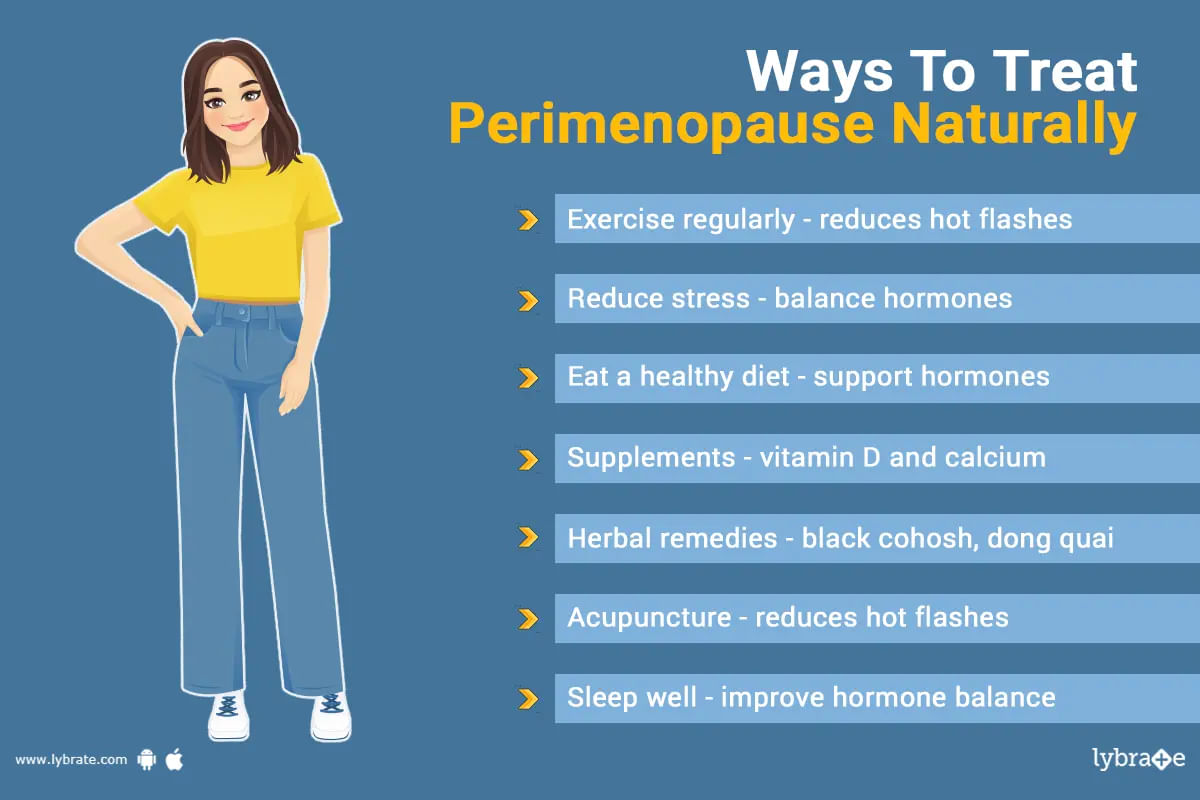
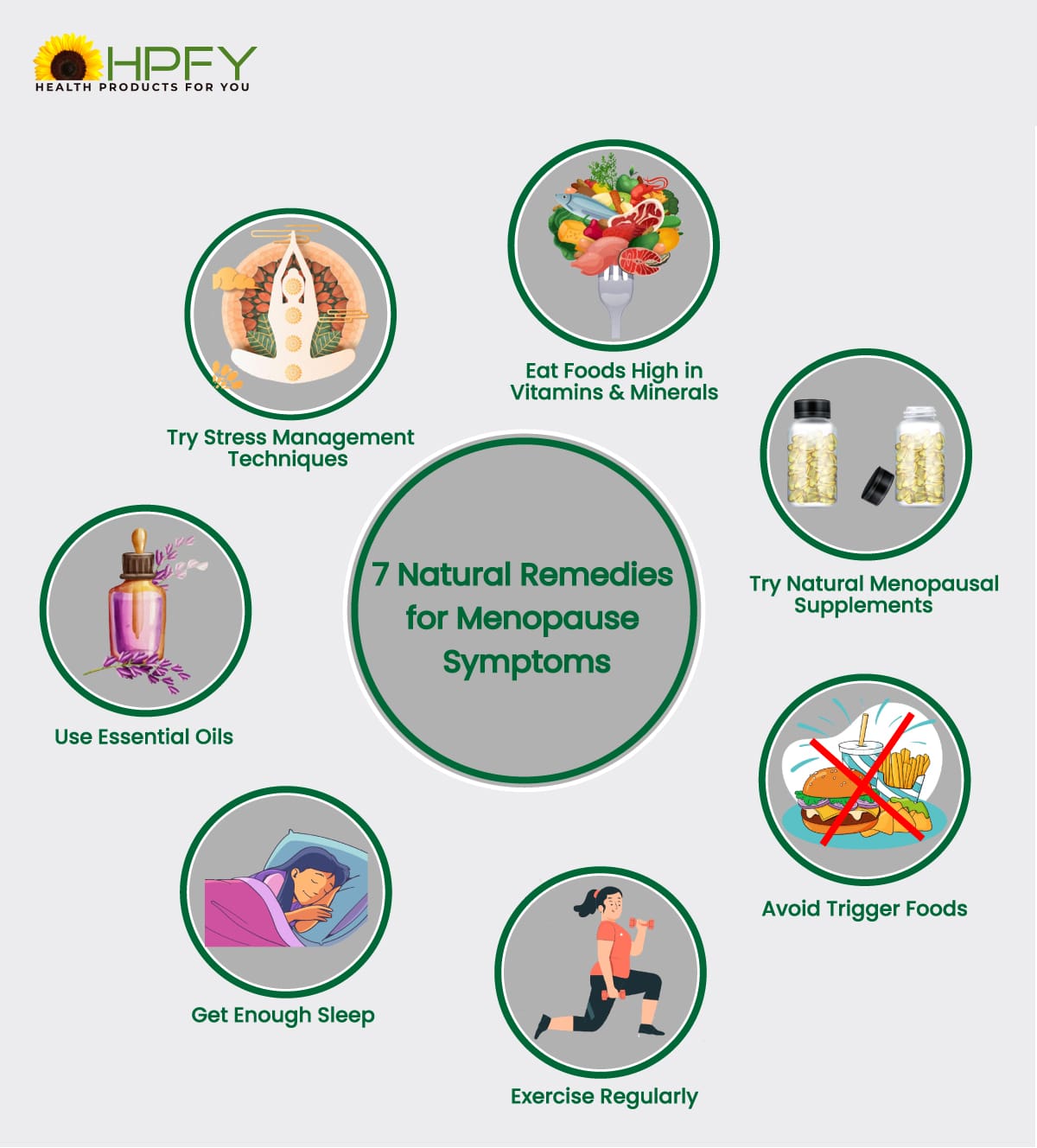
Eating a well-balanced diet is crucial during perimenopause as it can help alleviate symptoms and support overall health. Focus on consuming foods that are rich in nutrients, including fruits, vegetables, whole grains, lean proteins, and healthy fats. Avoid excessive consumption of processed foods, sugary snacks, and caffeine, as they can worsen symptoms such as hot flashes and mood swings.
Regular exercise
Engaging in regular physical activity can have numerous benefits during perimenopause. Exercise helps regulate hormone levels, reduce stress, improve mood, promote better sleep, and maintain a healthy weight. Aim for at least 150 minutes of moderate-intensity aerobic activity per week, such as brisk walking, swimming, cycling, or dancing. Strength training exercises two to three times a week are also important for maintaining muscle mass and bone health.
Adequate sleep
Getting enough sleep is essential for managing perimenopause symptoms and promoting overall well-being. Create a relaxing bedtime routine that includes practices like reading, taking a warm bath, or practicing relaxation techniques. Ensure your sleeping environment is comfortable, cool, and dark to facilitate uninterrupted sleep. Avoid consuming caffeine or engaging in stimulating activities close to bedtime.
Stress management techniques
Perimenopause can be a challenging time both physically and emotionally, so learning effective stress management techniques is crucial. Engage in activities that help you unwind and relax, such as deep breathing exercises, meditation, yoga, or tai chi. Make time for hobbies, spend time with loved ones, and consider seeking counseling or therapy if needed. Managing stress can significantly improve symptoms like mood swings and hot flashes.
3. Herbal and Natural Supplements
Black cohosh
Black cohosh is a popular herbal supplement that has been used for centuries to alleviate menopausal symptoms, including hot flashes, night sweats, and sleep disturbances. It is believed to work by mimicking the effects of estrogen in the body. While research on its effectiveness is mixed, many women report finding relief from their symptoms with black cohosh.
Red clover
Red clover contains compounds called isoflavones that have estrogen-like effects in the body. Some studies suggest that red clover can help improve menopausal symptoms such as hot flashes and night sweats. It may also have a positive effect on bone health and cholesterol levels. However, it is important to consult with a healthcare provider before taking red clover, especially if you have a history of estrogen-related cancers.
Evening primrose oil
Evening primrose oil is derived from the seeds of the evening primrose plant and is rich in gamma-linolenic acid (GLA), an omega-6 fatty acid. It has been suggested to ease symptoms such as breast pain, irritability, and mood swings during perimenopause. While research on its effectiveness is limited, some women find it helpful in managing their symptoms.
Vitamin D and calcium
Vitamin D and calcium are essential for maintaining healthy bones and preventing osteoporosis, which becomes a concern during perimenopause. Ensure an adequate intake of these nutrients through a combination of sunlight exposure, fortified foods, and supplements if needed. A healthcare provider can help determine the appropriate dosage for your specific needs.
Maca root
Maca root is a plant native to the Andes Mountains and has long been used for its potential benefits on hormone balance and energy levels. Some studies suggest that maca root may help improve symptoms such as hot flashes, sleep disturbances, and mood swings. However, more research is needed to fully understand its effects on perimenopause symptoms.
Chasteberry
Chasteberry, also known as Vitex agnus-castus, is a traditional herbal remedy that has been used for centuries to support women’s hormonal health. It may help alleviate symptoms such as breast tenderness, irritability, and mood swings during perimenopause. However, it is important to consult with a healthcare provider before using chasteberry, especially if you are taking any medications or have certain medical conditions.
4. Mind-Body Techniques
Yoga and meditation
Yoga and meditation are powerful practices that can help calm the mind, reduce stress, and improve overall well-being. They have been shown to be effective in managing symptoms such as hot flashes, mood swings, and anxiety during perimenopause. Consider joining a local yoga class or following online guided meditation sessions to incorporate these techniques into your daily routine.
Deep breathing exercises
Deep breathing exercises are simple yet effective techniques for managing stress and promoting relaxation. They can be done anywhere and anytime to help alleviate symptoms such as hot flashes and anxiety. Practice deep belly breathing by inhaling deeply through your nose, filling your lungs, and exhaling slowly through your mouth. Repeat this process several times to feel the calming effects.
Acupuncture
Acupuncture is an ancient Chinese therapy that involves inserting thin needles into specific points on the body. It is believed to help balance the flow of energy and stimulate various physiological responses. Some studies suggest that acupuncture may help reduce the frequency and severity of hot flashes. Consult with a licensed acupuncturist to explore this option further.

5. Hormone-balancing Foods
Flaxseeds
Flaxseeds are rich in lignans, which are compounds that have estrogen-like effects in the body. They can help balance hormone levels and reduce menopause symptoms such as hot flashes and vaginal dryness. Add ground flaxseeds to your diet by sprinkling them on salads, yogurt, or cereal, or incorporate flaxseed oil into your cooking.
Soy-based products
Soy-based products, such as tofu, tempeh, and soy milk, contain compounds called isoflavones that have estrogen-like effects in the body. Some research suggests that consuming soy-based products may help alleviate hot flashes and other menopausal symptoms. However, it is important to choose minimally processed, organic options and consume them in moderation.
Fatty fish
Fatty fish like salmon, mackerel, and sardines are excellent sources of omega-3 fatty acids, which have anti-inflammatory properties and can support hormonal balance. Including these fish in your diet may help reduce symptoms like hot flashes, mood swings, and joint pain. Aim to consume fatty fish at least twice a week for optimal results.
Leafy green vegetables
Leafy green vegetables, such as spinach, kale, and Swiss chard, are packed with essential nutrients like calcium, magnesium, and vitamin K, which are important for maintaining bone health during perimenopause. They also contain high levels of antioxidants, which can help reduce oxidative stress and inflammation in the body. Make sure to include plenty of leafy greens in your meals and salads.
Nuts and seeds
Nuts and seeds, including almonds, walnuts, chia seeds, and sesame seeds, are rich in healthy fats, protein, fiber, and various vitamins and minerals. They can help support hormonal health, reduce inflammation, and provide a feeling of satiety. As a snack or as toppings for salads and smoothies, incorporate a variety of nuts and seeds into your diet.
6. Managing Hot Flashes
Identifying triggers
Hot flashes can be triggered by certain foods, beverages, stress, and other factors. Keep a journal to identify possible triggers and make changes accordingly. Common triggers include spicy foods, caffeine, alcohol, hot beverages, stress, and tight clothing. By avoiding or minimizing these triggers, you may be able to reduce the frequency and intensity of your hot flashes.
Dressing in layers
Dressing in layers allows you to easily adjust your clothing based on your body temperature. Choose breathable fabrics like cotton or linen that help regulate body heat. This way, you can remove or add layers as needed to stay comfortable during hot flashes.
Using natural cooling remedies
Natural cooling remedies can provide relief during hot flashes. Keep a small handheld fan with you to create a breeze when you feel a hot flash coming on. Applying a cool towel or an ice pack to the back of your neck or wrists can also help bring down your body temperature and reduce the intensity of hot flashes.
Avoiding caffeine and alcohol
Both caffeine and alcohol can trigger or exacerbate hot flashes for many women. Limit your consumption of these substances, especially in the hours leading up to bedtime, as they can interfere with quality sleep and contribute to night sweats.
Quitting smoking
Smoking has been shown to worsen menopausal symptoms, including hot flashes. Quitting smoking not only improves overall health but can also help reduce the frequency and severity of hot flashes. Seek support from healthcare professionals or support groups to successfully quit smoking if needed.
7. Maintaining Bone Health
Eating calcium-rich foods
During perimenopause, the risk of osteoporosis increases due to declining estrogen levels. Consuming calcium-rich foods helps maintain bone health and prevent fractures. Include dairy products, leafy green vegetables, tofu, almonds, and fortified foods in your diet to meet your calcium needs.
Vitamin D supplementation
Vitamin D plays a crucial role in calcium absorption and bone health. Many individuals, especially those with limited sun exposure, may require vitamin D supplementation. Consult with a healthcare provider to determine the appropriate dosage and whether you would benefit from supplementing with vitamin D.
Weight-bearing exercises
Engaging in weight-bearing exercises can help strengthen bones and reduce the risk of osteoporosis. Activities like walking, jogging, dancing, and weightlifting put stress on the bones, promoting bone density. Aim for at least 30 minutes of weight-bearing exercises most days of the week.
Avoiding smoking and excessive alcohol consumption
Smoking and excessive alcohol consumption have negative effects on bone health. Smoking reduces bone density while alcohol interferes with the body’s ability to absorb calcium, thereby increasing the risk of osteoporosis. Avoiding or minimizing these habits is crucial for maintaining strong and healthy bones during perimenopause.
8. Managing Mood Swings and Emotional Changes
Practicing self-care
Taking care of yourself emotionally and physically is important during perimenopause. Prioritize self-care activities that bring you joy and relaxation, whether it’s taking a bath, reading a book, gardening, or listening to music. Make time for yourself and engage in activities that nurture your well-being.
Seeking support from loved ones
Reach out to your loved ones and communicate your feelings and experiences. Emotional support from family and friends can help ease the emotional burden that often accompanies perimenopause. Share your experiences and concerns with trusted individuals who can offer a listening ear and provide empathy.
Engaging in hobbies and activities
Participating in hobbies and activities that bring you fulfillment and joy can have a positive impact on your emotional well-being during perimenopause. Whether it’s painting, writing, playing an instrument, or joining a sports club, finding activities that ignite your passion and provide a sense of purpose can help alleviate mood swings and emotional changes.
Consider professional counseling if needed
If mood swings and emotional changes significantly impact your daily life and relationships, it may be beneficial to seek professional counseling or therapy. A mental health professional can provide guidance, support, and coping strategies to help you navigate this transitional phase with a greater sense of ease and emotional well-being.
9. Improving Sleep Quality
Creating a calming bedtime routine
Establish a calming bedtime routine that signals to your body that it’s time to wind down. Engage in relaxing activities such as reading, practicing gentle stretching or yoga, taking a warm bath, or listening to soothing music. Consistency is key, so try to follow the same routine each night to prepare your body and mind for restful sleep.
Avoiding stimulants before bed
Stimulants like caffeine and nicotine can interfere with your sleep quality and increase the frequency of night sweats. Avoid consuming these substances at least a few hours before bedtime to ensure a more restful night’s sleep. Opt for herbal teas or warm milk instead to promote relaxation.
Using relaxation techniques
Relaxation techniques such as deep breathing exercises, progressive muscle relaxation, or guided imagery can help quiet the mind and promote a state of relaxation before sleep. Practice these techniques in bed or even earlier in the evening if you find it difficult to unwind.
Creating a sleep-friendly environment
Create a sleep-friendly environment by making your bedroom cool, dark, and quiet. Use blackout curtains or an eye mask to block out light, earplugs or a white noise machine to mask any disturbing sounds, and a comfortable mattress and pillows to ensure proper support. Invest in breathable bedding materials to regulate body temperature and minimize night sweats.
10. When to Seek Medical Help
Persistent or severe symptoms
If you experience persistent or severe symptoms that significantly impact your quality of life, it is important to seek medical help. A healthcare provider can evaluate your symptoms, rule out any underlying health conditions, and provide appropriate treatment options to manage your specific needs.
Impact on daily functioning
If perimenopause symptoms start to interfere with your daily functioning, such as work, relationships, or overall well-being, it may be a sign that additional support or intervention is needed. Don’t hesitate to reach out to your healthcare provider to discuss your concerns and explore available options.
Discussion with healthcare provider
It is always a good idea to have a discussion with your healthcare provider about perimenopause and the associated symptoms. They can offer guidance, answer your questions, and provide personalized recommendations based on your medical history and individual needs. Regular check-ups and open communication with your healthcare provider are essential during this phase of life.
Consideration of hormone therapy
Hormone therapy, such as estrogen therapy or low-dose birth control pills, may be considered if perimenopause symptoms are severe and negatively impacting your quality of life. However, the decision to pursue hormone therapy should be made in consultation with a healthcare provider, considering the potential risks and benefits associated with this treatment option.
In conclusion, perimenopause is a natural and normal phase that every woman goes through. By making healthy lifestyle modifications, incorporating herbal and natural supplements, practicing mind-body techniques, consuming hormone-balancing foods, managing hot flashes, maintaining bone health, managing mood swings, improving sleep quality, and seeking medical help when necessary, you can effectively manage perimenopause symptoms and enjoy a smooth transition into the next phase of life. Remember to prioritize self-care, listen to your body, and embrace this stage with positivity and self-compassion.
