
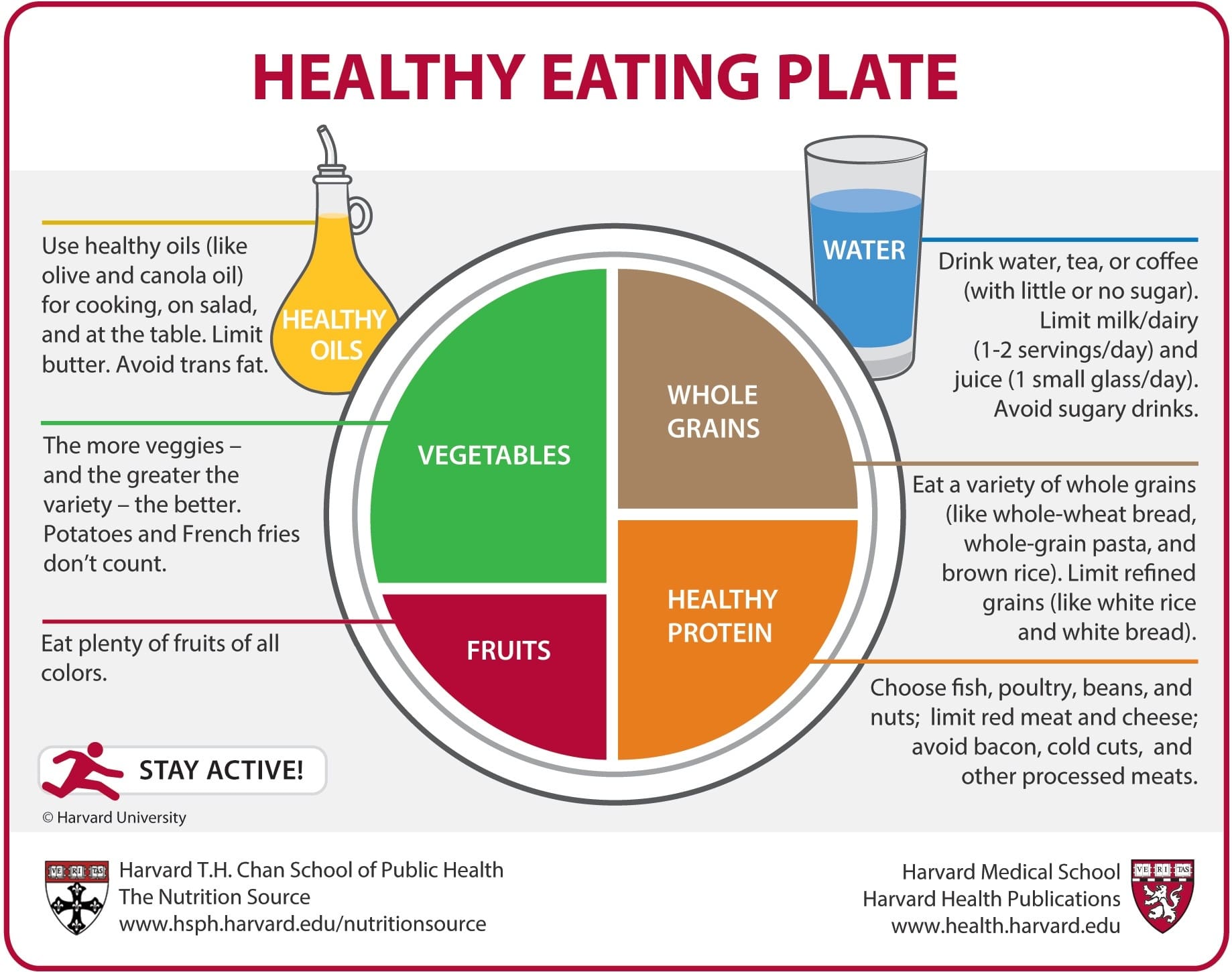
Welcome to our article on the best ways to make healthier choices when grocery shopping and meal planning! Making positive changes to your diet can seem daunting, but with a few simple strategies, you can easily adopt healthier habits. By focusing on fresh produce, whole grains, lean proteins, and minimizing processed foods, you can create nutritious meals that nourish your body and support your overall well-being. Stay tuned for practical tips and tricks to help you navigate the grocery store with confidence and plan meals that are both delicious and good for you. Let’s dive in and make healthy eating a breeze! Have you ever found yourself aimlessly wandering the aisles of the grocery store, unsure of what to buy and how to make healthier choices? Well, fear not! In this article, we will explore the best ways to make healthier choices when grocery shopping and meal planning. Whether you’re looking to lose weight, improve your overall health, or simply make better food choices, we’ve got you covered. So grab a pen and paper, and let’s get started on your journey to a healthier lifestyle!
Importance of Making Healthier Choices
Making healthier choices when grocery shopping and meal planning is essential for maintaining optimal health and well-being. By selecting nutritious foods and ingredients, you can fuel your body with the essential nutrients it needs to function properly. Additionally, choosing whole, unprocessed foods can help reduce your risk of chronic diseases such as obesity, heart disease, and diabetes. Making simple swaps and substitutions in your diet can have a significant impact on your health in the long run.
Why Does Meal Planning Matter?
Meal planning is a crucial aspect of making healthier choices when it comes to your diet. By planning your meals in advance, you can ensure that you have nutritious options readily available, reducing the temptation to reach for unhealthy convenience foods. Meal planning also allows you to control portion sizes, balance your macronutrients, and incorporate a variety of foods into your diet. With a well-thought-out meal plan, you can streamline your grocery shopping process, save time, and minimize food waste.
Tips for Healthier Grocery Shopping
Now that you understand the importance of making healthier choices, let’s dive into some practical tips for healthier grocery shopping. From navigating the aisles to reading food labels, these tips will help you make informed decisions and select the best foods for your health.
Create a Grocery List
One of the most effective ways to make healthier choices when grocery shopping is to create a detailed grocery list before heading to the store. Take inventory of your pantry, refrigerator, and freezer, and plan your meals for the week based on what you already have on hand. Make a list of the ingredients you need to prepare your meals, as well as any snacks or staple items you regularly consume. Having a well-organized grocery list can help you stay focused, avoid impulse purchases, and stick to your budget.
Shop the Perimeter
When navigating the aisles of the grocery store, focus on shopping the perimeter where you will find fresh produce, lean proteins, dairy products, and whole grains. The outer edges of the store typically contain the most nutrient-dense foods, while the inner aisles are filled with processed and packaged items. By prioritizing fresh, whole foods, you can create a balanced and nutritious shopping cart that will support your health goals.
Read Food Labels
Reading food labels is essential for making informed decisions about the products you purchase. Pay attention to the ingredient list, serving size, calorie content, and macronutrient breakdown of each item. Look for products with minimal added sugars, sodium, and artificial ingredients, and prioritize foods that are high in fiber, vitamins, and minerals. Understanding how to interpret food labels can help you select healthier options and avoid hidden sources of unhealthy ingredients in your diet.
| Nutrient | Daily Value |
|---|---|
| Sodium | Less than 2300 mg |
| Added Sugars | Less than 50g |
| Fiber | 25g for women, 38g for men |
Choose Whole Foods
When selecting ingredients for your meals, opt for whole foods that are minimally processed and as close to their natural state as possible. Whole foods such as fruits, vegetables, whole grains, lean proteins, and healthy fats are rich in essential nutrients and provide a wide range of health benefits. Avoid heavily processed foods that are high in refined sugars, unhealthy fats, and artificial additives. By choosing whole foods, you can nourish your body with the vitamins, minerals, and antioxidants it needs to thrive.
Strategies for Healthier Meal Planning
Now that you have mastered the art of healthier grocery shopping, it’s time to tackle meal planning. By following these strategies, you can simplify the meal planning process, improve your food choices, and set yourself up for success on your health journey.
Batch Cook and Prep Ingredients
Batch cooking and meal prepping are effective ways to save time, reduce stress, and ensure that you have healthy meals ready to eat throughout the week. Set aside time each week to cook large batches of grains, proteins, vegetables, and healthy snacks that can be easily assembled into meals. Store prepped ingredients in individual containers or meal prep trays for quick and convenient access. By having nutritious, ready-to-eat options on hand, you can avoid the temptation to order takeout or grab fast food.
Plan Balanced Meals
When creating your meal plan, aim to include a balance of macronutrients – protein, carbohydrates, and fats – in each meal. Incorporate a variety of colorful fruits and vegetables, whole grains, lean proteins, and healthy fats to ensure that you are meeting your nutritional needs. Pay attention to portion sizes and serving sizes to avoid overeating and ensure that you are consuming a well-rounded diet. Planning balanced meals can help you maintain stable energy levels, support muscle growth and repair, and promote overall health and well-being.
Make Healthy Swaps
Making simple swaps and substitutions in your meals can significantly impact the nutritional value of your diet. Try replacing white rice with cauliflower rice, swapping regular pasta for zucchini noodles, or substituting ground beef with lean ground turkey. Experiment with different seasonings, herbs, and spices to enhance the flavor of your dishes without relying on excess salt, sugar, or unhealthy fats. By making healthier swaps, you can reduce your calorie intake, increase your intake of essential nutrients, and improve the overall quality of your diet.
Incorporating Variety and Balance
Incorporating a variety of foods into your diet is essential for meeting your nutritional needs, preventing boredom, and ensuring that you are getting a range of essential vitamins and minerals. By focusing on balance and moderation, you can enjoy a wide range of foods while still maintaining a healthy lifestyle.
Aim for Colorful Plate
When planning your meals, aim to include a variety of colors on your plate to ensure that you are consuming a diverse range of nutrients. Different colors in fruits and vegetables indicate the presence of essential vitamins, minerals, and antioxidants. Try incorporating a rainbow of produce into your meals, from red peppers and purple cabbage to yellow squash and green spinach. By eating a colorful plate, you can maximize the nutritional value of your meals and support your overall health.
Include Lean Proteins
Protein is an essential macronutrient that plays a crucial role in muscle growth, repair, and maintenance. Incorporating lean sources of protein such as chicken, turkey, fish, tofu, beans, and legumes into your meals can help you feel full, satisfied, and energized throughout the day. Aim to include protein in each meal and snack to support your metabolism, curb cravings, and promote healthy weight management.
| Protein Source | Serving Size | Protein Content |
|---|---|---|
| Chicken Breast | 3 oz | 26g |
| Salmon | 3 oz | 22g |
| Tofu | 1/2 cup | 10g |
| Black Beans | 1/2 cup | 8g |
Incorporate Healthy Fats
Healthy fats are an important component of a well-balanced diet and play a vital role in supporting brain function, hormone production, and nutrient absorption. Include sources of healthy fats such as avocados, nuts, seeds, olive oil, and fatty fish in your meals to promote heart health, reduce inflammation, and enhance flavor. Be mindful of portion sizes when consuming fats, as they are calorie-dense and can contribute to weight gain if consumed in excess.
| Healthy Fat Source | Serving Size | Fat Content |
|---|---|---|
| Avocado | 1/4 medium | 7g |
| Almonds | 1 oz | 14g |
| Olive Oil | 1 tbsp | 14g |
| Salmon | 3 oz | 12g |
Making Informed Decisions
As you navigate the grocery store and plan your meals, it’s important to make informed decisions based on your individual health goals, preferences, and dietary needs. With the tips and strategies outlined in this article, you can make healthier choices that will benefit your overall health and well-being. Remember that small changes over time can lead to significant improvements in your health, so don’t be afraid to experiment, try new foods, and find what works best for you. Happy shopping and meal planning!
In conclusion, making healthier choices when grocery shopping and meal planning is a simple yet powerful way to improve your health, increase your energy levels, and support your long-term well-being. By following the tips and strategies outlined in this article, you can take control of your diet, make smarter food choices, and enjoy the many benefits of eating nutritious, delicious meals. So next time you find yourself at the grocery store or planning your weekly meals, keep these tips in mind and make the best choices for your health. Your body will thank you!