
Welcome to an informative article on how to prevent age-related muscle loss! As you age, it is common to experience a decline in muscle mass and strength, but with the right lifestyle choices and exercise routine, you can help preserve your muscle mass and stay strong and healthy. In this article, you will learn about the factors that contribute to muscle loss as you age and discover practical tips and strategies to prevent it. By incorporating these simple changes into your daily routine, you can maintain your muscle strength and overall health well into your golden years. Did you know that as you age, your muscle mass naturally decreases? But don’t worry, there are effective ways to prevent age-related muscle loss and maintain your strength and mobility. Keep reading to discover some valuable tips and strategies to help you stay strong and healthy as you get older.
Understanding Age-Related Muscle Loss
As you age, your body undergoes various changes, including a decrease in muscle mass and strength. This process, known as sarcopenia, can lead to decreased mobility, balance issues, and an increased risk of falls and fractures. Understanding the causes of age-related muscle loss is the first step in preventing and managing this condition.
Causes of Age-Related Muscle Loss
Age-related muscle loss can be attributed to several factors, including hormonal changes, reduced physical activity, poor nutrition, and chronic diseases. Hormonal changes, such as a decrease in testosterone and growth hormone levels, can contribute to muscle loss. In addition, reduced physical activity and poor nutrition can also accelerate muscle wasting in older adults.
Now that you understand the causes of age-related muscle loss, let’s explore some effective strategies to prevent and manage this condition.
Strategies to Prevent Age-Related Muscle Loss
Preventing age-related muscle loss is achievable with a combination of regular exercise, a balanced diet, and healthy lifestyle choices. By implementing these strategies into your daily routine, you can maintain muscle mass, strength, and function as you age.
Resistance Training
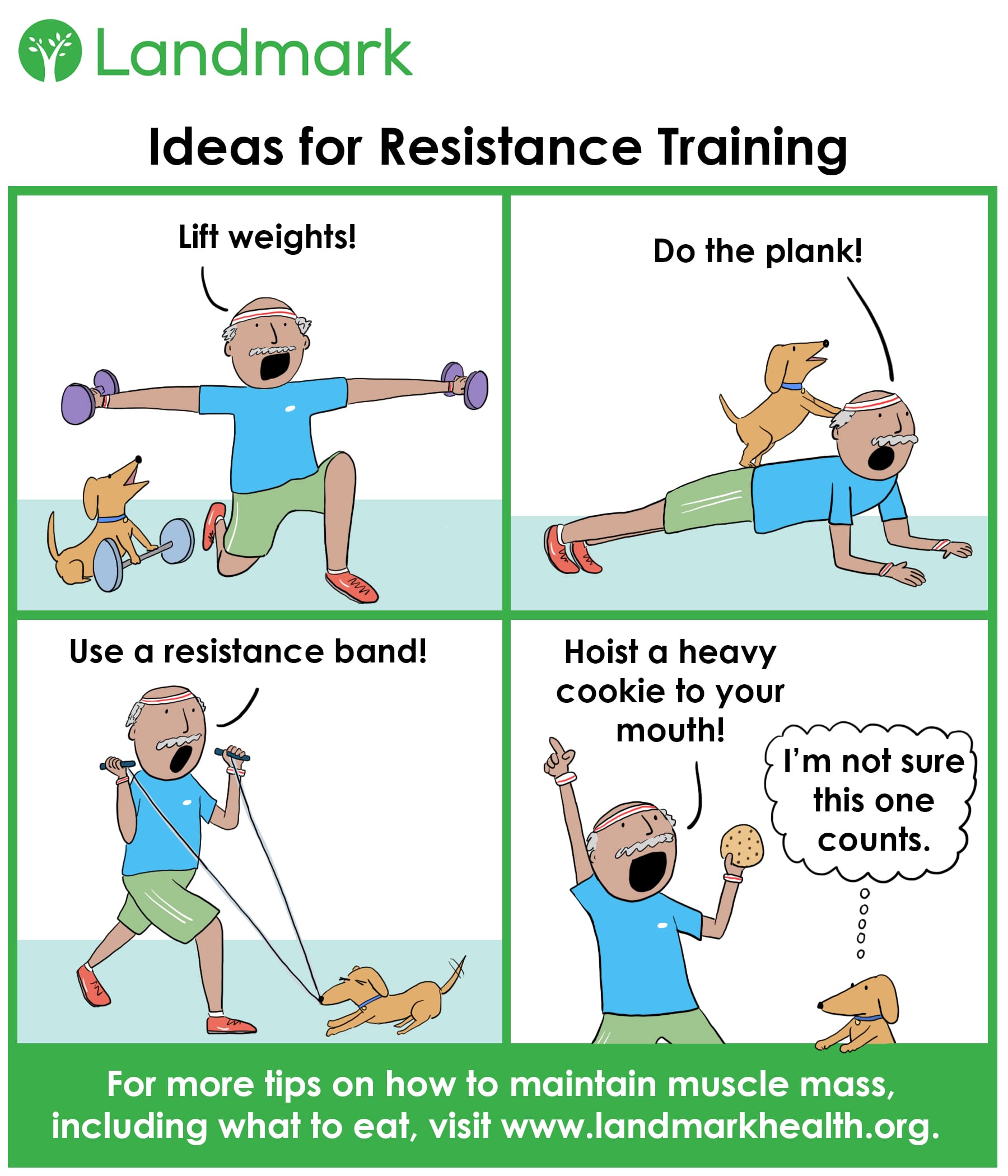
One of the most effective ways to prevent age-related muscle loss is through regular resistance training. Strength training exercises, such as lifting weights or using resistance bands, can help preserve muscle mass and increase strength. Aim to include resistance training exercises at least 2-3 times per week to maintain muscle mass and function.
Aerobic Exercise
In addition to resistance training, incorporating aerobic exercise into your routine can also help prevent age-related muscle loss. Activities such as walking, jogging, swimming, or cycling can improve cardiovascular health, endurance, and overall fitness. Aim for at least 150 minutes of moderate-intensity aerobic exercise per week to maintain muscle mass and prevent muscle loss.
Balanced Diet
Nutrition plays a crucial role in preventing age-related muscle loss. Consuming an adequate amount of protein, vitamins, and minerals is essential for muscle maintenance and repair. Include protein-rich foods such as lean meats, poultry, fish, eggs, dairy, legumes, and nuts in your diet to support muscle growth and repair. In addition, eating a variety of fruits, vegetables, whole grains, and healthy fats can provide essential nutrients for maintaining muscle health.
Stay Hydrated
Hydration is key to muscle function and overall health. Drinking an adequate amount of water each day is essential for optimal muscle performance and recovery. Aim to drink at least 8-10 cups of water daily, or more if you engage in vigorous physical activity or live in a hot climate. Staying hydrated can help prevent muscle cramps, fatigue, and promote muscle recovery and repair.
Get Adequate Rest
Rest and recovery are essential components of any muscle-building program. Adequate sleep is crucial for muscle repair, growth, and overall health. Aim to get 7-9 hours of quality sleep each night to allow your muscles to recover and regenerate. Establishing a regular sleep routine and creating a relaxing bedtime environment can help improve sleep quality and support muscle health.
Manage Stress
Chronic stress can have a negative impact on muscle health and overall well-being. High levels of stress can lead to muscle tension, fatigue, and hinder recovery and repair processes. Engage in stress-reducing activities such as meditation, deep breathing exercises, yoga, or spending time in nature to promote relaxation and support muscle health. Managing stress effectively can improve muscle function, reduce inflammation, and enhance overall physical performance.
By implementing these strategies into your daily routine, you can effectively prevent age-related muscle loss and maintain your strength, mobility, and function as you age. Remember that consistency is key, so make a commitment to prioritize your health and well-being by following these recommendations.
Conclusion
Age-related muscle loss is a common condition that can impact your strength, mobility, and overall quality of life as you get older. However, by understanding the causes of muscle loss and implementing effective prevention strategies, you can maintain muscle mass, strength, and function well into your later years. Prioritize regular exercise, a balanced diet, quality sleep, hydration, and stress management to prevent age-related muscle loss and stay healthy and active as you age. Remember, it’s never too late to start taking care of your muscles and overall health. Start today and reap the benefits of a strong and resilient body for years to come.