
Welcome to the guide on how to cope with postpartum depression as a new mother! Being a new mom is a joyous experience, but it can also bring about feelings of sadness, anxiety, and overwhelm. In this article, you will learn practical tips and strategies to help you navigate through postpartum depression, take care of yourself, and bond with your baby during this challenging time. Remember, you are not alone, and there is help and support available to help you through this journey. Hey there, new mama!
Are you feeling overwhelmed, sad, or anxious after giving birth? You may be experiencing postpartum depression, a common condition that affects many new mothers. But don’t worry, you’re not alone, and there are ways to cope with it. In this article, we’ll explore how you can navigate through postpartum depression and find the support and resources you need to feel better. Let’s get started!
What is Postpartum Depression?
Postpartum depression (PPD) is a mood disorder that can affect women after childbirth. It’s more than just feeling the “baby blues.” PPD can significantly impact your ability to function and care for yourself and your baby.
What are the Symptoms of Postpartum Depression?
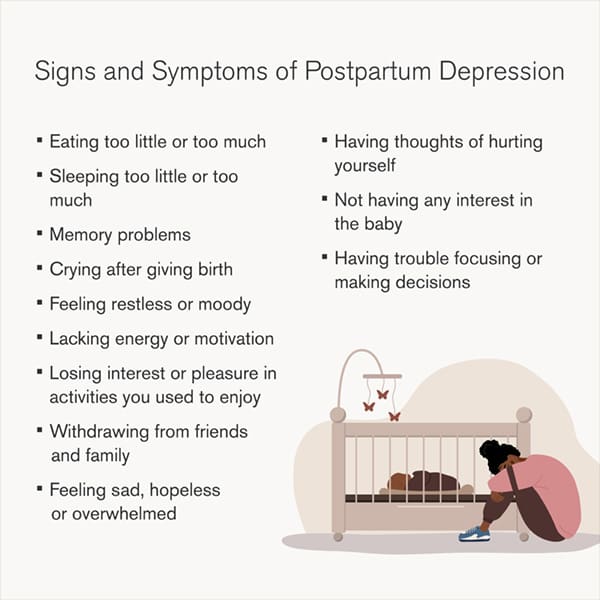
Symptoms of postpartum depression may vary from person to person, but commonly include:
- Intense feelings of sadness, hopelessness, or worthlessness
- Changes in appetite or sleep patterns
- Loss of interest in activities you once enjoyed
- Difficulty bonding with your baby
- Thoughts of harming yourself or your baby
If you’re experiencing any of these symptoms, it’s essential to reach out for help and support.
Coping Strategies for Postpartum Depression
Coping with postpartum depression may feel challenging, but there are several strategies you can try to help alleviate your symptoms and improve your mental health.
Self-Care Practices
Taking care of yourself is crucial during this time. Remember, you can’t pour from an empty cup, so make self-care a priority. Some self-care practices you can try include:
| Practice | Description |
|---|---|
| Daily Walks | Getting fresh air and sunlight can do wonders for your mood. |
| Healthy Diet | Eating nutritious meals can help stabilize your mood and energy levels. |
| Quality Sleep | Try to rest whenever you can, and ask for help with nighttime feedings. |
| Stay Hydrated | Drinking plenty of water is essential for overall well-being. |
| Breathing Exercises | Deep breathing can help calm anxiety and stress. |
Support System
Having a strong support system can make a significant difference in how you cope with postpartum depression. Don’t hesitate to reach out to friends, family members, or your healthcare providers for help. You can also consider joining a support group for new mothers to connect with others who may be experiencing similar feelings.
Therapy and Counseling
Therapy and counseling can be incredibly beneficial for managing postpartum depression. A trained therapist can help you work through your emotions, develop coping strategies, and provide a safe space for you to express your feelings.
Medication
In some cases, medication may be necessary to treat severe postpartum depression. If you’re considering medication, speak with your healthcare provider to discuss the potential risks and benefits.

Seeking Professional Help
If you’re struggling to cope with postpartum depression on your own, don’t hesitate to seek professional help. Your healthcare provider can connect you with resources and treatment options to support you through this challenging time.
Postpartum Depression Screenings
Many healthcare providers offer postpartum depression screenings to new mothers during their postnatal check-ups. These screenings can help identify symptoms of PPD early on and provide you with the help you need.
Talk to Your Healthcare Provider
Don’t be afraid to open up to your healthcare provider about how you’re feeling. They can offer guidance, resources, and referrals to mental health professionals who specialize in postpartum depression.
Online Therapy Options
If you’re unable to attend in-person therapy sessions, consider exploring online therapy options. Many platforms offer virtual therapy sessions that can be more convenient for new mothers with busy schedules.
Creating a Supportive Environment
Creating a supportive environment for yourself can go a long way in managing postpartum depression. Surround yourself with positive influences and take steps to prioritize your mental health.
Communicate Your Needs
Don’t hesitate to communicate your needs to your partner, family members, or friends. Let them know how they can support you during this challenging time, whether it’s by helping with household chores, caring for the baby, or simply lending a listening ear.
Set Boundaries
Setting boundaries is essential for your mental health. Learn to say no to things that drain your energy or cause stress and prioritize activities that bring you joy and relaxation.
Practice Mindfulness
Mindfulness practices, such as meditation or yoga, can help you stay grounded and present in the moment. Take a few minutes each day to practice mindfulness and connect with your inner self.

Taking Care of Your Baby While Coping with Postpartum Depression
Caring for a newborn while coping with postpartum depression can be overwhelming. But with the right support and strategies in place, you can navigate this challenging time with grace and resilience.
Accept Help
Don’t be afraid to accept help from others when caring for your baby. Whether it’s asking your partner to take over night feedings or having a family member watch the baby while you take a break, accepting help can lighten your load and give you time to rest.
Create a Routine
Establishing a routine can provide structure and predictability for both you and your baby. Try to set a schedule for feedings, naps, and playtime to help you feel more organized and in control.
Bonding with Your Baby
Bonding with your baby is crucial for both of your well-being. Find moments throughout the day to cuddle, sing to, and play with your baby. Skin-to-skin contact and eye contact can also help strengthen your bond.
Practice Self-Compassion
Remember to be gentle with yourself during this time. It’s okay to feel overwhelmed or tired, and it’s okay to ask for help. Show yourself the same kindness and compassion you would show a friend going through a difficult time.
Moving Forward: Finding Joy and Healing
While coping with postpartum depression may feel like an uphill battle, know that it is possible to find joy, healing, and hope on the other side.
Celebrate Small Wins
Celebrate small victories and accomplishments, no matter how insignificant they may seem. Whether it’s taking a shower, making a healthy meal, or getting out of the house, every little win counts.
Stay Connected
Stay connected with your support system, whether it’s through regular phone calls, text messages, or video chats. Share your feelings and experiences with trusted friends and loved ones who can offer encouragement and understanding.
Seek Professional Help When Needed
If you find yourself struggling to cope with postpartum depression despite your best efforts, don’t hesitate to seek professional help. You deserve to feel happy, healthy, and whole, and there are resources available to support you on your journey to healing.

Final Thoughts
Remember, postpartum depression is a common and treatable condition. With the right support, coping strategies, and self-care practices in place, you can navigate through this challenging time and emerge stronger and more resilient than ever. You are not alone, and there is hope for brighter days ahead. Stay strong, mama, and know that you are worthy of love, happiness, and healing. You’ve got this!