
Welcome to an article that will provide you with valuable information on how to prevent age-related vision problems. As we age, our eyes go through changes that can lead to vision difficulties such as cataracts, macular degeneration, and glaucoma. By taking proactive steps such as regular eye exams, wearing sunglasses, maintaining a healthy diet, and not smoking, you can help safeguard your vision and promote good eye health as you get older. Stay tuned for practical tips and advice on keeping your eyesight sharp and clear for years to come!
How To Prevent Age-related Vision Problems
Have you noticed changes in your vision as you age? Are you concerned about developing age-related vision problems? It’s never too late to start taking steps to protect your eyes and maintain good vision as you get older. In this article, we’ll explore some simple and effective strategies to prevent age-related vision problems and keep your eyes healthy for years to come.
Understanding Age-related Vision Problems
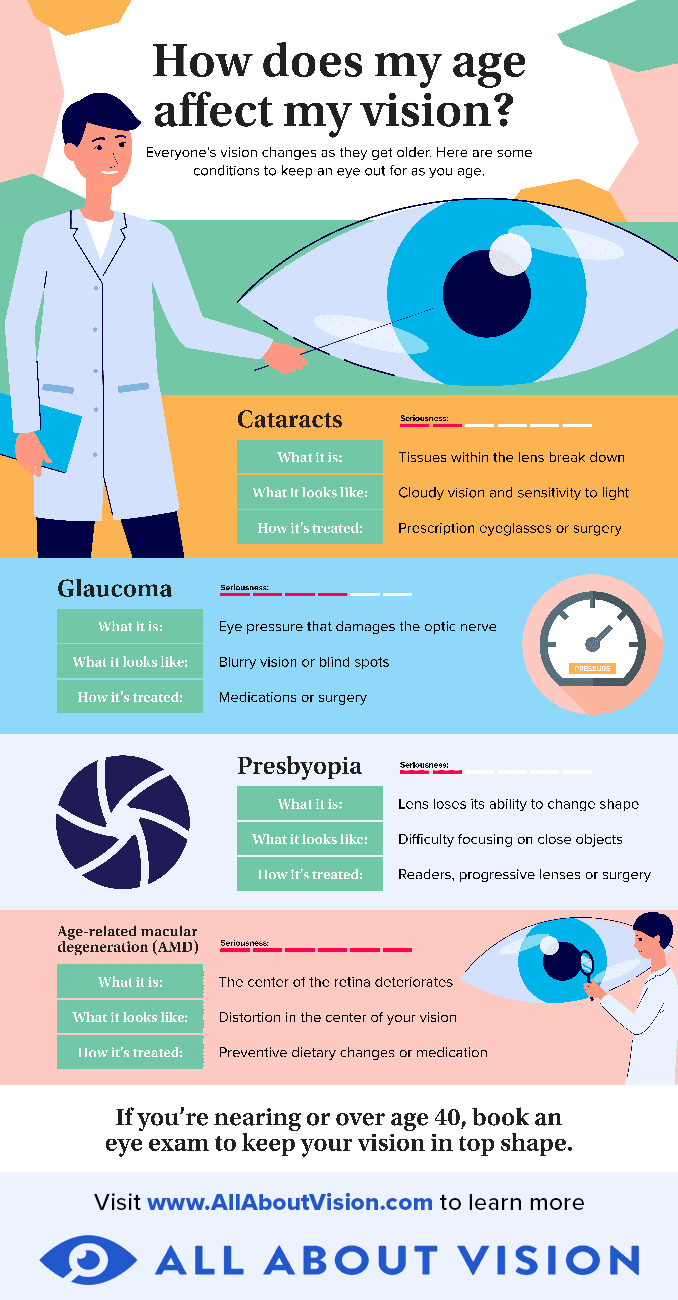
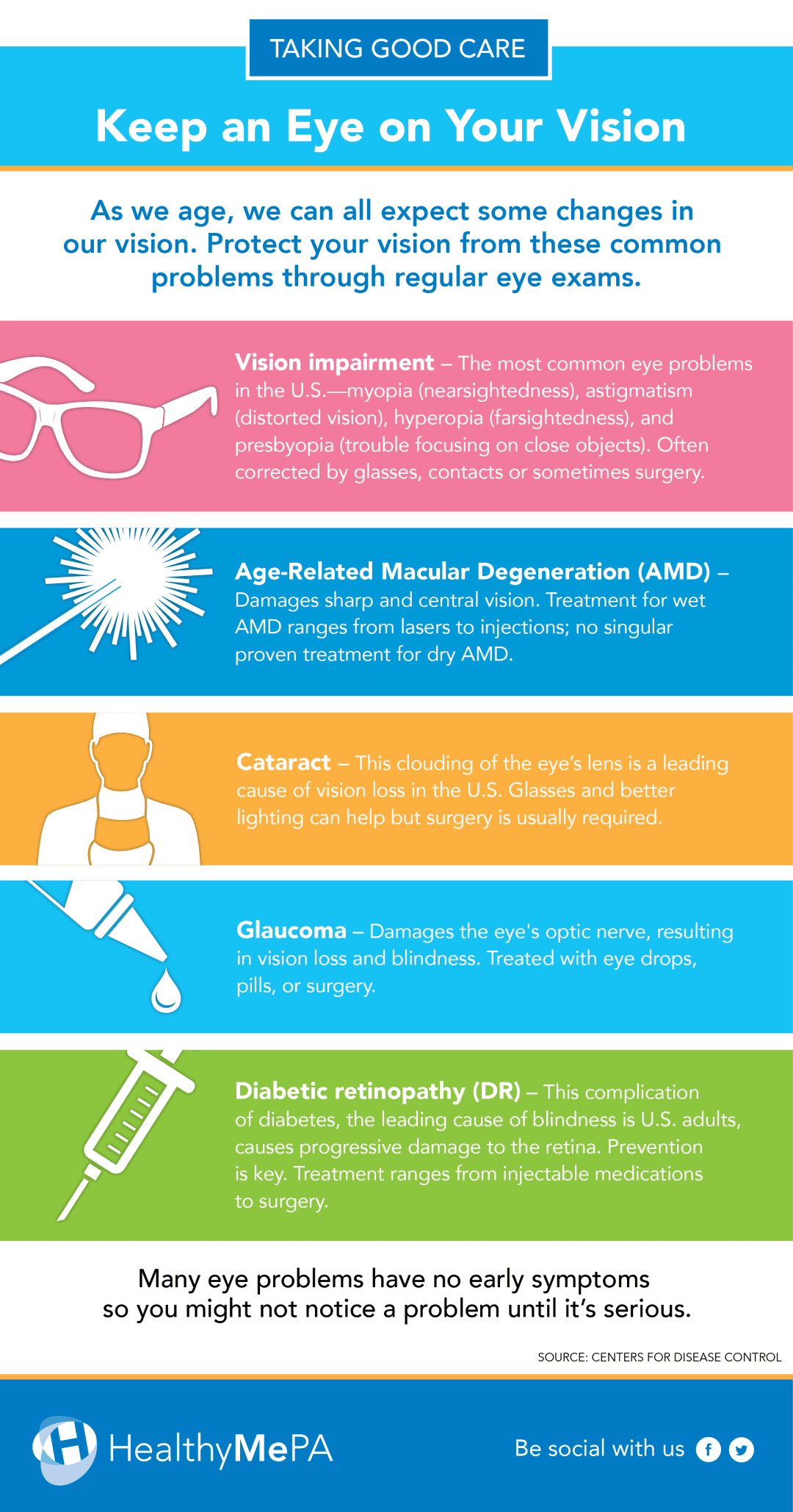
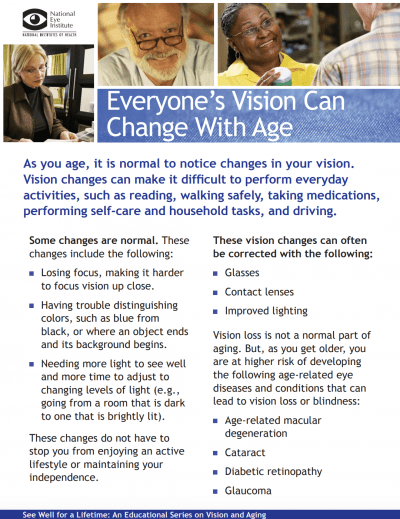
As you age, your eyes undergo changes that can affect your vision. Some common age-related vision problems include presbyopia, cataracts, glaucoma, and age-related macular degeneration. These conditions can impact your ability to see clearly and may even lead to vision loss if left untreated. By understanding these conditions and their risk factors, you can take proactive steps to prevent them and protect your vision.
Regular Eye Exams
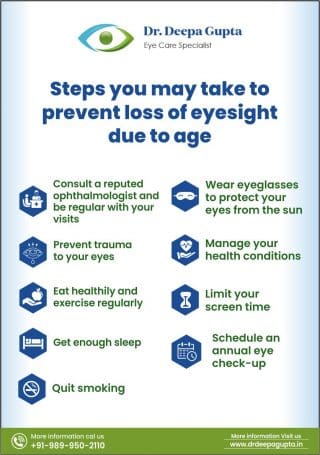
One of the most important things you can do to protect your vision as you age is to have regular eye exams. Eye exams can help detect early signs of age-related vision problems and allow your eye doctor to recommend appropriate treatment or interventions. It’s recommended that adults over the age of 40 have a comprehensive eye exam every 1-2 years, or more frequently if you have a family history of eye conditions or other risk factors.
Protecting Your Eyes from UV Exposure
Exposure to ultraviolet (UV) radiation from the sun can increase your risk of developing age-related vision problems, including cataracts and macular degeneration. To protect your eyes from UV exposure, wear sunglasses that block 100% of UVA and UVB rays whenever you’re outdoors. Look for sunglasses that are labeled as “UV400” or “100% UV protection” to ensure maximum protection for your eyes.
Eating a Healthy Diet
Nutrition plays a key role in maintaining good eye health and preventing age-related vision problems. A diet rich in fruits, vegetables, and lean proteins can provide essential nutrients that are beneficial for your eyes. Some key nutrients for eye health include:
- Vitamin A: Found in foods like carrots, sweet potatoes, and spinach, vitamin A is essential for good vision.
- Vitamin C: Citrus fruits, bell peppers, and strawberries are rich sources of vitamin C, which supports eye health.
- Vitamin E: Nuts, seeds, and leafy greens are high in vitamin E, an antioxidant that helps protect your eyes from damage.
- Omega-3 fatty acids: Fatty fish like salmon, mackerel, and sardines are excellent sources of omega-3s, which can help prevent dry eyes and reduce inflammation in the eyes.
By incorporating these nutrient-rich foods into your diet, you can support your eye health and reduce your risk of age-related vision problems.
Maintaining a Healthy Weight
Obesity and being overweight can increase your risk of developing age-related vision problems, such as diabetes and macular degeneration. By maintaining a healthy weight through a balanced diet and regular exercise, you can reduce your risk of these conditions and protect your vision. Aim to incorporate physical activity into your daily routine, such as walking, swimming, or cycling, to help manage your weight and support your overall health.
Managing Chronic Health Conditions
Chronic health conditions like diabetes, high blood pressure, and high cholesterol can contribute to age-related vision problems. By effectively managing these conditions through medication, lifestyle changes, and regular check-ups with your healthcare provider, you can reduce your risk of complications that may impact your vision. Be sure to follow your treatment plan, monitor your blood sugar and blood pressure levels regularly, and attend all scheduled medical appointments to protect your eyes and overall health.
Quitting Smoking
Smoking is a major risk factor for several age-related vision problems, including cataracts, macular degeneration, and glaucoma. If you currently smoke, quitting can help protect your eyes and reduce your risk of developing these conditions. Smoking cessation can also improve your overall health and quality of life, so consider seeking support and resources to help you quit smoking for good.
Practicing Good Eye Hygiene
Maintaining good eye hygiene is essential for preventing age-related vision problems and maintaining optimal eye health. Here are some tips to keep your eyes clean and healthy:
- Wash your hands: Before touching your eyes or handling contact lenses, wash your hands thoroughly with soap and water to prevent infections.
- Remove makeup: Take off eye makeup before going to bed to avoid irritation or infection.
- Avoid rubbing your eyes: Rubbing your eyes can increase your risk of eye infections and damage delicate eye tissues.
- Use protective eyewear: When working with hazardous materials or participating in sports, wear protective eyewear to prevent eye injuries.
By incorporating these habits into your daily routine, you can help reduce your risk of age-related vision problems and protect your eyes from potential harm.
Managing Screen Time
In today’s digital age, many of us spend hours staring at screens, whether it’s from computers, smartphones, or tablets. Prolonged screen time can contribute to digital eye strain, dry eyes, and other vision problems. To protect your eyes from the negative effects of screen time, consider the following tips:
- Take breaks: Follow the 20-20-20 rule by taking a 20-second break every 20 minutes to look at something 20 feet away.
- Adjust screen settings: Position your screen at eye level and reduce glare by adjusting brightness, contrast, and font size.
- Use artificial tears: If your eyes feel dry or irritated, use artificial tears to lubricate and hydrate your eyes.
By implementing these strategies, you can help reduce eye strain and improve your overall eye health, especially if you spend a significant amount of time in front of screens each day.
Getting Regular Exercise
Physical activity isn’t just beneficial for your overall health – it can also support good eye health and help prevent age-related vision problems. Exercise improves circulation, reduces inflammation, and can lower your risk of chronic conditions that may impact your vision. Aim to incorporate regular exercise into your routine, such as walking, jogging, or yoga, to support your eye health and overall well-being.

Practicing Good Sleep Hygiene
Quality sleep is essential for maintaining optimal eye health and preventing age-related vision problems. Poor sleep can contribute to dry eyes, eye strain, and other vision issues that may affect your eyes over time. To promote good sleep hygiene and protect your eyes, consider the following tips:
- Establish a bedtime routine: Create a relaxing bedtime routine that signals to your body it’s time to wind down and prepare for sleep.
- Limit screen time before bed: Minimize screen time at least an hour before bed to reduce exposure to blue light, which can interfere with your sleep cycle.
- Create a sleep-conducive environment: Maintain a comfortable room temperature, block out light with curtains or a sleep mask, and use white noise or a fan to drown out sound disturbances.
- Invest in a quality mattress and pillows: Choose a supportive mattress and pillows to promote proper spinal alignment and reduce discomfort that may interfere with your sleep.
By prioritizing good sleep habits and creating a restful sleep environment, you can support your eye health and overall well-being for years to come.
Conclusion
Age-related vision problems are a common concern as we get older, but there are steps you can take to prevent them and protect your eyes. By having regular eye exams, wearing sunglasses, eating a healthy diet, maintaining a healthy weight, and managing chronic health conditions, you can support good eye health and reduce your risk of vision problems. Incorporate these strategies into your daily routine, practice good eye hygiene, and prioritize restful sleep to keep your eyes healthy and vibrant as you age. Remember, it’s never too late to start taking care of your eyes – so why not start today?