
You might be surprised to learn that one of the keys to living a longer and healthier life lies in regular physical activity. In today’s fast-paced society, where sedentary lifestyles have become the norm, it is crucial to understand the importance of incorporating exercise into our daily routines. This article explores how engaging in regular physical activity not only enhances our overall well-being but also significantly contributes to increased longevity. So, lace up your sneakers and get ready to discover the exhilarating benefits of staying active!
Definition of Longevity
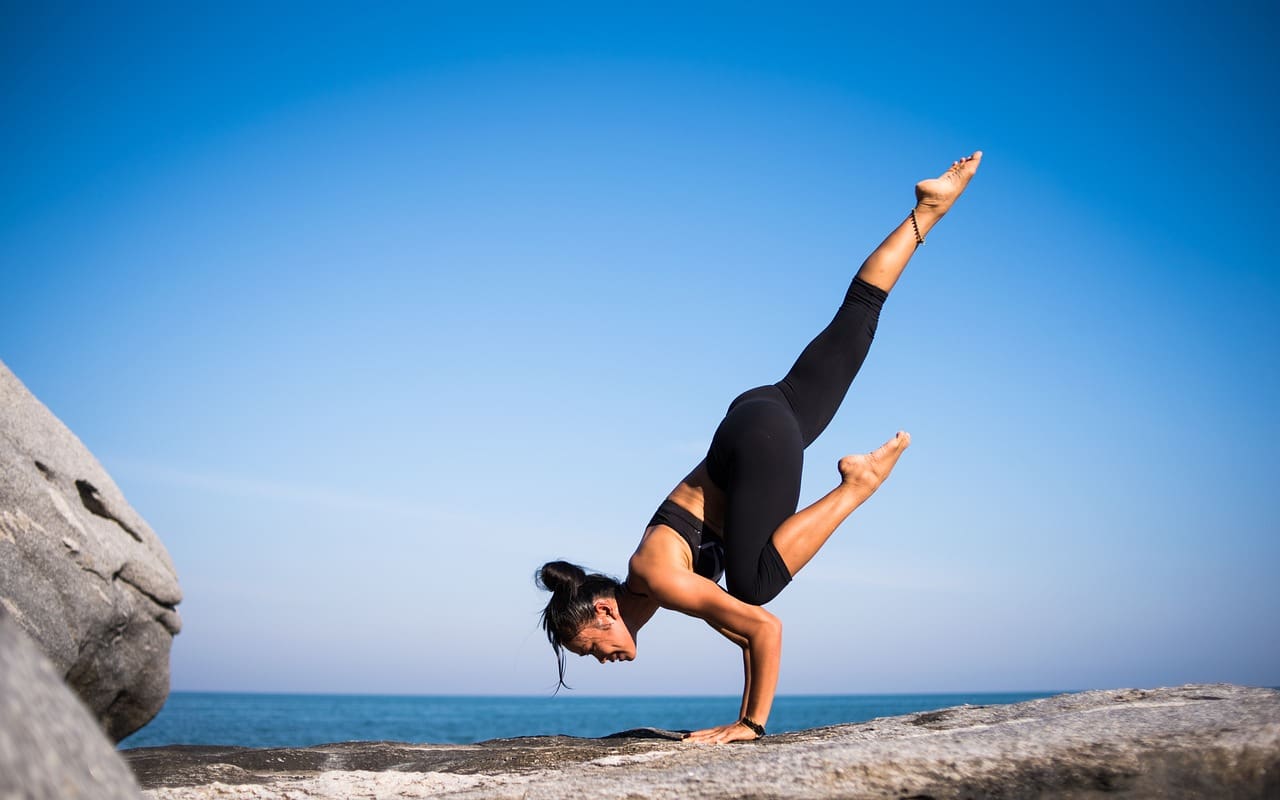
Longevity refers to the length of time that a person lives, often measured in terms of their lifespan. It is an indication of how long an individual can expect to live, and it is influenced by various factors such as genetics, lifestyle choices, and environmental factors. Longevity is an important aspect of overall health and well-being, as it is closely linked to quality of life and the prevention of chronic diseases.
Explanation of Longevity
Longevity is not just about living a long life, but rather about living a long and healthy life. It encompasses not only the quantity of years lived but also the quality of those years. A person who achieves longevity is likely to experience fewer health issues and have a higher level of physical and mental fitness throughout their life. It is important to aim for longevity as it allows individuals to continue enjoying activities they love, maintain independence, and have a positive impact on their communities and loved ones.
Factors Affecting Longevity
Several factors influence longevity, including genetic predisposition, lifestyle choices, and environmental factors. While genetics play a role in determining how long a person may live, lifestyle choices have a significant impact on their overall health and lifespan. Factors such as diet, physical activity, smoking, excessive alcohol consumption, stress levels, and access to healthcare can all affect longevity. By making positive choices in these areas, individuals can improve their chances of living a longer and healthier life.
Importance of Longevity
Longevity is essential for both individuals and societies as a whole. From an individual standpoint, achieving longevity allows for more time to spend with loved ones, pursue personal goals, and continue making meaningful contributions to society. Moreover, longer lifespans mean the accumulation of knowledge and wisdom that can be passed on to future generations. From a societal perspective, longer lifespans can lead to economic benefits, as healthy individuals can remain in the workforce for longer, reducing the strain on pension systems and healthcare resources.
Definition of Regular Physical Activity
Regular physical activity refers to the intentional engagement in physical activities that require moderate to vigorous effort on a consistent basis. It involves moving the body and using various muscle groups, thereby improving cardiovascular health, strength, flexibility, and overall fitness. Regular physical activity is an essential component of a healthy lifestyle and plays a crucial role in promoting longevity.
Explanation of Regular Physical Activity
Regular physical activity involves incorporating planned activities into your daily routine with the goal of increasing your heart rate and engaging in muscle-strengthening exercises. It goes beyond general daily movements and involves dedicated time and effort to engage in activities that challenge your body and improve your physical fitness. By participating in regular physical activity, you can enhance your overall health, prevent chronic diseases, and improve your quality of life.
Types of Physical Activities
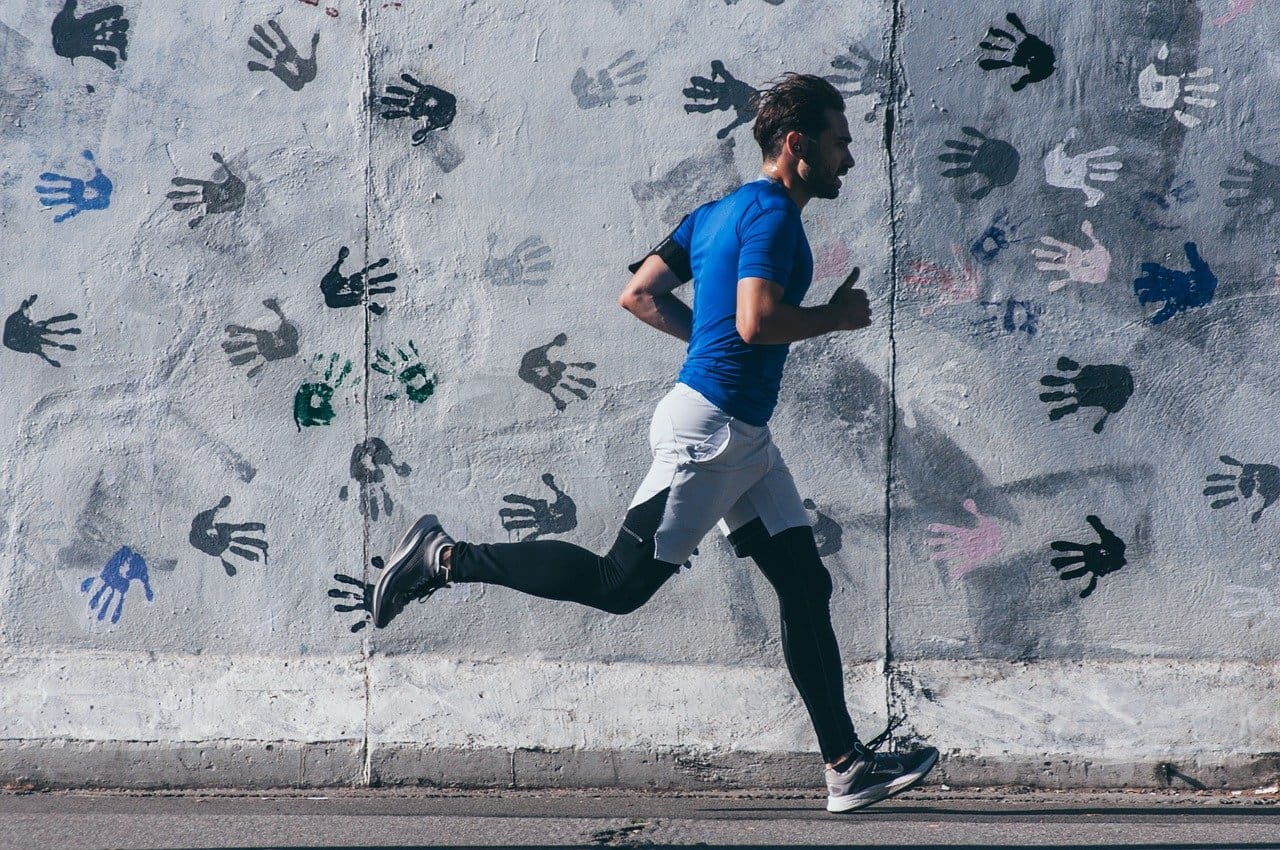
There are various types of physical activities that you can incorporate into your routine based on your interests, capabilities, and preferences. These include aerobic exercises such as walking, jogging, swimming, or cycling, which help to improve cardiovascular health and endurance. Strength training exercises, such as weightlifting or resistance training, focus on building muscle strength and bone density. Flexibility exercises, such as yoga or pilates, promote suppleness and range of motion. Lastly, activities like dancing, playing sports, or participating in group fitness classes provide an opportunity for social interaction while improving overall fitness levels.
Benefits of Regular Physical Activity
Engaging in regular physical activity offers a wide range of benefits for both physical and mental well-being. It helps to control weight, reduce the risk of chronic diseases such as heart disease, diabetes, and certain types of cancer, and improve cardiovascular health. Additionally, regular physical activity promotes better mental health by reducing symptoms of stress, anxiety, and depression. It enhances cognitive function, boosts energy levels, improves sleep quality, and strengthens the immune system. Regular physical activity is also associated with a longer life expectancy and an increased overall quality of life.
The Relationship Between Longevity and Regular Physical Activity
Regular physical activity and longevity are closely interconnected. Studies have consistently shown that individuals who engage in regular physical activity tend to live longer, healthier lives compared to those who lead sedentary lifestyles. This positive relationship between physical activity and longevity can be attributed to the numerous health benefits associated with regular exercise.

Positive Impact of Regular Physical Activity on Longevity
Regular physical activity has been shown to reduce the risk of chronic diseases that can negatively impact longevity, such as heart disease, stroke, diabetes, and certain types of cancer. It helps to maintain healthy blood pressure and cholesterol levels, improves blood circulation, and enhances the functioning of the heart and lungs. Moreover, regular physical activity contributes to weight management and prevents obesity, which is a significant risk factor for various chronic conditions.
Statistics and Studies on Longevity and Physical Activity
Numerous studies have been conducted to explore the relationship between physical activity and longevity. The findings consistently demonstrate the positive impact of regular exercise on overall lifespan and health span. According to research published in The Lancet, individuals who engage in at least 150 minutes of moderate-intensity aerobic activity every week can extend their lifespan by an average of 3.4 years. Another study published in the Journal of the American Medical Association suggests that regular physical activity can reduce the risk of premature death by up to 50%. These statistics highlight the importance of regular physical activity in promoting longevity.
How Regular Physical Activity Increases Life Expectancy
Regular physical activity increases life expectancy by improving various aspects of health and well-being. It helps to strengthen the cardiovascular system, reducing the risk of heart disease and stroke. Increased physical activity also enhances immune function, making individuals more resilient to infections and diseases. Additionally, regular exercise promotes proper weight management, reduces the risk of developing chronic conditions such as diabetes and certain types of cancer, and improves mental health. These cumulative effects contribute to an increased life expectancy and an improved quality of life in the long run.
Physical Activity Guidelines for Longevity
To reap the maximum benefits of physical activity and optimize longevity, it is important to adhere to certain guidelines regarding duration, frequency, and types of exercises.
Recommended Duration and Frequency
The American Heart Association recommends at least 150 minutes of moderate-intensity aerobic activity or 75 minutes of vigorous-intensity activity per week. This can be achieved through 30 minutes of moderate-intensity exercise on most days of the week. Additionally, muscle-strengthening activities should be performed at least two days a week, targeting major muscle groups.
Types of Exercises for Longevity
A well-rounded exercise routine should include a combination of aerobic exercises, strength training, flexibility exercises, and balance activities. Aerobic exercises should be performed regularly to improve cardiovascular health, while strength training exercises help to build muscle strength and maintain bone density. Flexibility exercises such as stretching and yoga enhance joint mobility, and balance activities reduce the risk of falls, particularly in older adults.
Importance of Consistency
Consistency is key when it comes to physical activity for longevity. It is important to make physical activity a part of your daily routine rather than viewing it as a sporadic or occasional activity. Regular engagement ensures that you obtain the optimal health benefits and maintain your fitness levels over time. Aim to be consistent with your exercise routine, even if it means starting with shorter durations and gradually increasing intensity and duration as your fitness improves.
Specific Health Benefits of Regular Physical Activity
Regular physical activity offers a wide range of specific health benefits that contribute to longevity and overall well-being.
Reduces the Risk of Chronic Diseases
Engaging in regular physical activity significantly reduces the risk of chronic diseases such as heart disease, stroke, type 2 diabetes, and certain types of cancer. Physical activity helps to control blood pressure, maintain healthy cholesterol levels, and regulate blood sugar levels. It also reduces the likelihood of developing obesity and metabolic disorders, which are risk factors for many chronic conditions.
Improves Cardiovascular Health
Regular exercise strengthens the heart muscle, improves blood circulation, and enhances the overall functioning of the cardiovascular system. It promotes the development of collateral blood vessels, which can help in the event of a blockage, reducing the risk of heart attacks and strokes. Physical activity also improves the efficiency of the heart, allowing it to pump blood more effectively, and reduces resting heart rate and blood pressure.
Enhances Bone Density and Strength
Weight-bearing exercises, such as walking, jogging, or weightlifting, stimulate bone growth and help to maintain bone density and strength. Regular physical activity reduces the risk of osteoporosis and fractures, particularly in older adults. It is crucial for preventing age-related bone loss and maintaining healthy skeletal structure and function.
Boosts Mental Health and Cognitive Function
Physical activity is not just beneficial for the body but also for the mind. Regular exercise releases endorphins, which are natural mood enhancers that help reduce symptoms of stress, anxiety, and depression. Physical activity also improves cognitive function, including memory, attention, and decision-making skills. It promotes neuroplasticity, which is the brain’s ability to adapt and reorganize, and reduces the risk of cognitive decline and neurodegenerative diseases.
Increases Metabolism and Weight Management
Regular physical activity increases metabolism, the rate at which the body burns calories, leading to weight management and prevention of obesity. It helps to maintain a healthy body weight by balancing energy intake and expenditure. Engaging in activities that involve moderate to vigorous physical effort can help burn calories and fat, build lean muscle mass, and improve body composition.
Improves Sleep Quality
Regular physical activity can improve the quality of sleep by promoting relaxation, reducing anxiety, and regulating circadian rhythms. Engaging in exercise during the day or early evening can help regulate sleep patterns and promote deep and restful sleep. However, it is important to avoid vigorous exercise close to bedtime, as it can stimulate alertness and make it difficult to fall asleep.
Tips for Incorporating Regular Physical Activity into Daily Routine
While regular physical activity is beneficial for longevity, it can sometimes be challenging to incorporate into a busy daily routine. Here are some tips to help you make physical activity a regular part of your life.
Setting Realistic Goals
Start by setting realistic and achievable goals that align with your current fitness level and daily commitments. Gradually increase the duration and intensity of your physical activity as you build stamina and strength.
Choosing Activities According to Preferences
Engage in activities that you genuinely enjoy and find fulfilling. Whether it’s dancing, swimming, hiking, or playing a sport, choosing activities that align with your interests will make it easier to stick to a regular routine.
Finding a Workout Buddy
Exercising with a friend or family member can make physical activity more enjoyable and provide mutual motivation and support. Having a workout buddy can help you stay accountable and make the experience more social.
Making Physical Activity a Social Event
Joining a group fitness class, participating in sports clubs or organizations, or attending community events can turn physical activity into a social event. Interacting with others who share similar interests can make exercising more fun and increase motivation to stay active.
Scheduling Exercise Time
Prioritize physical activity by scheduling specific times for exercise in your daily or weekly calendar. Treating it as an important appointment or commitment increases the likelihood of following through.
Making Use of Technology and Apps
Utilize technology such as fitness trackers or exercise apps to monitor your progress, set goals, and track your achievements. These tools can provide valuable insights and help you stay motivated.
Being Mindful of Physical Limitations and Safety
Acknowledge your physical limitations and any pre-existing health conditions. Consult with a healthcare professional before starting a new exercise routine, particularly if you have any concerns or medical considerations. Always prioritize safety and listen to your body.
Overcoming Barriers to Regular Physical Activity
While physical activity offers numerous benefits, certain barriers can hinder its regular incorporation into daily life. Here are some common barriers and strategies for overcoming them.
Lack of Time and Busy Schedule
Identify opportunities to incorporate physical activity throughout your day, such as taking the stairs instead of the elevator, walking or biking to work, or breaking up exercise into shorter sessions. Prioritize physical activity by assigning it the same importance as other commitments in your schedule.
Physical Limitations or Health Conditions
If you have physical limitations or pre-existing health conditions, consult with a healthcare professional to develop an exercise plan suited to your needs and abilities. Adapt activities to accommodate any limitations and focus on exercises that promote mobility and strength.
Lack of Motivation
Find activities that you genuinely enjoy and consider involving others to boost motivation. Set small, achievable goals and reward yourself for reaching them. Remind yourself of the many benefits of regular physical activity and how it contributes to your overall well-being.
Finding the Right Exercise Environment
If the gym or traditional exercise settings don’t appeal to you, explore alternative options. Consider outdoor activities, home workouts, or recreational sports that align with your preferences and comfort level.
Weather-related Challenges
During inclement weather, explore indoor exercise options such as fitness classes, swimming, or home workouts. Alternatively, invest in appropriate clothing and gear for outdoor activities in different weather conditions.
Workplace Wellness Programs
Take advantage of workplace wellness programs or initiatives that promote physical activity. Participate in lunchtime walks, on-site exercise classes, or other activities organized by your employer to encourage regular movement throughout the workday.
Importance of Proper Nutrition in Conjunction with Physical Activity
While regular physical activity is crucial for longevity, it is equally important to prioritize proper nutrition to support overall health and well-being.
Balanced Diet for Optimal Health and Longevity
A balanced diet that includes a variety of fruits, vegetables, whole grains, lean proteins, and healthy fats is essential for optimal health and longevity. Proper nutrition provides the necessary vitamins, minerals, and nutrients to support bodily functions, energy production, and immune function.
Nutritional Requirements for Active Individuals
Active individuals have higher nutritional requirements to support their physical activity levels adequately. It is important to consume sufficient calories to fuel workouts and promote muscle recovery. Adequate protein intake is also crucial for muscle repair and growth.
Benefits of Adequate Hydration
Staying properly hydrated is essential for overall health and the effectiveness of physical activity. It is recommended to drink water before, during, and after exercise to replace fluid lost through sweat and maintain optimal hydration levels.
Timing of Meals and Snacks Around Physical Activity
Consider the timing of your meals and snacks in relation to physical activity. Eating a well-balanced meal or snack containing carbohydrates and protein before exercising can provide energy and support muscle recovery. Conversely, post-workout nutrition is important for replenishing glycogen stores and aiding muscle repair and growth.
Tips for Aging Well and Maintaining Longevity
As we age, it becomes even more crucial to prioritize physical activity and adopt healthy lifestyle habits to promote longevity and overall well-being.
Staying Active in Older Age
Regular physical activity remains important as individuals age. Engaging in activities that promote strength, balance, flexibility, and cardiovascular health can help maintain mobility, independence, and overall quality of life.
Adapting Physical Activities to Aging Bodies
As we age, it is important to adjust and modify physical activities to accommodate changes in our bodies. This may involve choosing lower-impact exercises, incorporating stretching and flexibility routines, and focusing on balance and stability exercises to reduce the risk of falls.
Importance of Strength Training
Strength training becomes particularly important as individuals age. It helps to preserve muscle mass, promote bone health, and maintain functional strength and independence. It is recommended to include strength training exercises at least two days a week, targeting major muscle groups.
Maintaining Social Connections
Social interactions and maintaining strong relationships are crucial for mental and emotional well-being as we age. Participating in group physical activities, joining clubs or organizations, or simply exercising with friends can help combat social isolation and enhance overall well-being.
Mental Stimulation and Brain Exercises
Engaging in activities that stimulate the mind, such as puzzles, reading, learning new skills, or engaging in hobbies, is important for brain health. Mental stimulation helps maintain cognitive function and may reduce the risk of cognitive decline and neurodegenerative diseases.
Regular Health Check-ups
Regular health check-ups and screenings are essential for monitoring overall health and detecting any potential issues early on. Regular visits to healthcare professionals can help identify and address any specific concerns or conditions that may impact longevity.
Conclusion
Regular physical activity is a key component of promoting longevity and overall well-being. Engaging in regular physical activity offers numerous benefits, including reducing the risk of chronic diseases, improving cardiovascular health, enhancing bone density and strength, boosting mental health and cognitive function, increasing metabolism and weight management, and improving sleep quality. By incorporating physical activity into your daily routine, setting realistic goals, finding enjoyable activities, and prioritizing consistency, you can improve your chances of leading a long and healthy life. Remember to consult with healthcare professionals and consider any individual limitations or health conditions. With proper nutrition, a balanced lifestyle, and a commitment to regular physical activity, you can embrace aging well and enjoy the benefits of longevity.