
Chronic inflammation can have a negative impact on your overall health and well-being. But fear not, because in this article, we will reveal the top ways for you to naturally reduce chronic inflammation. From incorporating anti-inflammatory foods into your diet to engaging in regular exercise and stress-reducing techniques, we’ve got you covered. Say goodbye to discomfort and hello to a healthier, more vibrant you!
Diet and Nutrition
When it comes to reducing chronic inflammation naturally, one of the most important steps you can take is to make changes to your diet and nutrition. By incorporating certain foods and avoiding others, you can help decrease inflammation in your body.
Increase intake of anti-inflammatory foods
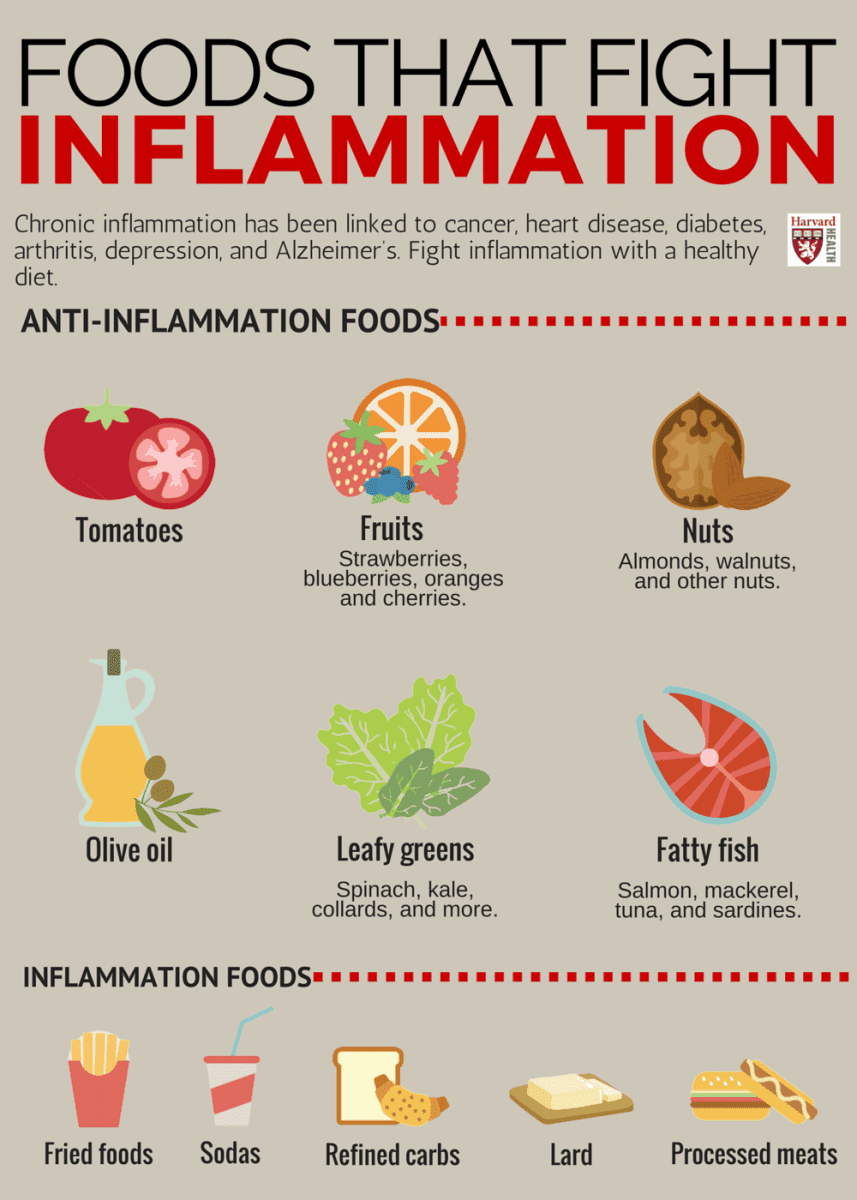
One way to combat chronic inflammation is by increasing your intake of anti-inflammatory foods. These foods are rich in antioxidants and other compounds that can help reduce inflammation in the body. Some examples of anti-inflammatory foods include:
- Fruits: Berries, cherries, and oranges are packed with antioxidants that can fight off inflammation.
- Vegetables: Leafy greens like spinach and kale, as well as colorful vegetables like peppers and sweet potatoes, contain powerful anti-inflammatory properties.
- Whole grains: Foods like quinoa and brown rice are high in fiber and can help reduce the risk of inflammation.
- Healthy fats: Avocados, olive oil, and nuts are great sources of healthy fats that can help reduce inflammation.
By incorporating these foods into your diet, you can provide your body with the nutrients it needs to fight inflammation.
Reduce consumption of inflammatory foods
Just as some foods can reduce inflammation, others can actually promote it. By reducing your consumption of inflammatory foods, you can help keep chronic inflammation at bay. Some common inflammatory foods to avoid include:
- Processed foods: Snacks like chips and cookies, as well as processed meats and refined grains, can trigger inflammation.
- Sugary drinks: Beverages like soda and fruit juices that are high in sugar can lead to chronic inflammation.
- Trans fats: Found in many fried and processed foods, trans fats can increase inflammation in the body.
- Excessive alcohol: While moderate alcohol consumption may have some health benefits, excessive drinking can lead to chronic inflammation.
By making an effort to limit your intake of these inflammatory foods, you can help reduce inflammation in your body.
Eat a balanced diet
In addition to increasing your intake of anti-inflammatory foods and reducing consumption of inflammatory foods, it’s important to eat a balanced diet overall. This means including a variety of nutrients in your meals and avoiding excessive calorie intake. By striving for balance, you can support your body’s natural ability to combat inflammation.
Aim to include a mix of lean proteins, healthy fats, whole grains, and plenty of fruits and vegetables in your meals. This will provide your body with the necessary nutrients to function optimally and reduce inflammation.
Consider a Mediterranean diet
One specific eating approach that has shown promise in reducing chronic inflammation is the Mediterranean diet. This diet emphasizes whole foods, such as fruits, vegetables, whole grains, legumes, and lean proteins, while limiting processed and sugary foods. It also encourages the use of heart-healthy fats like olive oil and nuts.
Research has shown that following a Mediterranean diet can help decrease levels of inflammation markers in the body. Consider incorporating the principles of this eating plan into your own diet to naturally reduce chronic inflammation.
Regular Exercise
Regular exercise is not only important for maintaining a healthy weight and overall fitness, but it can also help reduce chronic inflammation naturally.
Engage in aerobic exercises
Aerobic exercises, also known as cardio, are activities that increase your heart rate and breathing rate. These exercises have been shown to have anti-inflammatory effects on the body. Some examples of aerobic exercises include:
- Brisk walking or jogging
- Cycling
- Swimming
- Dancing
- Aerobic classes
By engaging in aerobic exercises for at least 150 minutes per week, you can help reduce chronic inflammation and improve your overall health.
Incorporate strength training
In addition to aerobic exercises, incorporating strength training into your routine can also have anti-inflammatory benefits. Strength training involves using resistance to build muscle strength and endurance. Some examples of strength training exercises include:
- Weightlifting
- Bodyweight exercises like push-ups and squats
- Resistance band workouts
- Pilates
By working your muscles on a regular basis, you can help reduce chronic inflammation and support overall wellness.
Practice yoga or tai chi
Yoga and tai chi are ancient practices that combine physical movement, breath control, and mindfulness. These activities have been shown to have numerous health benefits, including reducing chronic inflammation. Both yoga and tai chi involve gentle, controlled movements that can help improve flexibility, balance, and strength.
By incorporating yoga or tai chi into your routine a few times a week, you can help reduce inflammation and promote overall well-being.
Stress Management
Chronic stress has been linked to increased inflammation in the body. By implementing stress management techniques into your daily life, you can help reduce inflammation and improve your overall health and well-being.
Try relaxation techniques
Relaxation techniques such as deep breathing exercises, progressive muscle relaxation, and guided imagery can help activate the body’s relaxation response and counteract the effects of chronic stress. These techniques have been shown to decrease levels of inflammation markers in the body.
Set aside a few minutes each day to practice relaxation techniques and give your body a chance to unwind and heal.
Practice mindfulness
Mindfulness involves being fully present and aware of your thoughts, feelings, and bodily sensations. By practicing mindfulness, you can reduce stress and inflammation in the body. Pay attention to the present moment without judgment, and focus on your breath or other sensory experiences.
Engaging in mindfulness practices like meditation, yoga, or deep breathing can help reduce chronic inflammation and promote overall well-being.
Engage in regular leisure activities
Engaging in activities that you enjoy and that bring you pleasure can help reduce stress and inflammation. Whether it’s reading a book, painting, gardening, or listening to music, find hobbies and leisure activities that help you relax and unwind.
By making time for leisure activities in your daily life, you can reduce chronic inflammation and improve your overall quality of life.
Quality Sleep
Getting enough quality sleep is essential for overall health and well-being, and it can also help reduce chronic inflammation naturally.
Establish a regular sleep schedule
Creating and sticking to a regular sleep schedule can help regulate your body’s internal clock and promote better sleep. Aim to go to bed and wake up at the same time every day, even on weekends.
By establishing a consistent sleep routine, you can enhance the quality of your sleep and reduce the risk of chronic inflammation.
Create a sleep-friendly environment
Your sleep environment plays a crucial role in the quality of your sleep. Create a calm and comfortable space that promotes relaxation and restfulness. Make sure your bedroom is cool, quiet, and dark. Invest in a comfortable mattress and pillows that support your body.
By optimizing your sleep environment, you can enhance the quality of your sleep and reduce inflammation in your body.
Limit caffeine and electronic device use before bed
Caffeine is a stimulant that can interfere with sleep. Limit your intake of caffeinated beverages like coffee, tea, and energy drinks, especially in the evening. Avoid consuming caffeine at least 4-6 hours before bed to ensure a restful night’s sleep.
Electronic devices emit blue light, which can disrupt your body’s internal clock and make it harder to fall asleep. Limit your exposure to electronic devices, such as smartphones, tablets, and computers, at least an hour before bed.
By reducing caffeine and electronic device use before bed, you can promote better sleep and reduce chronic inflammation.

Maintain a Healthy Weight
Maintaining a healthy weight is important for overall health and can also help reduce chronic inflammation naturally.
Adopt a balanced and portion-controlled diet
To maintain a healthy weight, it’s important to adopt a balanced diet that provides the right amount of nutrients without excessive calorie intake. Eat a variety of fruits, vegetables, lean proteins, whole grains, and healthy fats, and pay attention to portion sizes.
By fueling your body with the right nutrients and avoiding overeating, you can support a healthy weight and reduce inflammation.
Engage in regular physical activity
In addition to a healthy diet, regular physical activity is crucial for maintaining a healthy weight. Aim for at least 150 minutes of moderate-intensity aerobic exercise or 75 minutes of vigorous-intensity exercise per week.
By incorporating regular physical activity into your routine, you can burn calories, build muscle, and reduce chronic inflammation.
Consider professional guidance if needed
If you’re struggling to maintain a healthy weight on your own, consider seeking professional guidance from a registered dietitian or nutritionist. These experts can provide personalized advice and help you develop a plan that suits your individual needs and goals.
By working with a professional, you can receive the support and guidance necessary to achieve and maintain a healthy weight, reducing chronic inflammation in the process.
Stay Hydrated
Staying hydrated is essential for overall health and can play a role in reducing chronic inflammation.
Drink an adequate amount of water daily
Water is essential for proper bodily functions, including regulating inflammation. Aim to drink at least 8 glasses (64 ounces) of water per day, or more if you are physically active or live in a hot climate.
By staying hydrated, you can support your body’s natural processes and reduce chronic inflammation.
Limit sugary and carbonated beverage intake
Sugary and carbonated beverages, such as soda and energy drinks, can contribute to inflammation in the body. These drinks often contain added sugars and artificial additives that can trigger inflammation.
Limit your intake of sugary and carbonated beverages, and opt for water, herbal tea, or infused water instead. These options are calorie-free and can help keep you hydrated without promoting inflammation.

Herbal Supplements
Certain herbal supplements can have anti-inflammatory properties and may help reduce chronic inflammation naturally. However, it’s important to consult with a healthcare professional before starting any new supplement to ensure safety and effectiveness.
Consider turmeric and ginger supplements
Turmeric and ginger are two herbs that have been used for centuries to reduce inflammation. Both contain compounds that have been shown to have anti-inflammatory effects in the body.
Consider taking turmeric or ginger supplements under the guidance of a healthcare professional to help reduce chronic inflammation.
Explore Omega-3 fatty acid supplements
Omega-3 fatty acids, found in fatty fish like salmon, mackerel, and sardines, have been shown to have anti-inflammatory effects. If you don’t consume enough fatty fish in your diet, consider taking omega-3 fatty acid supplements.
Talk to a healthcare professional about the appropriate dosage and type of omega-3 supplement for your specific needs.
Consult a healthcare professional before starting any new supplement
Before starting any new supplement, it’s crucial to consult with a healthcare professional. They can evaluate your individual health needs and provide guidance on the appropriate supplements and dosages for reducing chronic inflammation.
A healthcare professional can also help ensure that the supplements you’re considering are safe and won’t interact with any medications you may be taking.
Avoid Smoking and Limit Alcohol
Smoking and excessive alcohol consumption can contribute to chronic inflammation and negatively impact overall health. By avoiding smoking and limiting alcohol intake, you can help reduce inflammation naturally.
Quit smoking or avoid exposure to secondhand smoke
Smoking and exposure to secondhand smoke can cause inflammation in the body. If you’re a smoker, quitting smoking should be a top priority for reducing chronic inflammation and improving your overall health.
If you don’t smoke but are frequently exposed to secondhand smoke, take steps to minimize your exposure by avoiding areas where smoking is allowed.
Limit alcohol consumption to moderate levels
While moderate alcohol consumption may have some health benefits, excessive drinking can lead to chronic inflammation and other health issues. Limit your alcohol intake to moderate levels, which means up to one drink per day for women and up to two drinks per day for men.
By avoiding smoking and limiting alcohol consumption, you can reduce chronic inflammation and support your overall well-being.

Reduce Environmental Toxins
Exposure to environmental toxins can contribute to chronic inflammation and negatively impact your health. By taking steps to reduce your exposure to these toxins, you can help reduce inflammation naturally.
Choose organic produce when possible
Conventional produce can contain pesticides and other chemicals that can trigger inflammation in the body. Whenever possible, opt for organic produce, which is grown without the use of synthetic pesticides and fertilizers.
By choosing organic fruits and vegetables, you can minimize your exposure to environmental toxins and reduce chronic inflammation.
Minimize exposure to household chemicals and pollutants
Household chemicals and pollutants, such as cleaning products, air fresheners, and certain cosmetics, can contain harmful ingredients that contribute to inflammation. Minimize your exposure to these toxins by opting for natural and eco-friendly alternatives.
Choose environmentally friendly cleaning products, open windows for fresh air circulation, and choose skincare and personal care products that are free from harmful chemicals.
By reducing your exposure to household chemicals and pollutants, you can lower your risk of chronic inflammation and promote a healthier environment.
Seek Professional Support
If you’re struggling to reduce chronic inflammation on your own, seeking professional support can be beneficial. Healthcare professionals, such as doctors or registered dietitians, can provide personalized advice and guidance tailored to your specific needs and goals.
Consult a healthcare professional for personalized advice
If you’re unsure where to start or need guidance on managing chronic inflammation, consult a healthcare professional. They can evaluate your individual circumstances and provide personalized advice and recommendations.
A healthcare professional can help identify any underlying health conditions that may be contributing to chronic inflammation and create an appropriate treatment plan.
Consider working with a registered dietitian or nutritionist
Registered dietitians and nutritionists are experts in the field of nutrition and can help you create a personalized diet plan to reduce chronic inflammation. They can provide tailored advice on anti-inflammatory foods, portion control, and overall dietary strategies.
By working with a registered dietitian or nutritionist, you can receive the support and guidance needed to make sustainable changes and reduce chronic inflammation naturally.
In conclusion, reducing chronic inflammation naturally requires a holistic approach that involves making positive lifestyle changes. By focusing on diet and nutrition, regular exercise, stress management, quality sleep, maintaining a healthy weight, staying hydrated, incorporating herbal supplements, avoiding smoking and limiting alcohol, reducing environmental toxins, and seeking professional support, you can effectively reduce chronic inflammation and improve your overall health and well-being. Remember to consult with a healthcare professional or other qualified experts before starting any new supplements or making significant changes to your lifestyle.
