
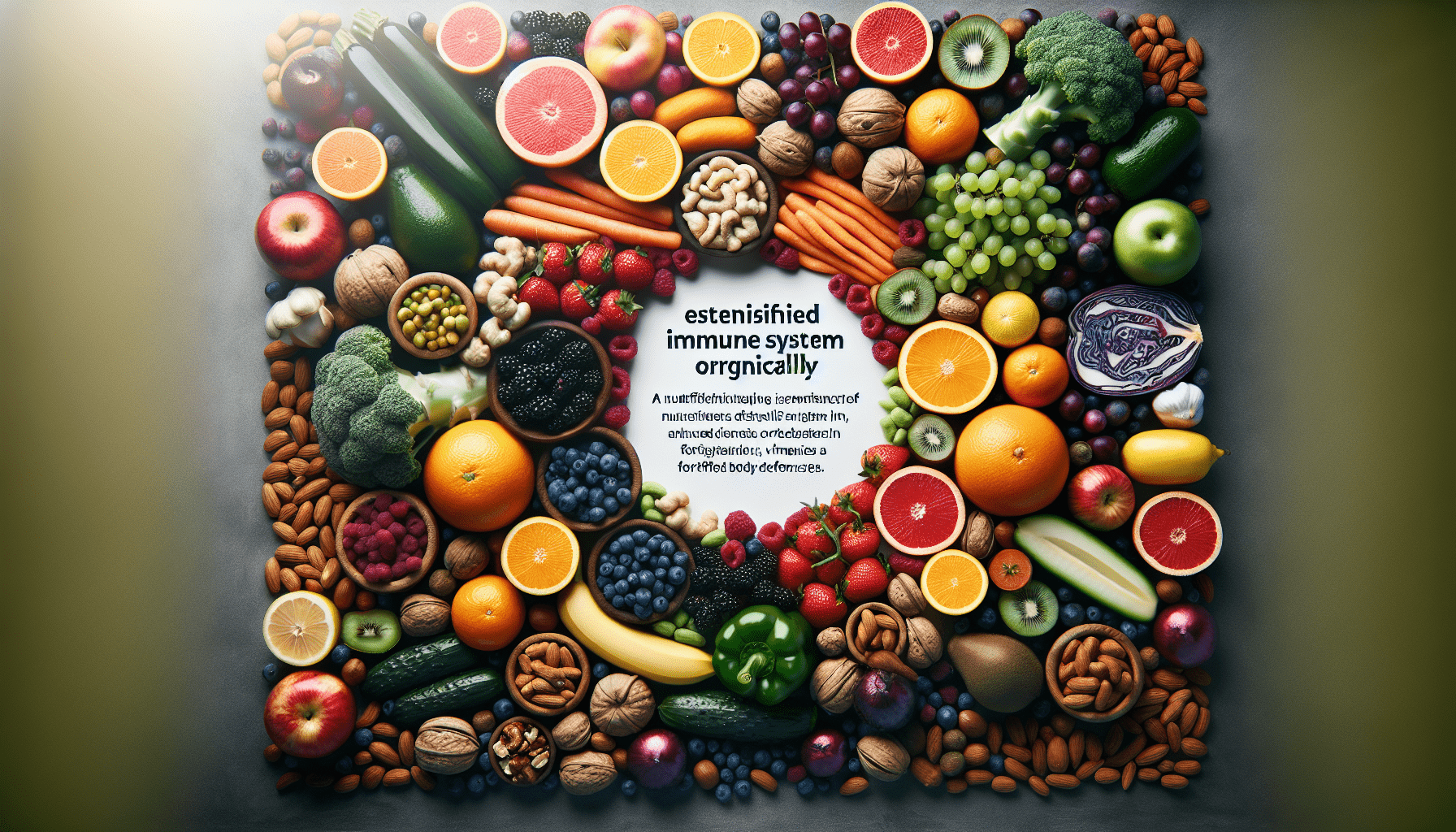
We all want to stay healthy and avoid getting sick, and having a strong immune system is crucial for achieving that. In this article, we will explore some natural ways to boost your immune system and protect yourself from viruses and diseases. From incorporating immune-boosting foods into your diet to getting enough sleep and managing stress, these simple yet effective tips will help you strengthen your immune system and maintain optimal health. So, let’s get started on the path towards a stronger immune system naturally.
Eat a Healthy Diet
Eating a healthy diet is essential for building a stronger immune system. One of the key aspects of a healthy diet is including plenty of fruits and vegetables. These natural powerhouses provide a wide range of vitamins, minerals, and antioxidants that can help boost your immune system. Aim to fill half of your plate with colorful fruits and vegetables at every meal.
In addition to fruits and vegetables, it is important to consume foods that are rich in antioxidants. Antioxidants help to protect your body’s cells from damage caused by harmful free radicals. Examples of antioxidant-rich foods include berries, leafy greens, nuts, and seeds. Including these foods in your diet can provide a powerful immune system boost.
Another way to support your immune system is by incorporating probiotics into your diet. Probiotics are beneficial bacteria that can help improve your gut health. A healthy gut microbiome plays a crucial role in supporting immunity. You can find probiotics in foods such as yogurt, kefir, sauerkraut, and kimchi. Adding these foods to your daily routine can help promote a healthy immune system.
Stay Hydrated
Staying hydrated is often overlooked when it comes to immune health, but it plays a crucial role. Proper hydration helps to flush toxins from your body and supports the function of your immune system. The easiest and most effective way to stay hydrated is by drinking plenty of water throughout the day. Aim for at least 8 glasses of water per day, or more if you are physically active or live in a hot climate.
In addition to water, incorporating herbal teas into your routine can also boost your hydration levels. Herbal teas provide an array of health benefits and can be a refreshing alternative to plain water. Some herbal teas, such as chamomile or ginger tea, also have immune-boosting properties. Including these teas in your daily routine can contribute to a stronger immune system.
While it is important to stay hydrated, it is equally important to avoid excessive alcohol consumption. Alcohol can dehydrate the body and weaken the immune system, making you more susceptible to infections. If you choose to drink alcohol, do so in moderation and remember to balance it with plenty of water.
Get Sufficient Sleep
Getting sufficient sleep is crucial for maintaining a strong immune system. During sleep, your body repairs and rejuvenates itself, including your immune system. To ensure you are getting enough sleep, it is important to maintain a regular sleep schedule. Try to go to bed and wake up at the same time every day, even on weekends.
Creating a restful sleep environment can also contribute to better sleep. Make sure your bedroom is cool, dark, and quiet. Consider investing in a comfortable mattress, pillows, and high-quality bedding. Eliminate any sources of noise or light that may disrupt your sleep, such as loud alarms or electronic devices.
Limiting exposure to electronic devices before bed is important for good sleep hygiene. The blue light emitted by smartphones, tablets, and computers can interfere with your sleep-wake cycle. Try to disconnect from electronic devices at least an hour before bed to give your body a chance to wind down and prepare for sleep.
Manage Stress Levels
Stress can have a negative impact on your immune system, so it is important to find ways to manage and reduce stress in your life. Practice relaxation techniques such as deep breathing, meditation, or yoga. These activities can help calm your mind and reduce stress levels.
Engaging in regular physical activity is another effective way to manage stress. Exercise releases endorphins, which are natural mood and stress regulators. Find an activity that you enjoy, whether it’s going for a walk, bike ride, or joining a fitness class. Aim for at least 30 minutes of moderate-intensity exercise most days of the week.
Seeking social support is also crucial for managing stress. Connecting with loved ones, whether it’s through conversations, spending quality time together, or seeking professional help if necessary, can provide a much-needed emotional outlet. Remember, you don’t have to face stress alone. Reach out to your support system when you need it.
Exercise Regularly
Regular exercise is not only important for maintaining a healthy weight and cardiovascular health but also for strengthening your immune system. Engaging in moderate-intensity exercise, such as brisk walking, swimming, or cycling, can help boost your immune system. Aim for at least 150 minutes of moderate-intensity exercise or 75 minutes of vigorous-intensity exercise per week.
In addition to cardiovascular exercise, incorporating strength training into your routine is beneficial for immune health. Strength training helps to build muscle mass and improve overall body composition. It also stimulates the production of white blood cells, which are essential for fighting off infections. Include exercises that target all major muscle groups, such as squats, lunges, push-ups, and planks.
Trying outdoor activities can provide fresh air and an additional immune system boost. Spending time outside exposes you to natural sunlight, which is a great source of vitamin D. Additionally, outdoor activities such as hiking, gardening, or playing a sport allow you to breathe in fresh air and connect with nature. Aim to spend time outdoors every day, even if it’s just a short walk around your neighborhood.
Maintain a Healthy Weight
Maintaining a healthy weight is important for overall health, including immune function. Adopting a balanced and portion-controlled diet is key to achieving and maintaining a healthy weight. Focus on incorporating a variety of nutrient-dense foods into your meals, such as lean proteins, whole grains, fruits, vegetables, and healthy fats.
Monitoring your calorie intake and expenditure can also help with weight management. Keep track of what you eat and ensure that you are not consuming more calories than your body needs. However, it’s important to remember that quality trumps quantity when it comes to food. Focus on nourishing your body with wholesome foods rather than obsessing over calorie counting.
If you are struggling with weight management or have specific dietary needs, it is advisable to consult a healthcare professional for personalized guidance. They can help create a tailored diet plan that suits your individual needs and goals. Remember, everyone’s body is different, and what works for one person may not work for another.
Limit Sugar and Processed Foods
A diet high in sugar and processed foods can weaken your immune system, making you more susceptible to infections. To support your immune system, it is important to reduce your consumption of sugary drinks and snacks. Opt for water or herbal teas instead of sugary beverages, and choose fresh fruits or nuts as healthy snacks.
When grocery shopping, it is crucial to read food labels for hidden sugars. Sugar can hide under different names, such as sucrose, fructose, corn syrup, or maltose. Be mindful of ingredients lists and aim for products that have little to no added sugars. Opting for whole, unprocessed foods is generally a healthier choice as they provide essential nutrients without added sugars or artificial additives.
Ensure Sufficient Vitamin D Levels
Vitamin D plays a crucial role in immune function, and ensuring sufficient levels can contribute to a stronger immune system. One of the best ways to increase your vitamin D levels naturally is by spending time outdoors and exposing your skin to sunlight. Aim for 15-30 minutes of sun exposure without sunscreen on your face, arms, or legs, a few times a week.
Consider vitamin D supplements under the guidance of a healthcare professional, especially if you live in an area with limited sunlight or have a vitamin D deficiency. They can help determine the appropriate dosage based on your individual needs and conduct any necessary blood tests to assess your vitamin D levels.
Incorporating vitamin D-rich foods in your diet can also help boost your levels. Some examples of foods that naturally contain vitamin D include fatty fish (such as salmon, mackerel, and sardines), egg yolks, and fortified dairy or plant-based milk. Including these foods in your meals can contribute to maintaining adequate vitamin D levels.
Practice Good Hygiene
Practicing good hygiene habits is essential for preventing the spread of infections and keeping your immune system strong. One of the most basic hygiene practices is washing your hands regularly with soap and water. This simple action can help remove dirt, bacteria, and viruses from your hands, reducing the risk of illness.
Avoid touching your face unnecessarily, as this can transfer germs from your hands to your eyes, nose, or mouth. Our hands come into contact with numerous surfaces throughout the day, which may harbor bacteria or viruses. Minimizing face-touching can help reduce the risk of infections.
Covering your mouth and nose when coughing or sneezing is another important hygiene practice. Use a tissue or the inside of your elbow to cover your mouth and nose to prevent the spread of respiratory droplets. Dispose of used tissues immediately and wash your hands afterward to maintain good hygiene.
Avoid Smoking and Secondhand Smoke
Smoking and exposure to secondhand smoke can weaken your immune system and increase the risk of respiratory infections and other health issues. Quitting smoking is one of the best things you can do for your overall health, including your lung health and immune system. Seek assistance and support if needed, as quitting smoking can be challenging. Consult with a healthcare professional to explore the available options and resources.
Minimizing exposure to secondhand smoke is also important. Choose smoke-free environments whenever possible and politely ask those around you not to smoke in your presence. If you live with a smoker, encourage them to quit or at least smoke outside to minimize your exposure. Taking these steps can help protect your immune system and improve your lung health.
In conclusion, building a stronger immune system naturally requires a multifaceted approach encompassing various lifestyle factors. By incorporating healthy eating habits, staying hydrated, getting sufficient sleep, managing stress levels, exercising regularly, maintaining a healthy weight, limiting sugar and processed foods, ensuring sufficient vitamin D levels, practicing good hygiene, and avoiding smoking and secondhand smoke, you can support your immune system and promote overall health and well-being. Remember, small changes in your daily habits can make a big difference in building a stronger immune system naturally.