

In this article, you will discover valuable insights on how to enhance your emotional well-being as a woman. We will explore practical tips and strategies that can empower you to take control of your emotions, nurture healthier relationships, and navigate the challenges of daily life with grace and resilience. By making simple yet impactful changes in your mindset and self-care routine, you can create a foundation for emotional stability and fulfillment. Let’s embark on this journey together and unlock your true emotional potential.

Prioritize Self-Care
Taking care of yourself is essential for overall well-being. It involves making choices that promote physical, mental, and emotional health.
Physical well-being
Engaging in regular physical activities and maintaining a healthy lifestyle is crucial for your emotional health as a woman. Make it a priority to get enough sleep, eat a balanced diet, and stay hydrated. Incorporate exercise into your daily routine and find activities that you enjoy. Whether it’s going for a walk, practicing yoga, or joining a sports team, staying active will help boost your mood and reduce stress.
Mental well-being
Your mental health is just as important as your physical health. Take time to nurture your mind by engaging in activities that promote mental well-being. This could include reading, solving puzzles, doing crossword or Sudoku puzzles, or learning a new skill. It’s also important to challenge negative thoughts and replace them with positive affirmations. Surround yourself with positive influences and practice positive self-talk to maintain a healthy mindset.
Emotional well-being
Emotional well-being involves acknowledging and managing your emotions effectively. Allow yourself to feel all emotions, both positive and negative, and express them in a healthy way. This could involve talking to a trusted friend or family member, engaging in therapy or support groups, or using therapeutic techniques such as journaling or art. Prioritize self-care activities that bring you joy and help you relax, like taking a bubble bath, practicing mindfulness, or listening to your favorite music.
Nurture Positive Relationships
The people you surround yourself with have a significant impact on your emotional health. It’s important to prioritize relationships that are supportive and uplifting.
Surround yourself with supportive people
Having a strong support system is crucial for emotional well-being. Surround yourself with people who uplift and motivate you. These individuals should be supportive, understanding, and non-judgmental. Cultivate relationships with friends, family members, or mentors who genuinely care about your well-being and are there to offer a listening ear or a shoulder to lean on when needed.
Create boundaries with toxic individuals
It’s equally important to recognize and create boundaries with toxic individuals. These are people who consistently bring negative energy into your life and drain your emotional resources. When dealing with toxic individuals, it’s important to prioritize your well-being and distance yourself from their negativity. Establish clear boundaries and limit your interactions with them. Remember, it’s not selfish to prioritize your emotional health.
Practice effective communication
Communication is vital in any relationship. To nurture positive relationships, it’s important to practice effective communication. Be clear and honest about your needs and feelings. Learn to actively listen and validate the emotions and experiences of others. Open and honest communication fosters understanding and can help resolve conflicts or misunderstandings. Remember to choose your words carefully and approach conversations with empathy and respect.
Develop Healthy Coping Mechanisms
Life can be stressful, and healthy coping mechanisms are essential for managing stress and maintaining emotional well-being.
Recognize and manage stress
Stress is a normal part of life, but when it becomes overwhelming, it can negatively impact your emotional health. Learn to recognize the signs of stress, such as irritability, difficulty sleeping, or changes in appetite, and take steps to manage it effectively. This could involve practicing deep breathing exercises, engaging in physical activities, or seeking support from loved ones. Identify healthy ways to cope with stress that work for you, such as practicing mindfulness, engaging in hobbies, or seeking professional help if needed.
Practice relaxation techniques
Relaxation techniques are a great way to reduce stress and promote emotional well-being. Incorporate relaxation techniques into your daily routine. This could include deep breathing exercises, guided imagery, progressive muscle relaxation, or taking soothing baths. Find activities that help you unwind and release tension, such as practicing yoga or meditation. By prioritizing relaxation, you’ll be better equipped to handle life’s challenges.
Engage in hobbies and activities
Engaging in hobbies and activities that bring you joy and fulfillment is an important aspect of emotional well-being. Find activities that you are passionate about and make time for them regularly. Whether it’s painting, dancing, cooking, or playing a musical instrument, these activities can help reduce stress, boost mood, and provide a sense of accomplishment. Hobbies and activities also serve as a form of self-expression and can contribute to your overall sense of well-being.
Practice Mindfulness and Gratitude
Being present in the moment and cultivating gratitude can greatly enhance your emotional health.
Be present in the moment
Practicing mindfulness involves being fully present in the moment and observing your thoughts and emotions without judgment. This can greatly reduce stress and promote emotional well-being. Take time each day to engage in activities mindfully, such as eating a meal without distractions or going for a walk in nature. Being present allows you to fully experience and appreciate each moment, fostering a sense of calm and contentment.
Cultivate gratitude and positivity
Gratitude is a powerful tool for improving emotional health. Take time each day to reflect on the things you’re grateful for. This could be as simple as appreciating a beautiful sunset, a kind gesture from a friend, or having a roof over your head. Cultivating gratitude shifts your focus from negativity to positivity and can greatly improve your overall well-being. Challenge negative thought patterns and actively seek out positive aspects in your life.
Engage in regular meditation or mindful exercises
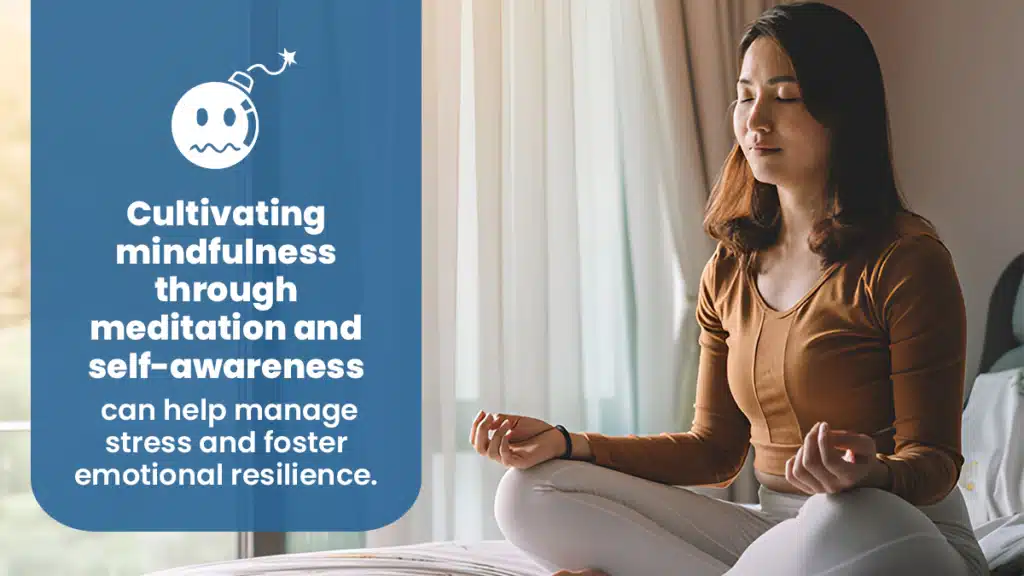
Meditation and other mindful exercises are effective techniques for managing stress and improving emotional health. Set aside time each day to practice meditation, whether it’s a few minutes of deep breathing or a longer guided meditation. Engage in mindful exercises such as yoga or tai chi, which promote relaxation and mental clarity. These practices help train the mind to stay present, reduce anxiety, and enhance overall emotional well-being.

Seek Professional Help When Needed
Recognizing signs of mental health issues and seeking professional help is essential for your emotional well-being.
Recognize signs of mental health issues
It’s important to be aware of the signs of mental health issues and seek help when needed. Common signs include persistent feelings of sadness or hopelessness, changes in appetite and sleep patterns, difficulty concentrating, loss of interest in previously enjoyed activities, or thoughts of self-harm or suicide. If you or someone you know is experiencing any of these symptoms, it’s important to reach out to a mental health professional for assessment and support.
Find a trusted therapist or counselor
If you’re struggling with your emotional health, finding a trusted therapist or counselor can provide invaluable support. Therapists are trained professionals who can help you navigate through difficult emotions, develop coping strategies, and provide a safe space for you to express yourself. They can also help you gain insight and perspective on your thoughts and feelings. Reach out to trusted sources, such as your primary care doctor or trusted friends, for recommendations and resources.
Consider medication if advised by a healthcare professional
In some cases, medication may be recommended by a healthcare professional to help manage mental health conditions. If you’re experiencing severe symptoms or have been diagnosed with a mental health disorder, medication may be a beneficial part of your treatment plan. It’s important to consult with a healthcare provider who can properly assess your needs and provide guidance on the appropriate course of action. Remember, seeking professional help is a sign of strength, and there is no shame in asking for assistance when needed.
Express and Process Emotions
Allowing yourself to express and process your emotions in a healthy way is essential for emotional well-being.
Create a safe space for emotional expression
Creating a safe space for emotional expression is vital for emotional health. This could be through open and supportive conversations with trusted individuals, such as friends, family, or therapists. Letting yourself be vulnerable and sharing your feelings can provide relief and a sense of connection. Remember, it’s important to surround yourself with people who validate and support your emotions without judgment.
Journaling or writing as a form of release
Journaling or writing can be a powerful tool for processing emotions. Set aside time each day to write in a journal or simply free-write about your thoughts and feelings. This practice allows you to gain insights, release pent-up emotions, and identify patterns or triggers. It’s a private and non-judgmental outlet where you can fully express yourself. Consider exploring different forms of writing, such as poetry or creative writing, to further explore and express your emotions.
Engage in therapy or support groups
Therapy or joining support groups can provide a safe and supportive environment for processing emotions. Therapists or support group members can offer guidance, support, and different perspectives on your emotions and experiences. They can help you explore and work through underlying issues, develop healthy coping strategies, and provide validation and understanding. Therapy and support groups offer a sense of community and a space to share and receive support from others who may be going through similar challenges.

Maintain a Healthy Work-Life Balance
Maintaining a healthy work-life balance is crucial for your emotional well-being as a woman.
Set boundaries between work and personal life
Creating boundaries between work and personal life is essential to prevent burnout and maintain emotional well-being. Set clear boundaries by establishing designated work hours and prioritizing personal time outside of work. Avoid checking work emails or engaging in work-related tasks during personal time. By setting boundaries, you’ll allow yourself time to recharge, take care of your own needs, and engage in activities that bring you joy.
Prioritize leisure and relaxation
Leisure and relaxation are important components of emotional well-being. Make it a priority to engage in activities that bring you joy and help you relax. This could be spending time with loved ones, enjoying hobbies, reading a book, or going for a walk in nature. By making time for leisure and relaxation, you’ll feel more balanced and fulfilled in your life.
Practice time management
Learning effective time management skills can help reduce stress and improve your emotional health. Prioritize tasks and activities based on importance and set realistic goals for yourself. Break tasks into smaller, manageable steps and create a schedule or to-do list to stay organized. Avoid overloading your schedule and learn to say no to additional commitments when necessary. By managing your time effectively, you’ll have more control over your life and have time for activities that bring you happiness.
Engage in Regular Exercise
Regular exercise is not only beneficial for physical health but also plays a significant role in improving emotional well-being.
Find physical activities you enjoy
Engaging in physical activities that you enjoy is key to maintaining a regular exercise routine. This could include activities such as walking, running, dancing, swimming, or practicing yoga. Find activities that align with your interests and preferences, as you’re more likely to stick with them. Experiment with different forms of exercise until you find what brings you joy and makes you feel good.
Exercise for stress relief and mood enhancement
Exercise is a natural stress reliever and mood enhancer. When you engage in physical activity, your body releases endorphins, which are known as “feel-good” hormones. Regular exercise helps reduce stress, anxiety, and symptoms of depression. It also improves sleep quality and boosts self-esteem. Aim for at least 30 minutes of moderate-intensity exercise most days of the week to experience the mental health benefits.
Incorporate movement into your daily routine
Incorporating movement into your daily routine is an effective way to prioritize exercise and enhance your emotional well-being. Look for opportunities to be active throughout the day, such as taking the stairs instead of the elevator, going for a walk during your lunch break, or doing a quick workout at home. Small bursts of activity can add up and make a significant difference in your overall health and emotional well-being.
Practice Assertiveness and Self-Advocacy
Practicing assertiveness and self-advocacy is crucial for maintaining healthy relationships and safeguarding your emotional well-being.
Learn to assert your boundaries and needs
Asserting your boundaries and needs is a vital aspect of emotional health. Learn to communicate your limits to others effectively and respectfully. Saying “no” when necessary and setting clear boundaries allows you to prioritize your well-being and prevent feelings of resentment or burnout. Recognize that your needs are valid and deserve to be respected by others.
Advocate for yourself in various settings
Advocating for yourself in various settings, such as the workplace or personal relationships, is important for your emotional well-being. Speak up and assert your opinions, thoughts, and needs in a confident and respectful manner. This can help prevent feelings of being taken advantage of or not being heard. Practice self-advocacy by advocating for your own rights, decisions, and well-being.
Develop self-confidence and self-esteem
Developing self-confidence and self-esteem is essential for emotional well-being. Focus on your strengths and achievements, and practice positive self-talk. Surround yourself with positive influences and challenge negative self-perception. Engage in activities that contribute to your personal growth and self-esteem, such as pursuing new challenges or setting goals for yourself. By developing self-confidence and self-esteem, you’ll be better equipped to advocate for yourself and maintain healthy relationships.
Cultivate a Positive Body Image and Self-Acceptance
Cultivating a positive body image and practicing self-acceptance are important for your emotional well-being as a woman.
Challenge societal beauty standards
Society often imposes unrealistic beauty standards that can negatively impact self-esteem and body image. Challenge these standards and recognize that beauty comes in all shapes, sizes, and forms. Surround yourself with diverse representations of beauty and celebrate the uniqueness of your own body and appearance. Shift your focus from external validation to self-acceptance and inner beauty.
Focus on self-care instead of appearance
Instead of obsessing over your appearance, focus on self-care and overall well-being. Prioritize activities that make you feel good and nourish your mind, body, and soul. This could include engaging in regular exercise, eating nutritious foods, getting enough rest, practicing relaxation techniques, and engaging in hobbies that bring joy. By shifting your focus to self-care, you’re valuing your overall health and well-being rather than solely focusing on appearance.
Practice self-love and acceptance
Practicing self-love and acceptance involves embracing yourself fully and unconditionally. Treat yourself with kindness, compassion, and respect. Celebrate your accomplishments and value your unique qualities. Challenge negative self-talk and replace it with positive affirmations. Surround yourself with positive influences and find a supportive community that fosters self-love and acceptance. By practicing self-love and acceptance, you’ll develop a strong sense of self-worth and enhance your emotional well-being.
In conclusion, improving emotional health as a woman requires prioritizing self-care, nurturing positive relationships, developing healthy coping mechanisms, practicing mindfulness and gratitude, seeking professional help when needed, expressing and processing emotions, maintaining a healthy work-life balance, engaging in regular exercise, practicing assertiveness and self-advocacy, and cultivating a positive body image and self-acceptance. By implementing these strategies into your daily life, you’ll enhance your emotional well-being and live a happier, more fulfilling life. Remember, taking care of your emotional health is not selfish – it’s essential. You deserve to prioritize your well-being and thrive emotionally.
