Welcome to a helpful guide on managing age-related vision changes! As we age, our eyesight may naturally change, but there are simple and effective ways to maintain and improve your vision. From regular eye examinations to staying active and maintaining a healthy diet, we will explore the best strategies for taking care of your eyes as you grow older. So let’s dive in and learn how to keep your vision sharp and clear for years to come. Have you noticed changes in your vision as you’ve gotten older? If so, you’re not alone. Aging can bring about a variety of vision-related changes that can affect your daily life. In this article, we’ll explore the best ways to manage age-related vision changes so you can continue to see clearly and comfortably as you age.
Understanding Age-Related Vision Changes
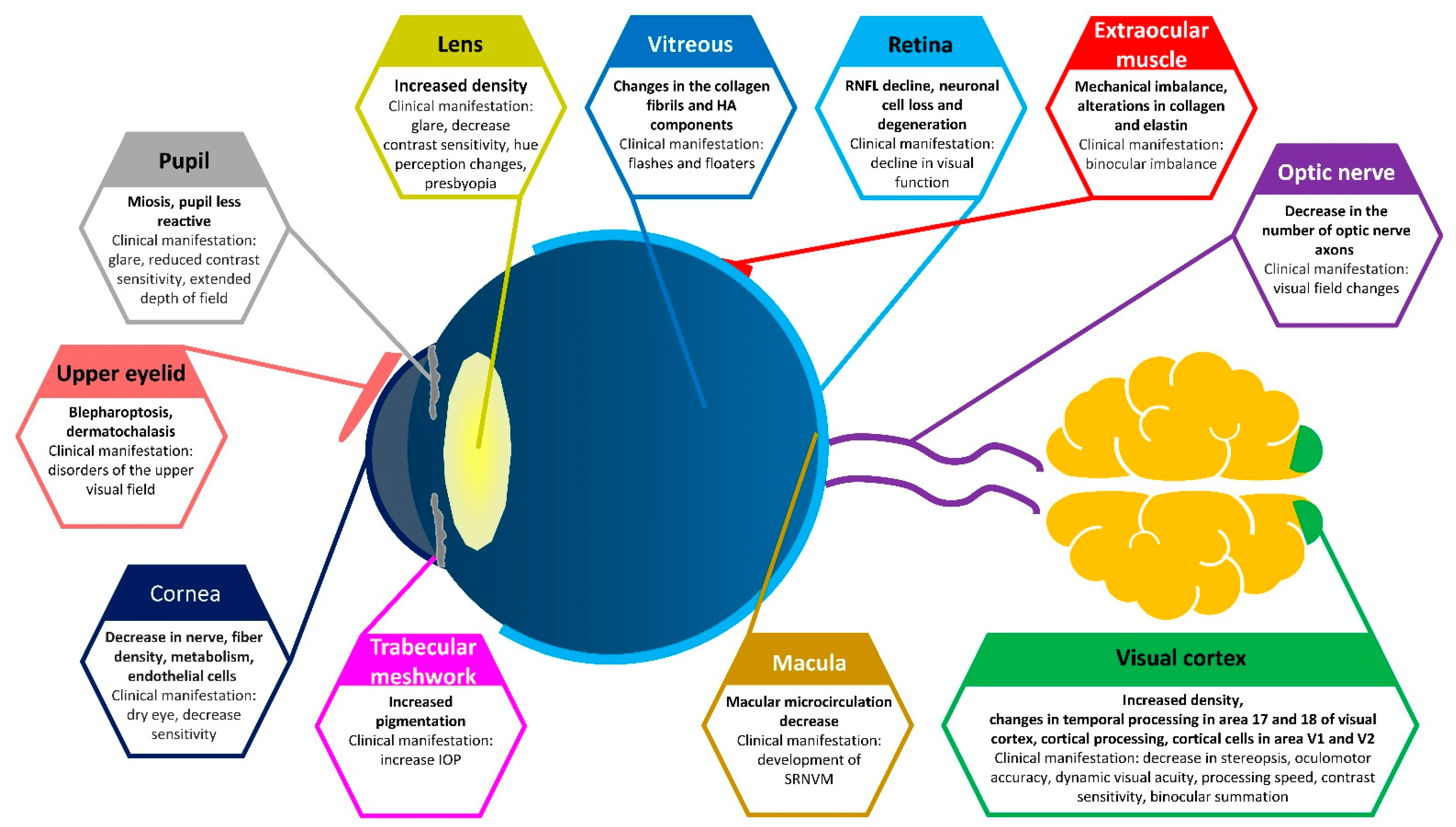
As you age, it’s common for your vision to change. These changes can be a result of a variety of factors, including the natural aging process, genetic predisposition, lifestyle choices, and underlying health conditions. Understanding the different types of vision changes that can occur as you get older can help you take proactive steps to manage them effectively.
Presbyopia
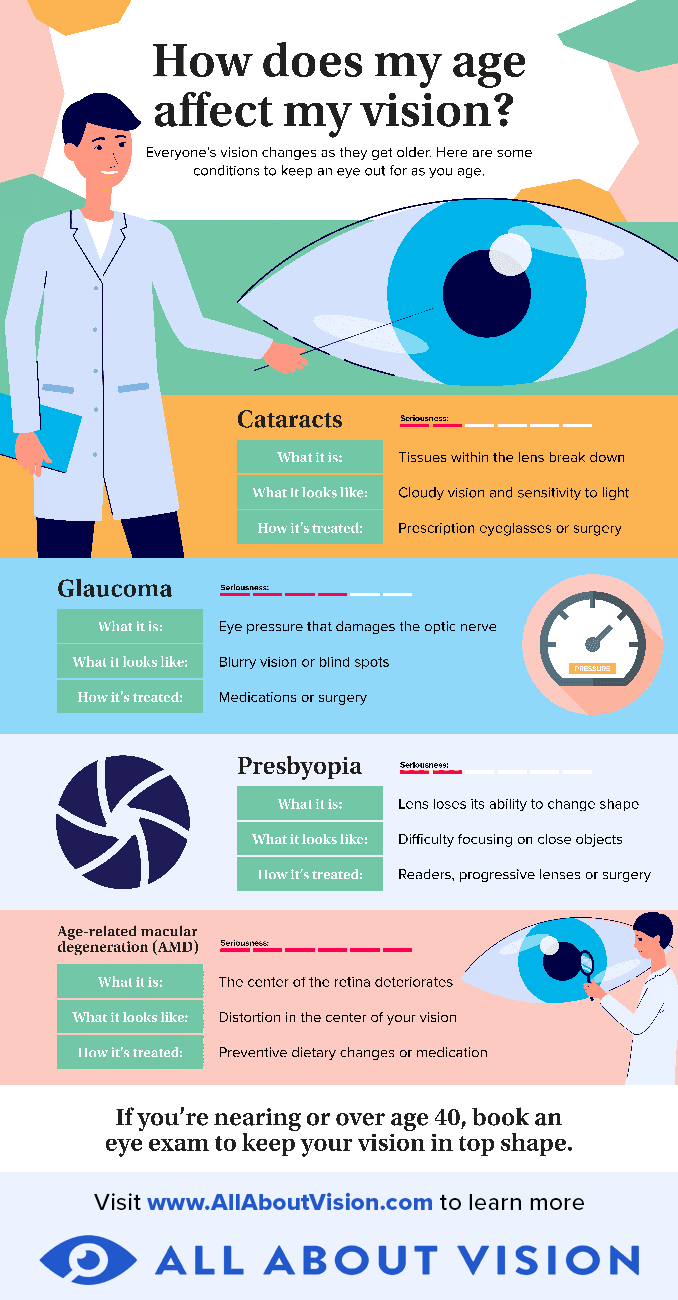
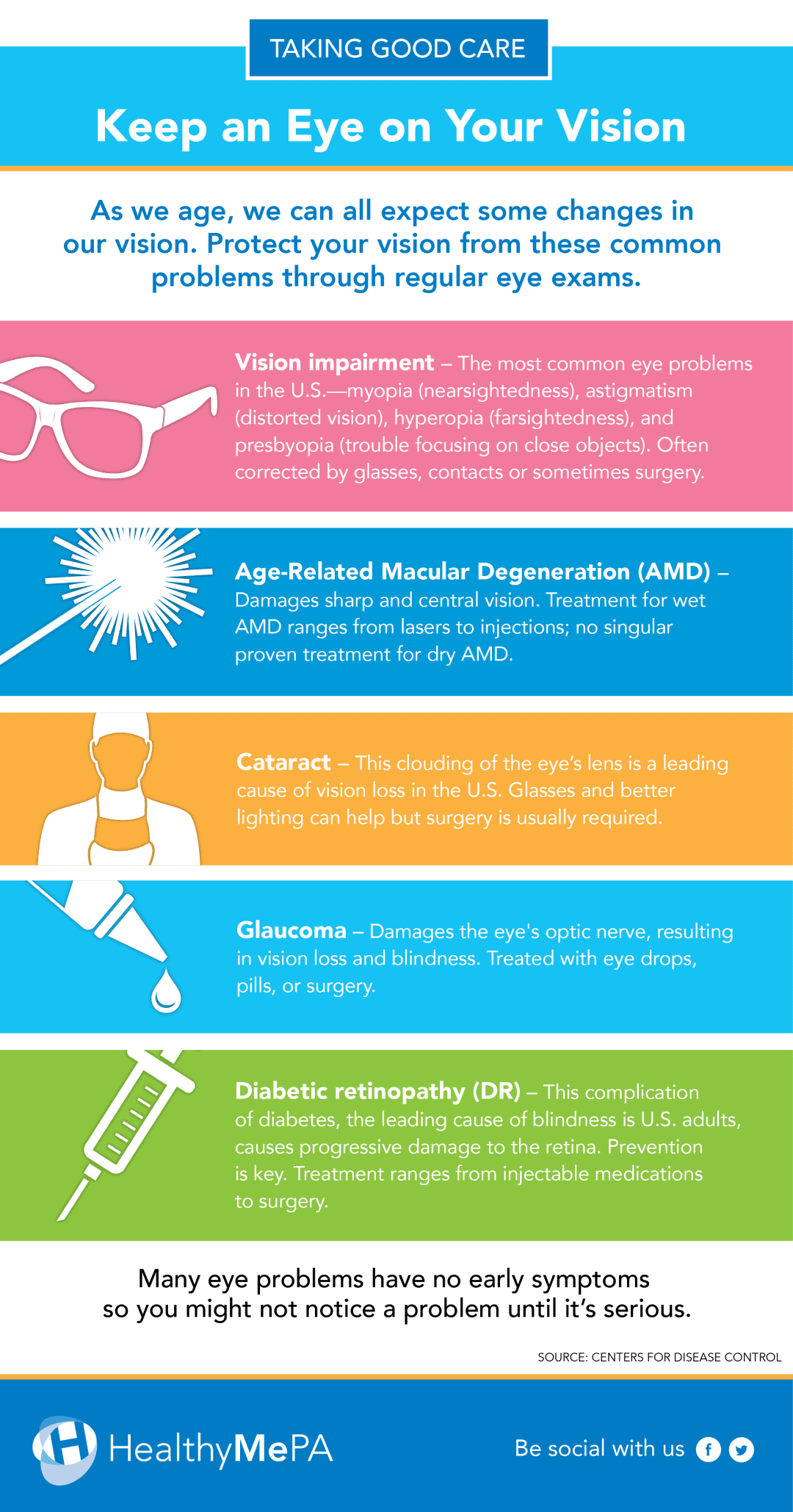
One of the most common age-related vision changes is presbyopia, which typically begins to affect individuals in their 40s and 50s. Presbyopia is the gradual loss of near vision, making it difficult to focus on close-up objects such as reading material, computer screens, and smartphones. This change occurs as the lens of the eye becomes less flexible over time, making it harder to adjust focus for near vision.
Cataracts
Cataracts are another common age-related vision change that can affect your ability to see clearly. Cataracts occur when the natural lens of the eye becomes cloudy, causing blurry or cloudy vision. This can make it challenging to see colors vividly, drive safely at night, and perform daily tasks with ease. Cataracts are typically a result of aging, but they can also be influenced by factors such as smoking, UV exposure, and certain medications.
Age-Related Macular Degeneration (AMD)
Age-related macular degeneration (AMD) is a progressive eye condition that can cause central vision loss over time. AMD affects the macula, which is responsible for sharp, detailed vision needed for activities such as reading, driving, and recognizing faces. There are two types of AMD – dry AMD, which progresses slowly, and wet AMD, which can lead to sudden vision changes and more severe symptoms. AMD can significantly impact your quality of life, so it’s important to be aware of the symptoms and risk factors associated with this condition.
Tips for Managing Age-Related Vision Changes
While age-related vision changes are common, there are several strategies you can implement to manage them effectively and maintain good eye health as you age. By taking proactive steps to care for your eyes, you can reduce the impact of vision changes and improve your overall quality of life.
Regular Eye Exams
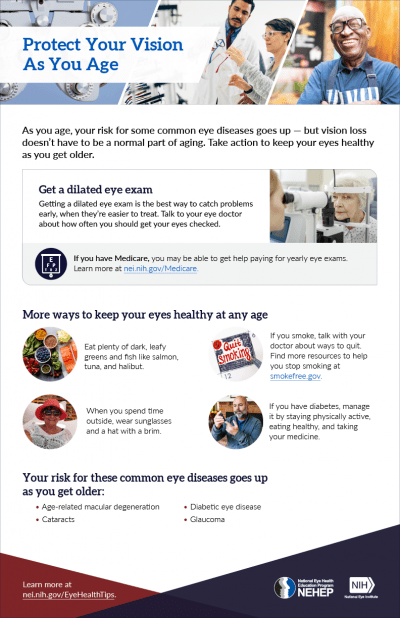
One of the best ways to manage age-related vision changes is to schedule regular eye exams with an optometrist or ophthalmologist. Eye exams can help detect early signs of vision problems, allowing for timely intervention and treatment. During an eye exam, your eye care provider will assess your visual acuity, check for signs of eye diseases, and discuss any concerns you may have about your vision.
Corrective Lenses
If you’re experiencing difficulty with near vision due to presbyopia, wearing corrective lenses such as reading glasses or multifocal lenses can help improve your ability to see up close. For individuals with cataracts or other refractive errors, prescription eyeglasses or contact lenses may be necessary to correct vision problems and enhance visual clarity. Be sure to follow your eye care provider’s recommendations regarding the type and frequency of wear for corrective lenses.
Lifestyle Modifications
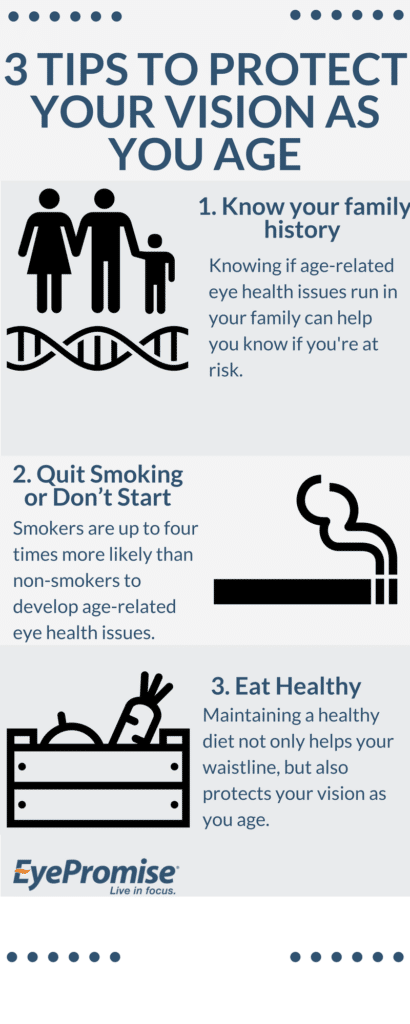
Making healthy lifestyle choices can have a significant impact on your eye health and overall well-being. Eating a nutritious diet rich in fruits, vegetables, and omega-3 fatty acids can support good eye health and reduce the risk of age-related eye conditions. Regular exercise, maintaining a healthy weight, managing chronic conditions such as diabetes and hypertension, and avoiding smoking can also help protect your eyes and preserve your vision as you age.
Eye-Friendly Environment
Creating an eye-friendly environment at home and at work can help minimize eye strain and discomfort caused by age-related vision changes. Ensure that your lighting is adequate for reading and performing tasks, and consider using anti-glare coatings on screens and electronic devices to reduce eye strain. Taking regular breaks from close-up work, adjusting the font size on screens for easier reading, and using proper ergonomics can also help prevent eye fatigue and discomfort.
UV Protection
Protecting your eyes from harmful UV rays is crucial for maintaining good eye health and reducing the risk of age-related eye conditions such as cataracts and macular degeneration. Wear sunglasses that block 100% of UVA and UVB rays whenever you’re outdoors, and consider wearing a wide-brimmed hat for added protection. Avoid prolonged sun exposure, especially during peak hours when UV levels are highest, and be mindful of reflective surfaces that can amplify UV rays.
Treatment Options for Age-Related Vision Changes
In some cases, age-related vision changes may require treatment to improve visual function and preserve eye health. Depending on the specific condition and severity of symptoms, your eye care provider may recommend one or more treatment options to address your vision concerns and help you see more clearly.
Cataract Surgery
If cataracts are significantly impacting your vision and quality of life, cataract surgery may be recommended to remove the cloudy lens and replace it with an artificial lens implant. Cataract surgery is a safe and effective procedure that can restore clear vision and reduce the need for corrective lenses. It’s important to discuss the risks, benefits, and expected outcomes of cataract surgery with your eye surgeon to make an informed decision about treatment.
Medications for AMD
In the case of wet AMD, medications such as anti-VEGF drugs may be prescribed to slow the progression of the disease and prevent further vision loss. These medications work by inhibiting the growth of abnormal blood vessels in the macula, reducing inflammation, and improving visual function. Regular injections of anti-VEGF drugs may be necessary to maintain the benefits of treatment and preserve vision over time.
Low-Vision Aids
For individuals with advanced age-related vision changes that cannot be fully corrected with glasses, contact lenses, or surgery, low-vision aids can provide additional support and enhance functional vision. Low-vision aids include magnifiers, telescopes, electronic devices, and adaptive tools that can help improve reading, writing, and performing daily tasks. Your eye care provider can recommend the most appropriate low-vision aids based on your specific needs and visual goals.
Lifestyle Modifications
In addition to medical treatments and interventions, implementing lifestyle modifications can complement your vision care plan and support your overall eye health. Maintaining a healthy diet, staying active, managing chronic conditions, and protecting your eyes from UV rays can help optimize your visual function and reduce the risk of progressive vision loss. Be sure to follow your eye care provider’s recommendations for follow-up care, monitoring, and ongoing management of age-related vision changes.
Conclusion
Managing age-related vision changes can be a proactive process that involves regular eye care, healthy lifestyle choices, and appropriate treatments to protect your eyes and preserve your vision over time. By understanding the common vision changes associated with aging, adopting preventive strategies, and seeking timely interventions when needed, you can optimize your visual health and enjoy clear, comfortable vision as you age. If you have concerns about your vision or would like to learn more about managing age-related vision changes, schedule an eye exam with your eye care provider to discuss your options and develop a personalized plan for optimal eye health.