
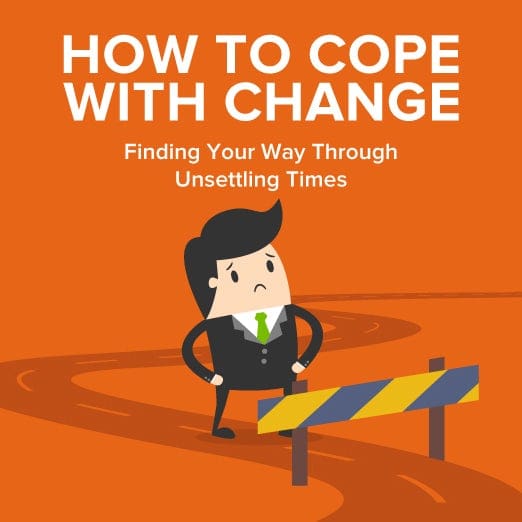
Welcome to an article on the best ways to manage and cope with change. Change is a natural part of life, but it can often feel overwhelming and unsettling. In this article, you will learn practical tips and strategies to help you navigate through transitions with ease and resilience. From embracing flexibility to seeking support from others, these techniques will empower you to adapt to change in a positive and constructive way. So sit back, relax, and prepare to embrace the challenges of change with confidence and grace. Did you ever find yourself feeling overwhelmed by the changes happening in your life and struggle to cope with them? Don’t worry, you’re not alone. Change can be difficult to navigate, but there are ways to manage it effectively. In this article, we will explore the best ways to manage and cope with change in a friendly and informative way, so you can feel more equipped to handle whatever life throws your way.

Understanding Change
Change is a constant in life, whether it’s something as small as trying a new restaurant or as significant as starting a new job. It’s important to understand that change is inevitable and can bring both opportunities and challenges. By accepting that change is a natural part of life, you can begin to approach it with a more positive mindset.
When you face a major change, it’s normal to feel a range of emotions, from excitement to fear and everything in between. Remember that it’s okay to feel overwhelmed or uncertain during times of transition. By acknowledging your feelings and accepting them, you can begin to process and work through them more effectively.
Embracing Change
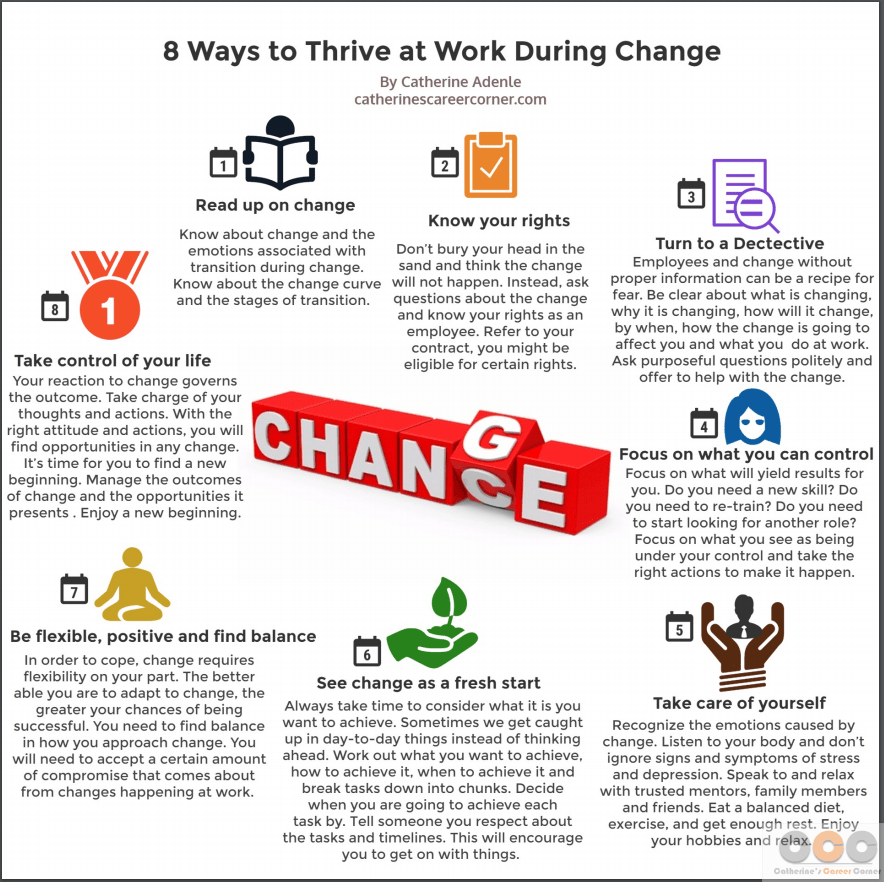
One of the best ways to manage change is to embrace it rather than resist it. Embracing change means being open to new experiences and opportunities that come with it. Instead of focusing on what you’re losing or leaving behind, try to look for the positives in the change and how it can benefit you in the long run.
When you embrace change, you are more likely to adapt to new situations and challenges with greater ease. Instead of fighting against the inevitable, try to approach change with curiosity and a willingness to learn and grow. By adopting a positive attitude towards change, you can navigate through it more smoothly and effectively.
Tips for Embracing Change:
- Stay Open-Minded: Keep an open mind and be willing to explore new possibilities that come with change.
- Focus on the Benefits: Shift your perspective to focus on the potential benefits and opportunities that the change may bring.
- Practice Gratitude: Express gratitude for the lessons and experiences that come with change, even if they are challenging.
Building Resilience
Resilience is a crucial skill when it comes to managing and coping with change. Resilience is the ability to bounce back from setbacks and adapt to new circumstances with strength and flexibility. By developing resilience, you can better navigate through the ups and downs of change and emerge stronger on the other side.
Building resilience takes time and effort, but it is a valuable skill that can help you cope with the challenges that change brings. By cultivating resilience, you can develop a sense of inner strength and resourcefulness that will serve you well in times of transition.
Ways to Build Resilience:
- Develop a Support System: Surround yourself with supportive friends, family, or a therapist who can provide emotional support during times of change.
- Practice Self-Care: Take care of your physical and emotional well-being by getting enough rest, eating healthily, and engaging in activities that bring you joy.
- Cultivate Mindfulness: Practice mindfulness meditation to stay present and grounded during times of uncertainty and change.
Setting Realistic Expectations
When facing change, it’s important to set realistic expectations for yourself and the situation at hand. Avoid putting pressure on yourself to have it all figured out right away or to adapt to the change overnight. Give yourself grace and time to adjust to the new circumstances and be patient with the process.
Setting realistic expectations means acknowledging that change takes time and effort to navigate. Be patient with yourself and others as you work through the challenges that come with change. Remember that it’s okay to seek help and support when needed, and that it’s essential to take things one step at a time.
Strategies for Setting Realistic Expectations:
- Break Tasks into Smaller Steps: Divide larger tasks into smaller, manageable steps to avoid feeling overwhelmed.
- Celebrate Small Victories: Acknowledge and celebrate your progress, no matter how small, as you work towards adjusting to the change.
Seeking Support
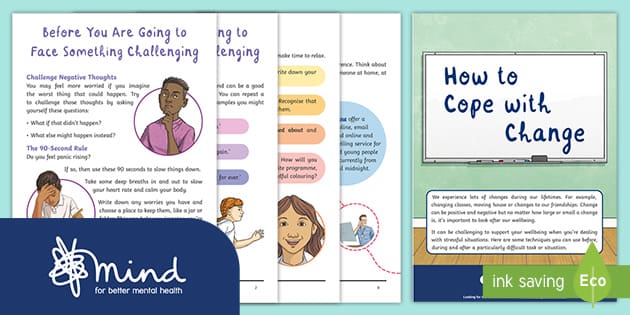
During times of change, it’s essential to seek support from others to help you navigate through the challenges. Whether it’s talking to a friend, seeking advice from a mentor, or joining a support group, reaching out to others can provide you with the emotional support and guidance you need to cope with change effectively.
Support can come in many forms, so don’t hesitate to lean on others for help when you need it. By talking to someone who understands what you’re going through, you can gain valuable insights, perspective, and coping strategies that can make navigating change easier.
Types of Support to Consider:
- Social Support: Connect with friends, family, or coworkers who can offer emotional support and understanding during times of change.
- Professional Support: Seek guidance from a therapist, counselor, or coach who can provide you with tools and strategies to cope with change effectively.
- Online Support Groups: Join online communities or support groups where you can connect with others who are going through similar experiences and share coping strategies.
Practicing Self-Compassion
Self-compassion is the practice of treating yourself with the same kindness and understanding that you would offer to someone else facing a difficult situation. During times of change, it’s essential to practice self-compassion to navigate through the challenges with greater ease and resilience.
When facing change, it’s common to experience self-critical thoughts or negative self-talk. By practicing self-compassion, you can counteract these thoughts and nurture a more positive and supportive relationship with yourself. Remember that it’s okay to make mistakes and that change is a process, not a destination.
Ways to Practice Self-Compassion:
- Be Kind to Yourself: Treat yourself with kindness, understanding, and patience as you navigate through the challenges of change.
- Practice Self-Care: Engage in activities that nourish and replenish your mind, body, and spirit to support your well-being during times of change.
- Challenge Negative Self-Talk: Cultivate a positive inner dialogue and challenge self-critical thoughts with self-affirming and supportive statements.
Cultivating Flexibility
Flexibility is a critical skill when it comes to managing and coping with change. Flexibility allows you to adapt to new circumstances, problem-solve effectively, and navigate through the uncertainties that come with change. By cultivating flexibility, you can approach change with a more open and adaptable mindset.
When facing change, it’s essential to remain flexible in your thinking and actions. Instead of being rigid or resistant to change, try to approach it with a willingness to adapt to new circumstances and challenges. By embracing flexibility, you can navigate through change more gracefully and effectively.
Tips for Cultivating Flexibility:
- Practice Problem-Solving: Develop problem-solving skills to address challenges and obstacles that come with change.
- Stay Open to Feedback: Be open to feedback and new perspectives from others to help you adapt to change more effectively.
- Embrace Uncertainty: Embrace the uncertainties that come with change and approach them with a sense of curiosity and openness.
Creating a Routine
During times of change, creating a routine can provide you with a sense of structure, stability, and predictability that can help you navigate through the uncertainties more easily. By establishing a routine, you can create a sense of normalcy and consistency in your daily life, even during times of transition.
A routine can help you stay grounded and focused during times of change and provide you with a sense of stability and control amid the uncertainties. By incorporating self-care practices, healthy habits, and activities that bring you joy into your routine, you can support your well-being and resilience during times of change.
Tips for Creating a Routine:
- Establish a Morning Routine: Start your day with a morning routine that sets a positive tone and prepares you for the day ahead.
- Schedule Self-Care Practices: Incorporate self-care activities such as exercise, meditation, or journaling into your daily routine to support your well-being.
- Set Boundaries: Establish boundaries around work, social activities, and personal time to create balance and prevent burnout during times of change.
Practicing Mindfulness
Mindfulness is the practice of staying present and fully engaged in the moment, without judgment or attachment to the past or future. During times of change, practicing mindfulness can help you stay grounded, reduce stress, and cultivate a sense of calm and clarity amid the uncertainties.
When facing change, it’s common to feel overwhelmed by worries about the future or regrets about the past. By practicing mindfulness, you can bring your attention back to the present moment and focus on what you can control and influence in the here and now. Mindfulness can help you build resilience, increase self-awareness, and manage stress more effectively during times of change.
Ways to Practice Mindfulness:
- Mindful Breathing: Practice deep breathing exercises to stay calm and centered during moments of stress or overwhelm.
- Mindful Movement: Engage in activities such as yoga, tai chi, or walking meditation to stay present and connected to your body.
- Mindful Eating: Practice mindful eating by savoring each bite, paying attention to your senses, and listening to your body’s hunger and fullness cues.
Reflecting and Learning
Reflection is an essential part of managing and coping with change. By taking the time to reflect on your experiences, thoughts, and emotions during times of transition, you can gain valuable insights, self-awareness, and learning that can support your growth and resilience.
When facing change, it’s helpful to pause and reflect on the challenges, opportunities, and lessons that come with it. By engaging in self-reflection, you can identify patterns, triggers, and coping strategies that can help you navigate through change more effectively. Remember that change is a journey of growth and learning, and that reflection is a powerful tool for personal development.
Strategies for Reflecting and Learning:
- Journaling: Keep a journal to record your thoughts, emotions, and experiences during times of change to gain clarity and perspective.
- Mindful Reflection: Practice reflective exercises such as meditation or visualization to explore your inner thoughts and emotions in a mindful and nonjudgmental way.
- Seek Feedback: Ask for feedback from others to gain different perspectives and insights that can help you learn and grow from the challenges of change.
Setting Goals and Taking Action
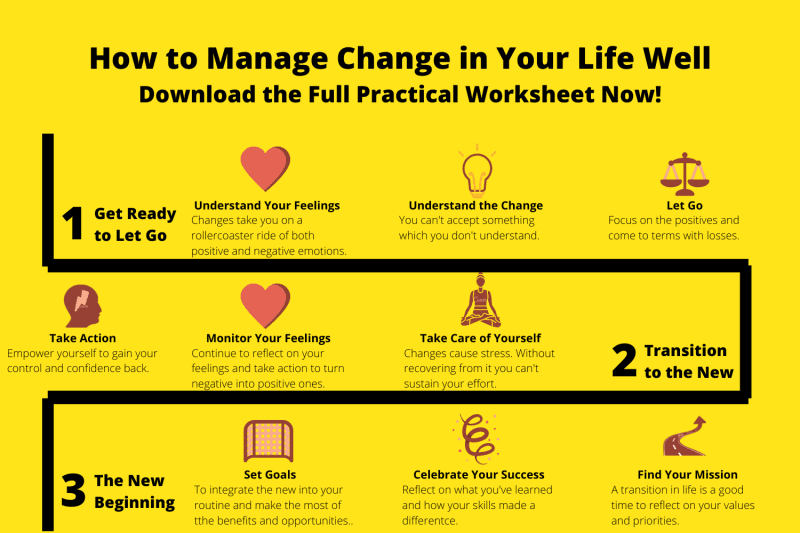
Setting goals and taking action are essential steps in managing and coping with change effectively. By setting realistic and achievable goals for yourself during times of transition, you can create a sense of purpose, direction, and focus that can help you navigate through change with intention and resilience.
When setting goals, it’s important to break them down into smaller, actionable steps that you can take to move closer to your objectives. By taking proactive steps towards your goals, you can build momentum, confidence, and motivation that can support you in overcoming obstacles and challenges that come with change.
Steps for Setting Goals and Taking Action:
- Identify Your Priorities: Determine your values, priorities, and objectives to set meaningful and purposeful goals for yourself during times of change.
- Create SMART Goals: Develop Specific, Measurable, Achievable, Relevant, and Time-bound goals that align with your vision and aspirations for the future.
- Take Small Steps: Break down your goals into smaller, actionable steps that you can take consistently to move towards your objectives during times of change.
Celebrating Progress and Success
Celebrating progress and success is an essential part of managing and coping with change. By acknowledging, appreciating, and celebrating your achievements and milestones during times of transition, you can reinforce positive habits, behaviors, and attitudes that can support your well-being and resilience.
When celebrating progress, it’s essential to recognize both small and big wins, no matter how insignificant they may seem. By acknowledging your efforts, progress, and growth during times of change, you can build confidence, motivation, and a sense of accomplishment that can fuel your journey towards achieving your goals and aspirations.
Ways to Celebrate Progress and Success:
- Reward Yourself: Treat yourself to a small reward or celebration when you reach a milestone or achieve a goal during times of change.
- Express Gratitude: Express gratitude for your efforts, progress, and achievements by acknowledging and celebrating your successes with others.
- Reflect on Your Growth: Take time to reflect on your personal growth, development, and resilience during times of change to appreciate your journey and accomplishments.
Embracing the Journey of Change
Change is an inevitable and essential part of life that brings both challenges and opportunities. By embracing the journey of change with an open mind, resilient spirit, and compassionate heart, you can navigate through the uncertainties and transitions with greater ease, grace, and empowerment.
Remember that change is a process of growth and learning that can help you discover new strengths, insights, and possibilities within yourself. By practicing self-compassion, cultivating resilience, and staying open to new experiences, you can embrace the journey of change with courage, wisdom, and gratitude for the lessons it brings.
So, when faced with change in your life, remember to embrace it with an open heart, flexible mindset, and supportive community that can help you navigate through the uncertainties and challenges with grace, resilience, and empowerment. Change may be inevitable, but with the right mindset, tools, and support, you can manage and cope with it effectively, one step at a time.