Welcome to an informative article on the best ways to manage and overcome phobias. Phobias can be overwhelming and debilitating, but with the right strategies, you can learn to cope and conquer your fears. By understanding the root cause of your phobia, seeking professional help, using relaxation techniques, and gradually facing your fears, you can take control of your phobia and live a more fulfilling life. Stay tuned for practical tips and guidance on how to effectively manage and overcome phobias. Have you ever found yourself feeling intense fear or anxiety when faced with a specific situation or object? Phobias are more common than you may think, affecting millions of people worldwide. But the good news is that there are effective ways to manage and overcome phobias. In this article, we will explore some of the best strategies to help you conquer your fears and live a happier, more fulfilling life.
Understanding Phobias
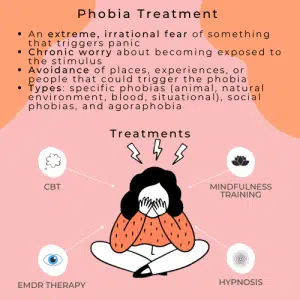
Phobias are a type of anxiety disorder that involve an intense and irrational fear of a specific situation, object, or activity. This fear is often disproportionate to the actual danger posed by the situation or object, and can significantly impact a person’s quality of life. Common phobias include fear of heights (acrophobia), fear of spiders (arachnophobia), and fear of flying (aviophobia).
People develop phobias for a variety of reasons, including past traumatic experiences, learned behaviors from parents or caregivers, or genetic predisposition to anxiety. Regardless of the cause, phobias can be debilitating and make it difficult for individuals to live their lives to the fullest.
Signs and Symptoms of Phobias
Phobias can manifest in a variety of ways, both emotionally and physically. Some common signs and symptoms of phobias include:
- Intense fear or anxiety when faced with the object of the phobia
- Avoidance of the object or situation that triggers the fear
- Physical symptoms such as rapid heartbeat, trembling, sweating, and shortness of breath
- Panic attacks when confronted with the phobia
- Difficulty functioning in everyday situations due to the fear
If you are experiencing any of these symptoms, it may be a sign that you have a phobia that could benefit from professional treatment.

Best Ways to Manage Phobias
While phobias can be challenging to overcome, there are several effective strategies that can help you manage your fears and lead a more fulfilling life. From therapy to self-help techniques, finding the right approach for you is key to conquering your phobia.
Cognitive Behavioral Therapy (CBT)
One of the most common and effective treatments for phobias is cognitive behavioral therapy (CBT). CBT involves working with a therapist to identify the underlying thoughts and beliefs that contribute to your phobia, and then learning new ways to respond to those thoughts. Through techniques such as exposure therapy and cognitive restructuring, CBT can help you gradually confront your fears and build confidence in managing them.
CBT is typically conducted in a series of sessions over several weeks or months, depending on the severity of your phobia. By working closely with a therapist, you can develop the skills and coping mechanisms needed to face your fears head-on and overcome them.
Exposure Therapy
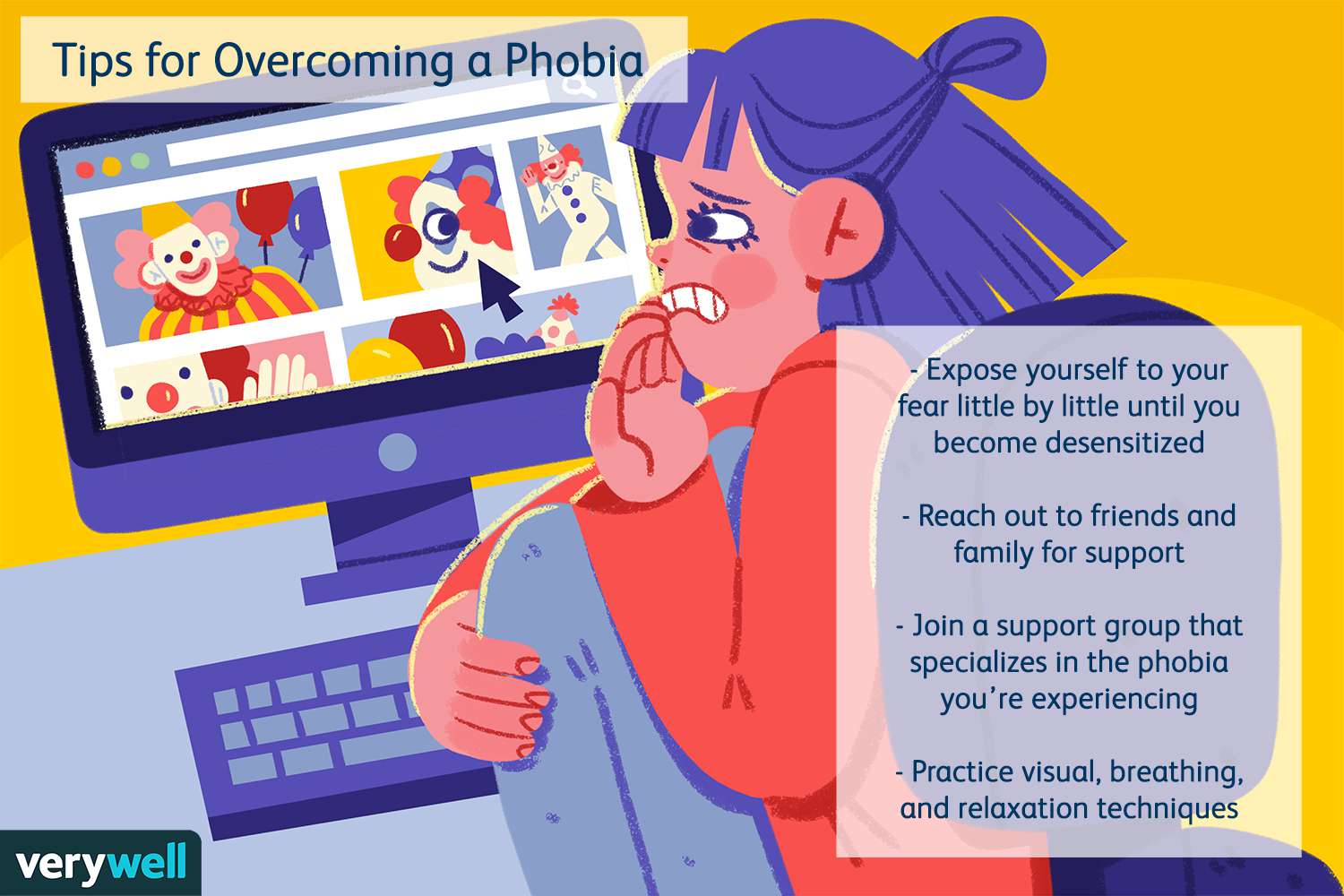
Exposure therapy is a key component of CBT and involves gradually exposing yourself to the object or situation that triggers your phobia. The goal of exposure therapy is to help you confront your fears in a safe and controlled environment, allowing you to gradually desensitize yourself to the source of your anxiety.
For example, if you have a fear of spiders, exposure therapy may involve starting by looking at pictures of spiders, then gradually progressing to being in the same room as a spider, and eventually even touching a spider. By facing your fears in a gradual and systematic way, you can learn to tolerate the anxiety and reduce your fear response over time.
Relaxation Techniques
In addition to therapy, relaxation techniques can be a helpful tool in managing phobias. Techniques such as deep breathing, progressive muscle relaxation, and mindfulness meditation can help you calm your mind and body when faced with a triggering situation. By practicing these techniques regularly, you can learn to reduce your overall anxiety levels and better cope with the symptoms of your phobia.
Next time you feel yourself becoming anxious or fearful, try taking a few deep breaths and focusing on the present moment. This can help you feel more grounded and in control of your emotions, making it easier to face your fears with confidence.
Support Groups
Support groups can be a valuable resource for individuals struggling with phobias, providing a safe and understanding environment to share experiences and coping strategies. By connecting with others who are facing similar challenges, you can find comfort and encouragement in knowing that you are not alone in your struggles.
Support groups may be led by trained professionals or peers who have successfully overcome their own phobias. By participating in group discussions and activities, you can gain valuable insights and practical tips for managing your fear.
Self-Help Techniques
In addition to professional treatment, there are many self-help techniques that you can use to manage your phobia on your own. These may include:
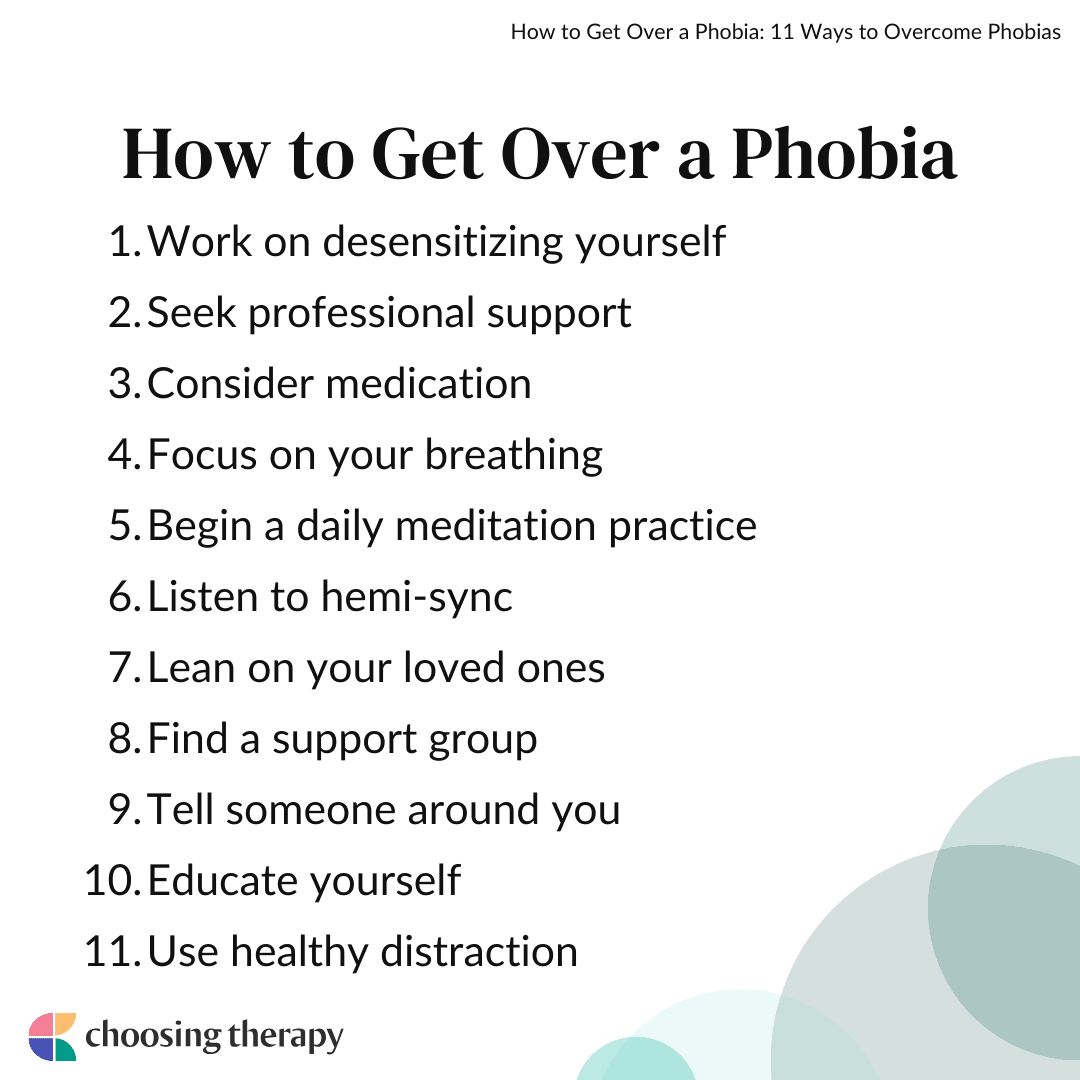
- Educating yourself about your phobia and its triggers
- Keeping a journal to track your thoughts and feelings
- Practicing relaxation techniques, such as deep breathing and visualization
- Gradually exposing yourself to the source of your fear in a controlled manner
- Rewarding yourself for facing your fears and making progress
By taking an active role in your treatment and being proactive in managing your phobia, you can empower yourself to make positive changes and overcome your fears.
Conclusion
Phobias can be incredibly challenging to live with, but they are not insurmountable. By seeking professional help, engaging in therapy, and practicing self-help techniques, you can learn to manage your fears and lead a more fulfilling life. Remember, you are not alone in your struggle with phobias, and there are resources available to support you on your journey to recovery. Stay strong, stay positive, and remember that you have the power to overcome your fears.