
Welcome to a journey towards greater emotional well-being through the practice of mindfulness. In today’s fast-paced world, stress and emotional turbulence can take a toll on our mental health. By incorporating mindfulness techniques into your daily routine, you can cultivate a sense of peace, clarity, and emotional resilience. This article will explore the benefits of practicing mindfulness and provide practical tips on how to incorporate it into your life. Let’s embark on this journey together and discover the transformative power of mindfulness for your emotional well-being. Have you ever found yourself feeling overwhelmed with your emotions and struggling to cope with the challenges of everyday life? If so, you’re not alone. Many people experience high levels of stress, anxiety, and other negative emotions that can impact their overall well-being. The good news is that there are ways to improve your emotional health and find greater peace and happiness in your life. One effective technique that has gained popularity in recent years is mindfulness. By practicing mindfulness, you can learn to better manage your emotions and cultivate a sense of inner calm and balance. In this article, we will explore the benefits of mindfulness for emotional well-being and provide you with practical tips on how you can incorporate this powerful practice into your daily life.
What is Mindfulness?
At its core, mindfulness is the practice of being fully present in the moment and paying attention to your thoughts, feelings, sensations, and surroundings without judgment. It involves taking a non-reactive and accepting stance towards whatever arises in your awareness, whether it’s pleasant, unpleasant, or neutral. By cultivating mindfulness, you can develop greater self-awareness, emotional regulation, and resilience in the face of life’s challenges.
Why Practice Mindfulness?
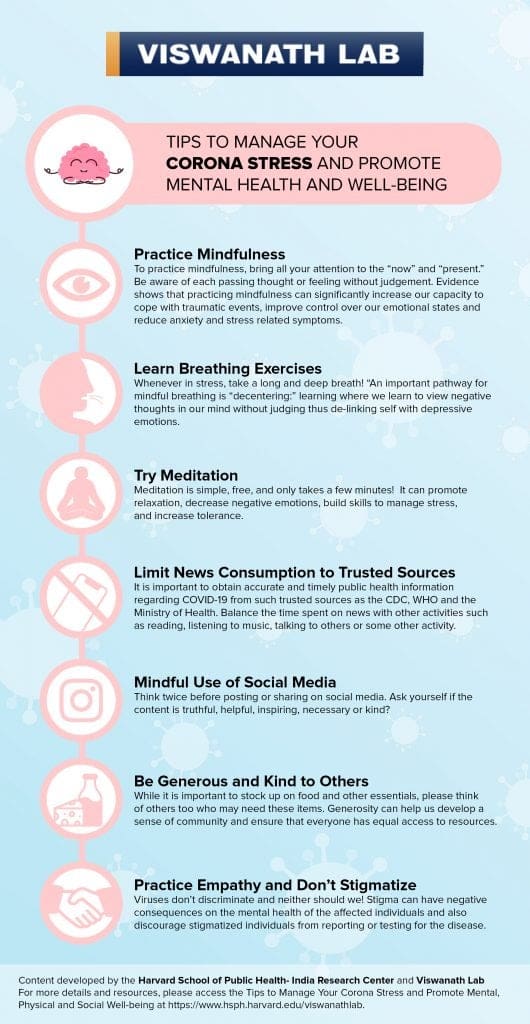
Practicing mindfulness has been linked to a wide range of physical, mental, and emotional benefits, including reduced stress, anxiety, depression, and improved overall well-being. Research has shown that regular mindfulness practice can lead to changes in the brain that enhance attention, emotional regulation, and empathy. By learning to be more mindful, you can better understand your thoughts and emotions, break free from negative patterns of thinking, and live more fully in the present moment.
How to Practice Mindfulness
Now that you understand the basics of mindfulness, let’s explore some practical ways you can incorporate this powerful practice into your daily life. Here are a few simple techniques to help you get started:
Mindful Breathing
One of the simplest and most effective ways to practice mindfulness is through mindful breathing. Take a few moments to sit or lie down in a comfortable position and close your eyes. Focus your attention on your breath as it moves in and out of your body. Notice the sensation of the air entering and leaving your nostrils, the rise and fall of your chest and abdomen, and the rhythmic pattern of your breathing. If your mind starts to wander, gently bring your focus back to your breath without judgment. Practice this exercise for a few minutes each day to cultivate a greater sense of calm and inner peace.
Body Scan
Another powerful mindfulness technique is the body scan. Find a quiet place where you won’t be disturbed and lie down on your back with your arms at your sides. Close your eyes and bring your attention to different parts of your body, starting with your toes and working your way up to the top of your head. Notice any sensations, tension, or discomfort in each area and breathe into those feelings with a sense of curiosity and openness. By practicing the body scan regularly, you can become more attuned to your body’s signals and learn to release physical tension and stress.
Mindful Walking
Walking meditation is a great way to incorporate mindfulness into your daily routine while getting some fresh air and exercise. Find a quiet place to walk, whether it’s a park, beach, or neighborhood street, and start by taking a few deep breaths to center yourself. Begin walking at a slow, deliberate pace and focus your attention on the sensations of your feet touching the ground, the movement of your body, and the sights and sounds around you. If your mind starts to wander, gently bring your awareness back to the present moment and continue walking with mindfulness and awareness.
Benefits of Mindfulness for Emotional Well-being
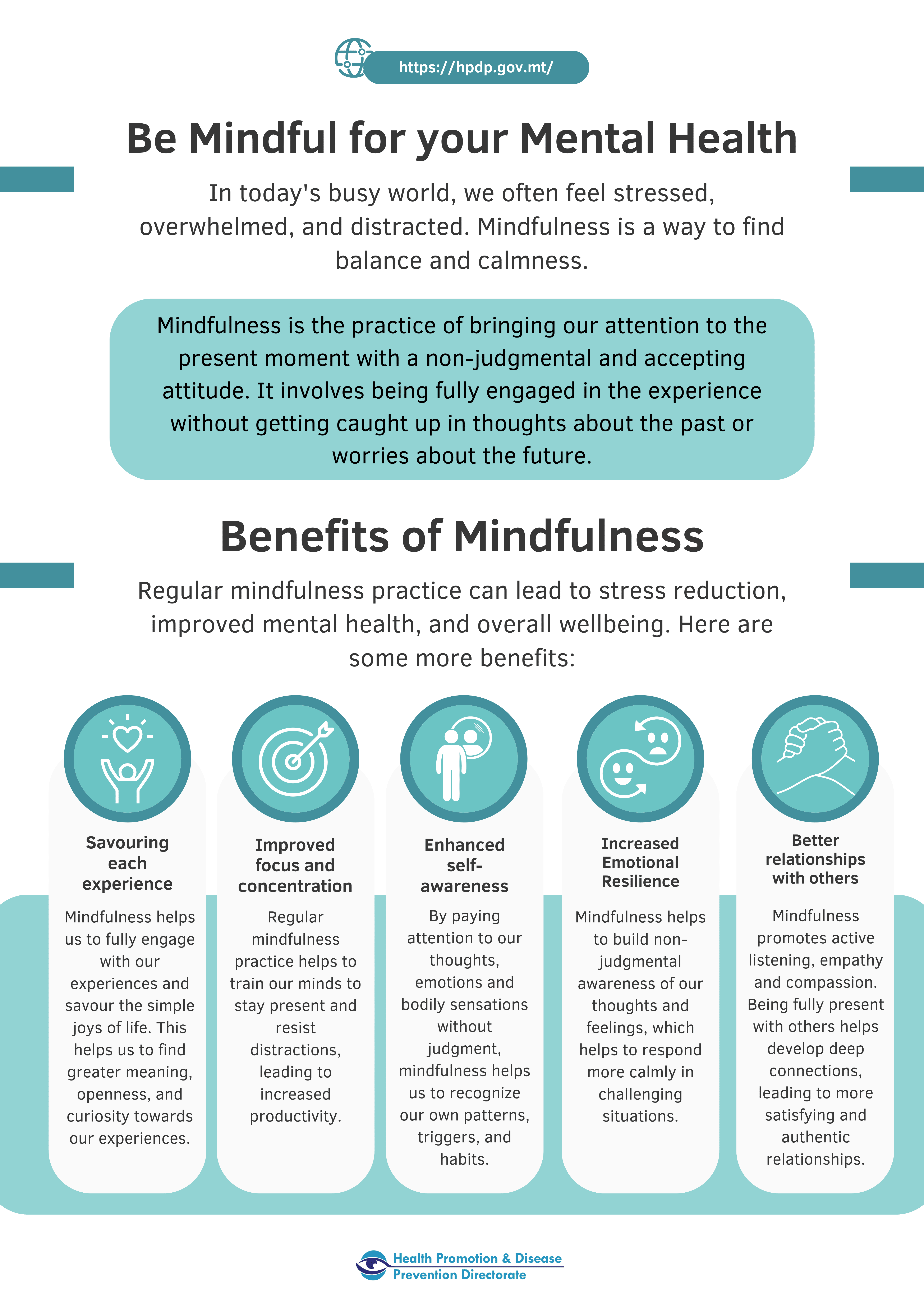
Now that you have a better understanding of what mindfulness is and how to practice it, let’s explore some of the specific benefits of mindfulness for emotional well-being. By incorporating mindfulness into your daily routine, you can experience the following positive outcomes:
Reduced Stress and Anxiety
One of the most well-documented benefits of mindfulness is its ability to reduce stress and anxiety. By learning to be fully present in the moment and observe your thoughts and feelings without judgment, you can break free from the cycle of worry and rumination that often accompanies these negative emotions. Mindfulness helps to activate the relaxation response in the body, lower cortisol levels, and reduce the activity of the amygdala, the brain’s fear center. As a result, you can experience greater calm, peace, and emotional resilience in the face of life’s challenges.
Improved Emotional Regulation
Another key benefit of mindfulness is its ability to improve emotional regulation and self-control. By practicing mindfulness, you can develop greater awareness of your emotions and learn to respond to them in a more skillful and adaptive way. Instead of reacting impulsively or unthinkingly to challenging situations, you can pause, take a deep breath, and choose how you want to respond. This increased emotional intelligence can lead to better communication, conflict resolution, and relationship satisfaction in your personal and professional life.
Enhanced Well-being and Life Satisfaction
Regular mindfulness practice has been shown to enhance overall well-being and life satisfaction. By cultivating a sense of inner peace, contentment, and gratitude, you can experience greater joy and fulfillment in your daily life. Mindfulness helps you to appreciate the beauty of the present moment, savor the simple pleasures of life, and connect more deeply with yourself and others. As a result, you can experience a greater sense of purpose, meaning, and happiness that transcends external circumstances.

Tips for Cultivating Mindfulness in Your Daily Life
Now that you’re aware of the benefits of mindfulness for emotional well-being, you may be wondering how you can incorporate this practice into your daily routine. Here are a few practical tips to help you cultivate mindfulness and reap its many rewards:
Start Small
If you’re new to mindfulness, it’s important to start small and gradually build up your practice over time. Begin by dedicating just a few minutes each day to mindfulness meditation or other mindfulness exercises. As you become more comfortable with the practice, you can gradually increase the duration and frequency of your sessions. Remember that consistency is key, so aim to practice mindfulness every day, even if it’s just for a few minutes.
Find What Works for You
There are many different ways to practice mindfulness, so it’s important to find what works best for you. Whether you prefer seated meditation, walking meditation, mindful movement, or mindfulness in everyday activities, experiment with different techniques to see what resonates with you. You may also want to explore guided meditation apps, online resources, or mindfulness courses to deepen your practice and stay motivated.
Create a Mindfulness Routine
To make mindfulness a regular part of your daily life, consider creating a mindfulness routine that works for you. Set aside a specific time each day to practice mindfulness, whether it’s first thing in the morning, during your lunch break, or before bed. Create a dedicated space for your practice, free from distractions and interruptions, where you can focus on cultivating mindfulness and inner peace.
Practice Mindful Eating
One simple way to incorporate mindfulness into your daily routine is through mindful eating. Before you eat a meal or snack, take a few moments to pause and bring your awareness to the food in front of you. Notice the colors, textures, and smells of the food and take a moment to appreciate where it came from and how it nourishes your body. As you eat, chew slowly and savor each bite, paying attention to the flavors and sensations in your mouth. By practicing mindful eating, you can develop a healthier relationship with food, improve digestion, and enjoy your meals more fully.
Conclusion
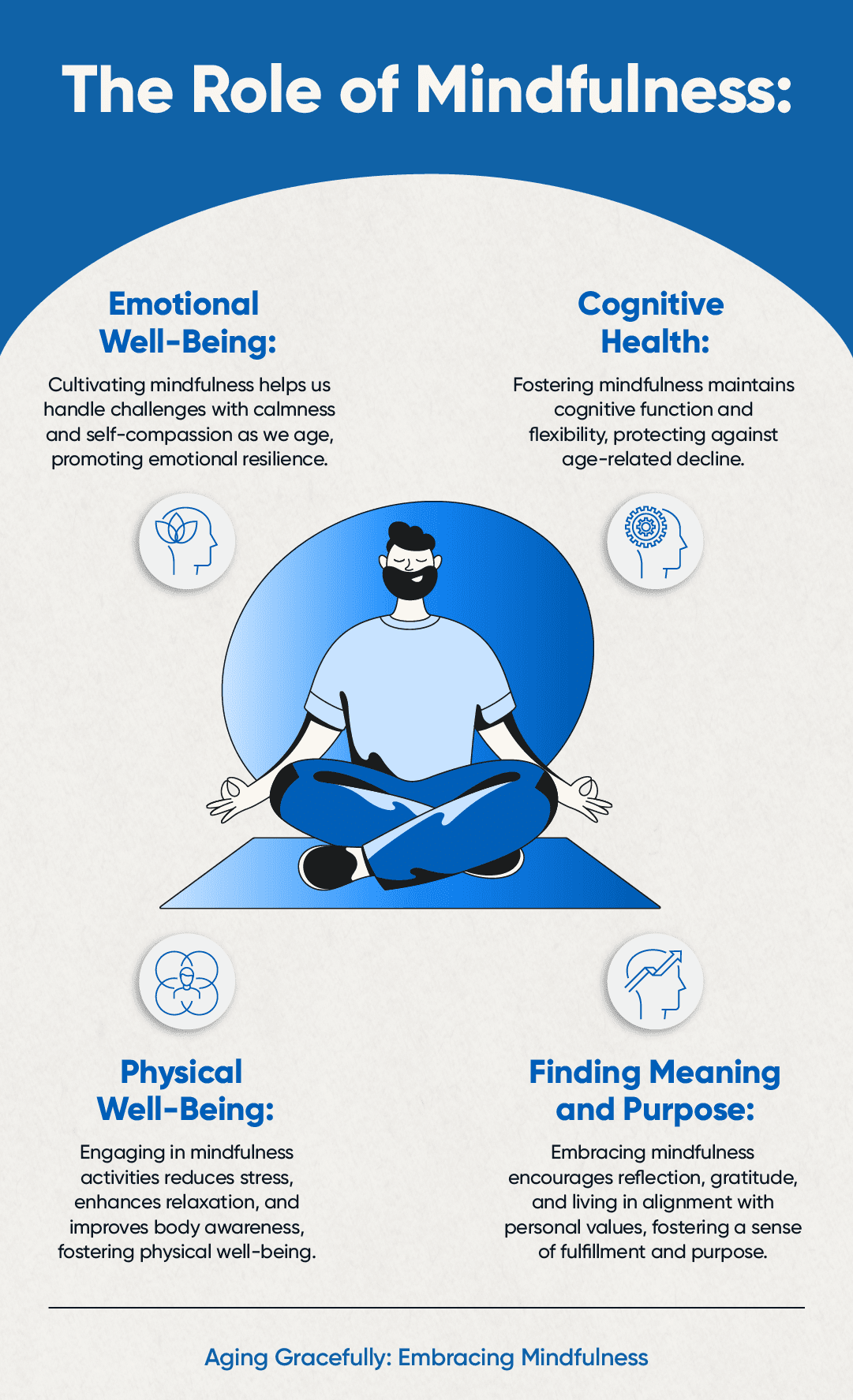
In conclusion, mindfulness is a powerful practice that can enhance your emotional well-being, reduce stress and anxiety, and improve your overall quality of life. By learning to be fully present in the moment, observe your thoughts and feelings without judgment, and cultivate a sense of inner peace and balance, you can experience greater joy, contentment, and resilience in the face of life’s challenges. Whether you’re new to mindfulness or an experienced practitioner, there are many ways you can incorporate this practice into your daily routine and reap its many rewards. Remember that mindfulness is a skill that takes time and patience to develop, so be gentle with yourself and approach the practice with an open heart and mind. With consistent effort and dedication, you can transform your emotional well-being and live a more fulfilling and meaningful life.
