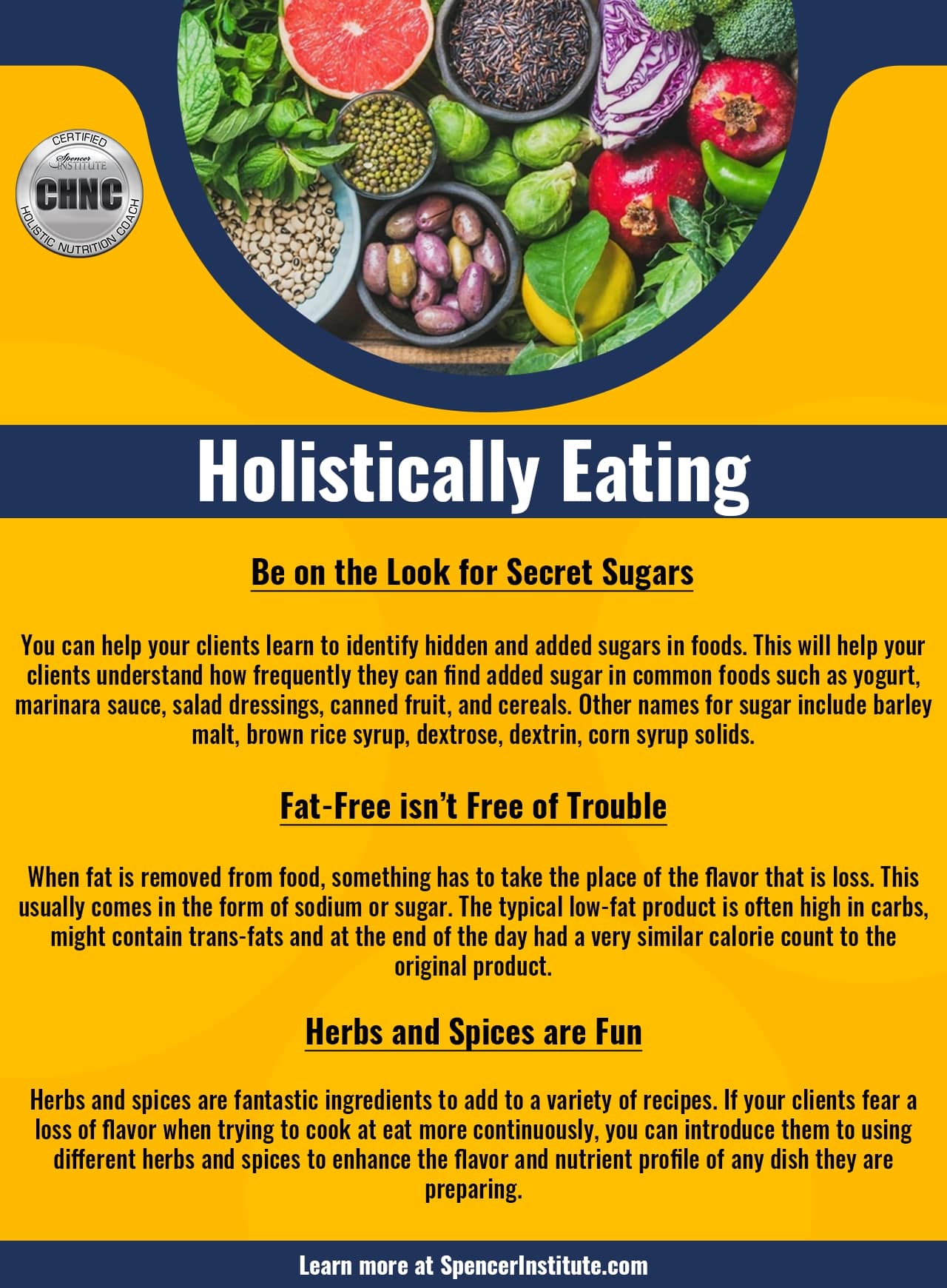
Welcome to an insightful look at the role of holistic nutritionists in promoting overall health and well-being. Holistic nutritionists take a comprehensive approach to nutrition, focusing on the interconnectedness of mind, body, and spirit. By addressing not only what you eat, but also how you eat and how you live, they can assist you in achieving optimal health and vitality. Whether you are looking to improve your energy levels, manage a chronic condition, or simply enhance your quality of life, a holistic nutritionist can provide personalized guidance and support to help you reach your wellness goals. Let’s explore the valuable role these professionals play in guiding individuals towards a balanced and nourished life. Have you ever wondered about the role of holistic nutritionists in improving your overall health and well-being? If so, you’re in the right place! This article will delve into the world of holistic nutritionists and how they can help you achieve optimal health through a balanced and natural approach to nutrition. Let’s explore the various aspects of holistic nutritionists and how they can guide you towards a healthier lifestyle.
What is Holistic Nutrition?
Holistic nutrition is a form of nutrition that focuses on the whole person – mind, body, and spirit. Unlike conventional nutrition, which primarily concentrates on the macronutrients and micronutrients in food, holistic nutrition takes into account the individual’s lifestyle, emotional well-being, and overall health. Holistic nutritionists believe that the body has an innate ability to heal itself when provided with the right nutrients and support. By addressing the root cause of health issues and focusing on prevention, holistic nutritionists aim to improve the overall quality of life for their clients.
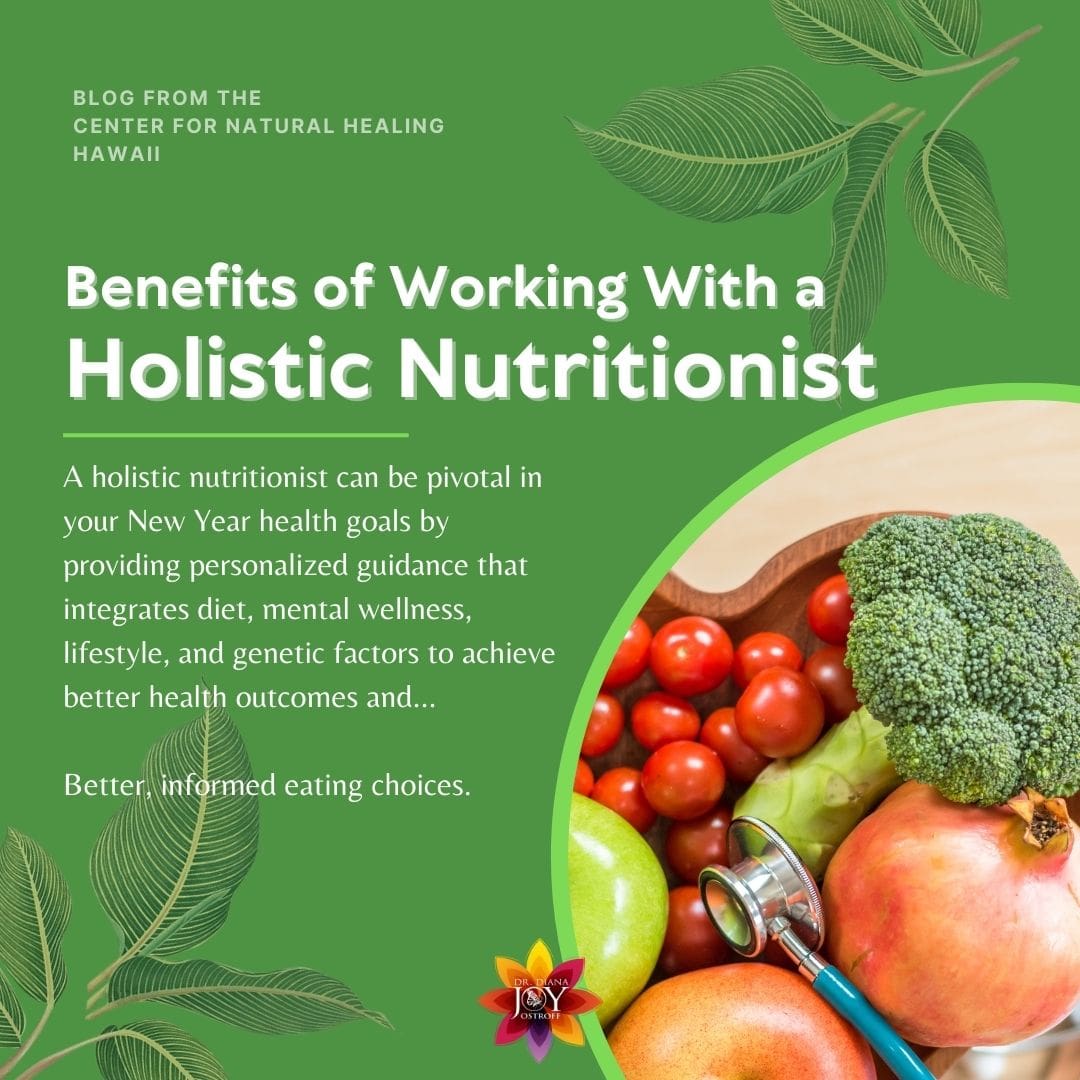
What Does a Holistic Nutritionist Do?
As a holistic nutritionist, your primary role is to assess clients’ dietary habits, lifestyle choices, and overall health to develop personalized nutrition plans that meet their unique needs. You will work closely with clients to identify any imbalances or deficiencies in their diet and create customized meal plans that emphasize whole, nutrient-dense foods. In addition to nutrition counseling, you may also provide guidance on lifestyle changes, stress management, and other holistic practices to promote overall well-being.
Personalized Nutrition Planning
A holistic nutritionist takes a personalized approach to nutrition planning, considering each client’s unique dietary needs, health goals, and lifestyle factors. By conducting thorough assessments and gathering detailed information about the client’s current diet and health status, you can create tailored meal plans that address their specific concerns and support their overall health and well-being. This individualized approach allows clients to achieve sustainable results and make long-term changes to their eating habits.
Education and Counseling
In addition to designing nutrition plans, holistic nutritionists also educate and counsel clients on healthy eating habits, food choices, and lifestyle practices. Through one-on-one counseling sessions, group workshops, or online programs, you can empower clients to make informed decisions about their diet and health. By providing guidance and support, you can help clients overcome challenges, make positive changes, and develop healthy habits that last a lifetime.
Support and Accountability
One of the key roles of a holistic nutritionist is to provide ongoing support and accountability to clients as they work towards their health goals. By checking in regularly, tracking progress, and offering encouragement, you can help clients stay motivated, focused, and committed to their nutrition and wellness journey. Building a strong relationship with clients based on trust, empathy, and understanding is essential to fostering a supportive environment that facilitates growth and positive change.

The Benefits of Holistic Nutrition
Holistic nutrition offers a wide range of benefits for individuals seeking to improve their health and well-being. By focusing on whole foods, natural ingredients, and personalized nutrition plans, holistic nutritionists can help clients achieve a variety of health goals, including weight management, improved energy levels, better digestion, and enhanced overall vitality. Here are some key benefits of holistic nutrition:
Improved Digestion
Holistic nutritionists can help clients address digestive issues, such as bloating, gas, constipation, and food sensitivities, by recommending dietary changes that promote gut health and optimal digestion. By emphasizing whole, nutrient-dense foods and avoiding processed, artificial ingredients, clients can experience improved digestion and better nutrient absorption, leading to greater overall health and vitality.
Sustainable Weight Management
One of the primary goals of holistic nutrition is to support clients in achieving and maintaining a healthy weight through balanced, nourishing foods and mindful eating practices. By focusing on whole, unprocessed foods and incorporating a variety of food groups into their diet, clients can achieve sustainable weight loss, improved body composition, and enhanced overall health. Holistic nutritionists also emphasize the importance of emotional and mental well-being in achieving weight management goals, helping clients develop a healthy relationship with food and their bodies.
Increased Energy Levels
By optimizing nutrient intake, balancing blood sugar levels, and addressing nutritional deficiencies, holistic nutritionists can help clients boost their energy levels and improve their overall vitality. By recommending foods that provide sustained energy throughout the day, such as complex carbohydrates, healthy fats, and lean proteins, clients can experience increased stamina, mental clarity, and productivity. Holistic nutritionists also focus on supporting adrenal health, balancing hormones, and managing stress to help clients maintain consistent energy levels and avoid energy crashes.
Enhanced Immune Function
Holistic nutritionists prioritize immune health by recommending foods and nutrients that support a strong immune system and reduce inflammation in the body. By incorporating immune-boosting foods, such as fruits, vegetables, herbs, and spices, into their diet, clients can strengthen their immune response, fight off infections, and reduce the risk of chronic diseases. Holistic nutritionists also address lifestyle factors that impact immune function, such as sleep, stress, physical activity, and environmental toxins, to help clients maintain optimal health and well-being.
Improved Mental and Emotional Well-Being
In addition to physical health benefits, holistic nutrition can also have a positive impact on mental and emotional well-being. By addressing the gut-brain connection, balancing neurotransmitters, and supporting brain health with key nutrients, holistic nutritionists can help clients manage stress, anxiety, depression, and other mood disorders. By recommending foods that support mental clarity, emotional balance, and overall brain function, clients can experience improved cognitive function, mood stability, and emotional resilience.

How to Become a Holistic Nutritionist
If you’re passionate about nutrition, health, and wellness, and interested in helping others achieve optimal well-being through holistic practices, becoming a holistic nutritionist may be the perfect career path for you. Here are the steps to becoming a holistic nutritionist:
Education and Training
To become a holistic nutritionist, you need to complete a comprehensive education and training program in holistic nutrition, which typically includes coursework in nutrition science, anatomy and physiology, biochemistry, therapeutic diets, and holistic health practices. Many holistic nutrition programs also include hands-on training, internships, and clinical experience to provide practical knowledge and skills. Additionally, obtaining certification from a reputable organization, such as the National Association of Nutrition Professionals (NANP) or the Board for Certification of Nutrition Specialists (BCNS), can enhance your credentials and qualifications as a holistic nutritionist.
Specialization and Continuing Education
After completing your education and training, you may choose to specialize in a specific area of holistic nutrition, such as sports nutrition, pediatric nutrition, gut health, autoimmune conditions, or weight management. Specializing in a niche area can help you attract clients with specific health concerns and provide targeted support and solutions. Additionally, participating in continuing education courses, workshops, seminars, and conferences can keep you up-to-date on the latest research, trends, and practices in holistic nutrition and enhance your knowledge and expertise.
Licensure and Certification
Depending on your location and the regulations governing nutrition practice in your area, you may be required to obtain licensure or certification to practice as a holistic nutritionist. It’s essential to research the legal requirements in your state or country and ensure that you meet all necessary criteria to practice legally and ethically. Obtaining professional liability insurance can also protect you from potential risks and liabilities associated with nutrition counseling and consulting services.
Building a Career
As a holistic nutritionist, you can pursue various career paths, such as private practice, working in wellness clinics, spas, fitness centers, integrative health centers, or healthcare facilities, teaching nutrition classes, writing articles or books, creating online programs, developing recipes, or consulting for food companies or restaurants. Building a strong reputation, establishing relationships with clients and colleagues, and marketing your services effectively can help you attract clients, grow your practice, and make a positive impact in the field of holistic nutrition.

Conclusion
In conclusion, holistic nutritionists play a vital role in promoting optimal health and well-being through a natural, balanced, and personalized approach to nutrition. By addressing the whole person – mind, body, and spirit – holistic nutritionists can help clients achieve a variety of health goals, including improved digestion, sustainable weight management, increased energy levels, enhanced immune function, and improved mental and emotional well-being. If you’re passionate about nutrition, health, and wellness, and interested in helping others achieve their health goals, consider becoming a holistic nutritionist and making a positive impact in the field of holistic health.