Are you curious about holistic therapies? In this article, you will embark on a journey of discovery as we explore the fascinating world of different types of holistic therapies. From acupuncture to aromatherapy, we will delve into the principles and benefits of these alternative approaches to healing and well-being. So, grab a cup of tea, sit back, and get ready to learn about the diverse and wonderful ways in which holistic therapies can enhance our lives.
Acupuncture
Acupuncture is a form of Traditional Chinese Medicine that has been practiced for thousands of years. It involves the insertion of thin needles into specific points on the body to stimulate and balance the flow of energy, known as Qi. According to Chinese medicine, imbalances or blockages in the flow of Qi can lead to various health issues. Acupuncture aims to restore balance and promote healing throughout the body.
One of the key principles behind acupuncture is the concept of meridians, or energy pathways, that traverse the body. These meridians are believed to connect different points on the body and correspond to specific organs and systems. By targeting specific acupuncture points along these meridians, acupuncturists can influence the flow of Qi and restore balance.
Acupuncture has been found to have a wide range of benefits. It can help alleviate pain, reduce inflammation, and improve circulation. Many people also turn to acupuncture for stress relief and relaxation. Some studies have even suggested that acupuncture may be effective in helping with conditions such as depression, anxiety, and insomnia.
When performed by a trained and licensed practitioner, acupuncture is generally considered safe. The needles used are very fine and cause minimal discomfort. However, some individuals may experience mild side effects such as bruising or bleeding at the site of needle insertion. It is important to ensure that the practitioner you visit is reputable and follows proper hygiene and safety protocols.
Aromatherapy
Aromatherapy is a holistic therapy that utilizes the scents of essential oils to promote physical and emotional well-being. Essential oils are highly concentrated plant extracts that capture the aroma and therapeutic properties of various plants. These oils can be inhaled, applied topically, or used in diffusers to create a pleasant and healing environment.
There are several methods of application when it comes to aromatherapy. Inhalation is one of the most common methods, where essential oils are added to a diffuser or inhaled directly from the bottle. Topical application involves diluting essential oils with a carrier oil and applying them to the skin through massage or in bathwater. Some individuals also use essential oils for internal consumption, but this should be done under the guidance of a qualified aromatherapist.
Aromatherapy offers a wide range of benefits. Different essential oils have different properties and can be used to address various physical and emotional concerns. For example, lavender oil is known for its calming effects and can be used to reduce stress and anxiety. Eucalyptus oil, on the other hand, is often used to relieve congestion and improve respiratory function.
When used correctly, aromatherapy is generally safe and well-tolerated. However, it is important to note that essential oils are highly concentrated and should be used with caution. Some oils may cause skin irritation or allergic reactions in sensitive individuals. Pregnant women, children, and individuals with certain medical conditions should consult with a healthcare professional before using aromatherapy.
Ayurveda
Ayurveda is an ancient Indian system of medicine that dates back thousands of years. It is based on the principles of balance and harmony and seeks to promote overall well-being by addressing the unique needs of each individual. According to Ayurveda, every person is made up of a unique combination of three doshas, or energies, known as Vata, Pitta, and Kapha. Maintaining a balance of these doshas is key to good health.
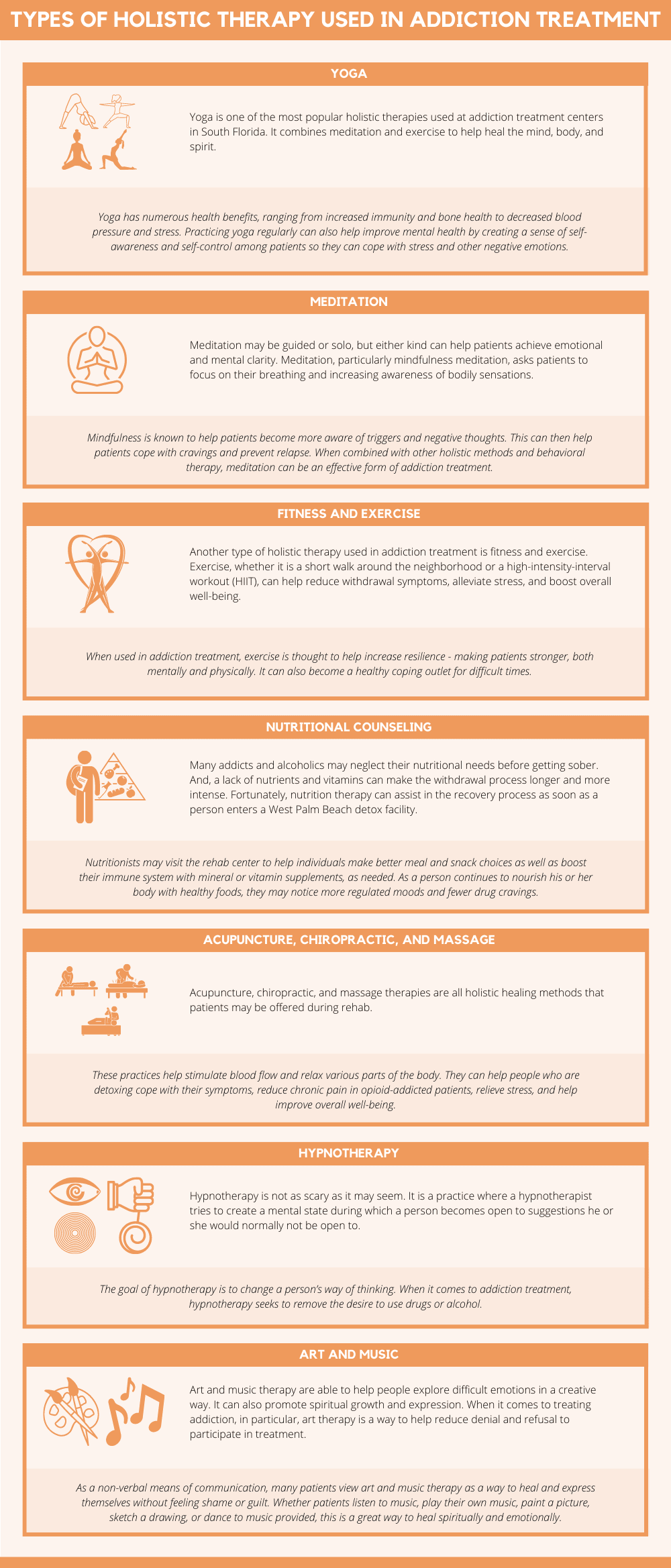
Ayurveda offers a range of treatments and therapies to restore balance and promote health. These can include dietary changes, herbal remedies, detoxification practices, massage therapies, and more. The goal is to address the root cause of any imbalances and provide personalized care.
One of the key benefits of Ayurveda is its holistic approach to health. It recognizes that physical, emotional, and spiritual well-being are interconnected and addresses all aspects of a person’s life. Ayurvedic treatments aim to not only alleviate symptoms but also promote long-term health and vitality.
When practiced correctly, Ayurveda is generally safe and well-tolerated. However, it is important to consult with a qualified Ayurvedic practitioner before undergoing any treatments. Some herbal remedies or practices may not be suitable for certain individuals or may interact with medications. It is important to ensure that Ayurvedic treatments are conducted by trained professionals who can provide personalized recommendations and monitor your progress.
Chiropractic
Chiropractic care is a form of alternative medicine that focuses on the diagnosis and treatment of musculoskeletal conditions, particularly those related to the spine. It is based on the belief that proper alignment of the spine is essential for overall health and well-being. Chiropractors use various techniques, with the most common being spinal manipulation, to restore mobility and relieve pain.
Spinal manipulation, or adjustments, involve applying controlled force to the joints of the spine to realign them. This can help improve joint function, reduce inflammation, and alleviate pain. Chiropractors may also utilize other treatments such as massage, exercise therapy, and lifestyle counseling to support the healing process.
Chiropractic care has been found to be effective in treating a range of conditions, including back pain, neck pain, headaches, and joint disorders. It can also help improve posture, enhance athletic performance, and promote overall wellness. Chiropractic care is often used in conjunction with other therapies to provide a holistic approach to healing.
When performed by a licensed chiropractor, spinal manipulation is generally safe and well-tolerated. However, there may be some mild side effects such as soreness or stiffness after an adjustment. Serious complications are rare but can occur, especially if the practitioner is not properly trained or the treatment is not appropriate for your condition. It is important to choose a reputable chiropractor and communicate any concerns or medical conditions before undergoing treatment.
Energy Healing
Energy healing is a holistic therapy that aims to restore balance and promote healing by working with the body’s energy systems. There are several different modalities of energy healing, with two of the most well-known being Reiki and Pranic Healing.
Reiki is a Japanese technique that involves the laying on of hands to channel healing energy into the body. Practitioners believe that this energy can help remove energy blockages, promote relaxation, and facilitate the body’s natural healing processes. Reiki sessions are typically gentle and non-invasive, with the practitioner placing their hands on or near the body in various positions.
Pranic Healing, on the other hand, is a system of energy healing that originated in the Philippines. It involves the manipulation and cleansing of the body’s energy field, known as the aura, to remove blockages and stimulate healing. Pranic Healing practitioners use specific hand movements, visualization techniques, and breathing exercises to manipulate energy.
Energy healing has been reported to have a wide range of benefits. Many individuals experience deep relaxation, stress reduction, and a sense of emotional well-being during and after sessions. Some people also report improvements in physical symptoms and a greater overall sense of balance and harmony.
Energy healing is generally considered safe and non-invasive. However, it is important to note that it should not be used as a substitute for conventional medical treatment. It is best used as a complementary therapy to support overall well-being. If you have any underlying medical conditions or concerns, it is important to consult with a healthcare professional before undergoing energy healing.
Herbal Medicine
Herbal medicine is the use of plants and plant extracts for medicinal purposes. It is one of the oldest forms of medicine and has been practiced by various cultures around the world for centuries. Herbal medicine can be used in a variety of ways, including teas, tinctures, capsules, and topical preparations.
There are countless herbs that are used in herbal medicine, each with its own unique properties and potential benefits. Some commonly used herbs include chamomile for relaxation, peppermint for digestion, and echinacea for immune support. Herbalists often blend different herbs to create customized formulas that address specific health concerns.
Herbal medicine offers a range of benefits. Many herbs have natural healing properties and can be used to support the body’s own healing processes. They can help relieve symptoms, boost immunity, and promote overall well-being. Additionally, herbal medicine often takes a holistic approach to health and seeks to address the underlying causes of health issues rather than just treating symptoms.
When used correctly, herbal medicine is generally safe and well-tolerated. However, it is important to note that some herbs can interact with medications or have side effects. It is recommended to consult with a qualified herbalist or healthcare professional before using herbal remedies, especially if you have any pre-existing medical conditions or are taking medications.

Homeopathy
Homeopathy is a system of medicine that was developed in the late 18th century by Samuel Hahnemann. It is based on the principle of “like cures like,” which means that a substance that can cause symptoms in a healthy person can be used in a highly diluted form to treat similar symptoms in an ill person. Homeopathic remedies are prepared through a process of dilution and succussion, which is believed to enhance their healing properties.
The treatment approach in homeopathy is highly individualized. Homeopaths take into account the specific symptoms, emotions, and overall constitution of each person when prescribing remedies. The remedies are typically highly diluted and prepared in various potencies, depending on the needs of the individual.
Homeopathy is often used to treat a wide range of conditions, including acute illnesses, chronic diseases, and mental and emotional imbalances. Many people turn to homeopathy for conditions such as allergies, digestive disorders, insomnia, and anxiety. Homeopathic remedies aim to stimulate the body’s own healing processes and restore balance.
When practiced correctly, homeopathy is generally safe and well-tolerated. The highly diluted nature of the remedies means that they are generally free from side effects. However, it is important to consult with a qualified and experienced homeopath to ensure that the remedies are chosen and prescribed correctly.
Massage Therapy
Massage therapy is the manipulation of soft tissues in the body to promote relaxation, relieve tension, and improve overall well-being. There are many different types of massage, each with its own unique techniques and benefits.
Some commonly practiced types of massage include Swedish massage, deep tissue massage, and aromatherapy massage. Swedish massage involves long, flowing strokes to relax the muscles and improve circulation. Deep tissue massage focuses on releasing chronic tension and targeting deeper layers of muscle and connective tissue. Aromatherapy massage combines the benefits of massage with the use of essential oils to enhance relaxation and healing.
Massage therapy offers a range of benefits. It can help relieve stress, reduce muscle tension, improve flexibility, and promote better sleep. Many people also turn to massage therapy for pain relief, rehabilitation after injury, and overall relaxation.
When performed by a trained and licensed massage therapist, massage therapy is generally safe and well-tolerated. The pressure and techniques used can be adjusted to suit individual needs and preferences. However, it is important to communicate any medical conditions or concerns with the therapist beforehand to ensure that the massage is appropriate for you.

Meditation
Meditation is a practice that involves focusing the mind and cultivating a state of calm and inner stillness. It has been practiced for thousands of years in various cultures and religions and is known for its numerous benefits for mental and emotional well-being.
There are many different forms of meditation, but two popular types are mindfulness meditation and transcendental meditation. Mindfulness meditation involves paying attention to the present moment, observing thoughts and feelings without judgment. Transcendental meditation, on the other hand, involves the use of a mantra, a specific word or phrase, to help quiet the mind and achieve a state of deep relaxation.
Meditation offers a range of benefits. Regular meditation practice has been found to reduce stress, improve attention and focus, and promote emotional well-being. It can help individuals develop a greater sense of self-awareness, cope with challenging emotions, and cultivate a sense of inner peace.
Meditation is generally safe and can be practiced by people of all ages and abilities. There are no known serious side effects associated with meditation. However, it is important to note that meditation is a practice that requires time and commitment. It is best to start with short sessions and gradually increase the duration as you develop your practice. If you have any specific medical conditions or concerns, it is always best to consult with a healthcare professional before beginning a meditation practice.
Naturopathy
Naturopathy is a holistic approach to health and healing that focuses on the body’s innate ability to heal itself. It combines modern scientific knowledge with traditional healing wisdom to provide comprehensive care. Naturopathic doctors aim to address the root cause of illness and support the body’s natural healing processes.
A key principle of naturopathy is the belief in the healing power of nature. Naturopathic doctors use a range of treatment modalities to support overall well-being, including dietary and lifestyle changes, herbal medicine, homeopathy, acupuncture, and more. The goal is to create a personalized treatment plan that addresses the unique needs of each individual.
Naturopathy offers a wide range of benefits. It can help improve a variety of health conditions, including digestive disorders, hormonal imbalances, allergies, and chronic pain. Naturopathic treatments often focus on prevention and work to strengthen the body’s natural defenses.
When practiced by qualified and licensed naturopathic doctors, naturopathy is generally safe and well-tolerated. The treatments used are often gentle and non-invasive, focusing on supporting the body’s own healing processes. However, it is important to note that naturopathic treatments may not be appropriate for every individual or every health condition. It is always best to consult with a qualified naturopathic doctor before undergoing any treatments or making any significant changes to your health regimen.
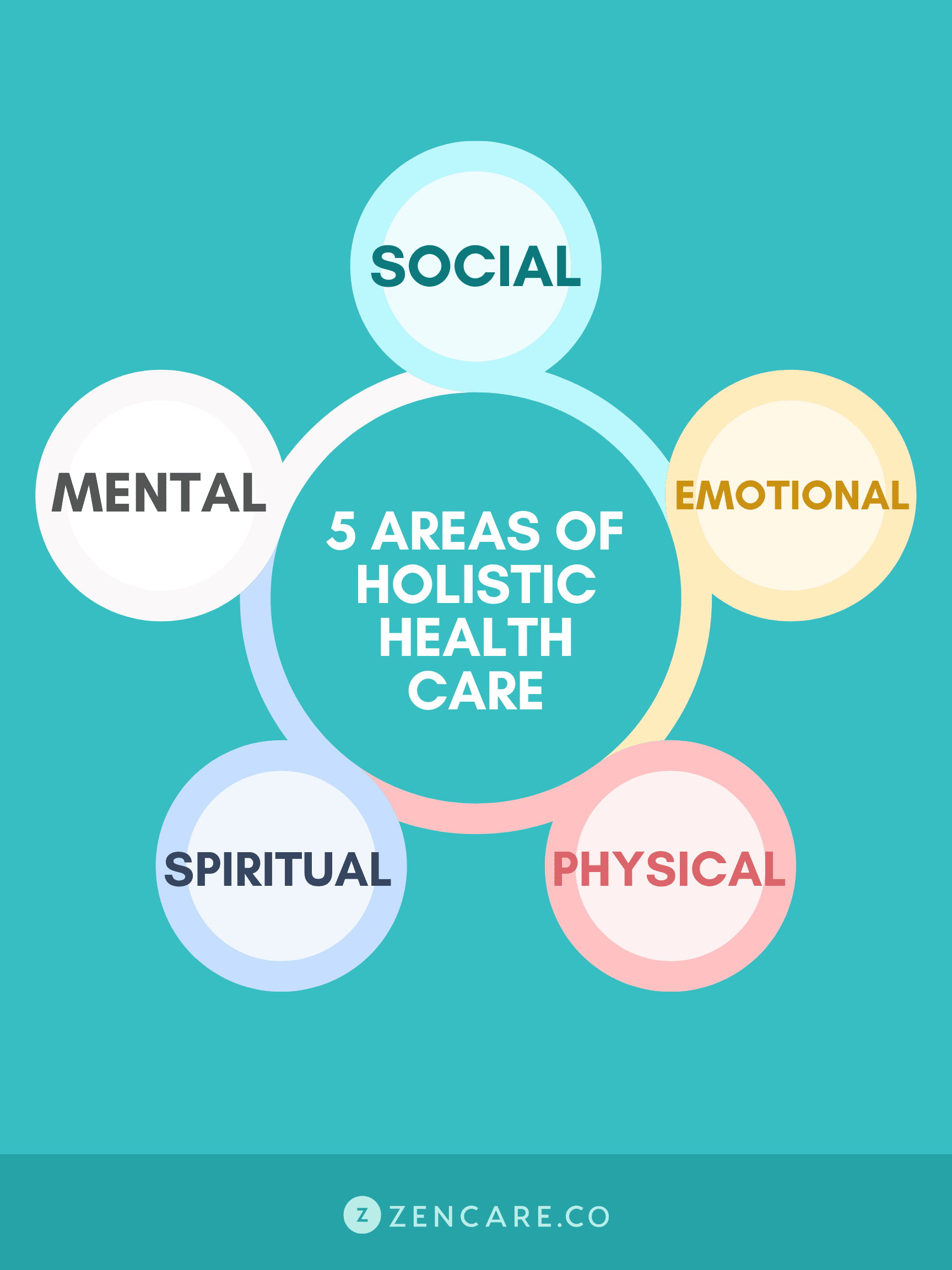
In conclusion, holistic therapies offer a range of approaches to health and well-being. From acupuncture and aromatherapy to chiropractic care and energy healing, these therapies aim to address the whole person, considering physical, emotional, and spiritual aspects of health. It is important to consult with qualified practitioners and healthcare professionals to ensure that these therapies are used safely and effectively. By incorporating holistic therapies into your overall health and wellness routine, you can enhance your sense of balance, vitality, and overall well-being.