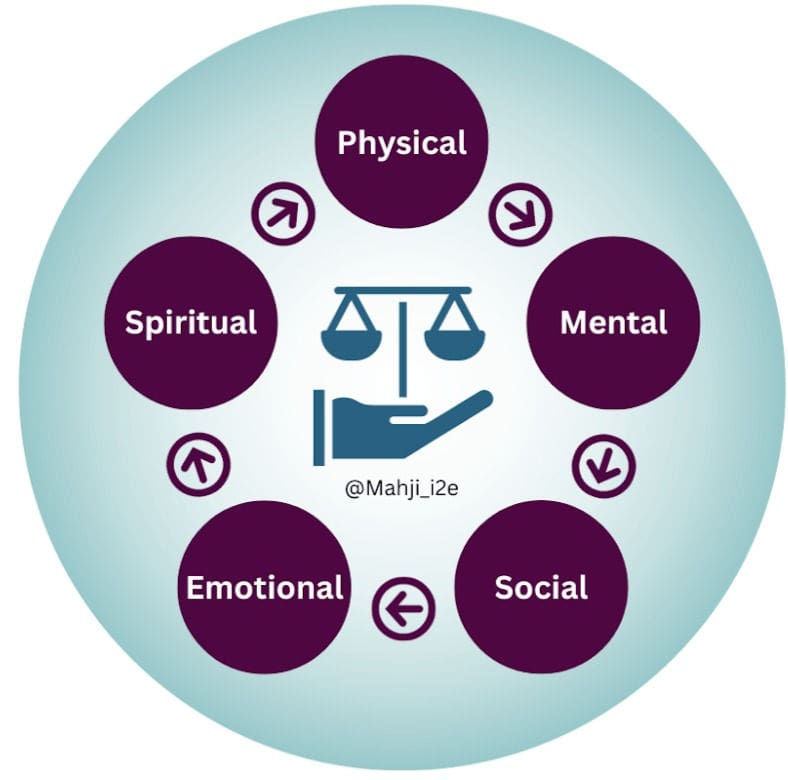
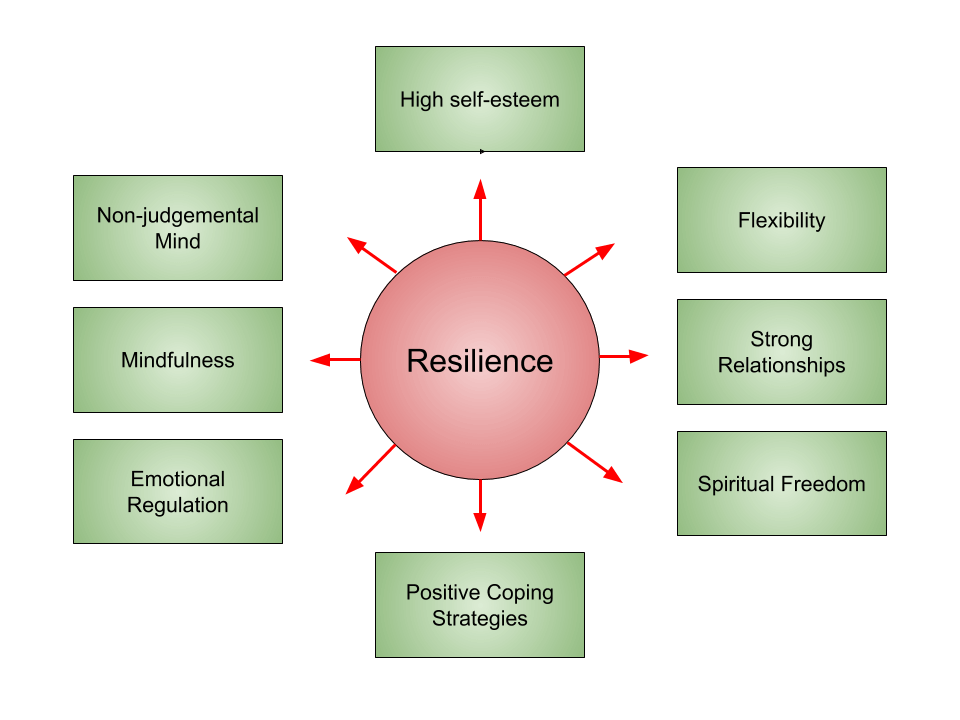
Have you ever felt overwhelmed by the stresses and challenges of everyday life? In this article, you will discover a variety of holistic methods that can help you develop emotional and spiritual resilience. By incorporating these practices into your daily routine, you can cultivate a sense of calm, balance, and strength that will support you in navigating life’s ups and downs. Whether it’s through meditation, journaling, or connecting with nature, there is a method suited for everyone. Embrace these holistic approaches and unlock the power within you to face any obstacle with grace and resilience.
Meditation Practices
Mindfulness meditation
Mindfulness meditation is a popular practice that involves focusing your attention on the present moment, without judgment or attachment. It encourages you to observe your thoughts, emotions, and physical sensations with calmness and acceptance. By regularly practicing mindfulness meditation, you can develop a greater sense of self-awareness and learn to navigate life’s ups and downs with more ease. It has been found to reduce stress, anxiety, and depression, while also improving attention, emotional regulation, and overall well-being.
Loving-kindness meditation
Loving-kindness meditation, also known as metta meditation, involves cultivating feelings of love, compassion, and goodwill towards oneself and others. It begins with directing kind intentions towards yourself, and then extends to include loved ones, acquaintances, and even people you may have difficulty with. By practicing loving-kindness meditation, you can develop a stronger sense of empathy, improve relationships, and cultivate a more positive outlook on life.
Transcendental meditation
Transcendental meditation (TM) is a technique that involves silently repeating a mantra, a specific word or phrase, to help quiet the mind and induce a state of deep relaxation. TM is practiced for 20 minutes, twice a day, while sitting comfortably with eyes closed. The goal of transcendental meditation is to transcend ordinary thinking and achieve a state of inner stillness and transcendence. Many studies have shown that TM can reduce stress, anxiety, and improve overall well-being.
Guided visualization
Guided visualization is a meditation technique that uses the power of imagination and visualization to create positive changes in your life. It involves listening to a recorded or live meditation, where a guide leads you through a series of mental images and prompts you to imagine yourself in a desired state or situation. By engaging your senses and emotions through guided visualization, you can tap into your subconscious mind and manifest your goals, reduce stress, and enhance your overall sense of well-being.
Breathing Techniques
Deep abdominal breathing
Deep abdominal breathing is a simple yet powerful technique that involves consciously taking slow, deep breaths into your abdomen. By focusing on the breath and allowing it to fill your belly, you activate the body’s relaxation response, which helps reduce stress and anxiety. Deep abdominal breathing can be practiced anytime, anywhere, and is especially beneficial during times of tension or overwhelm.
Alternate nostril breathing
Alternate nostril breathing, also known as Nadi Shodhana, is a breathing technique that involves alternating the flow of breath through each nostril. It is believed to balance the left and right hemispheres of the brain, harmonize the body’s energy, and promote clarity and calmness. To practice alternate nostril breathing, you simply use your fingers to close one nostril as you inhale through the other, and then switch sides as you exhale. This technique can be particularly helpful in reducing stress and promoting mental clarity.
Box breathing
Box breathing, also known as square breathing, is a simple technique that involves inhaling, holding the breath, exhaling, and holding the breath again, each for a count of four. The breath is visualized as moving along the sides of a square, hence the name. Box breathing helps regulate the autonomic nervous system, providing a sense of calm and balance. It can be an effective tool for managing anxiety, improving focus, and promoting relaxation.
Energy Healing
Reiki
Reiki is a Japanese healing technique that involves the gentle laying on of hands to channel healing energy into the body. It is believed to promote relaxation, balance the body’s energy centers (known as chakras), and support the body’s natural healing process. During a Reiki session, the practitioner places their hands lightly on or just above specific areas of the body, allowing the energy to flow where it is needed most. Reiki is often used to reduce stress, alleviate pain, and enhance overall well-being.
Acupuncture
Acupuncture is a traditional Chinese medicine practice that involves inserting thin needles into specific points on the body to stimulate energy flow and promote healing. It is based on the belief that energy, known as qi or chi, flows through meridians or pathways in the body. By inserting needles at specific points along these meridians, blockages can be cleared and the body’s natural balance restored. Acupuncture is commonly used for pain management, stress reduction, and promoting overall health and well-being.
Crystal healing
Crystal healing is a practice that involves using crystals or gemstones to balance and harmonize the body’s energy. Different crystals are believed to have different properties and can be used to address specific physical, emotional, or spiritual needs. By placing crystals on specific parts of the body or using them in meditation, they are believed to absorb and transmit energy, helping to restore balance and promote overall well-being. Crystal healing is often used to relieve stress, enhance clarity, and support spiritual growth.
Sound therapy
Sound therapy, also known as sound healing, involves using sound vibrations to restore harmony and balance to the body, mind, and spirit. It can be achieved through various methods, such as listening to music, chanting, singing bowls, or tuning forks. Sound therapy is believed to help release tension, reduce stress, and promote relaxation. The vibrations produced by sound are thought to affect the body at a cellular level, supporting the natural healing process and promoting overall well-being.
Journaling
Gratitude journaling
Gratitude journaling is a practice that involves regularly writing down things you are grateful for. By focusing on the positive aspects of your life, you shift your attention away from negativity and develop a more optimistic outlook. Research has shown that gratitude journaling can improve mood, increase happiness, and enhance overall well-being. It can be as simple as writing down three things you are grateful for each day, or you can delve deeper into your feelings and experiences.
Stream-of-consciousness journaling
Stream-of-consciousness journaling is a practice that involves writing freely and without censorship, allowing your thoughts and emotions to flow onto the page. It is a form of self-expression and self-exploration that can help you gain insight into your inner world. By writing without judgment or analysis, you can tap into your subconscious mind and uncover hidden patterns, beliefs, and desires. Stream-of-consciousness journaling can be a cathartic and therapeutic practice that promotes self-awareness and personal growth.
Self-reflection journaling
Self-reflection journaling involves introspection and thoughtful contemplation about your experiences, thoughts, and emotions. It provides an opportunity to gain deeper understanding and insights into yourself and your life. By asking yourself thought-provoking questions and exploring different perspectives, you can uncover underlying patterns, beliefs, and motivations. Self-reflection journaling can help you make sense of your experiences, set goals, and make positive changes in your life.
Creative journaling
Creative journaling is a form of self-expression that involves incorporating art, writing, and imagination into your journaling practice. It allows you to explore your creativity, express your emotions, and tap into your intuition. Creative journaling can take various forms, such as collage, drawing, painting, writing poetry, or creating vision boards. It is a playful and engaging practice that can help you access your inner wisdom, release emotions, and spark inspiration.
Physical Exercise
Yoga
Yoga is a holistic practice that combines physical postures, breathing techniques, and meditation to promote overall well-being. It originated in ancient India and has since gained popularity worldwide. Regular practice of yoga can improve flexibility, strength, balance, and promote relaxation. It has been shown to have numerous physical and mental health benefits, including reducing stress, improving sleep, boosting immune function, and enhancing mental clarity.
Tai Chi
Tai Chi is an ancient Chinese martial art that combines slow, gentle movements with deep breathing and meditation. It is often described as “meditation in motion” and is practiced for its health benefits. Tai Chi is known to improve balance, flexibility, and strength, while also reducing stress and promoting relaxation. It can be practiced by individuals of all ages and fitness levels, making it a suitable exercise for everyone.
Qigong
Qigong, similar to Tai Chi, is a Chinese practice that involves slow, flowing movements combined with deep breathing and meditation. It focuses on cultivating and balancing the body’s vital energy, known as qi or chi, to promote health and well-being. Qigong exercises can be gentle and meditative or more dynamic and vigorous, depending on the individual’s needs and abilities. Regular practice of Qigong can improve physical fitness, reduce stress, enhance mental clarity, and support overall balance and harmony.
Dance therapy
Dance therapy, also known as movement therapy, is a form of expressive therapy that uses dance and movement to promote emotional, cognitive, and physical well-being. It can be used as a therapeutic tool to explore and release emotions, improve body awareness, and enhance self-expression. Dance therapy can take various forms, including improvisation, choreography, and structured movement exercises. It is a creative and embodied practice that can support personal growth, healing, and self-discovery.
Nature Connection
Forest bathing
Forest bathing, also known as Shinrin-yoku, is a Japanese practice that involves immersing yourself in nature and mindfully experiencing the sights, sounds, and smells of the forest. It originated in Japan and has gained recognition for its numerous health benefits. Spending time in nature, particularly in forests, has been linked to reduced stress, improved mood, boosted immune function, and increased mindfulness. Forest bathing allows you to slow down, connect with the natural world, and experience a sense of calm and rejuvenation.
Grounding
Grounding, also known as earthing, is a practice that involves connecting your bare skin to the earth’s surface, such as walking barefoot on grass or sand. It is believed to help balance the body’s electrical energy and promote overall well-being. The earth’s surface has a negative charge, and when we come into direct contact with it, it can help neutralize the positive charge that builds up in our bodies due to stress, electromagnetic fields, and other factors. Grounding has been associated with reduced inflammation, improved sleep, and increased vitality.
Gardening
Gardening is a rewarding and therapeutic practice that allows you to connect with nature, create beauty, and nurture living plants. Whether you have a spacious backyard or a small balcony, gardening can be adapted to any space. It provides an opportunity to cultivate patience, engage in physical activity, and enjoy the benefits of being outdoors. Gardening has been shown to reduce stress, improve mood, and increase overall well-being. It also promotes a sense of responsibility and stewardship for the environment.
Outdoor meditation
Outdoor meditation involves practicing meditation in natural settings, such as parks, beaches, or forests. It allows you to deepen your connection with nature, enhance relaxation, and experience a greater sense of peace and tranquility. Outdoor meditation can involve traditional seated meditation, walking meditation, or simply finding a quiet spot to observe and appreciate the natural world around you. By combining the benefits of meditation and nature, outdoor meditation provides a powerful way to nourish your mind, body, and spirit.
Time in Silence
Silent meditation retreats
Silent meditation retreats offer an immersive experience of extended periods of silence and meditation. They provide a dedicated space and time for deepening your meditation practice, exploring inner silence, and cultivating self-awareness. Silent retreats can range from a few days to several weeks, and participants are typically asked to refrain from speaking, using electronic devices, or engaging in any external distractions. These retreats allow you to disconnect from the noise and busyness of everyday life and immerse yourself in the transformative power of silence.
Silent walks
Silent walks, also known as walking meditation, involve mindfully walking in silence, paying attention to your body, breath, and the sensations of walking. It can be practiced anywhere, from a park to a quiet street. Silent walks provide an opportunity to slow down, connect with nature, and cultivate a deeper awareness of your body and surroundings. By focusing on each step and breath, you can bring a sense of presence and calm into your daily life.
Digital detoxes
Digital detoxes involve intentionally unplugging from electronic devices, such as smartphones, computers, and tablets, for a designated period of time. They offer an opportunity to take a break from the constant stream of information and notifications, and reconnect with yourself and the world around you. Digital detoxes can be done for a few hours, a day, or even longer. By disconnecting from technology, you can reduce stress, improve sleep, enhance focus, and reclaim a sense of presence and balance in your life.
Healing Arts
Art therapy
Art therapy is a form of expressive therapy that uses art materials and creative processes to promote healing, self-discovery, and emotional well-being. It involves engaging in art-making, such as painting, drawing, or sculpting, under the guidance of a trained art therapist. Art therapy allows you to express and explore emotions that may be difficult to put into words, and it can provide insight into unresolved issues, traumas, and personal growth. It is a non-verbal and creative approach to therapy that supports self-expression, healing, and self-discovery.
Music therapy
Music therapy is a therapeutic practice that uses music and sound to address physical, emotional, cognitive, and social needs. It is based on the belief that music has the power to affect the mind, body, and spirit. Music therapists use various techniques, such as listening to music, playing instruments, singing, and songwriting, to facilitate emotional expression, reduce anxiety, and promote relaxation. Music therapy can benefit individuals of all ages and abilities, and it is often used in healthcare settings, schools, and mental health facilities.
Dance therapy
Dance therapy, as mentioned earlier, is a form of expressive therapy that uses movement and dance to promote emotional, cognitive, and physical well-being. It provides a creative outlet for self-expression, exploration, and healing. Dance therapy combines dance movements, music, and imagery to facilitate emotional release, increase body awareness, and promote self-discovery. It can be a powerful tool for individuals who have experienced trauma, struggle with body image, or seek personal growth and self-empowerment.
Drama therapy
Drama therapy is a therapeutic approach that utilizes drama, theater, and storytelling techniques to support personal growth, healing, and self-expression. It involves role-playing, improvisation, and storytelling to explore and enact different life experiences. Drama therapy provides a safe and creative space for individuals to explore their emotions, gain insights into their experiences, and rehearse new ways of being. It can be a transformative and empowering practice that supports emotional well-being and personal development.
Self-Care Practices
Self-massage
Self-massage, also known as self-myofascial release, is a technique that involves applying pressure to different parts of your body to release muscular tension and promote relaxation. It can be done using your hands, foam rollers, lacrosse balls, or other tools. By massaging specific areas, you can increase blood flow, reduce muscle soreness, and improve mobility. Self-massage is a simple and effective self-care practice that can be incorporated into your daily routine to support physical and emotional well-being.
Aromatherapy
Aromatherapy is a therapeutic practice that uses essential oils derived from plants to promote physical, emotional, and spiritual well-being. It can be used through inhalation or topical application. Different essential oils have different properties and can be used to address specific concerns, such as stress, insomnia, or mood regulation. By incorporating aromatherapy into your self-care routine, you can create a calming and uplifting environment, enhance relaxation, and support overall well-being.
Hot baths
Hot baths have been used for centuries as a natural remedy for relaxation, stress reduction, and overall well-being. Taking a hot bath allows you to slow down, soak in warm water, and let go of tension and worries. It can help relax the muscles, improve circulation, and promote a sense of calm and tranquility. Enhancing the experience with soothing bath salts, essential oils, or candles can further deepen the relaxation and self-care benefits of a hot bath.
Self-care rituals
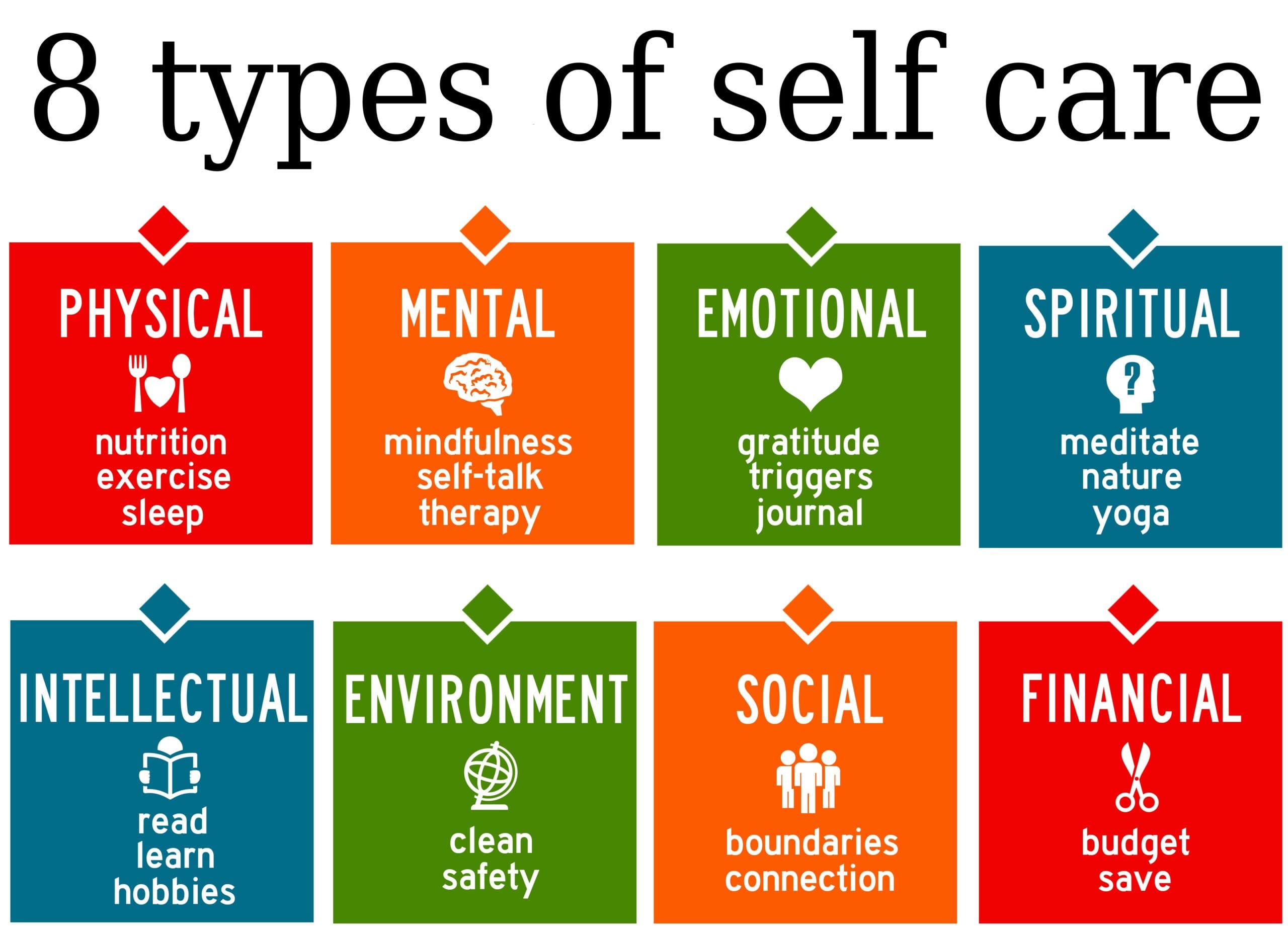
Self-care rituals are intentional and nourishing practices that you incorporate into your daily routine to support your physical, emotional, and spiritual well-being. They can take many forms, such as a morning routine, an evening wind-down practice, or a self-care ritual before bed. Self-care rituals can include activities that bring you joy and relaxation, such as reading, journaling, meditation, or taking a leisurely walk. By prioritizing self-care rituals and making them a consistent part of your life, you can cultivate a greater sense of balance, resilience, and well-being.
Community Support
Support groups
Support groups provide a safe and supportive space for individuals who share a common experience or challenge to come together, share their stories, and offer mutual support. Support groups can focus on various topics, such as grief and loss, addiction recovery, mental health, or chronic illness. They can be facilitated by professionals or peer-led. Support groups offer a sense of belonging, validation, and connection, and can be a valuable source of emotional support and information.
Therapy groups
Therapy groups, also known as group therapy, involve therapy sessions conducted in a group setting with a trained therapist. They provide an opportunity for individuals to explore personal issues, gain insights, and receive support from both the therapist and other group members. Therapy groups can address a wide range of concerns, such as depression, anxiety, trauma, or relationship difficulties. They offer a unique therapeutic experience that allows individuals to learn from others, develop interpersonal skills, and build a sense of community.
Spiritual communities
Spiritual communities, such as churches, temples, or meditation centers, provide a space for individuals to explore and nourish their spiritual and religious beliefs. They offer opportunities for prayer, worship, study, and community involvement. Spiritual communities can be a source of guidance, support, and connection with like-minded individuals. They provide a sense of belonging and shared purpose, and can be a valuable source of comfort and inspiration in times of challenge or transition.
Volunteer work
Volunteer work involves offering your time and skills to support a cause or organization that aligns with your values and interests. It provides an opportunity to contribute to the well-being of others, make a positive impact, and develop a sense of purpose and fulfillment. Volunteer work can take many forms, such as serving meals at a homeless shelter, tutoring children, or participating in environmental conservation efforts. By engaging in volunteer work, you not only support others but also experience personal growth, connect with your community, and cultivate a sense of gratitude and compassion.
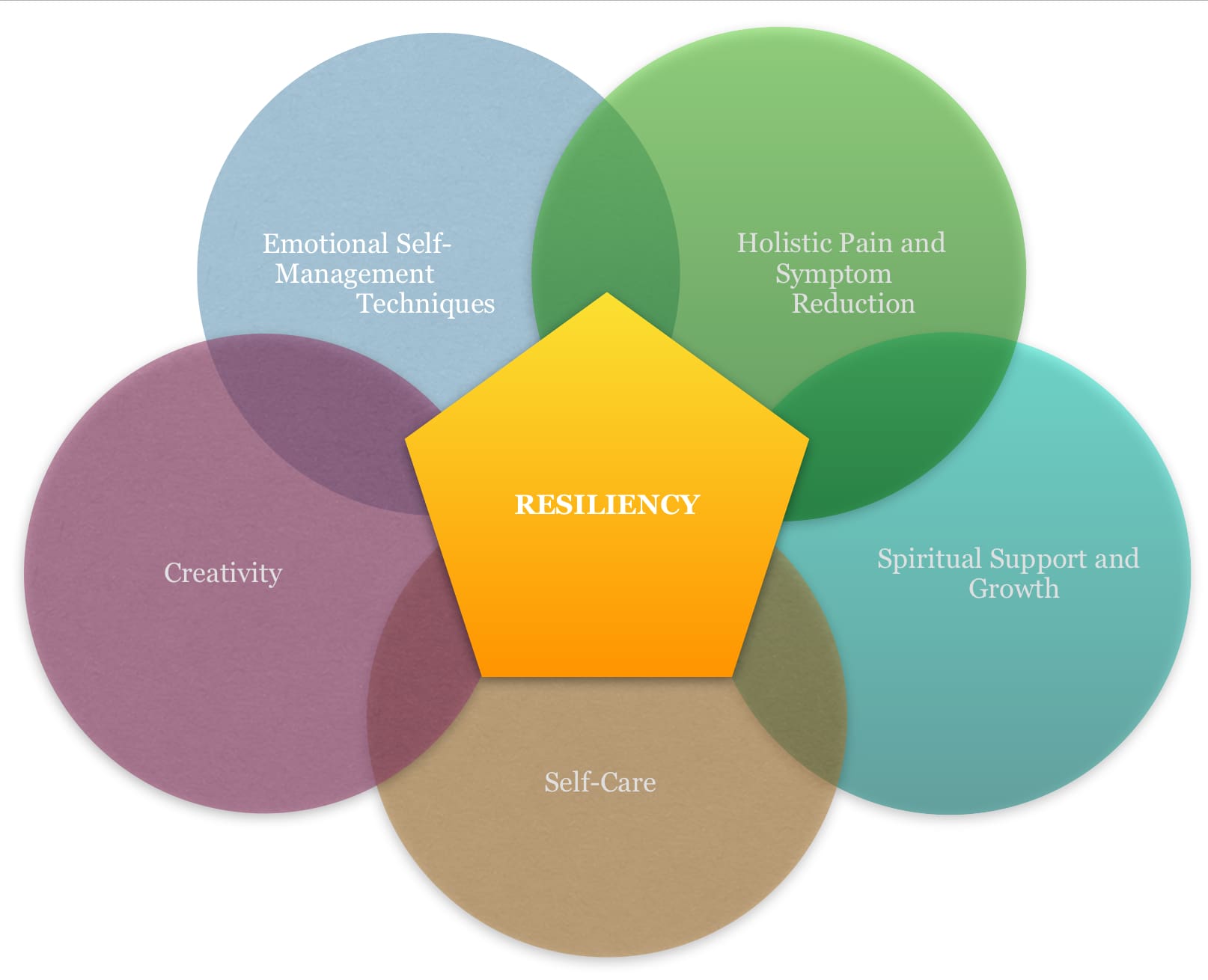
By exploring and incorporating these holistic methods into your life, you can nurture your emotional and spiritual resilience. Each practice offers unique benefits and can be tailored to your individual needs and preferences. Whether you choose to start with meditation practices, explore energy healing, engage in creative journaling, or connect with nature, remember to approach these practices with kindness, curiosity, and an open heart. Embrace the journey of self-discovery and self-care, and find what resonates most deeply with you. Remember, you have a wealth of resources within yourself and around you to support your well-being and resilience.