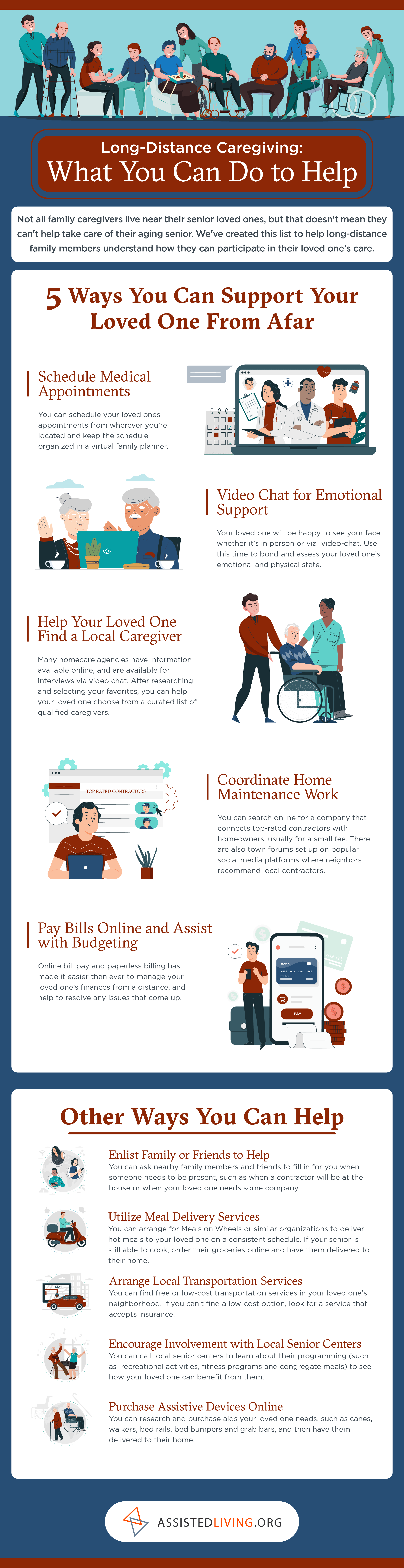
As a caregiver for aging parents with chronic illness, finding the right resources and effectively communicating with your loved ones can be both challenging and rewarding. In this article, we will explore the importance of communication in maintaining a strong caregiver-patient relationship and discuss valuable caregiver resources that can support you in providing the best care possible for your aging parents. By enhancing your communication skills and utilizing available resources, you can ensure that your loved ones receive the care and support they need while also taking care of your own well-being.

Importance of Communication in Caregiving
When it comes to caregiving for aging parents with chronic illness, clear and open communication is crucial. The ability to effectively communicate with your loved one can greatly enhance the quality of care they receive and the overall relationship you have. By establishing a strong foundation of communication, you can improve understanding, address concerns, and ensure that your parent’s needs are met.
Clear and Open Communication
Clear and open communication involves expressing yourself in a way that is easily understood and encouraging your parent to do the same. This starts with using simple language and avoiding medical jargon that may confuse or overwhelm them. Taking the time to explain things in a way that makes sense to your parent can help them feel more involved in their own care and decision-making process.
Additionally, it’s important to create an environment where your parent feels comfortable expressing their thoughts, concerns, and wishes. Listen attentively and ask open-ended questions to encourage them to share their experiences and emotions. By actively engaging in conversations and demonstrating genuine interest, you can foster trust and build stronger connections.
Active Listening
Active listening is an essential component of effective communication in caregiving. It involves not only hearing the words being spoken, but also paying attention to non-verbal cues and emotions. By practicing active listening, you can better understand your parent’s needs, frustrations, and desires, even if they struggle with articulating them.
Be fully present during conversations, maintaining eye contact and avoiding distractions. Show empathy and validate their feelings by responding with understanding and compassion. Reflect back what you have heard to ensure you have understood correctly and to show your parent that you value their input.
Empathy and Understanding
Empathy and understanding can significantly improve your relationship with your aging parent. Chronic illness can be emotionally and physically challenging, and your parent may experience a wide range of emotions such as anger, sadness, or frustration. By acknowledging their feelings and providing emotional support, you can help them navigate these difficult times.
Put yourself in their shoes and try to understand their perspective. This can be achieved by actively listening, validating their experiences, and offering words of comfort and reassurance. Even when faced with difficult situations or disagreements, responding with empathy and understanding can help maintain a positive and respectful relationship.
Building Strong Relationships with Aging Parents
Establishing a strong relationship with your aging parents is essential for providing effective care and support. Aging can be a vulnerable and sensitive time for individuals, and maintaining a positive connection built on trust and respect is crucial to their well-being. By following these guidelines, you can foster a strong bond with your parents throughout their journey.
Establishing Trust
Trust forms a solid foundation for any relationship, especially when caregiving is involved. Building trust with your aging parents begins with open and honest communication, as discussed earlier. Act with integrity, follow through on commitments, and be reliable in your caregiving responsibilities. By consistently demonstrating trustworthiness, you can create a sense of security for your parents.
Furthermore, respecting your parents’ privacy and autonomy can contribute to trust-building. Give them space when needed and avoid intrusive actions or decisions without their input. Engage in collaborative decision-making processes, involving them in important choices and respecting their wishes.
Respecting Autonomy
As your parents age, it is important to remember that they still hold autonomy and the right to make decisions about their own lives. Respecting their autonomy means recognizing their independence and allowing them to maintain control over their own choices whenever possible.
Offer guidance and support without being overly controlling or paternalistic. Encourage their active involvement in decision-making and give them the opportunity to express their preferences. Showing them that their opinions matter can help prevent feelings of helplessness or diminished self-worth.
Maintaining Boundaries
While providing care for your aging parents, it’s crucial to establish and maintain healthy boundaries. Balancing your own life and responsibilities with caregiving can sometimes be challenging, but setting clear boundaries can help ensure your own well-being and prevent burnout.
Communicate openly about your limitations and needs, and be clear about what you can and cannot do. It’s important to recognize that you are not solely responsible for their care and that it’s okay to ask for help or delegate certain tasks to others. By maintaining boundaries, you can sustain a healthy caregiving relationship and prevent feelings of resentment or overwhelm.
Understanding the Impact of Chronic Illness
When caring for aging parents with chronic illness, it is essential to have a comprehensive understanding of the condition they are facing. Educating yourself about the illness, recognizing the emotional struggles they may experience, and managing physical limitations can greatly enhance the quality of care you provide.
Educating Yourself about the Illness
To provide the best care possible, it is important to educate yourself about the specific chronic illness your parent is facing. Familiarize yourself with the symptoms, treatment options, and potential complications of the illness. This knowledge will not only help you better understand your parent’s condition but also enable you to ask informed questions and make well-informed decisions regarding their care.
Consult reputable sources, such as medical professionals, books, or trusted healthcare websites. Having accurate information at hand will empower you to effectively advocate for your parent’s needs and ensure that they receive appropriate medical care.
Recognizing the Emotional Struggles
Chronic illness can have a significant impact on an individual’s emotional well-being. As a caregiver, it is important to recognize and respond to the emotional struggles your parent may experience. Feelings of frustration, sadness, or fear are common when faced with the challenges that come with chronic illness.
Be empathetic and understanding, offering emotional support and reassurance. Encourage your parent to express their feelings openly, and listen attentively without judgment. Engaging in activities that bring them joy or providing opportunities for social connection can also help alleviate emotional distress.
Managing Physical Limitations
Chronic illness often comes with physical limitations that can affect your parent’s ability to perform everyday tasks. As a caregiver, it is important to be aware of these limitations and provide the necessary support to help them maintain their independence and quality of life.
Identify any specific activities your parent may struggle with, such as bathing, dressing, or meal preparation, and explore adaptive devices or techniques that can make these tasks easier. Work with healthcare professionals to develop an exercise or rehabilitation plan tailored to your parent’s abilities and limitations. By addressing physical limitations, you can help your parent maintain their overall physical health and functionality.
Developing a Care Plan
As a caregiver, developing a comprehensive care plan is essential to ensure that your aging parent’s needs are met effectively. By assessing their needs, identifying available resources, and coordinating with healthcare professionals, you can create a roadmap for their care that addresses all aspects of their well-being.
Assessing Parent’s Needs
Start by conducting a thorough assessment of your parent’s needs. Consider their medical condition, physical limitations, personal care requirements, and emotional well-being. Engage in open and honest conversations with your parent to understand their wishes, preferences, and goals. This assessment will serve as a foundation for developing a personalized care plan that meets their specific needs.
Identifying Available Resources
Caregiving can be overwhelming, but there are resources available to help lighten the load. Research and identify community organizations, support groups, and other caregiver resources that can provide assistance and support. These resources may include respite care, home healthcare services, meal delivery programs, or transportation services.
Explore financial assistance programs, such as insurance coverage or government assistance, that may alleviate some of the financial burdens associated with caregiving. By tapping into available resources, you can ensure that your parent receives the best care possible while also taking care of yourself as a caregiver.
Coordinating with Healthcare Professionals
Collaborating with healthcare professionals is vital in developing an effective care plan. These professionals can provide valuable insights regarding your parent’s medical condition, treatment options, and overall care management. Establish open lines of communication with their physicians, nurses, and therapists to ensure continuity of care.
Regularly communicate with healthcare providers, asking questions and seeking clarification about your parent’s condition and care. Share updates on any changes or concerns you observe, as well as any new symptoms that may arise. Coordinating with healthcare professionals will enable you to stay informed and make well-informed decisions regarding your parent’s care.

Providing Emotional Support
Caring for aging parents with chronic illness extends beyond physical assistance; it also involves providing emotional support. By being a good listener, encouraging the expression of feelings, and offering comfort and reassurance, you can help alleviate emotional distress and enhance their overall well-being.
Being a Good Listener
Being a good listener is essential in providing emotional support. Give your parent your undivided attention when they need to talk, maintaining eye contact and actively engaging in the conversation. Demonstrate empathy and understanding by acknowledging their feelings and validating their experiences.
Avoid interrupting or dismissing their concerns, even if you have heard them before. Approach each conversation with a fresh perspective, allowing them to express themselves fully. By being a good listener, you provide a safe space for your parent to share their thoughts and emotions.
Encouraging Expression of Feelings
Chronic illness can evoke a range of emotions in your parent, from anger and frustration to sadness and fear. Encourage them to express these feelings openly and supportively. Let them know that it is okay to feel these emotions and that you are there to listen and provide comfort.
Create opportunities for your parent to express their feelings, whether through conversation, journaling, or engaging in their favorite hobbies. Suggest joining support groups or counseling services where they can connect with others who may be facing similar challenges. By encouraging the expression of feelings, you help your parent process their emotions and work towards emotional well-being.
Offering Comfort and Reassurance
During difficult times, offering comfort and reassurance can make a significant impact on your parent’s emotional well-being. Show empathy and understanding by providing words of comfort, support, and validation. Let them know that you are there for them and that their feelings are valid.
Simple gestures such as gentle physical touch, hugs, or holding their hand can also convey comfort and reassurance. Provide daily affirmations, reminding your parent of their strengths and resilience. By offering comfort and reassurance, you create a nurturing environment that promotes emotional healing and well-being.
Managing Caregiver Stress
Caring for aging parents with chronic illness can be demanding and overwhelming, often leading to caregiver stress and burnout. It is important to recognize the signs of burnout, seek support systems, and prioritize self-care to ensure your own well-being and ability to provide effective care.
Recognizing Signs of Burnout
Caregiver burnout is a state of physical, emotional, and mental exhaustion that results from the stress and demands of caregiving. Recognizing the signs of burnout is essential in preventing its long-term impact on your physical and mental health. Signs of burnout may include chronic fatigue, irritability, withdrawal from activities you once enjoyed, difficulty concentrating, and feelings of sadness or hopelessness.
Pay attention to these signs and acknowledge when you are feeling overwhelmed. Seek support from others, as caregiving is not meant to be done alone. Recognizing the signs of burnout allows you to take proactive steps to prevent further deterioration of your own well-being.
Seeking Support Systems
As a caregiver, it is important to build a strong support system to help you navigate the challenges of caregiving. Seek out support from family members, friends, or other caregivers who understand what you are going through. Share your experiences, express your feelings, and ask for help when needed.
Consider joining support groups specifically for caregivers. These groups provide a safe space to share experiences, exchange advice, and receive emotional support from individuals who are facing similar challenges. Seek professional help, such as therapy or counseling, if you find yourself struggling with caregiver stress or burnout.
Practicing Self-Care
Self-care is essential for maintaining your own physical and mental well-being as a caregiver. Make time for activities that bring you joy, relaxation, and rejuvenation. Engage in hobbies, exercise regularly, eat a balanced diet, and prioritize sleep.
Delegate tasks to others when possible and ask for help when needed. Set boundaries to ensure that you have time to take care of yourself. Remember that you cannot effectively care for others if you neglect your own well-being.
Utilizing Caregiver Resources
As a caregiver, it is important to utilize the resources available to you to lighten the load and enhance your caregiving capabilities. Seeking support groups, exploring respite care options, and navigating financial assistance programs can all provide invaluable assistance.
Seeking Support Groups
Support groups specifically designed for caregivers can provide a wealth of support, information, and resources. These groups offer a safe and non-judgmental space to share experiences, learn from others, and gain emotional support. They can also provide a sense of community and connection, reducing feelings of isolation.
Research local support groups in your area or consider joining online support groups. These groups can be tailored to specific illnesses or caregiving challenges, enabling you to connect with individuals who understand your unique situation.
Exploring Respite Care Options
Respite care offers temporary relief to caregivers by providing professional care for their loved ones. It allows caregivers to take much-needed breaks, attend to personal matters, or simply recharge. Exploring respite care options can reduce caregiver stress and prevent burnout.
Research respite care providers in your area or consult with healthcare professionals for recommendations. Whether it’s arranging for a professional caregiver to come to your home or finding a suitable facility for temporary care, respite care can provide the necessary support to ensure your well-being as a caregiver.
Navigating Financial Assistance Programs
Caring for aging parents with chronic illness can often incur significant financial burdens. Navigating financial assistance programs can help alleviate some of these financial strains. Research and explore programs such as insurance coverage, government assistance, or grants specifically designed to support caregivers.
Consult with financial advisors or social workers who specialize in caregiver support to learn about potential avenues for financial assistance. Taking advantage of these programs can provide peace of mind and reduce financial stress, enabling you to focus on providing quality care for your parent.
Assisting with Activities of Daily Living
Assisting aging parents with activities of daily living is an integral part of caregiving. From personal care to medication management, providing support in these areas ensures their safety, well-being, and comfort.
Helping with Personal Care
Personal care includes tasks such as bathing, dressing, grooming, and toileting. As your parent’s mobility and dexterity may be compromised due to their chronic illness, offering assistance in these areas is crucial.
Approach personal care tasks with sensitivity and respect for their privacy. Communicate your intentions clearly and seek their consent before assisting. Make modifications in the environment, such as installing grab bars in the bathroom or providing adaptive aids, to ensure their safety and independence as much as possible.
Assisting with Mobility
Chronic illness can affect an individual’s mobility, making it difficult for them to move around independently. Assisting with mobility can include tasks such as helping your parent transfer from one position to another, providing support during walking, or using assistive devices like walkers or wheelchairs.
Consult with healthcare professionals to determine the appropriate level of assistance required for your parent’s mobility. Ensure that mobility aids are properly adjusted and maintained to maximize their effectiveness. By providing the necessary support, you can enhance your parent’s physical well-being and reduce the risk of falls or injuries.
Supporting Medication Management
Medication management is a critical aspect of caregiving for aging parents with chronic illness. It involves ensuring that your parent takes the correct medications at the right times and in the proper dosage.
Create a system to track medications, such as pill organizers or medication reminder apps. Keep a detailed record of the medications your parent is taking, including names, dosages, and schedules. Communicate with healthcare professionals to clarify any questions or concerns about the medications.
Supporting medication management also entails monitoring for potential side effects or adverse reactions. Be aware of any changes in your parent’s condition that may indicate a need for adjustment or review of their medications. By providing appropriate support, you can contribute to your parent’s overall health and well-being.
Promoting Social Engagement
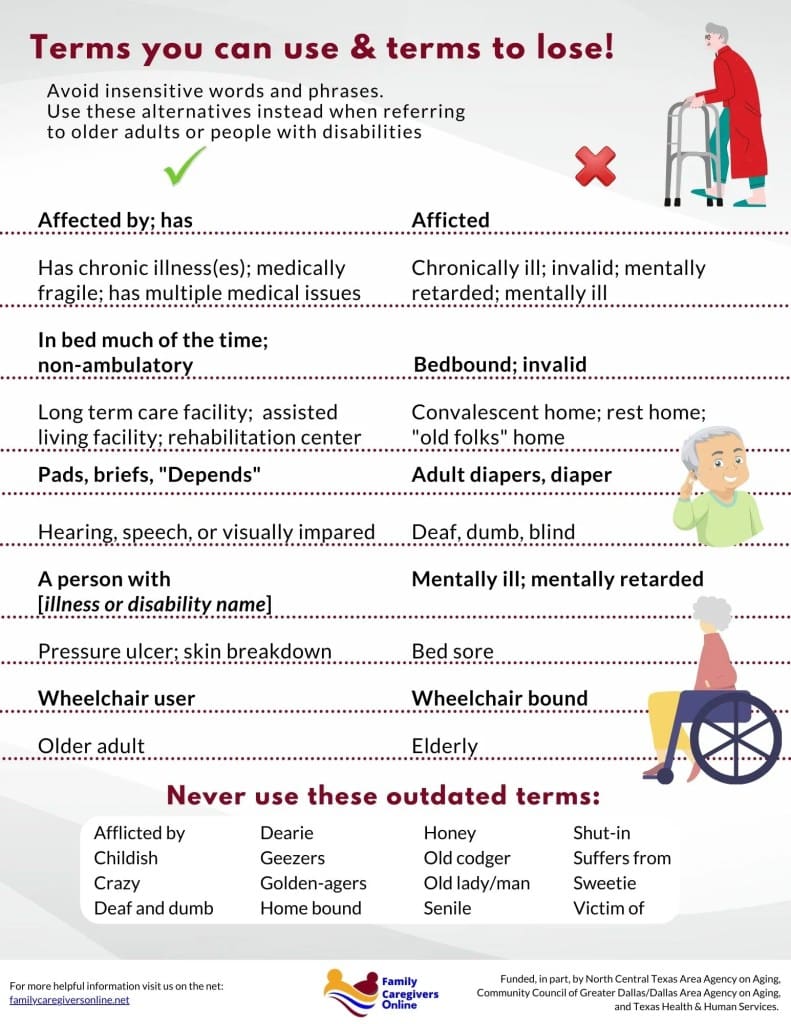
Promoting social engagement for aging parents with chronic illness is essential to their overall well-being. Isolation and loneliness can exacerbate the effects of chronic illness, while socialization and community engagement can provide emotional support and a sense of belonging.
Encouraging Socialization
Encourage your parent to maintain social connections as part of their care plan. This can involve spending time with family and friends, participating in social activities, or joining community groups.
Arrange regular visits or outings with loved ones, ensuring that your parent has opportunities to engage in meaningful social interactions. Encourage them to explore new hobbies or join clubs or organizations that align with their interests. By fostering socialization, you promote mental and emotional well-being, reducing the negative effects of social isolation.
Arranging Transportation
Transportation can sometimes be a barrier for aging parents, limiting their ability to engage in social activities. As a caregiver, arranging transportation can help overcome this obstacle and enable your parent to participate in social engagements.
Research transportation options in your area, such as senior transportation services or public transportation that accommodates individuals with mobility challenges. Coordinate schedules and plan ahead for outings, ensuring that your parent has reliable and accessible transportation options.
Exploring Community Programs
Community programs aimed at seniors can offer a range of opportunities for social engagement and support. Research local community centers, senior centers, or nonprofit organizations that offer tailored programs and activities for aging adults.
Explore programs such as exercise classes, art workshops, support groups, or volunteer opportunities that align with your parent’s interests and abilities. Encourage your parent to participate in these programs, providing them with a sense of purpose, connection, and continued personal growth.
Planning for the Future
Planning for the future is an important aspect of caregiving for aging parents with chronic illness. By proactively addressing legal and financial matters, discussing end-of-life wishes, and considering long-term care options, you can ensure that your parent’s needs are met and their preferences are honored.
Legal and Financial Planning
Consult with legal professionals to address any legal and financial considerations. Ensure that your parent has updated legal documents, such as a will, power of attorney, or advanced healthcare directive. These documents can provide guidance and protection in the event that your parent becomes unable to make decisions for themselves.
Consider seeking financial advice to manage your parent’s financial affairs effectively. Explore long-term care insurance options, drawing up a budget, or setting up a trust if necessary. By addressing legal and financial matters, you can provide peace of mind for both your parent and yourself.
Discussing End-of-Life Wishes
It is important to have open and honest conversations with your parent regarding their end-of-life wishes. Although these conversations may be difficult, they ensure that their preferences are known and can guide decision-making in the future.
Discuss topics such as medical interventions, resuscitation, and life-prolonging measures, keeping in mind your parent’s values and beliefs. Encourage them to establish an advanced care plan or healthcare proxy that reflects their wishes. By having these conversations, you can ensure that your parent’s desires are respected and reduce the emotional burden on both of you during challenging times.
Considering Long-term Care Options
In some cases, as your parent’s care needs evolve, it may become necessary to consider long-term care options. Research and explore different options available, such as assisted living facilities, nursing homes, or in-home care services.
Consider the level of care required, your parent’s personal preferences, and your family’s financial situation when evaluating long-term care options. Tour facilities and consult with healthcare professionals or social workers for guidance and recommendations. By considering long-term care options proactively, you can make informed decisions and ensure that your parent’s needs are met in the best possible environment.
In conclusion, caring for aging parents with chronic illness requires effective communication, building strong relationships, understanding the impact of illness, developing a care plan, providing emotional support, managing caregiver stress, utilizing available resources, assisting with daily activities, promoting social engagement, and planning for the future. By incorporating these strategies into your caregiving journey, you can enhance the well-being and quality of life for both yourself and your aging parents. Remember, caregiving is a challenging but incredibly meaningful role, and your dedication and support can make a world of difference in their lives.