
In this article, you will discover the best ways to manage asthma symptoms and improve your quality of life. By following simple tips such as avoiding triggers, taking prescribed medications, and regularly monitoring your asthma, you can effectively control your symptoms and enjoy a healthier, happier life. With the right management techniques, asthma can be kept under control, allowing you to live freely and confidently. Let’s explore the best ways to manage asthma symptoms together.
Best Ways To Manage Asthma Symptoms
Asthma is a chronic respiratory condition that affects millions of people worldwide, causing symptoms such as wheezing, coughing, chest tightness, and shortness of breath. Managing asthma symptoms is crucial for leading a healthy and active life. In this article, we will explore the best ways to manage asthma symptoms effectively.

Understanding Asthma
Before we dive into the best ways to manage asthma symptoms, it’s essential to understand what asthma is and how it affects the body. Asthma is a chronic inflammatory condition that causes the airways in the lungs to become narrow and swollen, making it difficult to breathe. Common triggers for asthma symptoms include allergies, exercise, cold air, respiratory infections, and pollutants.
Consult with a Healthcare Provider
If you suspect that you have asthma or are experiencing symptoms such as wheezing, coughing, or shortness of breath, it’s crucial to consult with a healthcare provider. A healthcare provider can diagnose asthma through a physical exam, lung function tests, and medical history. Once diagnosed, your healthcare provider can create a personalized treatment plan to manage your asthma symptoms effectively.
Create an Asthma Action Plan
An asthma action plan is a written guide that outlines how to manage your asthma symptoms and what to do in case of an asthma attack. Your healthcare provider can help you create an asthma action plan tailored to your specific needs. Make sure to carry a copy of your asthma action plan with you at all times and share it with your family, friends, and coworkers.
Take Medications as Prescribed
Medications are an essential part of managing asthma symptoms and preventing asthma attacks. There are two main types of asthma medications:
-
Quick-Relief Medications: These medications provide immediate relief from asthma symptoms by relaxing the muscles around the airways. They are typically used during an asthma attack or before exercise to prevent exercise-induced asthma. Examples of quick-relief medications include albuterol and levalbuterol.
-
Long-Term Control Medications: These medications are taken regularly to control inflammation in the airways and prevent asthma symptoms from occurring. Examples of long-term control medications include inhaled corticosteroids, leukotriene modifiers, and long-acting beta-agonists.
It’s crucial to take your asthma medications as prescribed by your healthcare provider to effectively manage your asthma symptoms and prevent asthma attacks.

Avoid Asthma Triggers
Identifying and avoiding asthma triggers can help reduce the frequency and severity of asthma symptoms. Common asthma triggers include:
- Allergens: such as pollen, dust mites, pet dander, and mold
- Irritants: such as tobacco smoke, air pollution, strong odors, and perfumes
- Respiratory Infections: such as colds, flu, and sinus infections
- Exercise: especially in cold air or high pollen seasons
By identifying your asthma triggers and taking steps to avoid them, you can better manage your asthma symptoms and improve your overall quality of life.
Maintain a Healthy Lifestyle
Living a healthy lifestyle can help improve your asthma symptoms and overall lung health. Here are some lifestyle changes you can make to manage your asthma effectively:
- Eat a Balanced Diet: Incorporate fruits, vegetables, whole grains, and lean proteins into your diet to support your overall health and immune system.
- Exercise Regularly: Physical activity can help strengthen your lungs and improve your breathing. Talk to your healthcare provider about the best types of exercise for managing asthma.
- Stay Hydrated: Drink plenty of water to keep your airways hydrated and prevent mucus buildup.
- Get Plenty of Rest: Adequate rest is essential for managing asthma symptoms and supporting your immune system.
- Manage Stress: Stress can trigger asthma symptoms, so finding healthy ways to manage stress, such as yoga or meditation, can be beneficial.
Monitor Your Asthma Symptoms
Monitoring your asthma symptoms can help you track your lung function and identify any changes or patterns. Keep a daily asthma diary to record your symptoms, peak flow readings, medication use, and triggers. Share this information with your healthcare provider during regular check-ups to adjust your treatment plan as needed.
Use a Peak Flow Meter
A peak flow meter is a handheld device that measures how well you can exhale air from your lungs. Using a peak flow meter daily can help you monitor your lung function and identify changes in your asthma symptoms. Your healthcare provider can help you determine your peak flow zones and how to use a peak flow meter effectively.
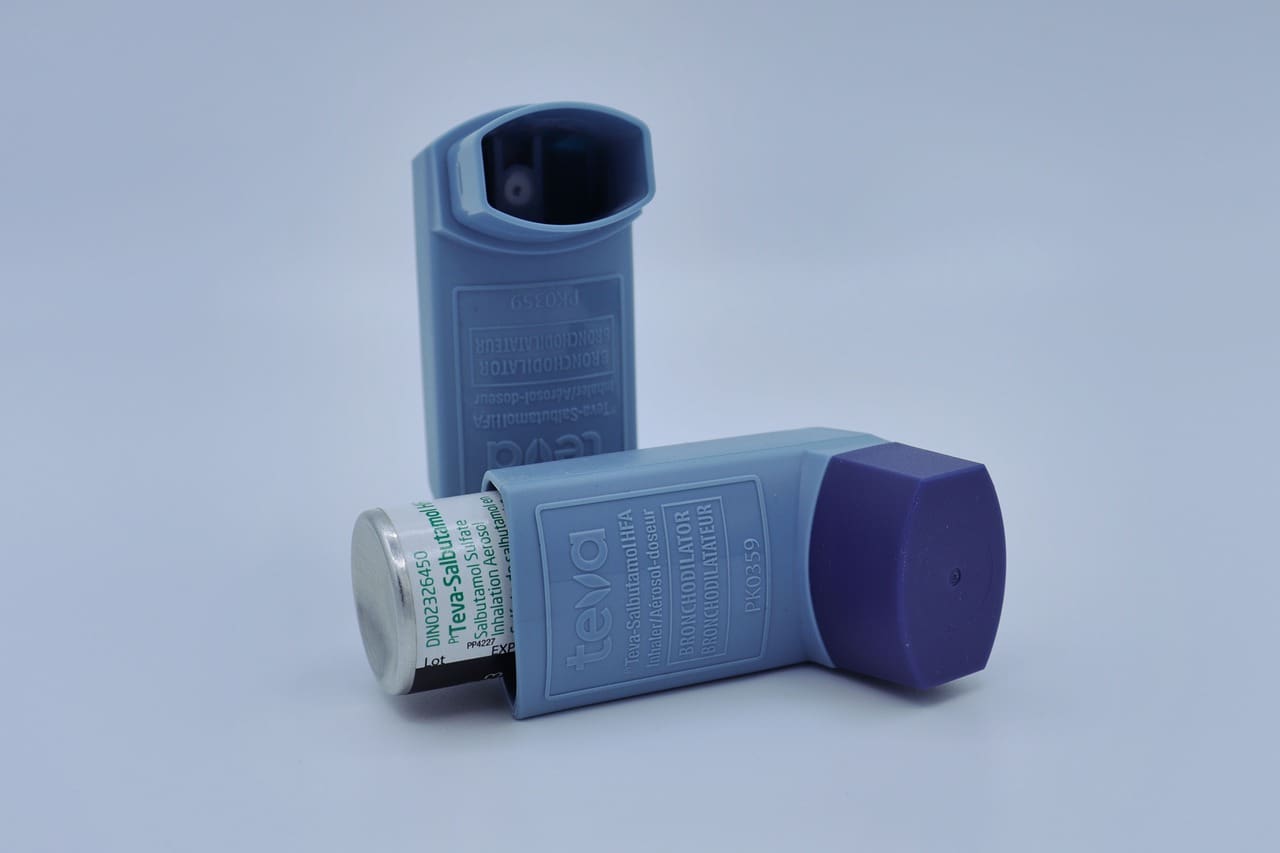
Practice Good Inhaler Technique
Using an inhaler correctly is crucial for getting the full dose of medication into your lungs and managing your asthma symptoms effectively. Here are some tips for good inhaler technique:
- Shake the inhaler before each use
- Breathe out fully before using the inhaler
- Place the inhaler mouthpiece in your mouth and press down on the canister to release the medication
- Inhale slowly and deeply to ensure the medication reaches your lungs
- Hold your breath for 10 seconds, then exhale slowly
If you have trouble using your inhaler correctly, ask your healthcare provider or pharmacist for a demonstration.
Stay Up-to-Date on Vaccinations
Getting vaccinated can help protect you from respiratory infections that can trigger asthma symptoms or worsen existing symptoms. Make sure to stay up-to-date on your vaccinations, including the annual flu shot and the pneumonia vaccine. Talk to your healthcare provider about which vaccines are recommended for you based on your age, health status, and asthma management plan.
Create a Healthy Home Environment
Creating a healthy home environment is essential for managing asthma symptoms and reducing exposure to triggers. Here are some tips for creating a asthma-friendly home environment:
- Keep the house clean: Regularly dust, vacuum, and clean surfaces to reduce dust mites and pet dander.
- Control humidity levels: Use a dehumidifier to keep humidity levels between 30-50% to prevent mold growth.
- Minimize pollutants: Avoid smoking indoors, use exhaust fans, and open windows for ventilation.
- Remove allergens: Wash bedding regularly, use allergen-proof covers on pillows and mattresses, and keep pets out of the bedroom.
By creating a healthy home environment, you can reduce your exposure to asthma triggers and improve your overall respiratory health.
Seek Emergency Medical Care When Necessary
In some cases, asthma symptoms can be severe and require emergency medical care. If you experience any of the following symptoms, seek immediate medical attention:
- Severe shortness of breath
- Chest tightness or pain
- Difficulty speaking
- Bluish lips or fingers
- Worsening symptoms despite medication use
It’s crucial to seek emergency medical care when experiencing severe asthma symptoms to prevent serious complications and ensure prompt treatment.
Conclusion
Managing asthma symptoms effectively is essential for leading a healthy and active life. By understanding asthma, consulting with a healthcare provider, creating an asthma action plan, taking medications as prescribed, avoiding asthma triggers, and making lifestyle changes, you can better manage your asthma and prevent asthma attacks. Remember to monitor your asthma symptoms, use a peak flow meter, practice good inhaler technique, stay up-to-date on vaccinations, create a healthy home environment, and seek emergency medical care when necessary. By following these best practices, you can take control of your asthma and live a fulfilling life.