
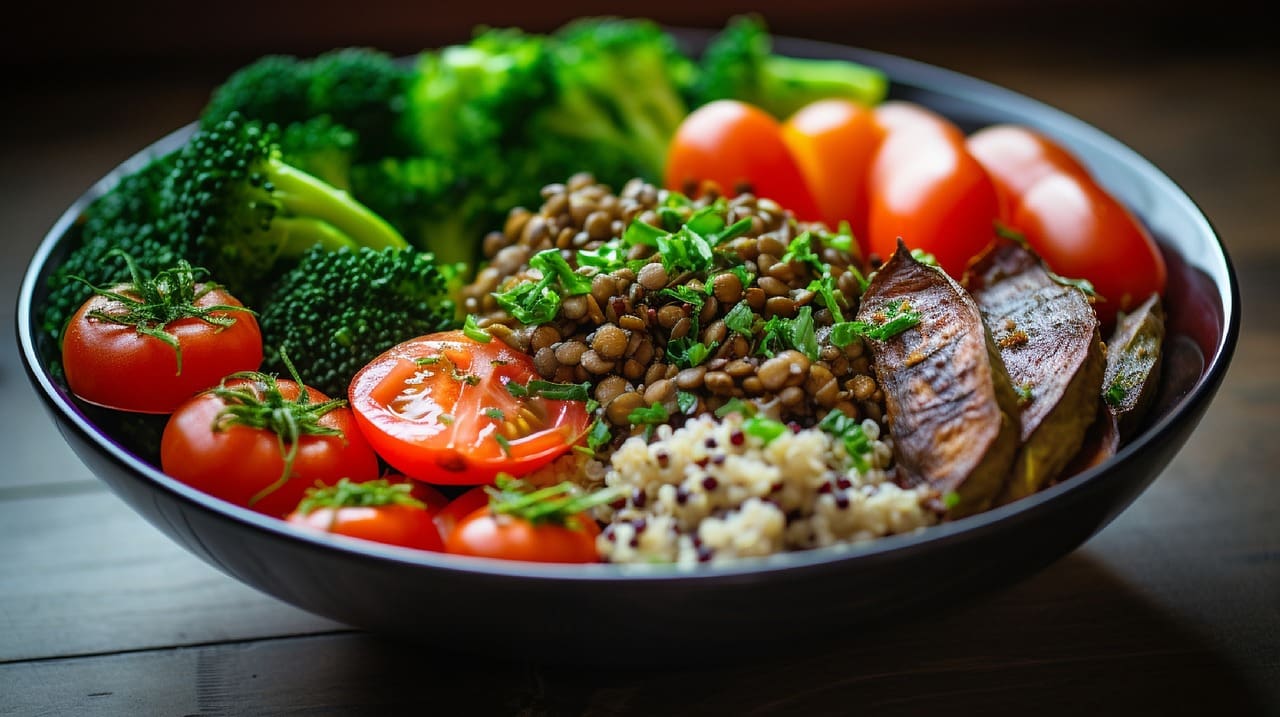
Are you struggling to maintain a healthy weight and finding it challenging to control your portions? Look no further! In this article, we will explore the best techniques to help you effectively manage portion control for weight management. By implementing these strategies into your daily routine, you will be well on your way to achieving your weight loss goals and enjoying a happier, healthier lifestyle. So, let’s dive right in and discover the key to successful portion control!
Eat Mindfully
Eating mindfully is a key component of portion control. By paying attention to your hunger and fullness cues, you can better control the amount of food you consume. Take a moment before you start eating to assess your hunger level. Are you truly hungry, or are you eating out of habit or boredom? This simple pause can help you make more conscious choices about what and how much to eat.
While eating, it’s important to slow down and savor each bite. This allows your brain to register the sensation of fullness, helping you recognize when you’ve had enough. Chew your food thoroughly and take the time to truly enjoy the flavors and textures. Not only will this enhance your eating experience, but it will also help you avoid overeating.
Avoiding distractions while you eat is another crucial aspect of mindful eating. Turn off the TV, put away your phone, and create a calm and peaceful environment. When you’re distracted, you’re more likely to eat mindlessly and lose track of how much you’ve consumed. By fully focusing on your meals, you can tune into your body’s signals and eat in a way that supports portion control.
Use Smaller Plates and Bowls
The size of your plates and bowls can have a significant impact on your portion sizes. Opting for 9-inch plates rather than the typical 12-inch ones can help you naturally consume smaller portions. This smaller plate size gives the illusion of a full plate even with less food on it. By visually tricking your mind into thinking you’re eating a substantial amount, you can maintain portion control without feeling deprived.
Similarly, selecting bowls with smaller capacities can also assist in managing portion sizes. Using bowls with a smaller volume encourages you to serve yourself less. When the bowl is easily filled, you’re less likely to heap on excessive amounts of food. By consciously choosing smaller dishes, you can adjust your portion sizes and maintain a healthier balance.
Pre-Portion Your Meals
Pre-portioning your meals ahead of time is an effective strategy to control your portions. By dividing your meals into individual servings, you can ensure that you’re not overeating. As you prepare your meals, divide them into appropriate portions and store them in containers. This not only helps you control your portions but also makes it easier to grab a meal when you’re on the go.
Alternatively, you can invest in portion control plates or containers. These specialized products have distinct compartments that guide you in serving appropriate portions of each food group. They take the guesswork out of portion control and make it simpler to adhere to your goals. By having designated portions, you can be more mindful of your eating habits and make healthier choices.
Control Portions While Cooking
Portion control should start during the cooking process. By being mindful of the ingredients you use and the measurements you follow, you can easily manage your portions. Rather than eyeballing measurements, take the time to measure ingredients accurately. Use measuring cups and spoons to ensure you’re adding the correct amounts.
Additionally, using kitchen scales can be a valuable tool in controlling portions. This is particularly helpful when it comes to items like meat or grains, as weight can be more precise than volume. By weighing ingredients, you can be more aware of the portions you’re adding to your meals. This attention to detail can go a long way in supporting your portion control efforts.
Practice Portion Control When Dining Out
Managing portion control can be especially challenging when dining out, where portion sizes are often much larger than necessary. However, there are strategies you can employ to keep portions in check even when eating at restaurants.
One option is to share larger entrees with a dining companion. Many restaurants serve generous portions that exceed a single serving size. Sharing a meal allows you to enjoy the flavors and experience of eating out while also controlling your portion sizes.
You can also choose smaller size options from the menu. Many establishments offer a lunch or appetizer portion size that is more suitable for proper portion control. These options provide you with a satisfying meal without the excess calories and larger quantities.
If sharing or ordering a smaller portion isn’t feasible, don’t be afraid to request half portions or to-go boxes. Dividing your meal in half and saving the rest for later can help you avoid the temptation to overeat in one sitting.
Be Mindful of Liquid Calories
It’s not just food that contributes to your daily caloric intake; beverages can also add up quickly. Being mindful of liquid calories is an important aspect of portion control.
Measuring your beverages can give you a better sense of how much you’re consuming. Use measuring cups or a kitchen scale to pour out the appropriate serving size. This can be particularly helpful when it comes to higher-calorie drinks like juices or soda.
Opting for water or low-calorie options can also help you manage liquid calories. Water is not only hydrating but also has zero calories, making it an excellent choice for quenching your thirst without adding to your daily caloric intake. If you prefer flavored beverages, consider low-calorie alternatives such as unsweetened tea or naturally-flavored sparkling water.
Limiting alcohol consumption is another important aspect of portion control. Alcoholic beverages can be high in calories and can lead to overeating due to impaired judgment. If you choose to drink alcohol, do so in moderation and be mindful of the calories it contributes to your overall intake.
Include Protein and Fiber in Your Meals
Including protein and fiber in your meals is essential for maintaining portion control and managing your weight. Both of these nutrients help you feel fuller for longer, reducing the likelihood of overeating.
Choose lean sources of protein like chicken, fish, or tofu. These options are lower in calories and provide high-quality protein that aids in muscle growth and repair. Incorporating protein into your meals helps you feel satisfied and supports portion control by reducing cravings and excessive snacking.
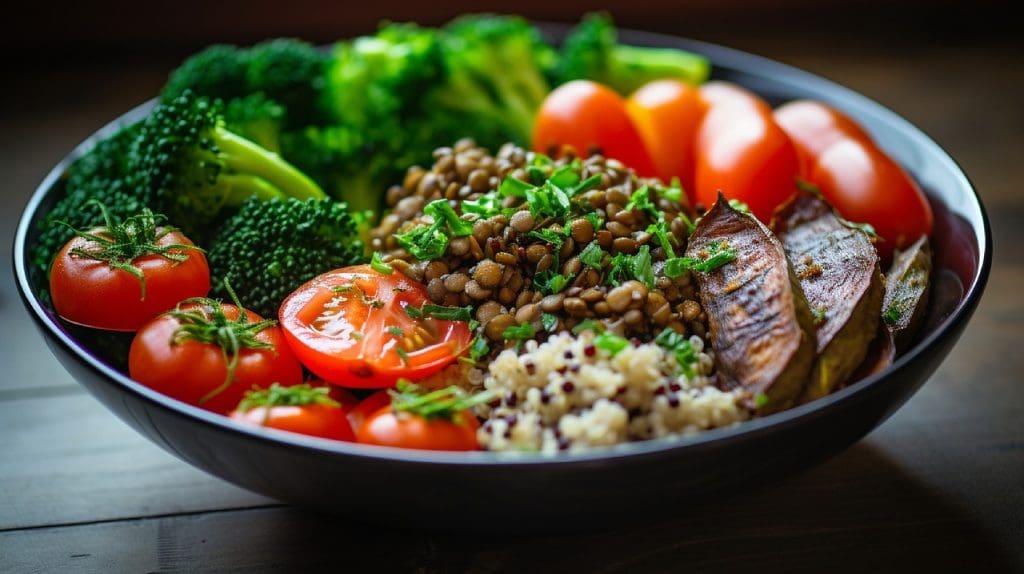
In addition to animal-based proteins, include plant-based proteins in your diet. Foods like beans, lentils, and quinoa are excellent sources of protein that are also high in fiber. Fiber adds bulk to your meals, promoting feelings of fullness and reducing the desire to overeat. It also supports a healthy digestive system and can help manage blood sugar levels.
Incorporate high-fiber foods like fruits, vegetables, whole grains, and legumes into your meals. These foods not only provide essential vitamins and minerals but also contribute to portion control by keeping you satisfied and preventing overconsumption.
Control Snack Portions
Snacking can be a slippery slope when it comes to portion control, as it’s easy to mindlessly munch on large quantities of snacks. However, there are strategies you can use to control your snack portions.
Pre-portioning snacks in advance is a simple yet effective approach. Take the time to portion out snacks into individual servings or small containers. By doing this, you can grab a pre-portioned snack without the temptation to keep eating.
Choosing nutritious snack options is also important for portion control. Instead of reaching for high-calorie, low-nutrient snacks, opt for healthier alternatives. Fruits, vegetables, nuts, and yogurt are all excellent choices that provide both satiety and essential nutrients. These options will help you stay satisfied and prevent overeating while still enjoying delicious and satisfying snacks.
Keep Track of Your Portions
Keeping track of your portions is a valuable tool for managing portion control. By monitoring what you eat and how much you eat, you can make adjustments to support your weight management goals.
Using a food diary or tracking app can help you record your meals and portion sizes. This allows you to reflect on your eating habits and identify areas for improvement. It’s also a useful tool for accountability and awareness. Reviewing your food diary can help you recognize patterns and make informed decisions about your portion sizes.
Weighing or measuring your portions is another effective method for staying on top of portion control. Investing in a kitchen scale and using measuring cups and spoons can give you accurate measurements of your food. This ensures that you’re not unknowingly eating larger portion sizes and helps you maintain control over your caloric intake.
Seek Professional Guidance
If you’re struggling with portion control or need additional guidance, it can be beneficial to consult a registered dietitian. These professionals have expertise in nutrition and can provide tailored advice to meet your specific needs and goals. They can help you develop a personalized portion control plan and provide ongoing support and accountability.
In addition to seeking professional guidance, joining support programs can also be helpful. These programs offer a community of individuals with similar goals and challenges. Being part of a support network can provide motivation, accountability, and practical tips for managing portion control and weight management.
As you embark on your portion control journey, remember to be patient and kind to yourself. Portion control is a skill that takes time to develop, but with practice and perseverance, you can successfully manage your portions and achieve your weight management goals.