Are you constantly struggling to figure out what to cook for your busy family? Meal planning can be a game-changer when it comes to saving time, money, and reducing stress. In this article, we will explore the best strategies and tips to help you create effective meal plans that cater to the needs of your bustling household. From organizing your pantry and fridge to incorporating versatile recipes, you’ll discover practical solutions that will make mealtime a breeze for your busy family. Say goodbye to last-minute cooking dilemmas and hello to delicious home-cooked meals with these tried and tested meal planning techniques.
Set aside time for meal planning
Meal planning is an essential part of maintaining a balanced and stress-free family life, especially when you have a busy schedule. To ensure successful meal planning, it’s vital to set aside a designated time each week specifically for this task. By choosing a consistent day and time, you’ll establish a routine that becomes ingrained in your schedule. Treat this time as a non-negotiable commitment to yourself and your family’s well-being.
Block off this designated time in your schedule so that you have a dedicated window to focus solely on meal planning. This could be an hour or even just 30 minutes, depending on your family’s needs. By marking it down in your calendar or setting a reminder on your phone, you’ll avoid double booking or forgetting this important task. Remember, consistency is key.
Make meal planning a priority. It’s easy to let it fall by the wayside when life gets busy, but ensuring your family is well-nourished and eating nutritious meals should be high on your priority list. By making it a priority, you will be motivated to set aside the necessary time and effort to plan meals that meet your family’s dietary needs and preferences.
Create a master list of family favorite meals
Sitting down with your family for a meal brainstorming session is not only a fun activity but also helps in creating a master list of family favorite meals. Encourage everyone to contribute their ideas, considering each family member’s preferences and dietary restrictions. This collaborative approach ensures that everyone feels heard and valued, making mealtime a more enjoyable experience for all.
Compile a list of meals that everyone enjoys. This list should include a variety of cuisines to cater to different tastes within your family. Consider incorporating favorites from different cultures, as this can be a great way to introduce your children to diverse flavors. Additionally, take into account any dietary preferences or restrictions, such as vegetarian or gluten-free options, so that you can plan meals that cater to everyone’s needs.
Plan for the week ahead
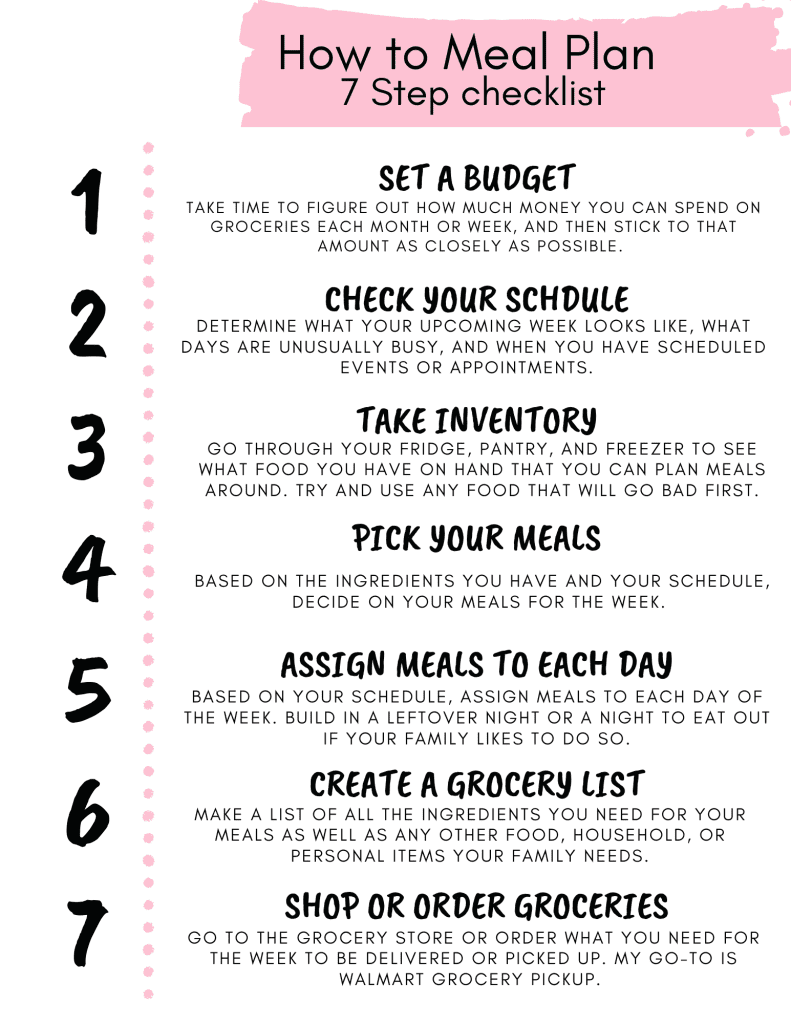
Once you have a list of family favorite meals, it’s time to plan for the week ahead. Check your schedule for any upcoming events or commitments that may impact your meal planning. Take note of any days when you’ll have limited time for cooking and plan accordingly. This will help you avoid last-minute stress and ensure that you have meals that fit your schedule.
Consider the time you have available for cooking each day. Some days may allow for more elaborate and time-consuming meals, while others may call for quick and easy recipes. By taking into account the time constraints of each day, you’ll be able to plan meals that are realistic and achievable within your schedule.
Take into account any leftovers or planned leftovers. Planning to have leftovers for a meal can save you time and effort, as you’ll only need to reheat and serve. However, be mindful of balancing leftovers with freshly cooked meals throughout the week to avoid food waste and monotony.
Make a grocery list
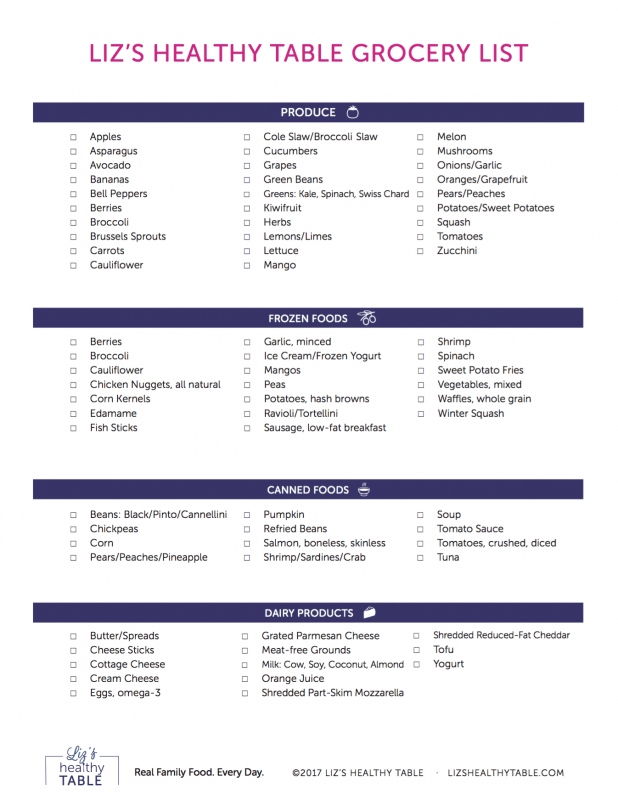
After planning your meals for the week, it’s time to create a grocery list. Refer back to your planned meals and note down all the necessary ingredients. Checking your pantry and fridge for existing ingredients is also crucial, as you may already have some items on hand. By doing this, you’ll avoid buying duplicates and save money.
Include any necessary staples or household items on your grocery list. These can range from spices and condiments to cleaning supplies or toiletries. By keeping your list comprehensive, you’ll minimize the need for last-minute trips to the store and ensure that you have everything you need to make healthy and delicious meals.
Batch cooking and prepping
Choosing a specific day for batch cooking or prepping ingredients can be a game-changer when it comes to saving time and effort during the week. On this designated day, you can cook large quantities of staple items or versatile components that can be incorporated into multiple meals. For example, you can cook a big batch of grains or proteins like chicken or tofu that can be used in different recipes throughout the week.
In addition to batch cooking, prepping vegetables, washing and chopping fruits, and portioning out snacks can make your week go much smoother. By having these items ready to go, you can quickly assemble meals or grab a healthy snack without the need for extensive prep work. This not only saves you time but also helps you make healthier choices when you’re in a rush.
Utilize freezer-friendly meals
Having freezer-friendly meals on hand is a lifesaver for busy families. Identify recipes that freeze well, such as soups, stews, casseroles, and even certain baked goods. When you cook these meals, consider doubling or tripling the recipe to make extras specifically for freezing.
When freezing meals, it’s important to store them in individual portions in freezer-safe containers or bags. This way, you can easily thaw and reheat portions as needed, rather than having to defrost the entire batch. Labeling your containers with the name of the meal and the date it was prepared will help you keep track of what’s in your freezer and ensure you rotate through your frozen meals.
Try theme nights
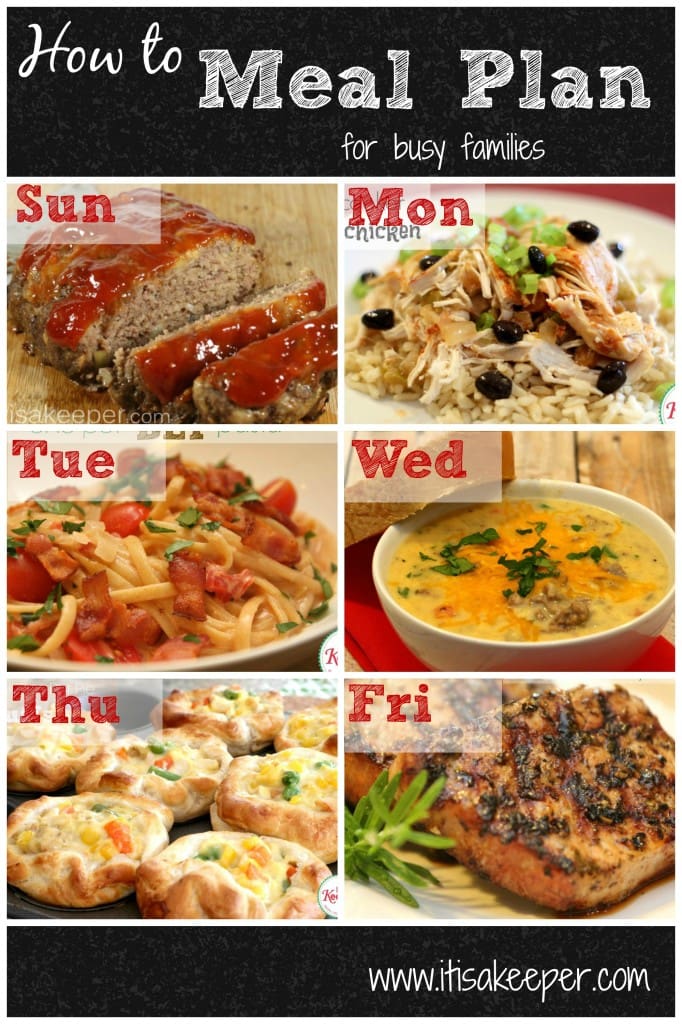
Spice up your meal planning by incorporating theme nights into your weekly schedule. Assign different themes to specific days of the week to add variety and excitement to your meals. For example, you can have Meatless Monday, Taco Tuesday, Stir-fry Wednesday, or Pizza Friday. By assigning themes, you’ll have a framework to work with when choosing recipes.
Exploring international cuisines or incorporating family traditions can be another fun way to introduce theme nights. You can dedicate a specific day to trying new recipes from different cultures or revisit family favorites that are passed down through generations. Theme nights not only make meal planning more enjoyable but also offer a chance to broaden your culinary horizons.
Keep a well-stocked pantry
Maintaining a well-stocked pantry is essential for successful meal planning. By having a supply of staple ingredients at your disposal, you’ll always have the foundation for creating delicious meals, even on those days you haven’t had time to hit the grocery store. Include canned goods, dry goods like rice and pasta, and non-perishable items like oils, vinegars, and spices.
Regularly check and restock pantry items to ensure you have what you need on hand. This will help prevent last-minute trips to the store and ensure you can quickly whip up a meal, even when time is tight. Making a habit of checking your pantry regularly also allows you to rotate through food items, making sure nothing goes to waste.
Create a meal prep station
Designating a specific area in your kitchen as a meal prep station can greatly streamline your meal planning and preparation. Organize containers, utensils, and tools in this designated area, making them easily accessible when you’re working on meal prep. Consider using clear containers or labeling them to keep things organized and easily identifiable.
Keep essentials like spices, oils, and other frequently used ingredients within reach of your meal prep station. This not only saves you time when you’re cooking but also minimizes the chances of forgetting to include a crucial ingredient in a dish. Having everything you need in one place will make your meal preparation process smoother and more efficient.
Involve the family
Make meal planning and preparation a shared responsibility by involving every member of the family. Assign age-appropriate tasks to each family member, ensuring that everyone has a role to play. This not only lightens the load for you but also teaches valuable skills and encourages teamwork within the family.
Younger children can help with simple tasks like washing fruits and vegetables or setting the table, while older kids can assist with chopping ingredients or even following simple recipes. By involving the whole family, you are not only fostering a sense of responsibility and contribution but also creating an opportunity for quality family time and bonding in the kitchen.
In conclusion, meal planning is a crucial aspect of managing a busy family’s dietary needs and ensuring they have nutritious and enjoyable meals. By setting aside dedicated time, creating a list of family favorites, planning ahead, making a thorough grocery list, batch cooking and prepping, utilizing freezer-friendly meals, trying theme nights, keeping a well-stocked pantry, creating a meal prep station, and involving the whole family, you can make meal planning a breeze and bring joy and ease to your family’s dining experience. So, take the first step, set aside some time, and start planning meals that will nourish and delight your family!