
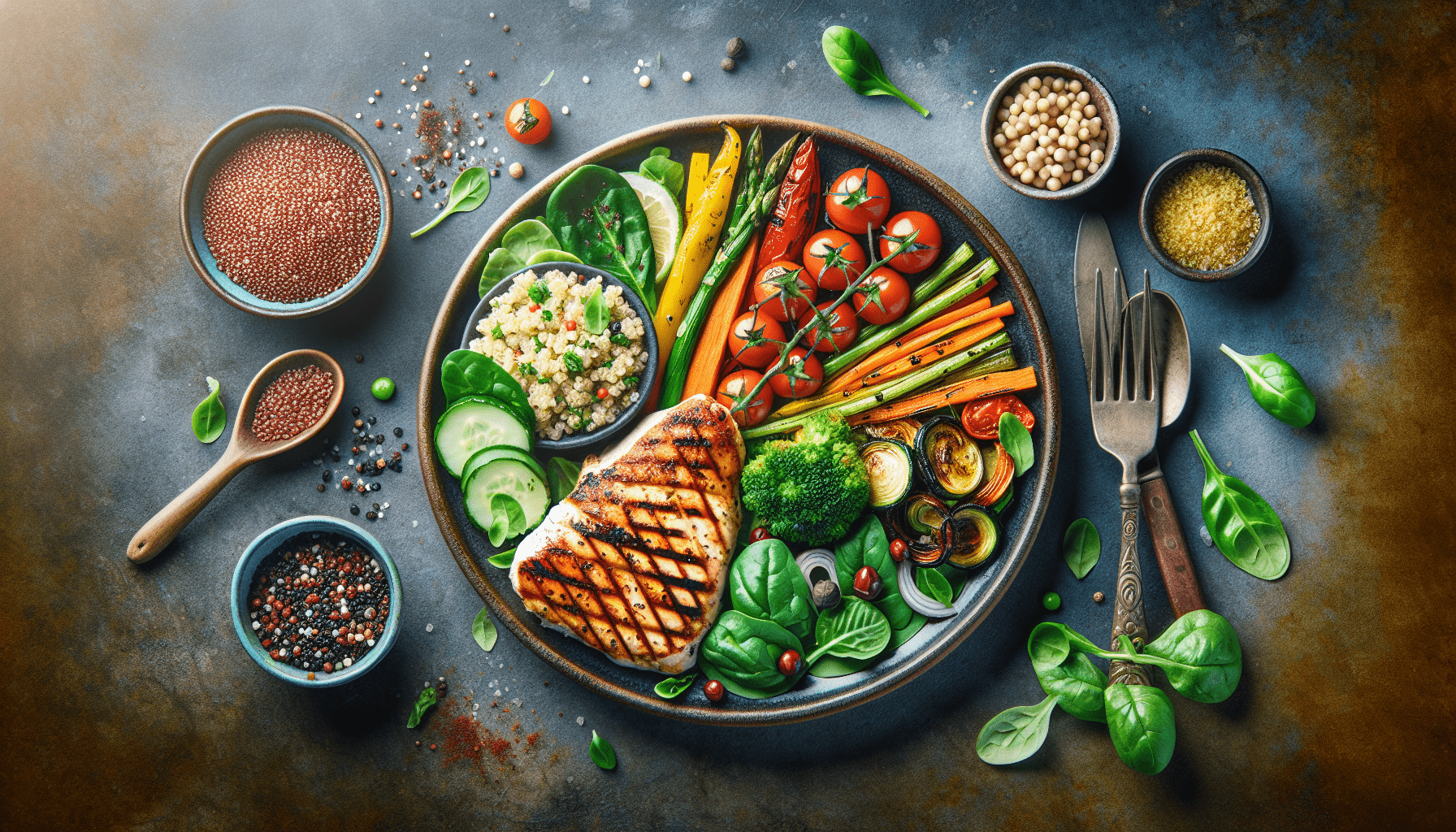
Incorporating a high-protein diet into your meal plan has become increasingly popular for individuals who want to enhance their health and reach their fitness goals. Whether you’re looking to build muscle or simply increase your protein intake, planning your meals wisely is key. With the best ways to meal plan for a high-protein diet, you can ensure that you’re getting adequate protein while still enjoying delicious and diverse meals throughout the week. From incorporating lean meats to incorporating plant-based protein sources, this article will provide you with practical tips and strategies to effectively plan your meals for a high-protein diet. So, get ready to embark on a protein-packed journey that will both nourish and satisfy your taste buds.
Set Your Protein Goals
When embarking on a high-protein diet, it is essential to first determine your protein needs. The amount of protein your body requires can depend on various factors such as age, sex, weight, and activity level. To get an accurate estimate, consider using an online protein calculator or consulting a healthcare professional who can provide personalized guidance. Understanding your protein requirements will serve as the foundation for an effective meal plan.
Choose High-Protein Foods
Once you have established your protein goals, it’s time to select nutrient-dense foods that pack a protein punch. Lean meats and poultry, such as chicken breast and turkey, are excellent choices as they are low in fat and high in protein. Plant-based protein sources like legumes, soy products, and quinoa are beneficial for those following a vegetarian or vegan diet. Additionally, incorporating dairy and eggs into your meals can provide a good amount of protein. Lastly, don’t forget to include fish and seafood, which not only offer high protein content but also supply heart-healthy omega-3 fatty acids.
Calculate Protein Portions
Now that you know which high-protein foods to include, it’s important to ensure you consume the right portion sizes. Portion control plays a crucial role in maintaining a balanced diet and reaching your protein goals. Determining your protein portion size can be done by referring to serving recommendations provided on food packaging or using a food scale to measure the exact amount. Remember, it’s not just about getting enough protein in one meal but distributing it evenly throughout the day to support muscle synthesis and overall health.
Plan Your Meals in Advance
To successfully follow a high-protein diet, it’s beneficial to invest time in planning your meals in advance. Creating a weekly meal plan not only helps you stay on track but also saves time and reduces the temptation to make unhealthy food choices. When meal planning, take into account the protein sources you want to incorporate into each meal. Consider having a mix of plant-based and animal proteins while ensuring variety to prevent taste fatigue. Additionally, meal prepping can be a game-changer as it allows you to prepare portions of your meals ahead of time, making healthy eating more convenient and accessible.
Focus on Balanced Meals
While protein is the star of a high-protein diet, it’s crucial to include other macronutrients to maintain a well-rounded and balanced approach to nutrition. Carbohydrates and fats are essential for providing energy and supporting various bodily functions. Include complex carbohydrates like whole grains, fruits, and vegetables, as well as healthy fats such as avocados, nuts, and olive oil. By incorporating all three macronutrients into your meals, you create a satisfying and nutritionally complete plate.
Incorporating a variety of vegetables into your high-protein meals is key to maximizing nutrient intake. Vegetables not only provide essential vitamins, minerals, and fiber but also add color, flavor, and texture to your dishes. Aim to include a wide range of vegetables of different colors and types to ensure you reap their unique health benefits. Additionally, staying adequately hydrated is crucial for overall health and proper bodily functions. Make sure to drink enough water throughout the day to support digestion, circulation, and optimal protein utilization.
Snack Smartly
In between meals, it’s important to choose high-protein snacks to keep your energy levels up and your hunger at bay. Opt for nutrient-dense options such as Greek yogurt, cottage cheese, nuts, and seeds. These snacks not only provide a good source of protein but also offer additional nutrients like calcium, magnesium, and healthy fats. Another great option is to make homemade protein bars or shakes using ingredients like protein powder, nut butter, and dried fruits. These snacks can be prepared in advance and stored for easy grab-and-go options throughout the week.
Consider Supplementation
While obtaining most of your protein from whole foods is recommended, there may be instances where supplementation can be beneficial. It is crucial to consult with a healthcare professional, such as a registered dietitian, before considering protein supplements. They can assess your individual needs and guide you on whether supplementation is necessary. There are various types of protein supplements available, such as whey, casein, and plant-based options. These supplements can be convenient for individuals who struggle to meet their protein goals through food alone, such as those with specific dietary restrictions or preferences.
Track Your Protein Intake
To ensure you’re staying on target with your protein goals, it can be helpful to track your protein intake using a food diary or a tracking app. These tools allow you to record and monitor the amount of protein you consume throughout the day. By tracking your intake, you can identify any gaps or areas where improvements can be made. It also helps you stay accountable and make adjustments accordingly. Consider collaborating with a healthcare professional or registered dietitian who can review your food diary and provide personalized recommendations based on your progress.
Make Adjustments Based on Your Needs
As you progress on your high-protein diet, it’s important to regularly reassess your protein goals and adjust your meal plan accordingly. Factors like changes in activity level, weight loss or gain, and overall health can influence your protein requirements. By periodically evaluating your needs, you can ensure that your meal plan continues to support your goals effectively. Remember that flexibility is key, and being open to adapting your approach will help you stay motivated and achieve long-term success.
Seek Professional Guidance
For personalized and expert guidance on following a high-protein diet, it is highly recommended to consult a registered dietitian. These healthcare professionals are trained to assess your individual needs, identify any nutritional gaps, and guide you in creating a meal plan that aligns with your goals. They can also provide support, answer any questions or concerns, and help you make the necessary adjustments throughout your journey. Additionally, considering working with a fitness professional can provide further assistance in tailoring your high-protein diet to support your fitness and exercise routine.
In conclusion, meal planning for a high-protein diet involves setting your protein goals, selecting the right foods, calculating portion sizes, planning meals in advance, focusing on balanced nutrition, smart snacking, and considering professional guidance. By following these steps, you can ensure that your high-protein diet is both enjoyable and effective in supporting your overall health and wellness. Remember to listen to your body, make adjustments as needed, and celebrate your progress along the way.