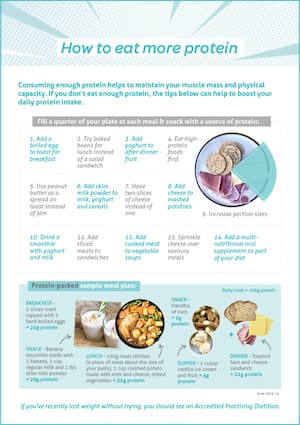
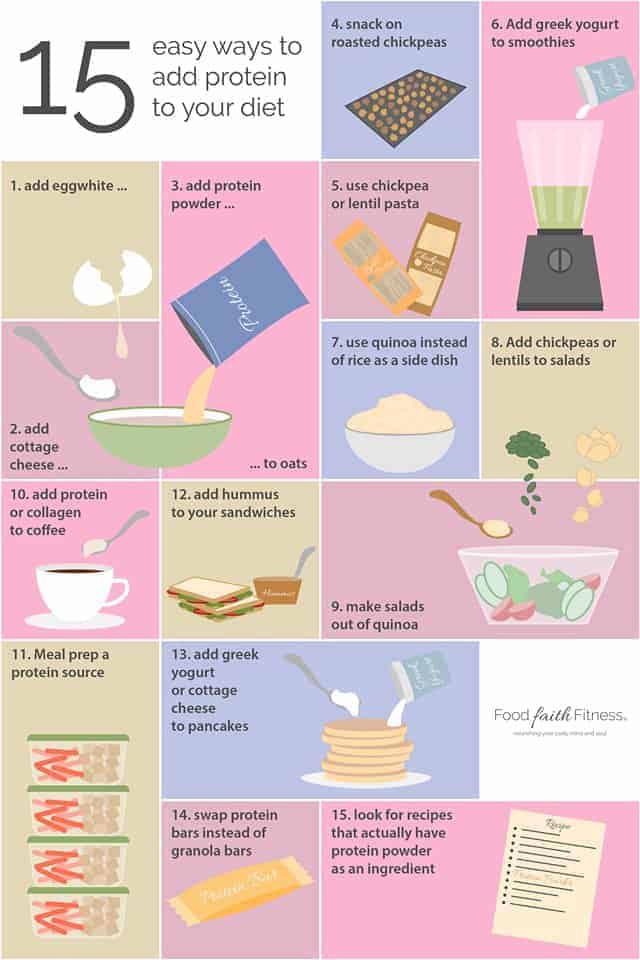
Looking to boost your protein intake but not sure where to start? Look no further! In this article, we will explore various simple and effective ways to incorporate more protein into your diet. Whether you’re a meat lover or a plant-based enthusiast, we’ve got you covered with innovative ideas and practical tips. Get ready to discover delicious and nutritious options that will help fuel your body and support your health goals. Say goodbye to boring meals and hello to a protein-packed diet that will leave you feeling satisfied and energized. Let’s dive in and explore the wonderful world of protein!
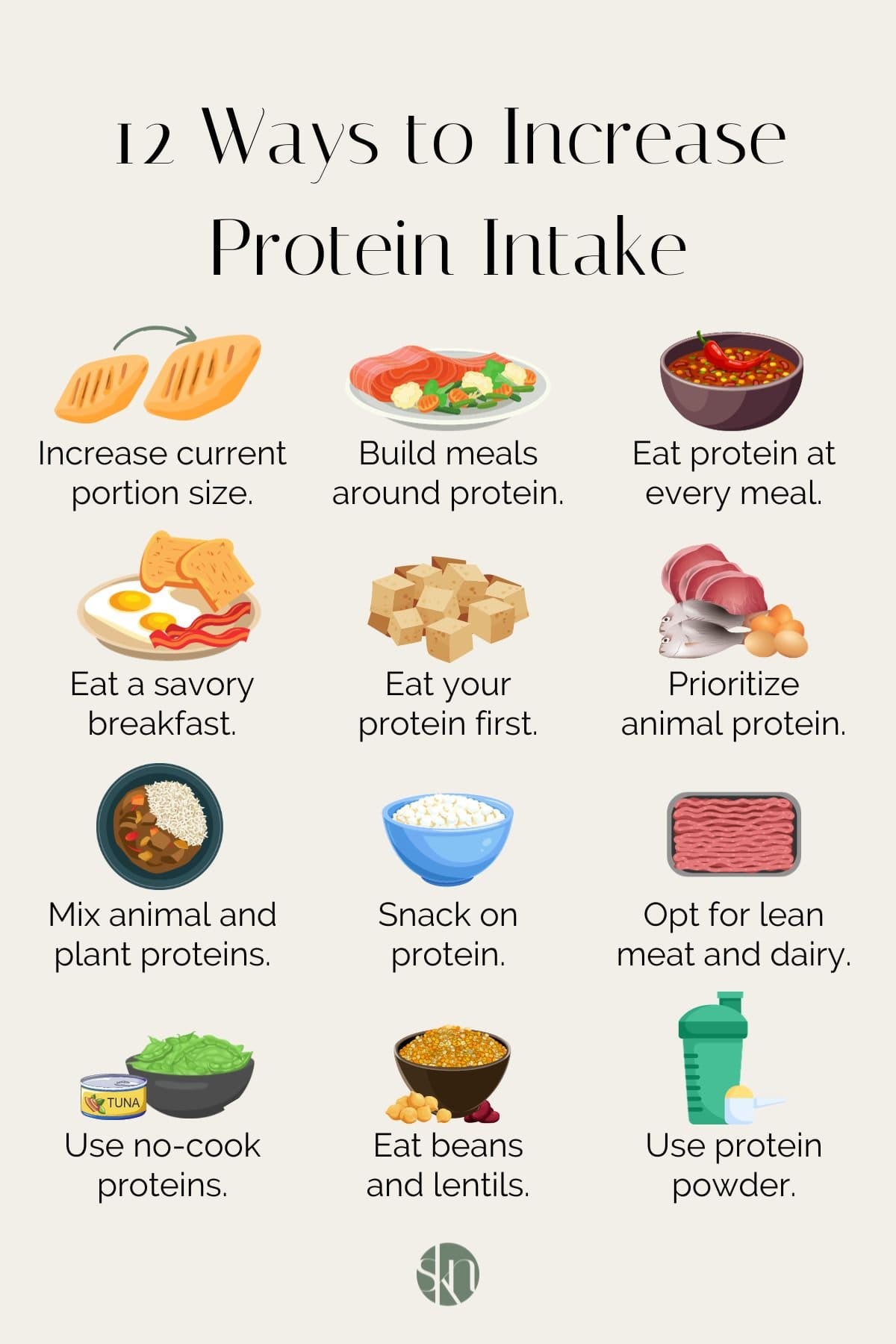
Choose protein-rich foods
Include lean meats
When it comes to choosing protein-rich foods, lean meats should be at the top of your list. Lean meats like chicken breast, turkey breast, and lean cuts of beef are excellent sources of high-quality protein. They are also low in fat, making them a healthy option for those looking to maintain or lose weight. Grilling or baking these meats is a great way to preserve their nutritional value while adding a delicious flavor to your meals.
Opt for poultry
Poultry, such as chicken and turkey, is a fantastic source of lean protein. These meats are not only packed with protein, but they are also low in fat, making them a healthy choice for anyone looking to increase their protein intake. Whether you prefer grilled chicken breast, roasted turkey, or stir-fried chicken, there are countless ways to incorporate poultry into your diet and enjoy the benefits of its protein content.
Include fish and seafood in your diet
Fish and seafood are not only delicious but also loaded with protein. Salmon, tuna, and trout are some examples of fatty fish that are particularly high in protein and omega-3 fatty acids, which are essential for your overall health. Other seafood options like shrimp, lobster, and mussels also provide a good amount of protein. Including fish and seafood in your meals not only enhances their nutritional value but also adds variety and flavor to your diet.
Incorporate plant-based protein sources
If you follow a vegetarian or vegan diet or simply want to add more plant-based protein to your meals, there are plenty of options available. Foods like tofu, tempeh, and edamame are all excellent sources of plant-based protein. Additionally, legumes like lentils, chickpeas, and beans are rich in protein and fiber, making them a filling and nutritious addition to your diet. Don’t forget about nuts and seeds, such as almonds, walnuts, chia seeds, and hemp seeds, which are also packed with protein. By incorporating these plant-based protein sources into your meals, you can ensure you’re getting all the amino acids your body needs.
Include protein in every meal
Start your day with a protein-rich breakfast
Breakfast is often referred to as the most important meal of the day, and it’s an excellent opportunity to kick-start your protein intake. Opt for protein-rich breakfast options like eggs, Greek yogurt, or protein-packed smoothies. Scrambled eggs or an omelet loaded with vegetables and lean meats are a great way to get your day off to a protein-rich start. Greek yogurt topped with nuts, seeds, and berries is another delicious and protein-packed breakfast option.
Add protein to your lunch
When planning your lunch, make sure to include a good source of protein to keep you feeling satisfied and energized throughout the day. Grilled chicken or turkey breast, beans, or tofu can be added to salads, sandwiches, or wraps to increase their protein content. Alternatively, a hearty lentil or chickpea-based soup can be a comforting and protein-rich choice. By incorporating protein into your lunch, you’ll be able to maintain stable energy levels and keep hunger at bay.
Include protein in your dinner
Dinner is another important meal where you should prioritize protein. Lean cuts of meat like chicken, steak, or fish can be grilled, roasted, or stir-fried to provide a substantial amount of protein. If you prefer plant-based options, consider recipes with tofu, seitan, or legumes. Don’t forget that protein can also be found in whole grains like quinoa or brown rice, so try pairing these with your protein source of choice for a well-rounded and nutritious dinner.
Enjoy protein-rich snacks
Snacks are a great opportunity to incorporate more protein into your daily diet. Greek yogurt is an excellent choice for a protein-packed snack, and you can enhance its nutritional value by adding fruits, nuts, or seeds. Hard-boiled eggs are another convenient and portable snack option that provides a good amount of protein. If you’re looking for something quick and easy, grab a protein bar or some protein balls made with ingredients like nuts, seeds, and protein powder.
Make protein shakes or smoothies
Choose a protein powder
Protein shakes and smoothies are an easy and convenient way to add more protein to your diet. Start by choosing a high-quality protein powder that aligns with your dietary preferences and needs. Whey protein, derived from milk, is the most common and widely available option. However, there are also plant-based protein powders made from sources like pea, hemp, or brown rice. Selecting a protein powder that suits your taste and dietary requirements is essential to ensure you enjoy your protein shakes.
Pick a liquid base
To make your protein shakes or smoothies, you’ll need a liquid base. Almond milk, cow’s milk, soy milk, or coconut water are all excellent choices. Each option will give your shake a slightly different taste and consistency, so choose the one that you prefer. If you’re watching your calorie intake, opt for a low-calorie or unsweetened variety.
Add fruits or vegetables
To make your protein shakes more nutritious and flavorful, add fruits or vegetables. Berries, bananas, and mangoes are popular choices for adding natural sweetness and fiber. Spinach, kale, or cucumber are excellent options if you want to incorporate more vegetables into your shake. Experiment with different combinations to find your favorite flavor profiles.
Include healthy fats and carbohydrates
While protein is important, it’s essential to have a balanced shake that includes healthy fats and carbohydrates. Adding a tablespoon of nut butter, a handful of nuts, or a drizzle of avocado oil can boost the healthy fat content. Including oats, chia seeds, or a scoop of nut butter can add carbohydrates to provide sustained energy. Balancing protein, fat, and carbohydrates will ensure that your protein shakes keep you feeling satisfied and provide a well-rounded nutritional profile.
Choose high-protein snacks
Opt for Greek yogurt
Greek yogurt is an incredibly versatile and protein-rich snack option. It contains more protein than regular yogurt and also provides calcium, probiotics, and essential vitamins. Enjoy Greek yogurt on its own or add toppings like fruits, nuts, or granola for an extra boost of flavor and nutrients.
Include nuts and seeds
Nuts and seeds are not only delicious but also packed with protein, healthy fats, and fiber. Almonds, walnuts, chia seeds, and hemp seeds are all excellent sources of protein. They make for a convenient and portable snack that can be enjoyed on its own or added to yogurt, salads, or smoothies. However, keep in mind that nuts and seeds are calorie-dense, so portion control is important.
Snack on hard-boiled eggs
Hard-boiled eggs are a traditional and easy protein-rich snack. They are loaded with nutrients like protein, vitamin B12, and selenium. Hard-boiled eggs can be prepared in advance and enjoyed on their own or paired with whole-grain crackers or vegetables for a satisfying snack.
Enjoy protein bars or protein balls
Protein bars and protein balls are highly convenient and portable snacks that are specifically designed to provide a good amount of protein. They come in a variety of flavors and are typically made with a combination of protein powder, nuts, seeds, and sometimes even fruits or chocolate. Look for options with minimal added sugars and natural ingredients to ensure you’re making a healthy choice.
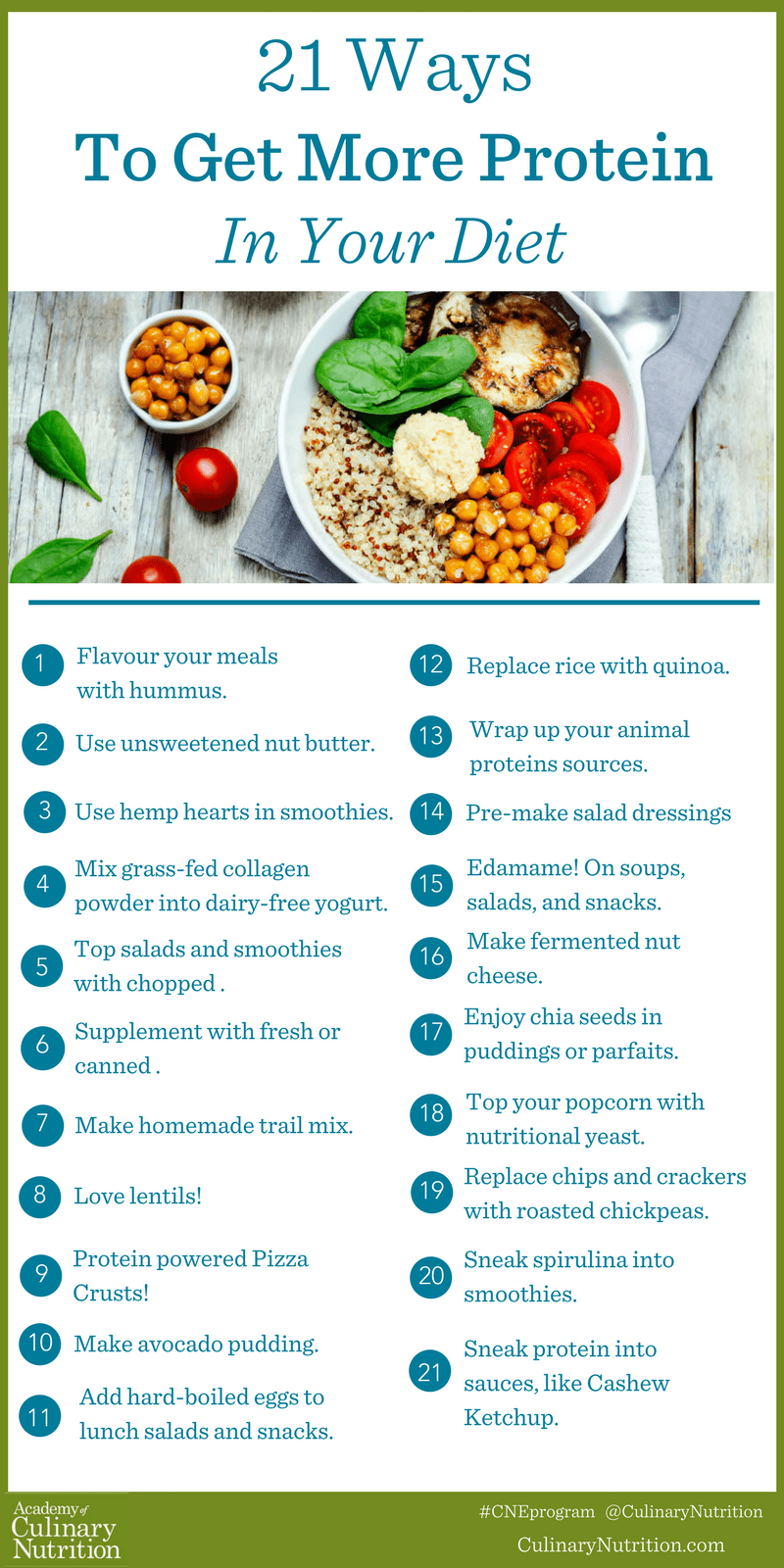
Try protein-rich grains and legumes
Incorporate quinoa into your meals
Quinoa is a complete protein source, meaning it contains all nine essential amino acids your body needs. This makes it an excellent choice for vegetarians and vegans looking to increase their protein intake. Quinoa is also rich in fiber, iron, and magnesium. Use it as a base for salads, stir-fries, or as a side dish to accompany your protein of choice.
Include lentils in your diet
Lentils are not only an affordable pantry staple but also a great source of plant-based protein. They are high in dietary fiber, iron, and folate. Lentils can be used in a variety of dishes like soups, stews, curries, or salads. They are particularly versatile and can be easily incorporated into your meals to boost their protein content.
Try chickpeas or hummus
Chickpeas, also known as garbanzo beans, are a legume rich in protein, fiber, and important nutrients like folate and iron. Whether used to make delicious spreads like hummus or added to soups, stews, or salads, chickpeas are a fantastic source of plant-based protein. Enjoying hummus with raw veggies or whole-wheat pita bread is a nutritious and protein-rich snack option.
Experiment with different types of beans
Beans, such as black beans, kidney beans, and pinto beans, are all great sources of protein and fiber. They can be incorporated into various dishes like chili, tacos, or mixed bean salads. Adding beans to your meals not only boosts the protein content but also adds texture, flavor, and dietary fiber, which promotes gut health and helps to regulate blood sugar levels.
Add protein to your salads
Include grilled chicken or fish
Salads are often seen as a light and refreshing option, but they can also be a fantastic source of protein. Grilled chicken or fish like salmon or tuna can be added to your salad to provide a substantial amount of protein. These additions will not only make your salad more satisfying but also provide essential amino acids that support muscle growth and repair.
Add hard-boiled eggs
Hard-boiled eggs are a versatile protein option that adds richness and creaminess to salads. They can be chopped and sprinkled over the top of your greens, or sliced in half for a beautiful presentation. Hard-boiled eggs are a great way to add protein to your salad if you prefer not to include meat or fish.
Sprinkle nuts or seeds
Nuts and seeds are not only a great source of protein but also add a nice crunch to salads. Almonds, walnuts, pumpkin seeds, or sunflower seeds are all excellent options. Simply sprinkle a handful of your favorite nuts or seeds over your salad to boost its protein content and add extra flavor and texture.
Incorporate tofu or tempeh
For those looking for a plant-based protein option, tofu or tempeh can be delicious additions to salads. They can be marinated and grilled or sautéed before being added to your salad. Not only do they provide a substantial amount of protein, but they also add a unique texture and absorb the flavors of the dressing and other ingredients.
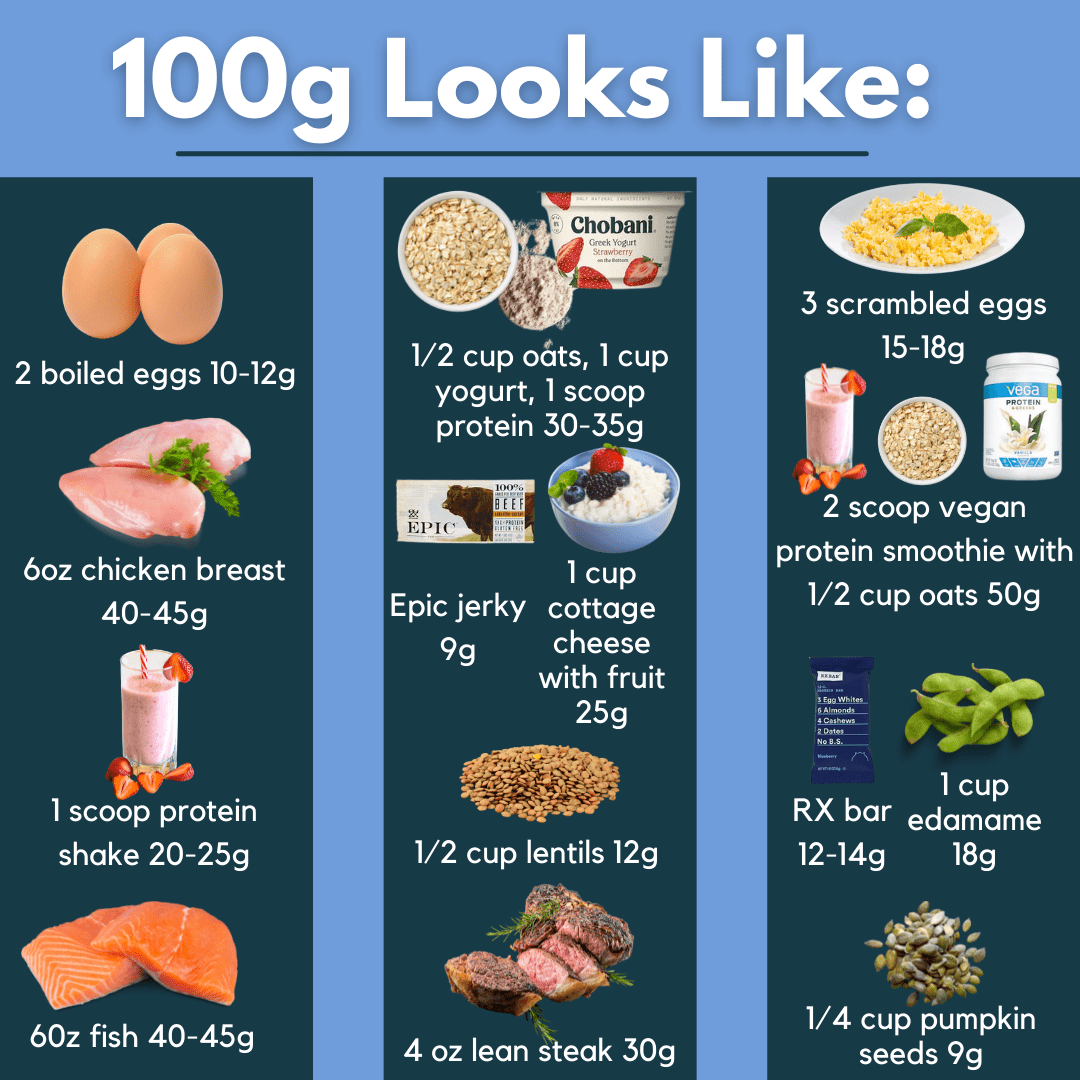
Cook with protein-packed ingredients
Use lean cuts of meat
When cooking with meat, opt for lean cuts that are low in fat but high in protein. Chicken breast, turkey breast, and lean cuts of beef like sirloin or tenderloin are great options. Trim off any visible fat before cooking to reduce the overall fat content. Incorporating these lean meats into your recipes will provide a significant protein boost without adding excessive calories or unhealthy fats.
Include eggs in your recipes
Eggs are a versatile ingredient that can be used in numerous recipes to bring a protein boost to your meals. From omelets and frittatas to scrambled eggs and egg salads, there are endless possibilities. Eggs are not only high in protein but also provide essential nutrients like vitamin B12 and choline.
Cook with beans or lentils
Beans and lentils are perfect for adding protein and texture to a variety of dishes. They can be used as a base for soups, stews, or chili, or added to salads, tacos, or pasta dishes. Experiment with different recipes and cuisines to find new and exciting ways to incorporate beans and lentils into your meals.
Add tofu or seitan
Tofu and seitan are popular plant-based protein options that can be used in place of meat in many recipes. Tofu works well in stir-fries, curries, or tofu scrambles, while seitan can be a great addition to sandwiches, wraps, or stir-fries. These ingredients absorb the flavors of your seasonings and sauces, making them a versatile and delicious choice for protein-packed meals.
Replace carbohydrates with protein alternatives
Swap pasta for quinoa or chickpea pasta
If you’re looking to reduce your carbohydrate intake, consider swapping traditional pasta for alternatives like quinoa or chickpea pasta. Both options provide more protein and fiber than regular pasta while still offering a similar texture and delicious taste. These protein alternatives can be used in any pasta recipe and are especially beneficial for those following a gluten-free diet.
Try cauliflower or zucchini noodles
Vegetable noodles are a fantastic way to cut down on carbohydrates while increasing your protein and vegetable intake. Using a spiralizer or a vegetable peeler, you can create noodles from cauliflower, zucchini, or other vegetables of your choice. These noodles can be enjoyed in place of traditional pasta, whether stir-fried, sautéed, or served with your favorite sauce.
Replace white rice with cauliflower rice
Cauliflower rice is a popular low-carbohydrate alternative to white rice. Made by finely chopping or grating cauliflower, it can be easily cooked and used as a base for stir-fries, fried rice, or as a side dish. Cauliflower rice provides a good amount of fiber and is significantly lower in carbohydrates than white rice while still offering a similar texture and versatility.
Make protein pancakes instead of regular pancakes
If you enjoy a pancake breakfast, consider making a protein-packed version instead of traditional pancakes. Protein pancake mixes are widely available and often made with a combination of protein powder, whole grains, and other nutritious ingredients. You can also make your own by adding protein powder to your favorite pancake recipe. Topped with fruit, yogurt, or nut butter, protein pancakes make for a delicious and filling breakfast option.
Plan your meals ahead
Create a weekly meal plan
Planning your meals ahead of time is a great way to ensure you’re incorporating enough protein into your diet. Take some time each week to create a meal plan that includes protein-rich foods for each meal. This will not only help you stay organized but also ensure you have all the necessary ingredients on hand and avoid impulsive food choices.
Prep your meals in advance
Meal prepping can be a lifesaver when it comes to incorporating more protein into your diet. Spend some time on the weekends or during the week to prepare meals and snacks in advance. Cook a batch of chicken breast, boil some eggs, chop vegetables, or portion out individual servings of Greek yogurt. Having these protein-rich options readily available will make it easier to stick to your healthy eating goals throughout the week.
Pack protein-rich snacks for on-the-go
If you’re constantly on the go, it’s important to have protein-rich snacks readily available. Pack some Greek yogurt cups, hard-boiled eggs, or individual servings of nuts and seeds to keep you fueled and satisfied between meals. By planning and prepping these snacks in advance, you’ll be less likely to grab unhealthy, protein-lacking options when hunger strikes.
Batch cook and freeze protein-packed dishes
Batch cooking protein-packed dishes is an excellent way to save time and ensure you always have a protein-rich meal option available. Prepare large quantities of meals like chili, soups, or casseroles that are packed with lean meats, beans, and other high-protein ingredients. Portion them out and store in the freezer for easy meals throughout the week. Simply defrost and heat when you’re ready to enjoy a nutritious and protein-filled meal.
Consult a nutritionist or dietitian
Seek professional advice
If you’re unsure about how to incorporate more protein into your diet or have specific dietary concerns, it’s always a good idea to consult a nutritionist or dietitian. These professionals can provide personalized advice based on your individual needs and goals. They will take into account any medical conditions, allergies, or restrictions you may have, ensuring that you’re making the best choices for your health.
Get personalized protein recommendations
A nutritionist or dietitian can assess your current protein intake and provide personalized recommendations to help you meet your protein goals. They’ll consider factors like your age, gender, activity level, and specific dietary requirements. This personalized approach ensures you’re getting the right amount of protein to support your overall health and wellness.
Address any specific dietary needs or restrictions
If you have specific dietary needs or restrictions, such as following a vegetarian or gluten-free diet, a nutritionist or dietitian can help you navigate these challenges. They can provide alternative protein sources and guide you in making choices that meet your dietary preferences while ensuring you’re still getting all the necessary nutrients. By working with a professional, you can find creative and enjoyable ways to incorporate more protein into your diet that align with your specific needs.
Receive guidance on meal planning
Nutritionists and dietitians are experts in meal planning and can provide valuable guidance on how to incorporate more protein into your meals. They can help you create a balanced and varied meal plan that addresses your protein needs. Whether you need help coming up with new recipes, modifying existing ones, or finding protein-rich alternatives, a nutritionist or dietitian can be an invaluable resource.
Incorporating more protein into your diet is essential for overall health and wellness. With a wide variety of protein-rich foods, snacks, and cooking techniques available, there are endless possibilities to ensure you’re meeting your protein needs. By following these tips and seeking professional guidance if needed, you’ll be well on your way to enjoying a protein-packed diet that supports your body’s needs. So start incorporating more protein into your meals today and reap the benefits of a stronger, healthier you!