
Are you tired of scrambling to put together meals during your hectic workweek? If so, you’re not alone. Many people struggle to find the time and energy to cook healthy meals when they’re busy with work. That’s why meal prepping has become a popular solution. By spending a little time on the weekend preparing your meals for the week ahead, you can save time, money, and stress. In this article, we’ll explore the best ways to meal prep for a busy workweek, providing you with actionable tips and inspiring ideas to help you stay on track with your health goals.
Plan Your Meals
Create a Weekly Meal Plan
Planning your meals ahead of time is a crucial step in successful meal prepping. By creating a weekly meal plan, you can save time and energy during the busy workweek. Start by deciding which meals you want to prepare for the upcoming week. Consider your preferences, dietary restrictions, and any special occasions that might require a different menu. Having a meal plan will not only help you stay organized but also ensure that you have a balanced and nutritious diet.
Consider Your Schedule
When planning your meals, it’s important to take your schedule into consideration. Think about how much time you have available to cook and what days might be busier than others. Choose recipes that align with your schedule and prioritize meals that can be prepared in advance or require minimal cooking time during the week. By planning your meals according to your schedule, you can avoid the stress of last-minute cooking and enjoy more time for yourself.
Select Balanced and Nutritious Recipes
When it comes to meal prepping, selecting balanced and nutritious recipes is key. Look for recipes that incorporate a variety of food groups, including lean proteins, whole grains, fruits, and vegetables. Balance your meals to provide a good mix of macronutrients and aim to include a variety of colors on your plate. Additionally, be mindful of portion sizes and avoid recipes that are overly high in added sugars, unhealthy fats, or sodium. Choosing healthy and nutrient-dense recipes will help support your overall well-being and energy levels throughout the workweek.
Make a Shopping List
Review Your Recipes
Once you have your meal plan ready, it’s time to create a shopping list. Take a thorough look at all the recipes you will be preparing during the week and make a list of the ingredients needed for each dish. Consider the quantities required for each recipe and ensure that your shopping list reflects these measurements accurately. By reviewing your recipes, you can avoid making unnecessary trips to the grocery store and ensure you have everything on hand for successful meal prepping.
Check Your Pantry
Before heading out to do your grocery shopping, it’s a good idea to check your pantry and refrigerator. Take inventory of the ingredients you already have and cross them off your shopping list. This will not only save you money but also prevent you from buying duplicate items. Make sure to also check the expiration dates of perishable items and discard any that are no longer usable. Having a well-organized pantry is essential for efficient meal prepping and helps minimize food waste.
Organize Your List
To make your grocery shopping experience smoother, organize your shopping list in a logical order. Group similar items together, such as produce, meats, dairy, and pantry staples. This will help you navigate through the store more efficiently and avoid backtracking. You can also consider categorizing your list by aisles or sections in the grocery store to further streamline the process. An organized shopping list will not only save you time but also help ensure that you don’t forget any important ingredients.
Grocery Shopping Tips
Shop with a Full Stomach
One of the best tips for grocery shopping is to do it with a full stomach. Shopping on an empty stomach can lead to impulsive purchases and unhealthy food choices. When you’re hungry, everything looks tempting, and you may end up buying items that aren’t part of your meal plan. To stay on track and make healthier choices, try to eat a balanced meal or snack before heading to the grocery store. This will help you stick to your list and avoid unnecessary splurges.
Stick to Your List
While it can be tempting to wander through the aisles and grab items that catch your eye, it’s important to stick to your shopping list. Remember that you have already taken the time to plan your meals and create a list of necessary ingredients. By deviating from your list, you run the risk of buying items that you don’t need and potentially wasting money. Practice self-discipline and resist the urge to make impulsive purchases. Your wallet and meal prep efforts will thank you.
Buy in Bulk
When it comes to certain pantry staples, buying in bulk can be a cost-effective option. Items like rice, pasta, nuts, seeds, and spices often have a longer shelf life and can be cheaper when bought in larger quantities. Consider purchasing these items in bulk to save money in the long run. However, be mindful of your storage space and only buy what you can realistically consume before the expiration date. Buying in bulk is a great way to save money and ensure you always have essential ingredients on hand.
Prep Ingredients in Advance
Chop Vegetables
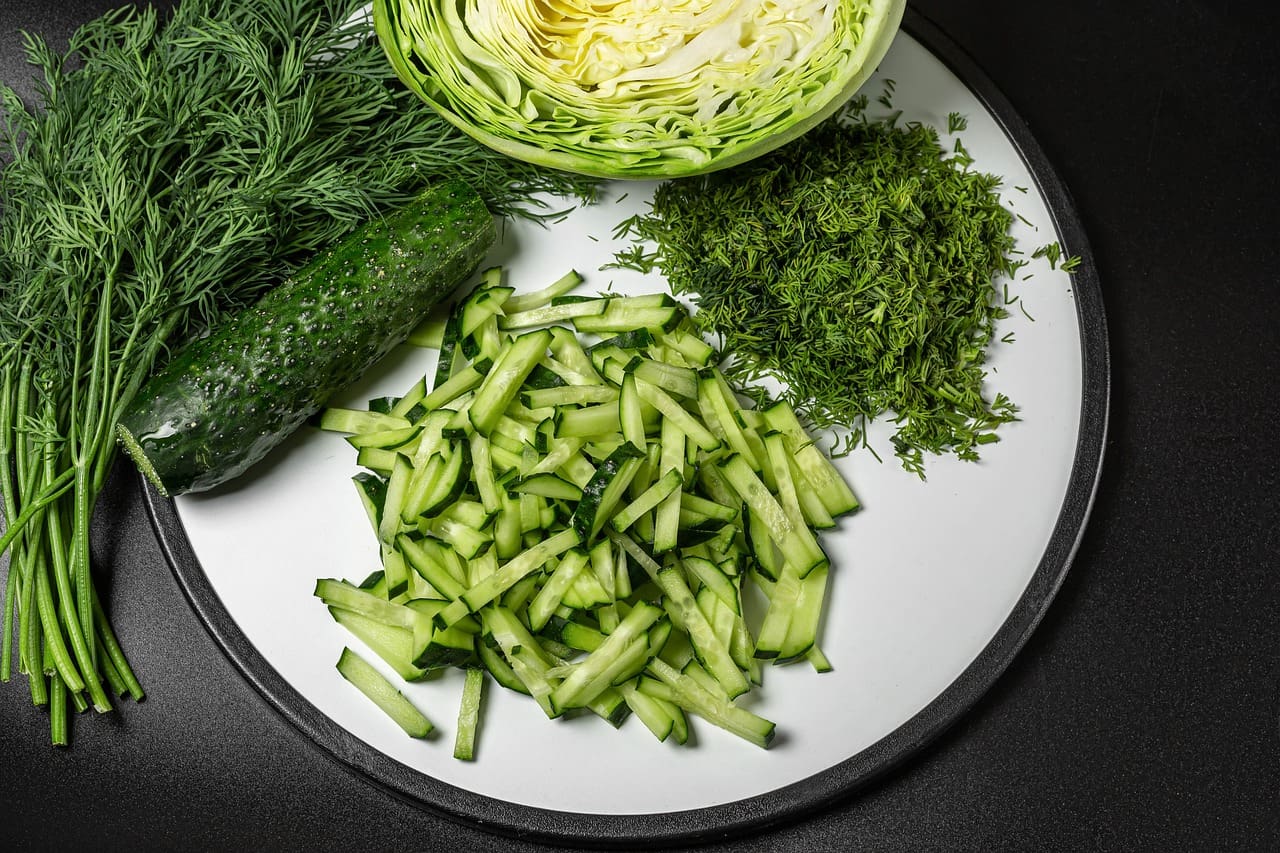
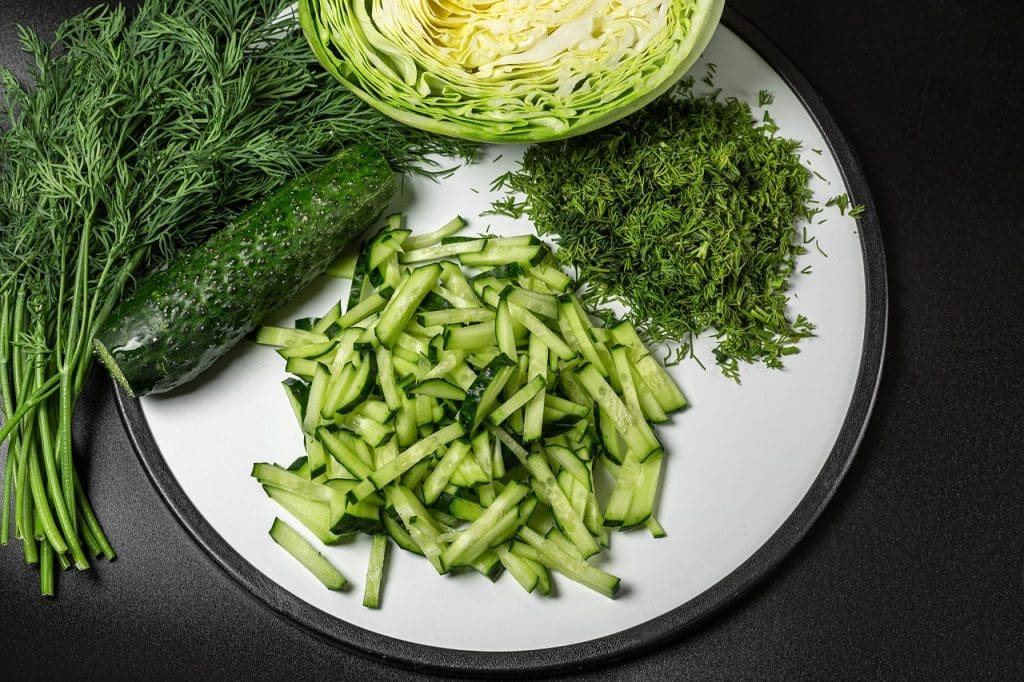
One of the biggest time-savers in meal prep is prepping vegetables in advance. Take some time to chop, slice, and dice vegetables that you will be using throughout the week. Store them in airtight containers or resealable bags in the refrigerator for easy access during cooking. This not only saves time but also makes it more convenient to incorporate vegetables into your meals. Whether you’re making salads, stir-fries, or roasted vegetables, having prepped veggies on hand will make the cooking process much smoother.
Marinate Meats
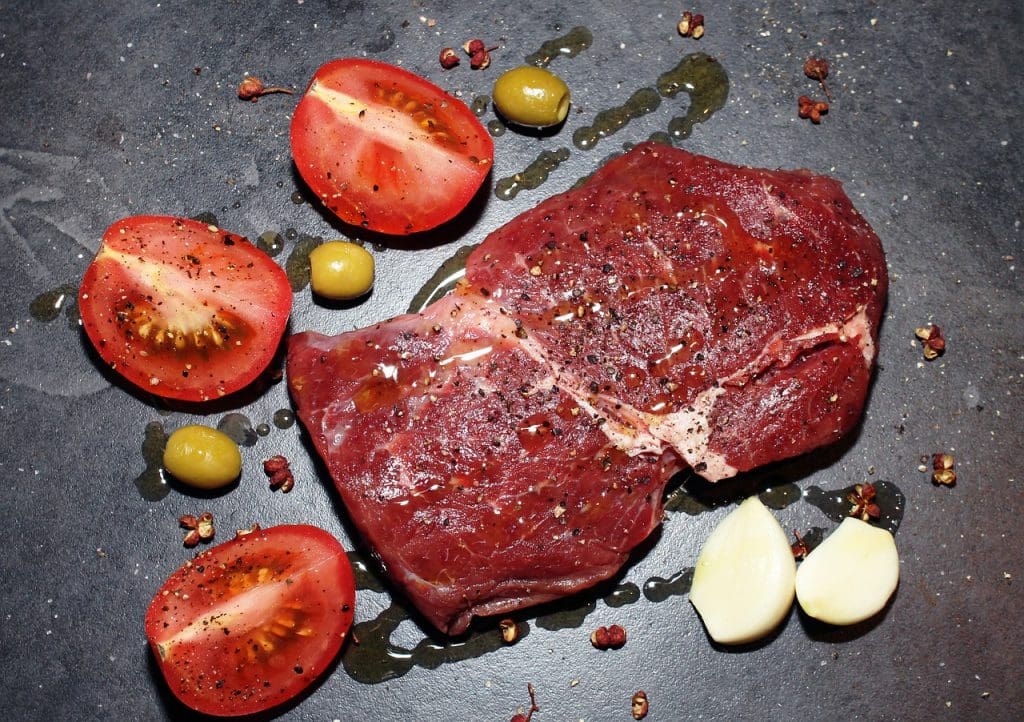
If you’re planning on including meats in your meal prep, marinating them in advance can enhance their flavor and tenderness. Take a few minutes to prepare marinades for your meats and let them marinate overnight or for a few hours before cooking. This allows the flavors to penetrate the meat, resulting in a more delicious and flavorful end product. When it’s time to cook, you can simply grill, bake, or sauté the marinated meats, saving you precious time during the week.
Precook Grains and Pasta
Grains and pasta are staple ingredients in many meals, and precooking them can significantly reduce the cooking time during the workweek. Take some time to cook a batch of your favorite grains, such as rice, quinoa, or couscous, and store them in individual portions in the refrigerator or freezer. Similarly, precook a batch of pasta and store it in airtight containers. When it’s time to assemble your meals, you can simply heat up the precooked grains or pasta and combine them with other ingredients for a quick and easy meal.
Batch Cooking
Prepare Multiple Servings
Batch cooking is a meal prepping technique where you cook larger quantities of food at once to have multiple servings for several meals. Instead of preparing individual meals each day, dedicate a specific time to cook in larger batches. For example, you can spend a Sunday afternoon cooking and portioning out meals for the entire workweek. By preparing multiple servings, you’ll have ready-to-eat meals that can be quickly heated up throughout the week, saving you time and energy.
Use Freezer-Friendly Containers
When batch cooking, it’s important to use freezer-friendly containers to store your meals. Choose airtight containers or resealable bags that are suitable for freezing and ensure they are properly sealed to prevent freezer burn. Divide your meals into individual or family-sized portions and label them with the date and contents. This will help you keep track of what’s in your freezer and ensure that you consume meals before they exceed their recommended storage time. Freezer-friendly containers are essential for keeping your meals fresh and safe to eat.
Label and Date Your Meals
To stay organized and keep track of your meals, it’s crucial to label and date each container. Use permanent markers or labels to clearly mark the date and contents of each meal. This will help you easily identify what’s in your fridge or freezer and prevent any confusion when it comes time to heat up your meals. It’s also important to follow the first-in, first-out (FIFO) method and consume the oldest meals first to prevent food waste. By labeling and dating your meals, you can ensure that your meal prepping efforts are efficient and eliminate any guesswork.
Portion Control
Use Measuring Tools
Portion control is an important aspect of meal prepping, especially if you’re watching your calorie intake or trying to maintain a balanced diet. To ensure consistent portion sizes, make use of measuring tools such as measuring cups, spoons, and food scales. Measure ingredients accurately before cooking and portion out your meals accordingly. This will help you maintain control over your calorie intake and promote healthy eating habits. Remember, portion control plays a significant role in achieving your health and fitness goals.
Divide Meals into Containers
Dividing your meals into individual containers not only helps with portion control but also makes it easier to grab a ready-to-eat meal on busy workdays. Prepare your meals in advance and portion them out into separate containers based on your planned servings. This will allow you to quickly grab a meal and take it with you to work or school. Having your meals pre-portioned will save time and effort during the workweek and eliminate the need for measuring or guessing portion sizes each day.
Consider Caloric Needs
When portioning out your meals, it’s important to consider your caloric needs and goals. This will vary depending on factors such as age, gender, activity level, and weight management goals. If you’re aiming to lose weight, consult with a healthcare professional or registered dietitian to determine your daily caloric needs and portion sizes. On the other hand, if you’re looking to maintain weight or build muscle, you may need larger portion sizes or additional snacks. Being mindful of your caloric needs will help you create balanced and suitable meals for your individual goals.
Utilize Time-Saving Appliances
Slow Cooker
A slow cooker, also known as a Crock-Pot, is a fantastic tool for meal prepping. It allows you to cook meals slowly over a long period of time, often requiring minimal effort and supervision. Utilize your slow cooker by preparing ingredients in the morning, letting them cook throughout the day, and returning to a fully cooked meal in the evening. Slow cookers are particularly useful for dishes such as stews, soups, and chili. They not only save you time but also result in flavorful and tender dishes that are perfect for reheating throughout the workweek.
Instant Pot
The Instant Pot is another indispensable appliance for meal prepping. It combines the functions of a pressure cooker, slow cooker, rice cooker, sauté pan, steamer, and warmer in one versatile device. The Instant Pot allows you to cook meals quickly and efficiently, making it ideal for busy workweeks. From soups and stews to rice dishes and even desserts, the Instant Pot can handle a wide range of recipes. With its time-saving capabilities, the Instant Pot can help streamline your meal prep process and make cooking a breeze.
Rice Cooker
A rice cooker is a simple yet efficient tool that can make a big difference in your meal prep routine. While primarily used for cooking rice, many modern rice cookers also have additional functions like steaming and simmering. Take advantage of these versatile features by cooking grains, vegetables, and even proteins in your rice cooker. Simply add the ingredients, set the timer, and let the rice cooker do the work for you. Using a rice cooker can significantly cut down on cooking time and make meal prepping a more convenient experience.
Organize Your Fridge and Freezer
Designate Sections
To keep your meal prepped items organized, designate sections in your fridge and freezer. Reserve specific areas for your ready-to-eat meals, fruits, vegetables, condiments, and snacks. This way, you can easily locate the items you need and prevent any cross-contamination between different types of food. Use bins or baskets to further divide the sections and keep your fridge and freezer neat and tidy. By designating sections, you’ll create an efficient and organized space that helps maximize the longevity of your meal prepped items.
Use Clear Containers
When storing your meal prepped items in the fridge and freezer, opt for clear containers. Clear containers allow you to easily see the contents without having to open each individual container. This saves time and helps prevent unnecessary food waste caused by forgetting what you have stored. Additionally, clear containers make it easier to maintain an organized and visually appealing fridge and freezer. By utilizing clear containers, you’ll have a clear view of your meal prepped items and ensure that nothing gets overlooked.
Rotate and Use FIFO Method
To maintain freshness and minimize food waste, practice the first-in, first-out (FIFO) method when storing your meal prepped items. When adding new meals to your fridge or freezer, place them at the back and bring older meals to the front. This ensures that you consume the oldest meals first, reducing the risk of spoilage. By rotating your meal prepped items and using the FIFO method, you’ll stay on top of what needs to be eaten and prevent any unnecessary waste. It’s a simple yet effective way to ensure that your carefully prepared meals are enjoyed at their best.
Pack Portable Snacks
Pre-cut Fruits and Vegetables
When hunger strikes during the workday, having pre-cut fruits and vegetables on hand can help you avoid reaching for unhealthy snacks. Take some time to wash, peel, and cut fruits like apples, oranges, and berries. Similarly, prep vegetables such as carrots, celery, and cucumber into conveniently sized sticks. Store them in individual containers or resealable snack bags for easy grab-and-go options. Having portable snacks readily available will help you stay nourished and energized throughout the day.
Energy Bars or Granola
Energy bars or granola bars are excellent portable snacks that can provide a quick boost of energy when you’re on the go. Look for bars with minimal added sugars and ingredients that align with your dietary preferences. Alternatively, you can make your own granola bars using a variety of nuts, seeds, dried fruits, and natural sweeteners. Keep a stock of these bars in your pantry or desk drawer for a convenient and nutritious snack option during busy workdays.
Single-Serving Yogurts
Yogurt is a versatile and nutritious snack option that can be enjoyed on its own or incorporated into various recipes. Opt for single-serving yogurts that are convenient to grab and consume at any time. Look for yogurts that are low in added sugars and high in protein. Greek yogurt, in particular, is a great choice as it is packed with protein and can keep you feeling satisfied between meals. Remember to refrigerate your yogurts and consume them within their expiration date for optimal freshness.
Effective Reheating
Microwave Safe Containers
When it’s time to reheat your meal prepped items, it’s essential to use microwave-safe containers. Ensure that the containers you’re using are labeled as microwave-safe and free of any metal accents or plastic lids that aren’t suitable for microwave use. By using the right containers, you can safely and efficiently reheat your meals without worrying about damaging your food or the microwave. Always follow the manufacturer’s instructions and recommendations for safe microwave use.
Adjust Reheating Time
To prevent overcooking or drying out your meal prepped items during reheating, it’s important to adjust the reheating time accordingly. Microwave ovens vary in wattage, so the cooking time needed to reheat your meals may differ. Start with a shorter reheating time, such as 1-2 minutes, and check the temperature and texture of the food. If it needs more time, continue reheating in shorter intervals until it reaches the desired warmth. By adjusting the reheating time, you can ensure that your meals are heated evenly and remain delicious.
Do Not Overcook
Overcooking your meal prepped items during reheating can result in dry, rubbery, or unappetizing dishes. To avoid this, be mindful of the reheating time and periodically check the temperature and texture of the food. Remove the food from the microwave once it reaches the desired warmth, and let it rest for a minute or two before consuming. Overcooking can diminish the quality of your meals, so it’s important to pay attention and avoid overheating. Enjoy your meticulously prepared meals at their best by reheating them carefully and only until they are just heated through.
By following these meal prep strategies, you can set yourself up for a successful and stress-free workweek. Planning your meals, making a shopping list, prepping ingredients in advance, utilizing time-saving appliances, and organizing your fridge and freezer will all contribute to a smooth meal prep process. With careful portion control, smart shopping choices, and efficient reheating techniques, you can enjoy delicious and nutritious meals throughout the week without spending excessive time in the kitchen. So, start meal prepping today and experience the convenience and benefits it brings to your busy workweek.