
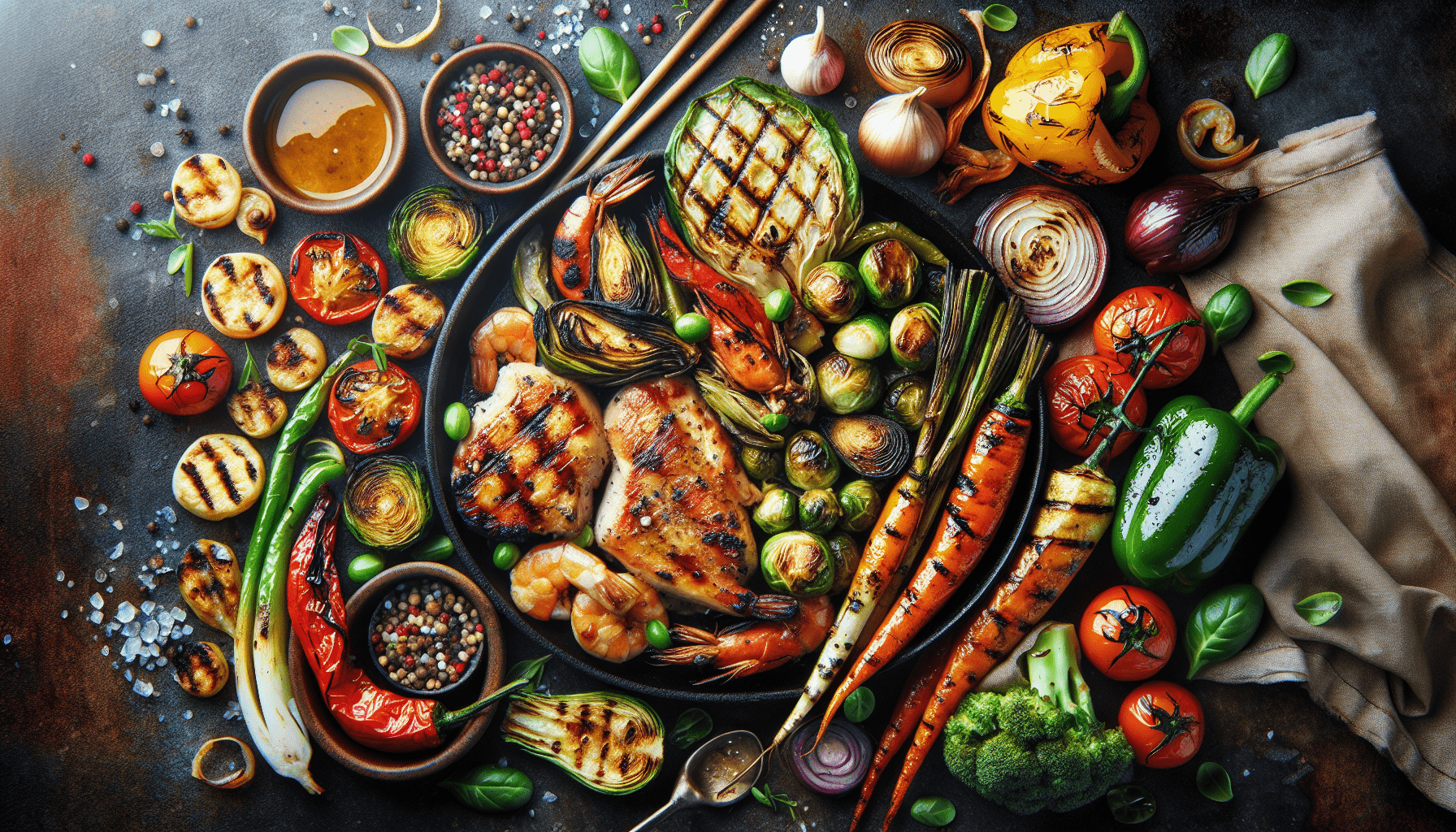
Are you searching for new ways to make your meals healthier without compromising on taste? Look no further! In this article, we will explore some of the most popular healthy cooking techniques that are both delicious and nourishing. From steaming and grilling to stir-frying and roasting, these methods will make your dishes not only a treat for your taste buds but also a boost for your well-being. Get ready to inspire your inner chef and embark on a journey of culinary delight and wellness.
Roasting
Definition and process of roasting
Roasting is a cooking technique that involves cooking food in an oven or over an open flame, exposing it to dry heat. This method requires high temperatures and is typically used for larger cuts of meat, poultry, and vegetables. The process involves placing the food on a roasting rack or directly on the oven rack and allowing the heat to cook it evenly on all sides.
Benefits of roasting
Roasting provides numerous benefits when it comes to cooking. Firstly, it enhances the natural flavors of food, as the dry heat caramelizes the surface, creating a delicious crust that locks in the juices and intensifies the taste. Secondly, roasting is a healthy cooking technique as it requires little to no added fat. The high heat allows excess fat to melt away, resulting in a healthier end product. Lastly, roasting is a versatile method as it can be used for a wide variety of ingredients, including meats, poultry, fish, and vegetables.
Popular foods to roast
Some popular foods to roast include whole chickens, beef roasts, pork tenderloin, root vegetables such as potatoes and carrots, and even fruits like apples and pears. These ingredients benefit from the dry heat of roasting, resulting in tender and flavorful dishes.
Tips for healthy roasting
When roasting, it’s important to follow a few tips to ensure healthy and delicious results. Firstly, use a roasting rack or elevate the food using a bed of vegetables or herbs. This allows air to circulate around the food, promoting even cooking and preventing it from sitting in its juices. Secondly, avoid overcooking by using an instant-read thermometer to check the internal temperature of meat or poultry. This ensures they are cooked to perfection without drying out. Lastly, consider marinating or seasoning your ingredients before roasting to enhance their flavors and add variety to your meals.
Grilling
Definition and process of grilling
Grilling is a cooking technique that involves cooking food directly over high, dry heat. It can be done on a charcoal grill, gas grill, or even an indoor grill pan. The process typically involves placing the food on a preheated grilling surface and cooking it for a specific amount of time, often with the lid closed for added heat retention.
Benefits of grilling
Grilling offers several benefits that make it a popular cooking technique. Firstly, it imparts a unique smoky flavor to the food, enhancing its taste and aroma. Secondly, grilling requires little to no added fats, making it a healthier option compared to other cooking methods. Thirdly, grilling allows excess fats in the food to drip away, reducing overall calorie intake. Lastly, grilling is a great way to cook meats, poultry, fish, and even vegetables, providing a versatile cooking option for various ingredients.
Popular foods to grill
Grilling is often associated with hamburgers, hot dogs, and steaks, but there are many other foods that can be grilled to perfection. Some popular choices include chicken breasts, salmon fillets, corn on the cob, shrimp skewers, and even grilled vegetables like zucchini and peppers. The possibilities are endless when it comes to grilling.
Tips for healthy grilling
To ensure healthy grilling, there are a few tips to keep in mind. Firstly, choose lean meats and trim off any visible fat before grilling. This reduces the overall fat content of the dish. Secondly, marinate your meats or vegetables before grilling to infuse them with flavor and keep them moist. Additionally, avoid charring or overcooking food as it can create potentially harmful compounds. Use a meat thermometer to check the internal temperature of meats and make sure they are cooked thoroughly. Lastly, include a variety of vegetables in your grilling repertoire to make your meals more nutritious and colorful.
Steaming
Definition and process of steaming
Steaming is a cooking technique that involves cooking food by exposing it to steam, either by placing it in a steam basket or a steamer. The process involves boiling water in a pot or steamer, allowing the steam to cook the food gently and evenly.
Benefits of steaming
Steaming is a healthy cooking method that offers several advantages. Firstly, it preserves the nutritional value of food, as the gentle heat and short cooking time help retain vitamins and minerals. Secondly, steaming requires little to no added fats, making it a low-calorie cooking option. Thirdly, steaming helps to maintain the natural flavors and textures of the food, ensuring a delicious end result. Lastly, steaming is a versatile technique that can be used for various ingredients, including vegetables, seafood, and even desserts.
Popular foods to steam
Steaming is perfect for a wide range of foods. Popular choices for steaming include broccoli, cauliflower, carrots, fish fillets, dumplings, and even fruits like pears and peaches. Steaming brings out the natural tastes and textures of these ingredients, resulting in light and healthy dishes.
Tips for healthy steaming
To achieve healthy and flavorful results when steaming, consider a few tips. Firstly, make sure to cut your ingredients into uniform sizes to ensure even cooking. This is particularly important when steaming vegetables. Secondly, avoid overcooking by keeping an eye on the cooking time and regularly checking the doneness of the food. Over-steaming can lead to mushy textures and loss of nutrients. Lastly, enhance the flavors of your steamed dishes by adding herbs, spices, or a splash of citrus juice to the water or directly to the food.
Broiling
Definition and process of broiling
Broiling is a cooking method that involves exposing food to high heat from direct flame or very close proximity to a heat source. It is often done in an oven, and the food is usually placed on a broiling pan or rack, allowing the heat to cook the food quickly and evenly.
Benefits of broiling
Broiling offers several advantages when it comes to cooking. Firstly, it allows for fast and efficient cooking, making it a time-saving technique. Secondly, broiling adds a delicious browned and crispy texture to the food, enhancing its taste and appearance. Additionally, broiling requires little to no added fats, making it a healthy option for those watching their calorie intake. Lastly, broiling is a versatile method that can be used for a variety of ingredients, including meats, fish, and even vegetables.
Popular foods to broil
Broiling is particularly popular for cooking steaks, burgers, chicken breasts, fish fillets, and even vegetables like bell peppers and asparagus. These ingredients benefit from the high heat of broiling, resulting in flavorful and nicely charred dishes.
Tips for healthy broiling
To ensure healthy broiling, follow a few tips. Firstly, use lean cuts of meat or remove visible fat before broiling to reduce the overall fat content. Secondly, marinate your ingredients before broiling to enhance their flavors and keep them moist. Additionally, keep a close eye on the food while broiling to prevent burning. Adjust the oven rack and the broiling time as needed to achieve the desired level of doneness. Lastly, consider lining the broiling pan with aluminum foil for easy cleanup and to minimize the need for added fats.
Stir-frying
Definition and process of stir-frying
Stir-frying is a cooking technique that involves quickly cooking small pieces of food in a hot pan or wok with a small amount of oil. The food is constantly stirred or tossed to ensure even cooking and prevent sticking or burning.
Benefits of stir-frying
Stir-frying offers several benefits when it comes to cooking. Firstly, it allows for quick and efficient cooking, making it a popular choice for busy individuals. Secondly, stir-frying retains the natural colors, textures, and flavors of the food, resulting in vibrant and delicious dishes. Additionally, it requires only a small amount of oil, making it a healthier cooking option. Lastly, stir-frying is a versatile method that works well with a variety of ingredients, including meats, vegetables, tofu, and even noodles.
Popular foods to stir-fry
Some popular foods to stir-fry include chicken, beef, shrimp, broccoli, bell peppers, carrots, and snow peas. These ingredients can be combined with various seasonings and sauces to create flavorful stir-fry dishes.
Tips for healthy stir-frying
To achieve healthy and tasty stir-fries, keep a few tips in mind. Firstly, use a non-stick pan or wok to minimize the amount of oil needed for cooking. Secondly, choose lean proteins and trim off any visible fat before cutting them into small, bite-sized pieces. Additionally, load up on colorful and nutrient-rich vegetables to make your stir-fry more nutritious and visually appealing. Lastly, opt for homemade stir-fry sauces using reduced-sodium soy sauce, fresh ginger, garlic, and a touch of honey instead of store-bought sauces that are often high in sodium and added sugars.
Baking
Definition and process of baking
Baking is a cooking technique that involves cooking food in an enclosed oven or a covered dish in dry, indirect heat. It is commonly used for cakes, bread, pastries, and casseroles. The process typically requires preheating the oven to a specific temperature and cooking the food for a specified amount of time.
Benefits of baking
Baking offers numerous benefits when it comes to cooking. Firstly, it creates a golden brown crust on the outside while retaining moistness on the inside, resulting in a satisfying texture. Secondly, baking allows for even cooking, ensuring that the entire dish is cooked thoroughly. Additionally, baking enhances the flavors of ingredients as the heat caramelizes natural sugars, creating a rich and delectable taste. Lastly, baking is a versatile technique that can be employed to create sweet and savory dishes alike.
Popular foods to bake
When it comes to baking, the options are endless. Some popular foods to bake include cookies, cakes, bread, pies, casseroles, and muffins. These baked goods are loved by many for their delightful flavors and textures.
Tips for healthy baking
To ensure healthy baking, consider a few tips. Firstly, reduce the amount of added sugar in recipes by using alternatives like applesauce, mashed bananas, or dates. This helps to cut down on empty calories without compromising on taste. Secondly, opt for whole grain flours instead of refined white flours when baking bread or other goods to increase the fiber content. Additionally, incorporate fruits and vegetables into your baking, as they add moisture, natural sweetness, and nutrients to your treats. Lastly, be mindful of portion sizes and enjoy baked goods in moderation as part of a balanced diet.
Poaching
Definition and process of poaching
Poaching is a gentle cooking technique that involves submerging food in liquid and slowly cooking it at a low temperature. The liquid is usually hot but not bubbling, ensuring that the food is cooked delicately and retains its shape.
Benefits of poaching
Poaching provides several benefits when it comes to cooking. Firstly, it helps to retain the natural flavors and textures of the food, resulting in delicate and moist dishes. Secondly, poaching is a low-fat cooking method as it requires minimal added fats. Thirdly, poaching is a great way to preserve the nutritional value of the ingredients, as it requires less heat and cooking time compared to other methods. Lastly, poaching allows for flavor infusion, as the liquid can be seasoned with herbs, spices, or aromatics.
Popular foods to poach
Poaching is commonly used for delicate and tender foods such as eggs, fish fillets, chicken breasts, and fruits. It is especially popular for making poached eggs, poached salmon, poached chicken salad, and poached pears for desserts. These dishes showcase the gentle and flavorful nature of the poaching technique.
Tips for healthy poaching
To achieve healthy and delicious dishes through poaching, follow a few tips. Firstly, use a flavorful liquid for poaching, such as vegetable or chicken broth, to enhance the taste of the food. Secondly, when poaching poultry or fish, pat them dry before adding to the poaching liquid to prevent excess moisture. Additionally, poach the food at the lowest possible temperature to ensure even cooking and prevent overcooking. Lastly, experiment with different herbs, spices, and citrus zest to infuse extra flavor into your poaching liquid.
Sautéing
Definition and process of sautéing
Sautéing is a cooking method that involves quickly cooking small pieces of food over high heat in a small amount of oil or fat. The process requires continuous tossing or stirring to ensure even cooking and prevent sticking or burning.
Benefits of sautéing
Sautéing offers several benefits when it comes to cooking. Firstly, it allows for quick and efficient cooking, making it a go-to method for busy individuals. Secondly, sautéing results in ingredients that are crisp on the outside while retaining their natural flavors and textures. Additionally, it requires only a small amount of fat, making it a healthier cooking option. Lastly, sautéing is a versatile technique that works well with a variety of ingredients, including vegetables, meats, seafood, and even tofu.
Popular foods to sauté
Some popular foods to sauté include chicken stir-fry, shrimp scampi, vegetable medleys, and thinly sliced beef for tacos. The quick and intense heat of sautéing brings out the natural flavors and creates a delicious caramelized exterior.
Tips for healthy sautéing
For healthy sautéing, consider a few tips. Firstly, choose a non-stick pan or use a small amount of oil to minimize the fat content. Secondly, cut your ingredients into small, even-sized pieces to ensure they cook quickly and evenly. Additionally, incorporate a variety of colorful vegetables to boost the nutritional value of your sautéed dishes. Lastly, season your sautéed dishes with herbs, spices, or citrus juices instead of relying on excessive sodium or pre-packaged seasonings.
Boiling
Definition and process of boiling
Boiling is a cooking technique that involves cooking food in a liquid at a high temperature, where the liquid reaches its boiling point and bubbles rapidly. The process requires placing the food in a pot with enough liquid to cover it fully and cooking it until it reaches the desired doneness.
Benefits of boiling
Boiling offers several benefits when it comes to cooking. Firstly, it is a simple and accessible cooking method that requires minimal equipment and preparation. Secondly, boiling allows for even cooking and can be used for a wide range of ingredients, from pasta and grains to vegetables and meats. Additionally, boiling is a safe method for cooking as it helps kill harmful bacteria and parasites that may be present in certain foods. Lastly, boiling can help retain the natural flavors and nutrients of food, especially when the cooking liquid is used for soups or broths.
Popular foods to boil
Boiling is commonly used for cooking pasta, rice, potatoes, eggs, and vegetables. It is also utilized for making stocks and broths, which serve as a base for various soups and sauces. Boiled foods are enjoyed worldwide for their simplicity and versatility.
Tips for healthy boiling
To ensure healthy boiling, consider a few tips. Firstly, avoid using excessive amounts of water, as this can lead to nutrient loss. Use just enough water to cover the food. Secondly, minimize the cooking time to preserve the flavors and nutritional value of the ingredients. Overcooking can cause nutrient leaching and reduce the overall quality of the dish. Additionally, season the cooking liquid with herbs, spices, or a small amount of salt to enhance the taste of the food. Lastly, save the cooking liquid, especially from boiled vegetables or meats, to use as a base for flavorful soups or stocks.
Steaming
Definition and process of steaming
Steaming is a cooking technique that involves exposing food to steam, either by placing it in a steam basket or a steamer. The process involves boiling water in a pot or steamer, allowing the steam to cook the food gently and evenly.
Benefits of steaming
Steaming is a healthy cooking method that offers several advantages. Firstly, it preserves the nutritional value of food, as the gentle heat and short cooking time help retain vitamins and minerals. Secondly, steaming requires little to no added fats, making it a low-calorie cooking option. Thirdly, steaming helps to maintain the natural flavors and textures of the food, ensuring a delicious end result. Lastly, steaming is a versatile technique that can be used for various ingredients, including vegetables, seafood, and even desserts.
Popular foods to steam
Steaming is perfect for a wide range of foods. Popular choices for steaming include broccoli, cauliflower, carrots, fish fillets, dumplings, and even fruits like pears and peaches. Steaming brings out the natural tastes and textures of these ingredients, resulting in light and healthy dishes.
Tips for healthy steaming
To achieve healthy and flavorful results when steaming, consider a few tips. Firstly, make sure to cut your ingredients into uniform sizes to ensure even cooking. This is particularly important when steaming vegetables. Secondly, avoid overcooking by keeping an eye on the cooking time and regularly checking the doneness of the food. Over-steaming can lead to mushy textures and loss of nutrients. Lastly, enhance the flavors of your steamed dishes by adding herbs, spices, or a splash of citrus juice to the water or directly to the food.