
Are you looking to track your progress in achieving your fitness goals? Whether you are striving to lose weight, gain muscle, or increase your endurance, it’s essential to have effective ways to measure your progress. In this article, we will explore the best methods to track your fitness journey and celebrate the milestones along the way. From taking body measurements and tracking your weight to monitoring your performance and setting specific goals, we will provide you with practical tips to ensure you stay motivated and on track towards reaching your fitness goals.
1. Tracking Body Measurements
Using a Tape Measure
One effective way to track your progress in your fitness goals is by using a tape measure. By measuring various parts of your body, such as your waist, hips, chest, arms, and legs, you can keep track of any changes in size or shape. Record these measurements in a journal or on a tracking app, and take new measurements every few weeks to see your progress over time.
Measuring Body Fat Percentage
Tracking your body fat percentage is another great way to measure your progress. There are several methods you can use, including calipers and specialized scales. Knowing your body fat percentage can give you a more accurate picture of your body composition and help you gauge your progress even if the numbers on the scale aren’t changing.
Monitoring Waist-to-Hip Ratio
Your waist-to-hip ratio is a valuable measurement for assessing changes in body composition. This ratio compares the circumference of your waist to your hips. A lower waist-to-hip ratio is generally associated with better health and a lower risk of certain diseases. Keep track of this ratio over time to see if your fitness goals are leading to positive changes in your body shape.
2. Fitness Assessments
Strength Tests
Regular strength tests can help you measure your progress in building muscle and increasing strength. Simple exercises like push-ups, squats, and planks can be used to assess your baseline strength, and then repeated periodically to track your improvement. By gradually increasing the number of repetitions or the amount of weight you lift, you can see how your strength is improving over time.
Cardiovascular Endurance Tests
To measure your progress in cardiovascular fitness, consider performing regular endurance tests such as a timed run or a step test. These tests can help determine your overall fitness level and track improvements in your heart and lung health. By recording your time or heart rate during these tests, you can see concrete evidence of your progress in endurance and stamina.
Flexibility Tests
Flexibility is an important aspect of fitness that is often overlooked. Regular flexibility tests, such as the sit and reach test or yoga poses, can help you measure and track improvements in your flexibility. Keeping a record of your progress in these tests can motivate you to continue with your flexibility training and celebrate the improvements you make over time.
3. Progress Photos
Taking Before and After Photos
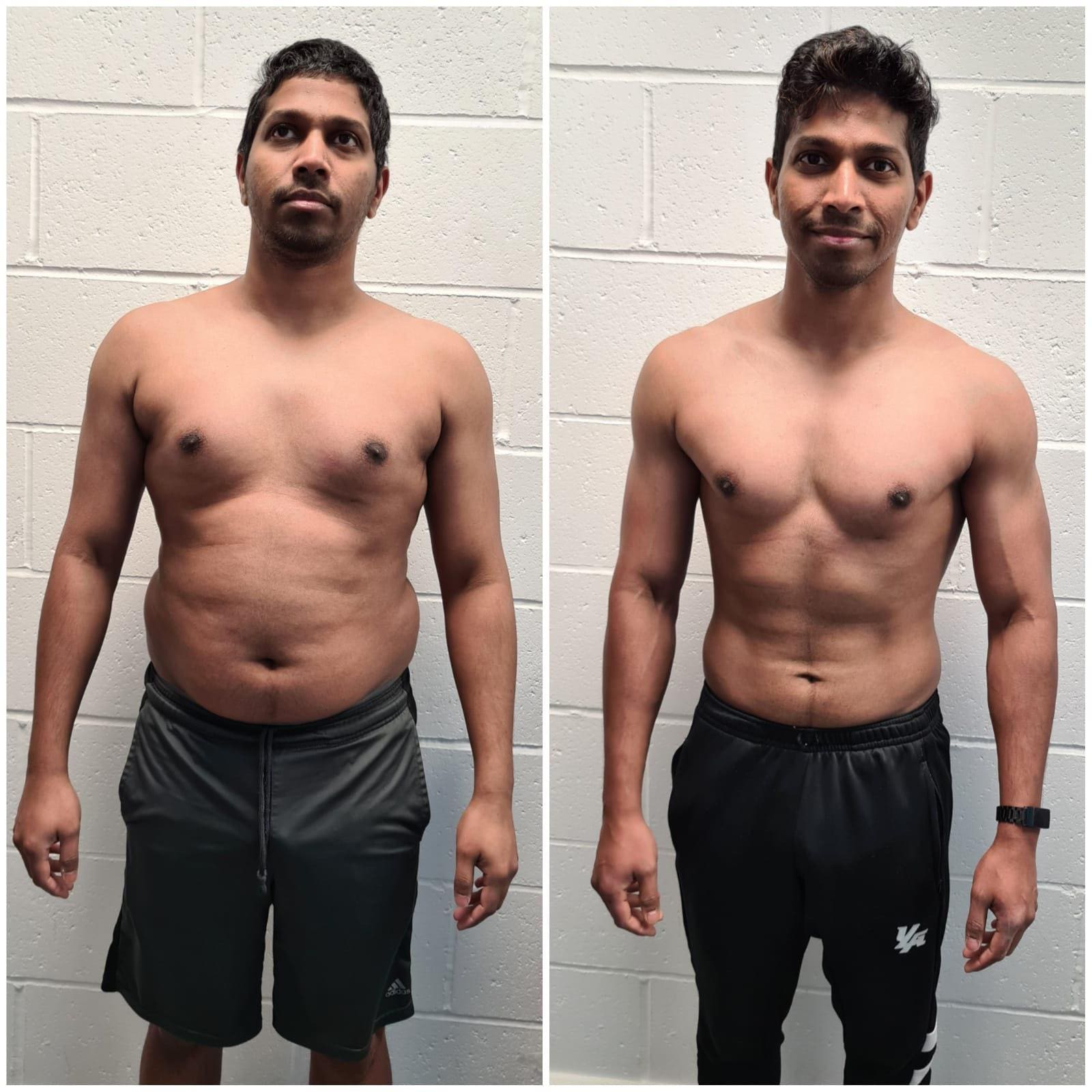
Taking before and after photos is an excellent visual way to track your progress in achieving your fitness goals. By capturing an image of your starting point and periodically taking updated photos, you can see the changes in your body composition, muscle definition, and overall physique. Make sure to take the photos in consistent lighting and poses to get the most accurate comparison.
Comparing Changes in Body Composition
In addition to progress photos, comparing changes in body composition can be an effective way to track your progress. This can be done through the use of specialized body composition scanning machines or by visually comparing your body shape and muscle definition. Keep a record of these changes to remind yourself of how far you’ve come and stay motivated to continue pushing towards your fitness goals.
4. Performance Improvement
Increasing Weight Lifted
If strength training is part of your fitness goals, keeping track of the amount of weight you lift can be a valuable way to measure your progress. Start with a baseline weight for each exercise and gradually increase the weight as you get stronger. By consistently challenging yourself and lifting heavier weights over time, you can see clear improvement in your strength and muscle-building abilities.
Improving Running Speed or Distance
For those focused on cardiovascular fitness or running goals, tracking your running speed or distance can provide concrete evidence of your progress. Use a running app or GPS watch to record your time or distance for each run, and challenge yourself to beat your personal records. As you increase your speed or distance, you’ll see how your hard work and training are paying off.
Enhancing Flexibility
Improving your flexibility is a valuable goal for overall fitness and preventing injuries. To track your progress, set specific goals for various flexibility exercises, such as touching your toes or achieving a full split. Regularly assess your ability to perform these exercises and note any improvements or increased range of motion. Slow and steady progress in flexibility can lead to significant changes over time.
5. Tracking Resting Heart Rate
Measuring Resting Heart Rate
Your resting heart rate is the number of times your heart beats per minute when you are at rest. By measuring your resting heart rate regularly, you can gain insights into your cardiovascular fitness. A lower resting heart rate is generally an indication of a healthier heart and improved fitness levels. Keep track of your resting heart rate over time and celebrate any decreases as a sign of progress.
Using It as an Indicator of Cardiovascular Fitness
In addition to being a measurement in itself, your resting heart rate can also act as an indicator of your overall cardiovascular fitness. As you become more physically fit, your heart becomes more efficient at pumping blood, resulting in a lower resting heart rate. By monitoring this measurement, you can see how your fitness efforts are positively impacting your cardiovascular health.
6. Monitoring Energy Levels
Noticing Increased Stamina and Endurance
One of the most noticeable signs of progress in your fitness goals is an increase in your energy levels, stamina, and endurance. With regular exercise and proper nutrition, you may find yourself feeling less fatigued during workouts and having more energy throughout the day. Pay attention to how you feel during and after physical activity and celebrate the improvements in your overall stamina and endurance.
Feeling Less Fatigued during Workouts
In addition to increased energy levels, you may also notice that you feel less fatigued during your workouts. As your fitness level improves, your body becomes more efficient at using oxygen and metabolizing energy, allowing you to exercise for longer periods without feeling excessively tired. This is a clear sign of progress in your fitness journey and should be celebrated as you continue to reach new goals.
7. Recording Exercise Duration and Intensity
Keeping a Workout Log
Maintaining a workout log is an excellent way to track your progress and stay accountable to your fitness goals. Record the duration and intensity of each workout, along with any specific exercises or routines you performed. Over time, you can refer back to your workout log to see how your workouts have evolved and to ensure you’re consistently challenging yourself.
Using Heart Rate Monitors or Fitness Trackers
Heart rate monitors and fitness trackers are valuable tools for tracking exercise duration and intensity. These devices can track metrics such as heart rate, calories burned, and steps taken. By regularly reviewing this data, you can see how your workouts are improving and ensure that you’re staying within the right intensity range for your goals. Use this information to push yourself further and continue progressing.
8. Subjective Assessments
Self-Evaluating Energy Levels and Mood
While objective measurements are important, it’s also essential to pay attention to subjective assessments of your overall well-being. Regularly evaluate your energy levels, mood, and overall feelings of well-being to gauge the effectiveness of your fitness journey. Increased energy and a more positive mood can be signs that you’re making progress toward your fitness goals.
Assessing Overall Fitness and Body Confidence
Another important subjective assessment is your overall perception of fitness and body confidence. Take note of how you feel about your body and your fitness level. If you notice a greater sense of self-confidence and satisfaction with your appearance and abilities, it’s a clear indication that your hard work is paying off. Celebrate these non-measurable successes as they can have a significant impact on your overall well-being.
9. Tracking Consistency
Maintaining a Workout Schedule
Consistency is key when it comes to achieving your fitness goals. Keeping a workout schedule and sticking to it can make a significant difference in your progress. Set realistic goals for the number of workouts per week or month, and track your adherence to your schedule. By consistently showing up and putting in the effort, you’ll see firsthand how your dedication leads to real progress.
Recording Regular Attendance at Fitness Classes
If you prefer structured exercise classes, track your attendance to measure your consistency. Sign up for classes in advance and keep a record of how many classes you attend each week or month. Consistently showing up to classes and participating actively is a fantastic way to track your progress and ensure you stay on the right track towards achieving your fitness goals.
10. Seeking Professional Guidance
Consulting with Personal Trainers
If you’re unsure about how to measure your progress or feel the need for expert advice, consider consulting with a personal trainer. Personal trainers have the knowledge and expertise to assess your current fitness level, set realistic goals, and guide you towards achieving them. They can provide professional guidance in tracking progress and offer personalized solutions to any obstacles you may face along the way.
Working with a Registered Dietitian
Nutrition plays a vital role in fitness and overall health. If you’re struggling with your diet or unsure about how it impacts your progress, working with a registered dietitian can be immensely beneficial. A dietitian can assess your current diet, provide personalized recommendations, and help you track your nutritional intake to support your fitness goals. Their expertise can ensure you’re fueling your body optimally and making progress towards your desired outcomes.
In conclusion, there are numerous ways to measure progress in your fitness goals. From tracking body measurements and performance improvements to assessing energy levels and seeking professional guidance, each approach offers unique insights into your progress. Combining several of these methods can provide a comprehensive picture of your journey and motivate you to continue pushing towards your fitness goals. Remember to celebrate each milestone along the way and stay committed to your health and well-being.