
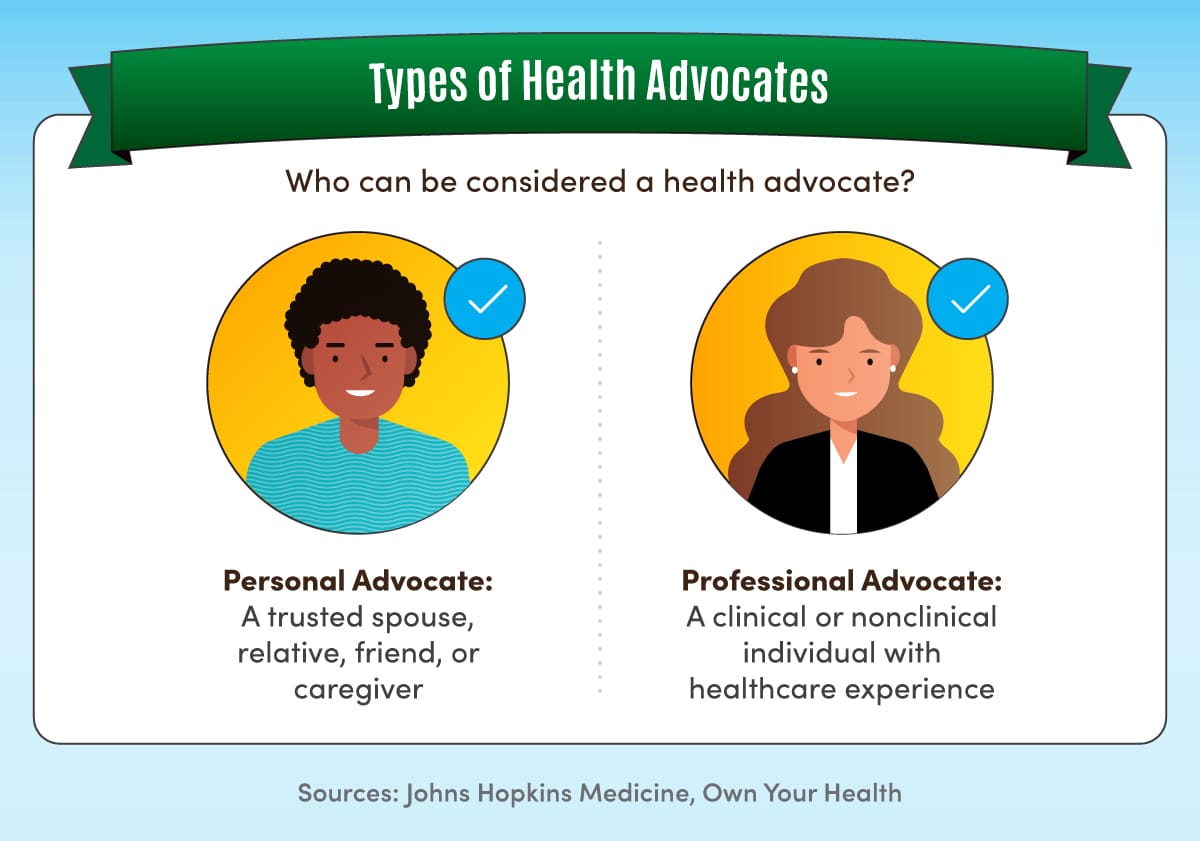
In an ever-evolving healthcare landscape, it is crucial to recognize the individuals who are shaping the policies that impact our well-being. From advocating for affordable access to healthcare to championing patient rights, these influential voices in healthcare policy advocacy are at the forefront of driving change. Their expertise, passion, and unwavering commitment to improving healthcare policies make them key players in shaping a better future for all. Let’s take a closer look at some of the most influential voices in healthcare policy advocacy and the impact they have on our lives.
Government Officials and Agencies
Elected Officials
Elected officials play a crucial role in shaping healthcare policy. As representatives of the people, they have the power to introduce legislation, vote on bills, and make decisions that impact the healthcare system. Through their roles in Congress, Parliament, or other governing bodies, elected officials have the ability to advocate for policies that improve access to healthcare, address public health concerns, and promote patient rights. Their close ties to the communities they serve give them valuable insights into the healthcare needs and concerns of the people they represent.
Health Departments and Ministries
Health departments and ministries at the local, state, and national levels are responsible for overseeing public health initiatives and implementing healthcare policies. These agencies work to protect and improve population health by addressing issues such as disease prevention, health promotion, and emergency preparedness. They collaborate with other stakeholders, including healthcare providers, community organizations, and the public, to develop and enforce regulations and guidelines that ensure the safety and wellbeing of the population. Health departments and ministries play a crucial role in setting priorities, allocating resources, and coordinating efforts to address healthcare challenges and improve health outcomes.
Regulatory Agencies
Regulatory agencies are tasked with overseeing and enforcing regulations related to healthcare. They are responsible for monitoring and ensuring compliance with laws and standards that govern various aspects of the healthcare system, including the approval and safety of medical products, the delivery of healthcare services, and the protection of patient rights. These agencies play a vital role in maintaining the integrity and quality of healthcare by conducting inspections, conducting investigations, and taking enforcement actions when necessary. By upholding standards of safety, effectiveness, and ethical conduct, regulatory agencies help to protect the public and ensure the delivery of high-quality healthcare services.
Nonprofit Organizations
Health Advocacy Groups
Health advocacy groups are nonprofit organizations dedicated to promoting and protecting the rights and interests of patients and the broader public. These organizations work to influence policies, laws, and regulations to address healthcare disparities, improve access to care, and advance patient-centered approaches. They often engage in grassroots advocacy, mobilizing individuals and communities to raise awareness, support legislation, and drive change. Health advocacy groups also provide resources, support, and education to patients and their families, empowering them to navigate the healthcare system and make informed decisions about their care.
Think Tanks and Policy Institutes
Think tanks and policy institutes are nonpartisan organizations that conduct research and analysis to inform healthcare policy development and decision-making. These organizations bring together experts from various disciplines to examine complex healthcare issues, evaluate existing policies, and propose evidence-based solutions. Their research and recommendations often contribute to shaping healthcare legislation and regulations. Think tanks and policy institutes provide valuable insights and expertise to government officials, healthcare professionals, and other stakeholders, helping to bridge the gap between research and policy implementation.
Academic Experts
Health Policy Researchers
Health policy researchers are academic experts who conduct studies and analysis to inform healthcare policy. They investigate the impact of policies on access to care, healthcare delivery, affordability, and equity. Through their research, health policy researchers identify areas for improvement and propose evidence-based interventions. They play a critical role in shaping healthcare policy by providing policymakers with unbiased data, insights, and recommendations. Health policy researchers often collaborate with government agencies, nonprofit organizations, and industry leaders to address complex health policy challenges and promote evidence-informed decision-making.
Public Health Professors
Public health professors are experts in public health who teach and conduct research in academic institutions. Their expertise spans a wide range of disciplines, including epidemiology, biostatistics, health promotion, and environmental health. Public health professors contribute to healthcare policy advocacy through their research, teaching, and mentorship. They educate future policymakers and healthcare professionals on the social determinants of health, health disparities, and effective strategies for population health improvement. Public health professors also engage in policy discussions and provide guidance and expertise to government officials, nonprofit organizations, and other stakeholders to address public health priorities and promote evidence-based healthcare policies.
Medical Ethicists
Medical ethicists are experts in the field of bioethics, which explores ethical issues related to healthcare, medical research, and the practice of medicine. These experts analyze the moral implications of healthcare policies and decisions, such as resource allocation, informed consent, and end-of-life care. By examining the ethical dimensions of healthcare, medical ethicists contribute to shaping policies that prioritize patient autonomy, fairness, and justice. They provide guidance and recommendations to policymakers, healthcare institutions, and professionals to ensure ethical decision-making in healthcare and strive for policies that align with societal values and the principles of medical ethics.
Industry Leaders
Pharmaceutical Companies
Pharmaceutical companies are key stakeholders in healthcare policy advocacy. These companies develop and manufacture medications that play a critical role in preventing, treating, and managing diseases. Pharmaceutical companies advocate for policies that support innovation, intellectual property protection, and fair pricing of medications. They also engage in research and development collaborations with academic institutions, government agencies, and nonprofit organizations to advance medical knowledge and improve patient outcomes. Additionally, pharmaceutical companies work closely with regulatory agencies to ensure the safety and effectiveness of their products, and they contribute to policy discussions on drug access, affordability, and the balance between innovation and public health needs.
Health Insurance Providers
Health insurance providers are important contributors to healthcare policy advocacy. These companies offer insurance plans that help individuals and families manage the costs of healthcare services. Health insurance providers advocate for policies that support affordable and accessible coverage for all, regardless of pre-existing conditions or other health factors. They work with government officials, nonprofit organizations, and other stakeholders to shape regulations and legislation that promote healthcare affordability, consumer protections, and value-based care. Health insurance providers also collaborate with healthcare providers to improve care coordination, reimbursement models, and population health management.
Medical Device Manufacturers
Medical device manufacturers are instrumental in healthcare policy advocacy, as they develop, produce, and distribute a wide range of medical devices and technologies. These devices play a crucial role in diagnosing, treating, and monitoring various health conditions. Medical device manufacturers advocate for policies that promote innovation, patient safety, and timely access to new technologies. They collaborate with regulatory agencies, healthcare professionals, and other stakeholders to ensure the effectiveness and safety of their products. Medical device manufacturers contribute to policy discussions on areas such as reimbursement, value-based procurement, and regulations related to medical device development, testing, and post-market surveillance.
Healthcare Professionals
Physicians and Surgeons
Physicians and surgeons are at the forefront of patient care and are influential voices in healthcare policy advocacy. As healthcare providers, they understand the challenges, needs, and realities of delivering care to patients. Physicians and surgeons advocate for policies that enhance patient access, improve healthcare quality, and support the professional practice of medicine. They participate in medical associations and professional organizations, which engage in advocacy efforts to shape healthcare policies that reflect the needs of patients and the medical community. Physicians and surgeons also contribute to policy discussions on topics such as reimbursement rates, scope of practice, healthcare workforce diversity, and medical education.
Nurses and Nurse Practitioners
Nurses and nurse practitioners are vital members of the healthcare team and play a significant role in healthcare policy advocacy. These professionals provide direct patient care, addressing the physical, emotional, and social needs of patients. Nurses and nurse practitioners advocate for policies that promote nursing practice, patient safety, and optimal care outcomes. They engage in nursing associations and professional organizations that work to shape healthcare policies, address workforce shortages, and improve the quality of nursing education and practice. Nurses and nurse practitioners bring years of clinical experience and expertise to policy discussions on a wide range of topics, including healthcare delivery models, patient-centered care, and health prevention strategies.
Hospital Administrators
Hospital administrators are influential voices in healthcare policy advocacy as they oversee the management and operations of healthcare organizations. These professionals work to ensure the efficient and effective delivery of care while navigating complex regulatory environments. Hospital administrators advocate for policies that support quality improvement, patient safety, and the sustainability of healthcare institutions. They collaborate with government officials, industry leaders, and nonprofit organizations to address healthcare challenges and promote policies that align with the needs of healthcare providers and the communities they serve. Hospital administrators also contribute to policy discussions on issues such as healthcare financing, healthcare workforce development, and health system resiliency.
Patient Advocates
Disease-Specific Advocacy Groups
Disease-specific advocacy groups are nonprofit organizations that represent the interests of individuals and families affected by specific health conditions. These groups advocate for policies that improve access to care, increase research funding, and promote patient-centered approaches to care delivery. Disease-specific advocacy groups raise public awareness, provide support and resources to patients and their families, and collaborate with healthcare providers, researchers, and policymakers to drive progress in understanding and treating specific diseases. These organizations play a vital role in amplifying the voices of patients, championing their needs, and advocating for policies and legislation that address their unique challenges.
Disability Rights Organizations
Disability rights organizations are dedicated to promoting the rights, inclusion, and accessibility of individuals with disabilities. These organizations advocate for policies that protect the rights of people with disabilities, ensure equal access to healthcare services, and promote universal design in healthcare environments. Disability rights organizations work to eliminate discrimination, remove barriers to care, and improve communication and support for individuals with disabilities. They collaborate with government agencies, healthcare providers, and other stakeholders to shape policies that uphold the principles of disability rights and provide equitable healthcare for all.
Media Figures
Health Journalists
Health journalists are influential voices in healthcare policy advocacy as they play a crucial role in informing the public about healthcare issues, policies, and developments. These journalists report on a wide range of topics, including healthcare reforms, public health initiatives, and medical breakthroughs. Health journalists provide accurate and objective coverage, helping to shape public opinion and influence policy discussions. They hold government officials, industry leaders, and healthcare professionals accountable by investigating and reporting on healthcare practices, policies, and controversies. Health journalists bridge the gap between policymakers and the public, ensuring that healthcare policy discussions are accessible, transparent, and well-informed.
Health Policy Commentators
Health policy commentators provide expert analysis and commentary on healthcare policy issues through various media platforms. These commentators, who may be academics, healthcare professionals, or policy experts, offer insights, interpretations, and recommendations on healthcare policies and their implications. By examining policy proposals, commenting on political debates, and offering alternative perspectives, health policy commentators contribute to shaping public opinion and influencing policy discussions. They help the public understand complex healthcare issues, engage in informed debates, and hold policymakers accountable. Health policy commentators serve as trusted sources of information and analysis to the media, policymakers, and the general public.
Philanthropists
Foundations Supporting Healthcare Policy Advocacy
Foundations that focus on supporting healthcare policy advocacy play a vital role in shaping the healthcare landscape. These philanthropic organizations provide funding, resources, and expertise to support research, initiatives, and campaigns that advance healthcare policy priorities. They work with nonprofit organizations, academic institutions, and other stakeholders to address healthcare challenges, promote evidence-based policies, and drive meaningful change. Foundations supporting healthcare policy advocacy contribute to shaping public health agendas, amplifying the voices of marginalized populations, and influencing policy decisions that impact communities and public health outcomes.
Legal Experts
Health Law Attorneys
Health law attorneys are legal experts who specialize in healthcare regulations, policies, and ethical considerations. These attorneys advise and advocate for healthcare providers, organizations, and patients on legal matters related to healthcare. Health law attorneys contribute to healthcare policy advocacy by providing legal guidance, analyzing proposed policies, and representing clients in legislative processes and legal disputes. By understanding the complexities of healthcare laws and regulations, health law attorneys contribute to shaping policies that protect patient rights, ensure compliance, and promote ethical healthcare practices.
Bioethics Lawyers
Bioethics lawyers specialize in legal issues related to healthcare ethics, including informed consent, end-of-life decisions, and medical research. These lawyers provide legal advice, guidance, and representation to healthcare providers, research institutions, and patients on complex ethical and legal matters. Bioethics lawyers contribute to healthcare policy advocacy by analyzing legislation, participating in policy discussions, and offering legal expertise on matters of healthcare ethics. They ensure that policies address ethical considerations, protect the rights and interests of patients, and align with established principles of bioethics.
International Organizations
World Health Organization (WHO)
The World Health Organization (WHO) is a specialized agency of the United Nations, responsible for global public health. It plays a critical role in healthcare policy advocacy at the international level. The WHO works with its member countries to develop policies, guidelines, and strategies that address global health challenges, promote health equity, and improve health outcomes. Through its technical expertise, research, and coordination efforts, the WHO shapes global health agendas and advocates for policies that prioritize public health, advance universal health coverage, and strengthen health systems worldwide. The WHO serves as a trusted source of information, guidance, and technical support to governments, healthcare professionals, and the public.
United Nations (UN) Agencies
Various United Nations (UN) agencies, including the United Nations Development Programme (UNDP) and the United Nations Children’s Fund (UNICEF), contribute to healthcare policy advocacy through their work on global development and human rights. These agencies promote policies and initiatives that address social determinants of health, improve healthcare infrastructure, and advance universal access to quality healthcare. UN agencies collaborate with governments, civil society organizations, and other stakeholders to drive progress towards sustainable development goals, including those related to health and well-being. By facilitating international cooperation and advocating for policies that prioritize health and human rights, UN agencies contribute to shaping global healthcare policies and promoting equitable and inclusive healthcare systems.
In conclusion, the most influential voices in healthcare policy advocacy span a diverse range of stakeholders, including government officials, nonprofit organizations, academic experts, industry leaders, healthcare professionals, patient advocates, media figures, philanthropists, legal experts, and international organizations. Their collective efforts shape healthcare policy, address public health challenges, promote patient rights, and improve access to care. By working together, these influential voices contribute to creating a healthcare system that is accessible, equitable, and responsive to the needs of individuals and communities.