
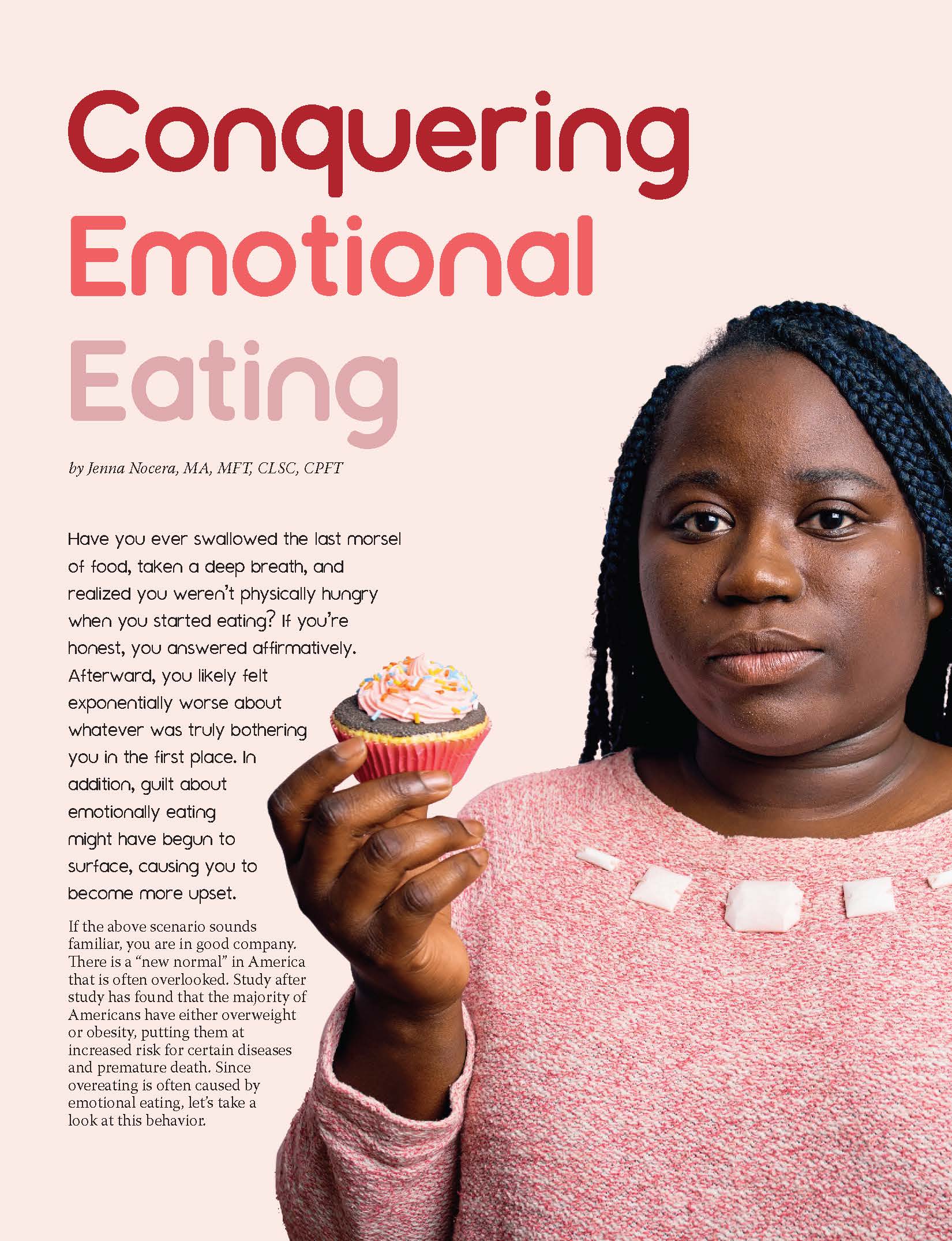
Are you someone who tends to reach for food when you’re feeling stressed, sad, or anxious? If so, you’re not alone. Emotional eating is a common coping mechanism that many of us rely on to find comfort in difficult times. However, it can often lead to unhealthy patterns and unwanted weight gain. In this article, we’ll share some friendly and practical tips to help you break free from emotional eating and establish healthier habits for a happier and more balanced life. So, join us as we explore the path to emotional eating recovery together!
Understand Emotional Eating
Emotional eating is a common behavior that many people engage in when they are feeling stressed, overwhelmed, or dealing with difficult emotions. It involves using food as a way to cope with these emotions, often leading to overeating or consuming unhealthy foods. In order to overcome emotional eating, it’s important to first understand the triggers and emotional needs that may be driving this behavior.
Recognize triggers for emotional eating
The first step in understanding emotional eating is to recognize the triggers that lead to this behavior. Triggers can vary from person to person, but common ones include stress, boredom, loneliness, and anxiety. By identifying your specific triggers, you can then develop strategies to address them and prevent emotional eating.
Learn about the emotional needs you may be trying to fulfill
Emotional eating often stems from unmet emotional needs. It’s important to reflect on the underlying emotions and needs that you may be trying to fulfill through food. Are you seeking comfort, distraction, or a sense of control? By understanding these emotional needs, you can find healthier ways to fulfill them and reduce the reliance on food.
Understand the connection between emotions and food
Food can have a powerful impact on our emotions. Certain foods, like those high in sugar and fat, can provide temporary feelings of comfort and pleasure. However, this often leads to a cycle of emotional eating, followed by guilt and shame. By recognizing the connection between your emotions and food, you can begin to develop a healthier relationship with food and find alternative ways to address your emotional needs.
Develop Emotional Awareness
Developing emotional awareness is crucial in overcoming emotional eating. By practicing mindfulness and self-reflection, you can begin to better understand and manage your emotions.
Practice mindfulness and self-reflection
Mindfulness involves being fully present in the moment and observing your thoughts and emotions without judgment. By incorporating mindfulness into your daily routine, you can learn to recognize and accept your emotions without relying on food as a coping mechanism. Taking time to reflect on your feelings and triggers can also help you gain insight into patterns and develop strategies for emotional distress.
Identify and acknowledge your emotions
Many people struggle with identifying and acknowledging their emotions, which can lead to emotional eating as a way to avoid or suppress these feelings. Take the time to tune in to your emotions and give yourself permission to feel them. Whether it’s sadness, anger, or anxiety, acknowledging and accepting your emotions is an essential step in emotional eating recovery.
Learn healthy coping mechanisms for emotional distress
Instead of turning to food when you’re feeling upset or stressed, it’s important to have a variety of healthy coping mechanisms in your toolbox. This can include activities such as deep breathing exercises, practicing relaxation techniques, engaging in hobbies, or seeking support from others. Finding what works best for you will take time and experimentation, but having a range of healthy coping mechanisms can help you navigate emotional distress without turning to food.
Create a Support System
Building a support system is essential for emotional eating recovery. Surrounding yourself with individuals who understand and support your journey can provide encouragement, accountability, and a safe space to share your struggles.
Seek help from a therapist or counselor
A therapist or counselor can provide valuable guidance and support as you work towards overcoming emotional eating. They can help you explore the underlying emotions and beliefs that contribute to this behavior, as well as provide tools and techniques to address emotional distress in healthy ways.
Join a support group or find an online community
Connecting with others who are also on a journey towards emotional eating recovery can be incredibly beneficial. Joining a support group or participating in an online community can provide a sense of belonging, understanding, and encouragement. It’s helpful to share your experiences, learn from others, and receive support from individuals who have faced similar challenges.
Share your struggles with trusted friends and family
Opening up to trusted friends and family members about your struggles with emotional eating can provide a support network that is always available. Sharing your journey with loved ones allows them to better understand your needs and can provide the empathy and encouragement you need during difficult times.
Establish Healthy Eating Habits
Establishing healthy eating habits is an important part of the recovery process. By making mindful choices about what and how much you eat, you can nourish your body without relying on emotional eating.
Choose nutritious, balanced meals
Focus on incorporating whole foods into your diet, such as fruits, vegetables, lean proteins, and whole grains. These foods provide essential nutrients and can help stabilize your mood and energy levels. Avoid highly processed and sugary foods, as they can contribute to cravings and emotional fluctuations.
Practice portion control
Learning to listen to your body’s hunger and fullness cues is key in practicing portion control. Eat slowly, paying attention to how your body feels throughout the meal. Stop eating when you feel comfortably full, and avoid eating until you’re overly stuffed. By being mindful of portion sizes and listening to your body, you can avoid overeating and better regulate your food intake.
Focus on mindful eating
Mindful eating involves paying close attention to the sensory experience of eating. Slow down and savor each bite, paying attention to the taste, texture, and aroma of your food. By focusing on the present moment and fully engaging with your meal, you can cultivate a greater appreciation for food and break the cycle of mindless emotional eating.
Listen to your body’s hunger and fullness cues
Tuning into your body’s hunger and fullness cues is an essential part of developing a healthy relationship with food. Learn to differentiate between physical hunger and emotional hunger. Physical hunger builds gradually and is satisfied by a variety of foods, while emotional hunger often arises suddenly and is usually specific to certain comfort foods. By listening to your body’s cues, you can nourish yourself appropriately and reduce the reliance on food for emotional comfort.
Find Alternative Coping Strategies
Finding alternative coping strategies is crucial in breaking the cycle of emotional eating. Engaging in activities that promote relaxation, self-expression, and physical well-being can provide healthier outlets for emotional distress.
Engage in regular physical activity
Physical activity has numerous benefits for both physical and mental health. Engaging in regular exercise can help reduce stress, improve mood, and boost self-esteem. Find activities that you enjoy, whether it’s walking, swimming, dancing, or practicing yoga. The endorphins released during exercise can provide a natural mood boost and serve as a positive alternative to emotional eating.
Try stress-relieving techniques like yoga or meditation
Yoga and meditation are excellent practices for managing stress and promoting emotional well-being. These techniques can help calm the mind, reduce anxiety, and cultivate a sense of inner peace. By incorporating these practices into your routine, you can better cope with emotional distress and reduce the urge to turn to food for comfort.
Journaling to express and process emotions
Journaling is a powerful tool for expressing and processing emotions. Take the time to write down your thoughts and feelings, allowing yourself to explore and understand them more deeply. This can provide clarity and insights into your emotional triggers and help you develop healthier ways to cope with them.
Engage in creative outlets such as art or music
Engaging in creative outlets can provide a healthy way to express and process emotions. Whether it’s painting, playing an instrument, writing poetry, or dancing, creative activities allow for self-expression and can serve as a means of emotional release. Find activities that resonate with you and make time for them regularly.
Identify Triggers and Create a Plan
Identifying specific triggers for emotional eating and creating a plan to cope with them is essential in breaking the cycle. By recognizing when and why you are most susceptible to emotional eating, you can develop strategies to effectively address these triggers.
Recognize specific situations or emotions that lead to emotional eating
Take the time to assess the specific situations or emotions that consistently lead to emotional eating. Is it a particular time of day, a stressful event, or certain people or places? By recognizing these patterns, you can anticipate and prepare for potential triggers, making it easier to avoid the urge to turn to food.
Develop an action plan to cope with triggers
Once you have identified your triggers, develop an action plan to cope with them. This can include strategies such as going for a walk, practicing deep breathing exercises, calling a friend, or engaging in a hobby. Consider what alternative coping mechanisms would be most effective for you and have them readily available when you encounter triggering situations.
Replace food-related activities with healthier alternatives
If certain activities or rituals are strongly associated with emotional eating, it may be necessary to replace them with healthier alternatives. For example, if you often turn to a bowl of ice cream to unwind after a long day, try substituting it with a warm cup of herbal tea or a relaxing bath. By breaking the connection between the activity and food, you can find new ways to relax and unwind without relying on emotional eating.
Practice Self-Care
Self-care is an essential component of emotional eating recovery. By prioritizing your well-being and engaging in activities that bring you joy and relaxation, you can reduce the risk of turning to food for comfort.
Prioritize sleep and rest
Adequate sleep is crucial for emotional well-being and overall health. Make sleep a priority by establishing a consistent sleep routine and creating a calming bedtime routine. Aim for 7-9 hours of quality sleep each night to ensure that your body and mind are well-rested.
Engage in activities that bring you joy and relaxation
Identify activities that bring you joy, relaxation, and a sense of fulfillment. This can include hobbies, spending time in nature, reading, listening to music, or practicing self-care rituals such as taking a bath or getting a massage. By regularly engaging in activities that nourish your soul, you’ll be better equipped to handle stress and reduce the reliance on emotional eating.
Take time for yourself and practice self-compassion
It’s essential to prioritize self-care and make time for yourself regularly. Whether it’s scheduling alone time, practicing mindfulness, or engaging in activities that inspire self-reflection, taking care of yourself is vital for emotional well-being. Be kind to yourself and practice self-compassion, recognizing that recovery takes time and effort. Celebrate small victories along the way and be patient with yourself as you navigate this journey.
Challenge Negative Thoughts
Negative thoughts related to body image or self-worth can greatly impact emotional eating habits. It’s important to challenge these negative thoughts and replace them with positive affirmations.
Identify negative thought patterns related to body image or self-worth
Negative thought patterns often contribute to emotional eating. Take the time to identify and become aware of any negative thoughts you may have about your body image or self-worth. These thoughts can be deeply ingrained and may require professional help to address effectively.
Replace negative thoughts with positive affirmations
Once you have identified negative thought patterns, work on replacing them with positive affirmations. Affirmations are positive statements that can help reframe your thinking and promote self-acceptance and self-love. Repeat these affirmations to yourself regularly and challenge negative thoughts when they arise. Over time, this practice can help shift your mindset and improve your body image and self-worth.
Seek professional help if needed
If negative thought patterns persist or significantly impact your emotional well-being, it may be beneficial to seek professional help. A therapist or counselor can provide guidance and support in addressing underlying issues and developing healthy thought patterns. They can also help you challenge negative beliefs and promote self-acceptance and self-esteem.
Celebrate Small Victories
Celebrating small victories along your journey towards emotional eating recovery is important. Acknowledging and rewarding yourself for progress made can boost motivation and confidence.
Acknowledge and reward yourself for progress made
Take the time to acknowledge and celebrate the small victories you achieve along your journey. Whether it’s successfully navigating a triggering situation without turning to emotional eating or maintaining a consistent self-care routine, every step forward is worth recognizing. Treat yourself to something special as a reward, whether it’s a relaxing day at the spa, a new book, or quality time with loved ones.
Focus on the positive changes you’ve made
Shift your focus towards the positive changes you’ve made rather than dwelling on setbacks or difficulties. Emphasize the progress you’ve made, no matter how small, and acknowledge the positive impact it has had on your overall well-being. By highlighting these improvements, you’ll be more motivated and inspired to continue on your path towards emotional eating recovery.
Share your achievements with your support system
Share your achievements with your support system, whether it’s a therapist, support group, or trusted friends and family. Sharing your victories allows you to celebrate together and receive the encouragement and validation you need to stay motivated. Your support system will celebrate your achievements and remind you of how far you’ve come on your journey.
Practice Patience and Persistence
Recovery from emotional eating takes time, effort, and perseverance. It’s important to practice patience and persistence as you navigate the ups and downs of the recovery process.
Understand that recovery takes time and effort
Recovery from emotional eating is not a linear process and can vary from person to person. Understand that it takes time and effort to develop new habits and patterns. Be patient with yourself and acknowledge that setbacks and challenges are a normal part of the journey. Each day presents an opportunity for growth and progress, so continue to stay committed to the process.
Embrace setbacks as learning opportunities
Setbacks are inevitable and should be viewed as learning opportunities rather than failures. When you experience a setback, take the time to reflect on what triggered the emotional eating and how you can prevent it from happening in the future. Use setbacks as an opportunity to grow and refine your coping strategies.
Stay committed to your journey towards emotional eating recovery
Above all, stay committed to your journey towards emotional eating recovery. It may feel challenging at times, but remember why you started and the positive changes you’ve already made. Surround yourself with a strong support system, practice self-care, and embrace the process with patience and persistence. With dedication, you can overcome emotional eating and develop a healthier relationship with food and your emotions.
In conclusion, overcoming emotional eating requires a comprehensive approach that addresses the underlying emotional needs, develops emotional awareness, establishes healthy eating habits, finds alternative coping strategies, creates a support system, practices self-care, challenges negative thoughts, celebrates small victories, and practices patience and persistence. By implementing these strategies, you can break free from the cycle of emotional eating and develop healthier habits that promote emotional well-being and overall health. Remember, you’re not alone in this journey, and with the right support and tools, you can achieve emotional eating recovery.