
If you or someone you know is living with chronic heart disease, it’s important to have accurate information and guidance to effectively manage this condition. In this article, we have compiled a list of frequently asked questions (FAQs) on managing chronic heart disease. From lifestyle modifications to medication management, each question aims to provide you with valuable insights and practical tips to help you lead a heart-healthy life. So, settle in and get ready to discover everything you need to know about managing chronic heart disease.
What is chronic heart disease?
Chronic heart disease, also known as coronary artery disease (CAD), is a condition characterized by the narrowing or blockage of the coronary arteries that supply blood to the heart muscle. This narrowing or blockage is usually caused by the buildup of plaque, a sticky substance made up of fat, cholesterol, calcium, and other substances. Over time, this plaque buildup can restrict blood flow to the heart and lead to various complications.
Definition of chronic heart disease
Chronic heart disease refers to the long-term condition of impaired blood flow to the heart due to the narrowing or blockage of the coronary arteries. It is a progressive condition that can result in chest pain (angina), heart attacks, heart failure, and other cardiac events. It is important to differentiate chronic heart disease from acute coronary syndromes, which are sudden and potentially life-threatening events.
Causes of chronic heart disease
The primary cause of chronic heart disease is atherosclerosis, a condition where the inner walls of the arteries become narrowed and hardened due to the buildup of plaque. Several factors contribute to the development of atherosclerosis and chronic heart disease, including high blood pressure, high cholesterol levels, smoking, diabetes, obesity, physical inactivity, and a family history of heart disease.
Symptoms of chronic heart disease
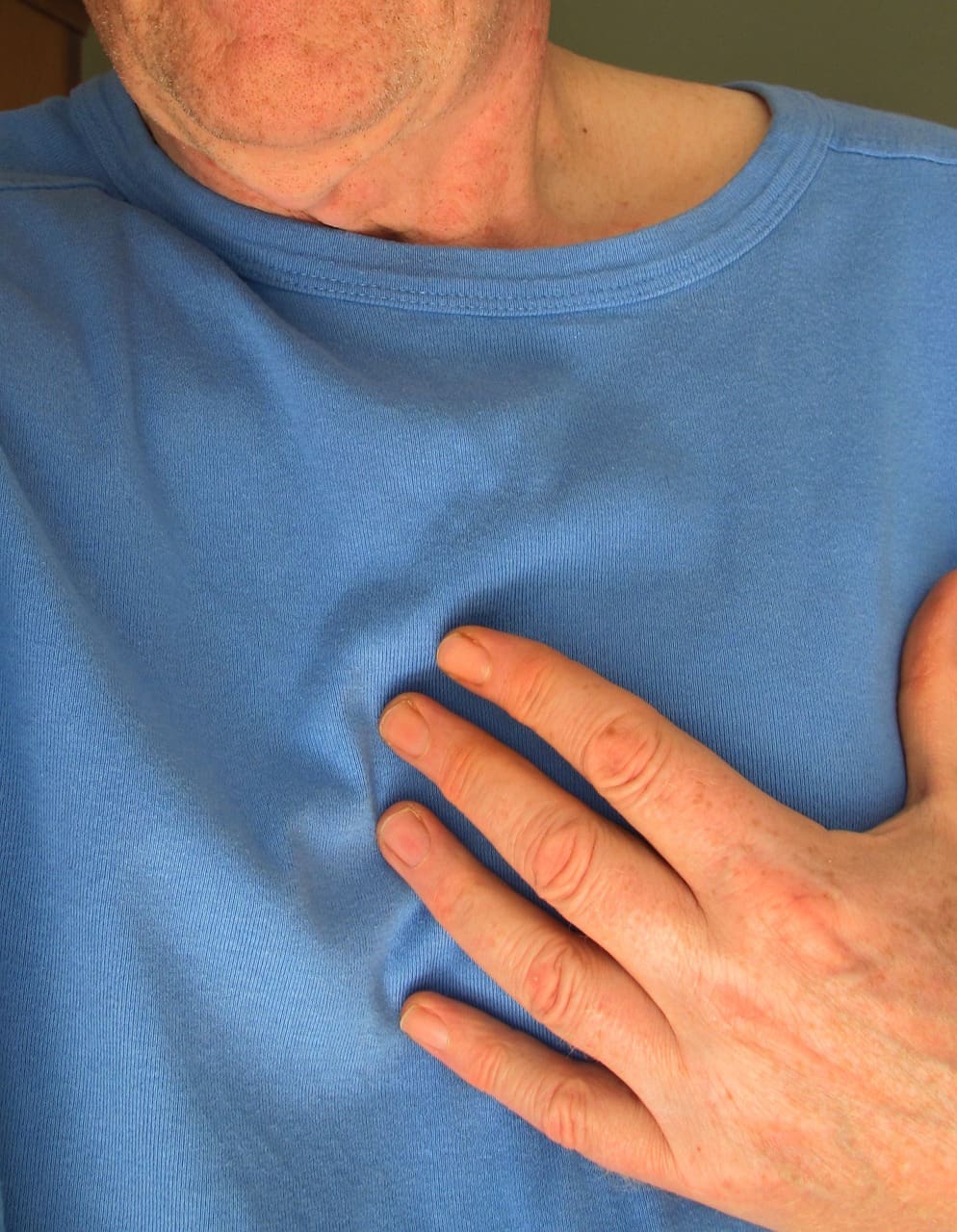
The symptoms of chronic heart disease can vary depending on the severity of the blockage in the coronary arteries and the individual’s overall health. Common symptoms include chest pain or discomfort (angina), shortness of breath, fatigue, rapid or irregular heartbeat, dizziness, nausea, sweating, and swelling in the legs, ankles, and feet. It is important to note that some individuals may experience no symptoms or have atypical symptoms, especially women and older adults.
Diagnosing chronic heart disease
To diagnose chronic heart disease, healthcare providers will conduct a thorough medical history and physical examination. They will inquire about your symptoms, risk factors, and family history of heart disease. Additionally, they may order various diagnostic tests to confirm the diagnosis and assess the severity of the condition.
Medical history and physical examination
During the medical history, your healthcare provider will ask about your symptoms, their frequency and intensity, and any factors that alleviate or worsen them. They will also inquire about your risk factors, such as smoking, high blood pressure, high cholesterol, diabetes, obesity, and family history of heart disease. A physical examination may involve checking your blood pressure, listening to your heart and lungs, and examining your lower extremities for signs of swelling.

Diagnostic tests for chronic heart disease
Several diagnostic tests can help confirm the presence of chronic heart disease and assess its severity. These tests may include:
-
Electrocardiogram (ECG/EKG): This test records the electrical activity of the heart and can detect abnormal heart rhythms or evidence of a previous heart attack.
-
Stress testing: This test measures the heart’s response to physical stress, such as walking on a treadmill or pedaling a stationary bike, often in combination with an ECG/EKG. It can identify reduced blood flow to the heart during exercise, which may indicate significant coronary artery blockages.
-
Cardiac catheterization: This invasive procedure involves inserting a thin tube called a catheter into a blood vessel in the arm or groin and guiding it to the heart. Contrast dye is then injected, allowing the healthcare provider to visualize the coronary arteries and identify any blockages.
-
Echocardiogram: This non-invasive test uses sound waves to create detailed images of the heart’s structure and function. It can help assess the pumping capacity of the heart and detect any abnormalities in the heart valves or chambers.
Treatment options for chronic heart disease
The treatment of chronic heart disease aims to relieve symptoms, prevent complications, and improve overall heart health. The treatment plan may involve a combination of lifestyle changes, medications, surgical procedures, and cardiac rehabilitation.
Lifestyle changes
Making certain lifestyle changes can have a significant impact on managing chronic heart disease. These changes may include:
-
Adopting a heart-healthy diet: Consume a diet low in saturated and trans fats, cholesterol, and sodium. Increase your intake of fruits, vegetables, whole grains, and lean proteins.
-
Engaging in regular physical activity: Aim for at least 150 minutes of moderate-intensity aerobic exercise or 75 minutes of vigorous-intensity aerobic exercise each week. Additionally, include strength training exercises two or more days per week.
-
Quitting smoking: Smoking can further damage your arteries and increase the risk of heart-related complications. Seek support and resources to help you quit smoking.
-
Managing stress: Practice stress-reducing techniques such as deep breathing, meditation, yoga, or engaging in hobbies and activities that help you relax.
-
Achieving and maintaining a healthy weight: If you are overweight or obese, losing weight can improve heart health and reduce the strain on your cardiovascular system.

Medications
Several medications may be prescribed to manage chronic heart disease, depending on an individual’s specific needs. These medications may include:
-
Antiplatelet drugs: These medications, such as aspirin or clopidogrel, help prevent blood clots from forming, reducing the risk of heart attacks and strokes.
-
Beta-blockers: These drugs slow the heart rate, reduce blood pressure, and decrease the workload on the heart.
-
ACE inhibitors and ARBs: Angiotensin-converting enzyme (ACE) inhibitors and angiotensin receptor blockers (ARBs) help relax blood vessels, lower blood pressure, and improve heart function.
-
Statins: These medications lower cholesterol levels and reduce the risk of plaque buildup in the arteries.
-
Nitroglycerin: Nitroglycerin helps relieve chest pain (angina) by relaxing and widening blood vessels, improving blood flow to the heart.
Surgical procedures
In some cases, surgical procedures may be necessary to treat chronic heart disease. These procedures may include:
-
Coronary artery bypass grafting (CABG): This surgery involves bypassing the blocked or narrowed coronary arteries by grafting a healthy blood vessel from another part of the body to redirect blood flow around the blocked area.
-
Angioplasty and stenting: During this procedure, a balloon-tipped catheter is used to open blocked or narrowed arteries. A stent, a small mesh tube, is then placed in the artery to help keep it open and improve blood flow.
-
Implantable devices: Certain devices, such as pacemakers, implantable cardioverter-defibrillators (ICDs), and cardiac resynchronization therapy devices (CRTs), may be recommended to manage heart rhythm abnormalities and improve heart function.
Cardiac rehabilitation
Cardiac rehabilitation is a structured program designed to help individuals recover and improve their overall heart health after a heart-related event or procedure. It involves a combination of exercise training, education, and counseling to promote cardiovascular health, reduce risk factors, and enhance quality of life. By participating in cardiac rehabilitation, individuals can gain the knowledge and skills needed to manage chronic heart disease effectively.
Managing risk factors
Managing risk factors is crucial in preventing the progression of chronic heart disease and reducing the risk of complications. Common risk factors that should be managed include:
High blood pressure
Regular monitoring of blood pressure, taking prescribed medications as directed, reducing sodium intake, adopting a healthy diet, engaging in regular physical activity, maintaining a healthy weight, limiting alcohol consumption, and managing stress can help control high blood pressure.
High cholesterol
Lifestyle modifications such as adopting a heart-healthy diet, engaging in regular physical activity, losing weight, quitting smoking, and taking prescribed cholesterol-lowering medications, such as statins, can help manage high cholesterol levels.
Diabetes
Individuals with diabetes should closely monitor their blood sugar levels, take prescribed medications or insulin as directed, adopt a healthy diet, engage in regular physical activity, and maintain a healthy weight.
Obesity
Losing weight through a combination of healthy eating and regular exercise can help reduce the strain on the heart and improve overall heart health.
Smoking
Quitting smoking is essential to reduce the risk of heart-related complications. Support groups, nicotine replacement therapies, counseling, and medications can assist individuals in the quitting process.
Family history
Individuals with a family history of heart disease should be vigilant in managing their risk factors and undergo regular check-ups to monitor their heart health.
Diet and nutrition for people with chronic heart disease
Adopting a heart-healthy diet is crucial for individuals with chronic heart disease. Some key dietary considerations include:
Heart-healthy diet
Focus on consuming a variety of nutrient-dense foods such as fruits, vegetables, whole grains, lean proteins, and healthy fats like unsaturated fats found in olive oil, avocados, and nuts.
Limiting sodium intake
Reduce the consumption of high-sodium foods such as processed meats, canned soups, and fast food. Opt for low-sodium options and use spices and herbs to add flavor to meals.
Controlling portion sizes
Pay attention to portion sizes to avoid overeating. Using smaller plates and bowls can help control portion sizes.
Importance of fruits and vegetables
Include a variety of colorful fruits and vegetables in your diet as they are rich in vitamins, minerals, and antioxidants that promote heart health.
Reducing saturated and trans fats
Limit the consumption of foods high in saturated and trans fats such as fatty meats, full-fat dairy products, fried foods, and commercially baked goods.
Choosing lean proteins
Opt for lean sources of protein such as skinless poultry, fish, legumes, and tofu. Limit the consumption of red and processed meats.
Avoiding added sugars
Limit the intake of foods and beverages high in added sugars, such as sugary drinks, desserts, and sweetened snacks.
Exercise guidelines for people with chronic heart disease
Regular physical activity is essential for managing chronic heart disease. Some important considerations include:
Benefits of regular physical activity
Engaging in regular exercise helps improve cardiovascular health, strengthen the heart muscle, lower blood pressure, reduce cholesterol levels, manage weight, improve mood, and enhance overall well-being.
Types of exercises recommended
Include a combination of aerobic exercises, such as walking, swimming, cycling, or dancing, and strength training exercises that target major muscle groups.
Duration and intensity of exercise
Aim for at least 150 minutes of moderate-intensity aerobic exercise or 75 minutes of vigorous-intensity aerobic exercise each week. Additionally, include strength training exercises two or more days per week.
Special considerations for those with chronic heart disease
It is important to consult with your healthcare provider before starting an exercise program, especially if you have any underlying health conditions. They can provide guidance on appropriate exercise intensity and any precautions or modifications that may be necessary.
Managing stress and mental health
Stress can have a significant impact on heart health. It is essential to manage stress effectively to reduce the risk of complications. Some techniques for managing stress include:
Impact of stress on heart health
Chronic stress can contribute to the development and progression of heart disease by raising blood pressure, increasing the risk of abnormal heart rhythms, promoting inflammation, and encouraging unhealthy coping behaviors such as smoking or overeating.
Techniques for managing stress
Engage in stress-reducing activities such as deep breathing exercises, meditation, yoga, tai chi, or regular physical activity. Practice relaxation techniques, seek support from loved ones, and consider counseling or therapy if needed.
Importance of mental health support
It is important to prioritize mental health and seek support from healthcare professionals, support groups, or therapists who can provide guidance, coping strategies, and resources to manage stress and promote emotional well-being.
Managing medication and treatment plan
Proper management of medications and adherence to the treatment plan are essential for individuals with chronic heart disease. Some considerations include:
Understanding prescribed medications
Educate yourself about the medications you are prescribed, including their names, purposes, dosages, potential side effects, and any necessary precautions.
Adhering to medication schedule
Take medications as prescribed by your healthcare provider. Set reminders, use pill organizers, and ask for support from loved ones if needed.
Possible side effects and interactions
Be aware of potential side effects and interactions of medications. If you experience any concerning symptoms, promptly communicate with your healthcare provider.
Consulting healthcare provider for any concerns
If you have any questions, concerns, or experience any changes in your symptoms, always consult with your healthcare provider. They can provide guidance, offer adjustments to your treatment plan if necessary, and address any concerns you may have.
Monitoring symptoms and seeking medical help
Regular monitoring of symptoms and prompt medical assistance when necessary is crucial for individuals with chronic heart disease. Some important considerations include:
Recognizing warning signs and symptoms
Educate yourself about the warning signs and symptoms of heart-related complications, such as chest pain (angina), shortness of breath, rapid or irregular heartbeat, dizziness, nausea, and swelling. Be aware of any changes in your symptoms and report them to your healthcare provider.
When to seek immediate medical assistance
If you experience severe chest pain, shortness of breath at rest, sudden weakness or numbness of the face, arm, or leg, loss of consciousness, or any other concerning symptoms that may suggest a heart attack or other serious event, seek immediate medical assistance by calling emergency services.
Regular check-ups and monitoring
Attend regular follow-up appointments with your healthcare provider to monitor your heart health and manage your condition effectively. This includes regular check-ups, blood tests, and any necessary diagnostic tests or imaging studies.
Living with chronic heart disease
Living with chronic heart disease can be challenging, but with the right strategies, individuals can lead fulfilling lives. Some important aspects to consider include:
Coping with lifestyle changes
Adjusting to lifestyle changes can be difficult, but understanding the importance of these changes in preserving heart health can provide motivation and support. Seek support from loved ones, join cardiac rehabilitation programs, and learn from others who have successfully managed the condition.
Support groups and resources
Participating in support groups or seeking online resources can provide valuable support, information, and a sense of community. Connecting with others who share similar experiences can be both comforting and empowering.
Maintaining a positive outlook
Maintaining a positive outlook and mindset is essential when managing chronic heart disease. Focus on the progress made, celebrate small victories, and stay motivated to make healthy choices for your heart and overall well-being.
In conclusion, chronic heart disease, or coronary artery disease, is a condition characterized by the narrowing or blockage of the coronary arteries that supply blood to the heart. It is a progressive condition that requires careful management. Through lifestyle changes, medications, surgical procedures, and adherence to treatment plans, individuals can effectively manage chronic heart disease, reduce the risk of complications, and improve their overall heart health. With support from healthcare providers, loved ones, support groups, and resources, individuals with chronic heart disease can lead fulfilling lives and maintain a positive outlook. Remember, taking control of your heart health is within your reach, and you have the power to make a positive impact on your well-being.