
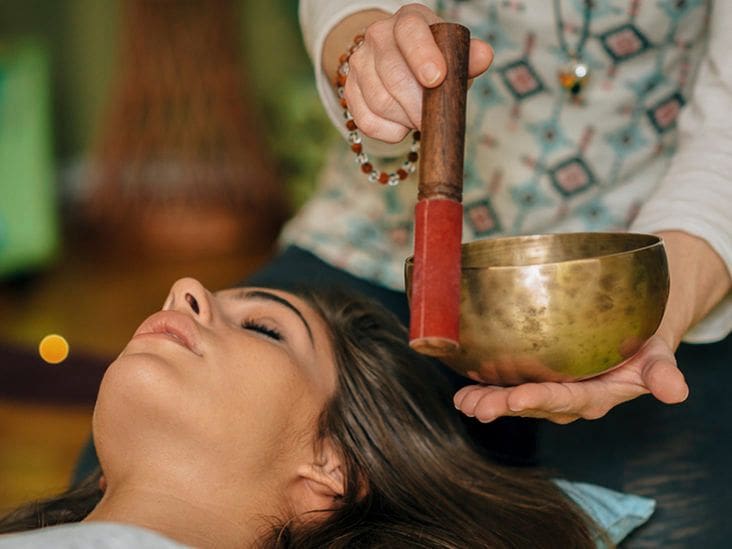
Imagine a world where the key to achieving relaxation, reducing stress, and cultivating a state of inner peace lies within the ethereal realms of sound. Well, wonder no more because the healing power of sound therapy is here to transform your life. Through the harmonious vibrations of various instruments, like singing bowls and tuning forks, this ancient practice offers a unique and holistic approach to healing. By immersing yourself in the gentle and soothing tones, you’ll discover a profound sense of well-being and rejuvenation, as the vibrations naturally balance your mind, body, and spirit. Get ready to embark on a transformative journey as you explore the extraordinary potential of sound therapy.
What is Sound Therapy?
Definition of Sound Therapy
Sound therapy, also known as sound healing or sound meditation, is a therapeutic practice that uses sound and vibrations to promote physical, mental, and emotional well-being. It is based on the principle that everything in the universe, including our bodies, is made up of energy that vibrates at different frequencies. By exposing the body and mind to specific frequencies and vibrations, sound therapy aims to restore balance, reduce stress, and enhance overall health.
History of Sound Therapy
The use of sound as a healing modality dates back thousands of years. Various ancient cultures, such as the Egyptians, Greeks, and Native Americans, recognized the power of sound in promoting healing and achieving spiritual harmony. They used chanting, drumming, and other musical instruments as tools to induce relaxation and promote healing. In the 20th century, sound therapy gained more recognition and scientific exploration, paving the way for its integration into modern healthcare practices.
How Does Sound Therapy Work?
Understanding Vibrations and Frequencies
Everything in the universe, including our bodies, is made up of atoms that vibrate at specific frequencies. Sound therapy works on the principle that exposing the body to certain frequencies can help it return to a state of balance and harmony. Different frequencies have different effects on our physical, mental, and emotional well-being. For example, higher frequencies are believed to stimulate energy and alertness, while lower frequencies promote relaxation and deep rest.
Effects on the Brain and Body
When we listen to specific sounds or vibrations, they travel through the auditory system and stimulate the brain. This stimulation triggers various responses in the body, including the release of neurotransmitters, such as dopamine and serotonin, which are associated with mood regulation and relaxation. Additionally, sound therapy has been found to affect the autonomic nervous system, helping to regulate heart rate, blood pressure, and stress responses.
Different Techniques Used in Sound Therapy
Sound therapy utilizes various techniques and instruments to achieve its healing effects. These include music therapy, singing bowl therapy, tuning fork therapy, gong baths, binaural beats, and white noise. Each technique has its own unique benefits and applications, but they all share the common goal of using sound vibrations to promote relaxation, reduce stress, and enhance overall well-being.
Benefits of Sound Therapy
Reduces Stress and Anxiety
One of the primary benefits of sound therapy is its ability to reduce stress and anxiety. The soothing sounds and vibrations help to calm the mind, relax the body, and promote a sense of inner peace. Sound therapy can be especially beneficial for individuals who experience chronic stress or have anxiety disorders, as it provides a natural and non-invasive way to release tension and restore balance.
Improves Sleep Quality
Many people struggle with sleep disorders or have difficulties falling asleep or staying asleep. Sound therapy can be a valuable tool in improving sleep quality. By listening to calming sounds or utilizing specialized sound machines that produce white noise or nature sounds, the mind can be gently guided into a state of deep relaxation, making it easier to drift off to sleep and experience more restful nights.
Enhances Cognitive Function
The effects of sound therapy on cognitive function have been the subject of scientific research. Studies have shown that sound therapy can improve focus, concentration, and memory. The rhythmic patterns and repetitive sounds used in sound therapy can help to synchronize brain waves, enhancing cognitive abilities and promoting mental clarity.
Promotes Relaxation and Mindfulness
Sound therapy provides a space for individuals to disconnect from the stresses of everyday life and cultivate a sense of relaxation and mindfulness. By immersing oneself in the soothing sounds and vibrations, the mind can enter a state of deep relaxation, allowing for stress reduction and an increased sense of well-being. The mindfulness aspect of sound therapy encourages individuals to be fully present in the moment and cultivate a deeper connection with their inner selves.
Boosts Immune System
Research has shown that sound therapy can have a positive impact on the immune system. The vibrations and frequencies produced during sound therapy sessions help to stimulate the production of immune cells and promote healthy cell function. By supporting the immune system, sound therapy can enhance the body’s ability to fight off infections and maintain overall health.
Alleviates Pain and Physical Discomfort
Sound therapy has been found to be effective in relieving pain and physical discomfort. The vibrations created during sound therapy sessions can help to relax muscles, reduce inflammation, and release endorphins, which are natural pain-relieving chemicals in the body. Sound therapy is often used as a complementary treatment for conditions such as chronic pain, arthritis, and fibromyalgia.
Types of Sound Therapy
Music Therapy
Music therapy involves the use of music to promote relaxation, reduce stress, and improve overall well-being. Professional music therapists use different musical elements, such as tempo, rhythm, and melody, to evoke specific emotional and physiological responses. Music therapy can be tailored to individual needs and may involve listening to pre-recorded music or actively engaging in music-making activities.
Singing Bowl Therapy
Singing bowl therapy utilizes Tibetan or crystal singing bowls to produce soothing sounds and vibrations. During a singing bowl session, the practitioner plays the bowls by striking or rubbing them with a mallet, producing a rich and resonating sound. The vibrations generated by the singing bowls resonate with the body’s energy centers, promoting relaxation, balance, and healing.
Tuning Fork Therapy
Tuning fork therapy involves the use of precision-tuned metal forks that produce specific frequencies when struck. The practitioner places the tuning forks on specific points of the body or in the auric field to activate and balance energy flow. Tuning fork therapy can help release tension, alleviate pain, and enhance overall well-being.
Gong Bath
A gong bath is a sound therapy technique that involves the use of large gongs to create immersive and resonating sound vibrations. The practitioner plays the gongs rhythmically, allowing the sound waves to wash over the participants. The vibrations generated by the gongs help to release tension, promote deep relaxation, and facilitate emotional release.
Binaural Beats
Binaural beats are created by playing two slightly different frequencies in each ear, leading the brain to perceive a third frequency. This perceived frequency is known to induce specific brainwave states, such as relaxation or focus. Binaural beats can be listened to through headphones and are often used for meditation, stress reduction, and sleep enhancement.
White Noise
White noise refers to a consistent, non-intrusive sound that covers up background noise. This can be static-like sounds, rainfall, ocean waves, or other soothing sounds. White noise is commonly used to promote relaxation, mask external distractions, and create a calming environment for sleep or meditation.
Sound Therapy for Specific Health Conditions
Depression and Mood Disorders
Sound therapy can be a valuable addition to the treatment of depression and mood disorders. The calming effect of sound vibrations can help reduce feelings of sadness and anxiety, promote emotional balance, and enhance overall well-being. Music therapy, in particular, has shown promise in improving mood and reducing depressive symptoms.
PTSD and Trauma
Individuals who have experienced trauma or suffer from post-traumatic stress disorder (PTSD) may find relief in sound therapy. The gentle vibrations and rhythmic patterns of sound can provide a safe and supportive environment for emotional release and healing. Sound therapy techniques, such as singing bowl therapy and gong baths, have been found to be effective in reducing PTSD symptoms and promoting relaxation.
Chronic Pain
Chronic pain conditions, such as fibromyalgia, arthritis, and back pain, can be debilitating and affect a person’s quality of life. Sound therapy can offer pain relief by relaxing the muscles, reducing inflammation, and promoting the release of endorphins. The soothing sounds and vibrations help to distract from pain sensations and create a sense of relaxation and comfort.
Insomnia and Sleep Disorders
Many individuals struggle with sleep disorders and have difficulty falling asleep or staying asleep throughout the night. Sound therapy techniques, such as listening to calming music or using specialized sound machines, can promote relaxation, mask external noises, and create a soothing environment that is conducive to sleep. Incorporating sound therapy into a bedtime routine can help improve sleep quality and overall well-being.
ADHD and Learning Disabilities
Sound therapy has shown promise in supporting individuals with attention deficit hyperactivity disorder (ADHD) and learning disabilities. Certain frequencies and rhythms used in sound therapy can help improve focus, attention, and concentration. Music therapy, in particular, has been found to enhance cognitive abilities and promote learning in individuals with ADHD and learning disabilities.
Stress-related Disorders
Sound therapy is effective in reducing stress-related disorders, such as anxiety, panic attacks, and burnout. The calming nature of sound vibrations can counteract the effects of chronic stress on the body and mind. Sound therapy techniques, such as meditation with singing bowls or listening to soothing music, can help individuals manage stress, find inner peace, and restore balance.
Sound Therapy in Traditional Medicine
Sound Healing in Ancient Cultures
The use of sound as a healing modality can be traced back to ancient civilizations. Many indigenous cultures incorporated sound into their healing practices, recognizing its ability to promote physical, emotional, and spiritual well-being. In ancient Egypt, for example, healers used chanting, drumming, and musical instruments to induce altered states of consciousness and facilitate healing. Similarly, Native American tribes used singing and drumming during rituals and ceremonies for healing and spiritual connection.
Use of Sound in Indigenous Healing Practices
Indigenous healing practices often involve the use of specific sounds and chants to invoke healing energies and restore balance. These practices are deeply rooted in the belief that sound vibrations can directly influence the body’s energy system and promote healing. Indigenous healers may use their voices, drums, rattles, or other musical instruments to create harmonious soundscapes that support the body’s natural healing processes.
Scientific Evidence and Research
Study 1: Effects of Sound Therapy on Anxiety Levels
A study published in the Journal of Advanced Nursing examined the effects of sound therapy on anxiety levels in patients undergoing surgical procedures. The study found that listening to calming music before surgery significantly reduced anxiety levels, leading to improved patient outcomes and satisfaction.
Study 2: Sound Therapy’s Impact on Sleep Quality
A research study published in the International Journal of Nursing Studies explored the effects of sound therapy on sleep quality in older adults with insomnia. The study found that listening to soothing music or nature sounds improved sleep quality, reduced sleep disturbances, and increased overall well-being.
Study 3: Sound Therapy as a Complementary Treatment for Cancer Patients
A systematic review published in the Journal of Pain and Symptom Management examined the use of sound therapy as a complementary treatment for cancer patients. The review found that sound therapy interventions, such as music therapy and guided imagery, had positive effects in reducing pain, anxiety, and depression in cancer patients, improving their quality of life.
Choosing a Sound Therapist or Practitioner
Certifications and Trainings
When looking for a sound therapist or practitioner, it is important to consider their certifications and trainings. Look for individuals who have received formal training in sound therapy or hold certifications from reputable organizations. This ensures that they have the necessary knowledge and skills to provide effective and safe sound therapy sessions.
Experience and Expertise
A sound therapist or practitioner with experience and expertise in a specific area can provide more tailored and effective treatments. Consider their years of practice, areas of specialization, and client testimonials to evaluate their level of expertise. It may be beneficial to choose a practitioner who has experience working with individuals who have similar health conditions or goals.
Client Reviews and Recommendations
Reading client reviews and recommendations can provide valuable insights into the effectiveness and professionalism of a sound therapist or practitioner. Look for reviews that highlight positive experiences and outcomes. If possible, ask for recommendations from trusted sources, such as healthcare professionals or friends who have had positive experiences with sound therapy.
How to Incorporate Sound Therapy in Daily Life
Listening to Soothing Music
Incorporating sound therapy into daily life can be as simple as listening to soothing music. Create a playlist of calming and relaxing songs that resonate with your mood and preferences. Set aside dedicated time each day to listen to this music, allowing yourself to fully immerse in the sound and find moments of tranquility and peace.
Using Sound Machines or Apps
Sound machines and mobile apps designed for sound therapy can be valuable tools for creating a calming sound environment at home. These devices and apps provide a variety of soothing sounds, such as nature sounds, white noise, and binaural beats. Experiment with different sounds and find what works best for you in promoting relaxation and reducing stress.
Creating a Relaxing Sound Environment at Home
Transform your living space into a soothing oasis by incorporating elements of sound therapy. Consider using wind chimes, singing bowls, or other musical instruments to create a harmonious sound environment. Additionally, playing soft background music or nature sounds during daily activities, such as meditation, yoga, or relaxation, can help enhance the beneficial effects of sound therapy.
Conclusion
The Growing Popularity of Sound Therapy
Sound therapy is gaining increasing recognition and popularity as a holistic approach to health and well-being. With its long history in ancient cultures and growing scientific evidence, sound therapy offers a unique and effective way to promote relaxation, reduce stress, and enhance overall health.
Exploring the Healing Potential of Sound
As we continue to delve into the healing potential of sound, more research and studies are likely to uncover additional benefits and applications of sound therapy. Whether used in traditional healing practices or integrated into modern healthcare settings, sound therapy provides a powerful tool for nurturing the mind, body, and spirit. By harnessing the vibrations and frequencies of sound, we can tap into the innate capacity of our bodies to heal and restore balance.