
In this article, you will learn valuable tips on how to create a balanced plate at each meal. By incorporating a variety of nutrients from different food groups, you can ensure that you are providing your body with the necessary fuel it needs to thrive. From colorful fruits and vegetables to lean proteins and whole grains, creating a balanced plate is easier than you think. Follow these simple guidelines and you will be on your way to a healthier and more balanced diet in no time. Have you ever wondered how to make sure your meals are well-balanced to provide you with all the necessary nutrients your body needs? In this article, you will learn how to create a balanced plate at each meal to support your overall health and well-being. Let’s dive in!

Why Is Balancing Your Plate Important?
Balancing your plate with the right combination of nutrients is crucial for maintaining good health. By including a variety of food groups in each meal, you can ensure that your body receives a wide range of essential vitamins and minerals to function optimally.
Ensuring your plate is balanced can help you avoid deficiencies in key nutrients, improve digestion, maintain energy levels, and support a healthy weight. Plus, eating a well-balanced diet can enhance your mood and overall well-being.
Let’s break it down!
To make sure your plate is balanced, aim to include a mix of macronutrients – proteins, carbohydrates, and fats, as well as an array of vitamins and minerals from fruits and vegetables.
The Components of a Balanced Plate
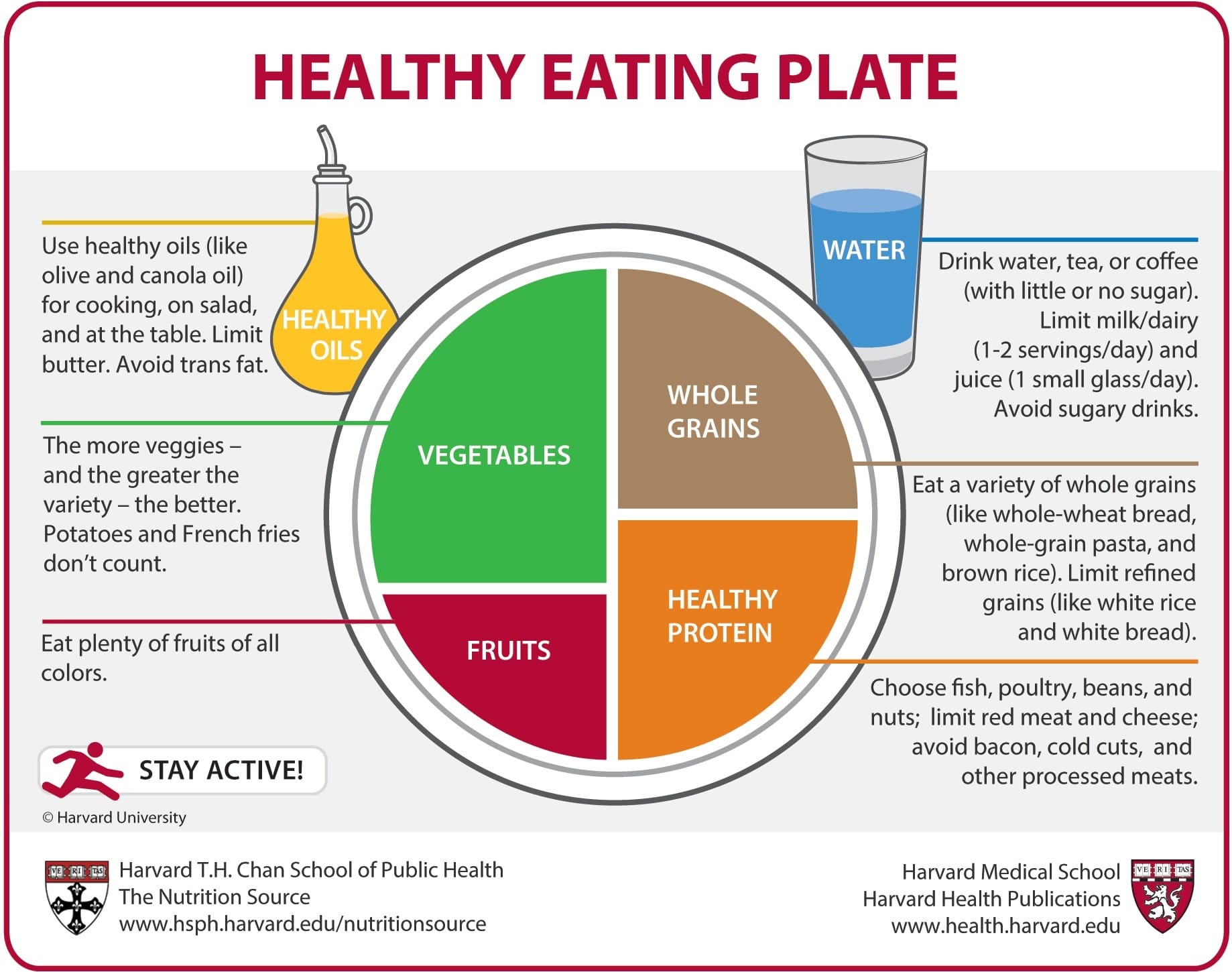
A balanced plate typically consists of a variety of foods from different food groups. To create a balanced plate, you can follow the MyPlate guidelines, which recommend filling half your plate with fruits and vegetables, one-quarter with lean protein, and one-quarter with whole grains.
How can you apply this to your plate?
Visualizing your plate divided into these sections can help you create a balanced meal. This approach ensures you’re getting a good mix of nutrients and prevents you from overeating any particular food group.
Protein
Protein is an essential nutrient that is crucial for building and repairing tissues, supporting immune function, and maintaining muscle mass. Including a good source of protein in each meal can help you feel full and satisfied.
Best sources of protein
Some excellent sources of protein include lean meats, poultry, fish, eggs, dairy products, legumes, nuts, and seeds. Aim to include a protein source in each meal to support your body’s needs.
Carbohydrates
Carbohydrates are the body’s primary source of energy and provide essential nutrients for brain function. Choosing the right type of carbohydrates can help you maintain stable energy levels throughout the day.
Complex vs. Simple Carbohydrates
Opt for complex carbohydrates such as whole grains, fruits, and vegetables, which provide fiber and essential nutrients. Avoid simple carbohydrates like sugary snacks and beverages, as they can cause energy spikes and crashes.

Fruits and Vegetables
Fruits and vegetables are rich in essential vitamins, minerals, antioxidants, and fiber that are vital for overall health. Including a variety of colors in your meals can ensure you’re getting a wide range of nutrients.
Eating the rainbow
Try to include fruits and vegetables of different colors in each meal. Each color represents a unique set of nutrients that can benefit your health in various ways. For example, red fruits like tomatoes contain lycopene, which is beneficial for heart health.
Whole Grains
Whole grains are an excellent source of fiber, vitamins, minerals, and antioxidants. They can help regulate blood sugar levels, promote digestive health, and reduce the risk of chronic diseases such as heart disease and diabetes.
Whole vs. Refined grains
Choose whole grains like brown rice, quinoa, oats, and whole wheat bread over refined grains like white rice and white bread. Whole grains are less processed and retain more nutrients, making them a healthier choice.
Healthy Fats
Healthy fats are essential for brain function, hormone production, and nutrient absorption. Including sources of healthy fats in your diet can help reduce inflammation, improve cholesterol levels, and support heart health.
Sources of healthy fats
Incorporate foods like avocados, nuts, seeds, olive oil, and fatty fish like salmon into your meals to ensure you’re getting an adequate intake of healthy fats. Be mindful of portion sizes, as fats are calorie-dense.
Tips for Creating a Balanced Plate
Now that you understand the components of a balanced plate, here are some tips to help you create well-balanced meals:
Keep portions in check
Be mindful of portion sizes to avoid overeating any particular food group. Use measuring cups, spoons, or your hand as a guide to portion out foods like protein, grains, and fats.
Listen to your body
Pay attention to your hunger and fullness cues to guide your food choices. Eat when you’re hungry and stop when you’re satisfied to avoid overeating or undereating.
Plan ahead
Planning your meals in advance can help you make healthier choices and ensure your plate is well-balanced. Prepare meals and snacks ahead of time to avoid reaching for less nutritious options when you’re hungry.
Stay hydrated
Drink plenty of water throughout the day to stay hydrated and support digestion. Dehydration can often be mistaken for hunger, leading to unnecessary snacking.
Be flexible
Remember that balance is key, and it’s okay to indulge in less healthy choices from time to time. Strive for consistency rather than perfection in your eating habits.

Putting It All Together
Creating a balanced plate at each meal doesn’t have to be complicated. By including a mix of macronutrients and a variety of food groups, you can ensure you’re providing your body with the nutrients it needs to thrive.
Next time you sit down to eat, visualize your plate filled with colorful fruits and vegetables, lean protein, whole grains, and healthy fats. Aim for a balance of flavors, textures, and nutrients to make your meals both nutritious and satisfying.
Remember, small changes can lead to big results when it comes to your health and well-being. By making conscious choices to balance your plate, you can fuel your body, support your goals, and enjoy delicious, nourishing meals every day. Cheers to a healthier you!