
Welcome to our article on key tips for addressing and managing chronic fatigue in men. In this article, we will provide you with practical advice on how to effectively tackle this common issue that many men face. From lifestyle changes to medical options, we will cover a range of strategies to help you combat chronic fatigue and improve your overall well-being. Let’s dive in and discover the solutions that can help you feel more energized and revitalized every day. Hey there! Are you a man struggling with chronic fatigue? This article is for you. Let’s dive into key tips for addressing and managing chronic fatigue in men.
Understanding Chronic Fatigue
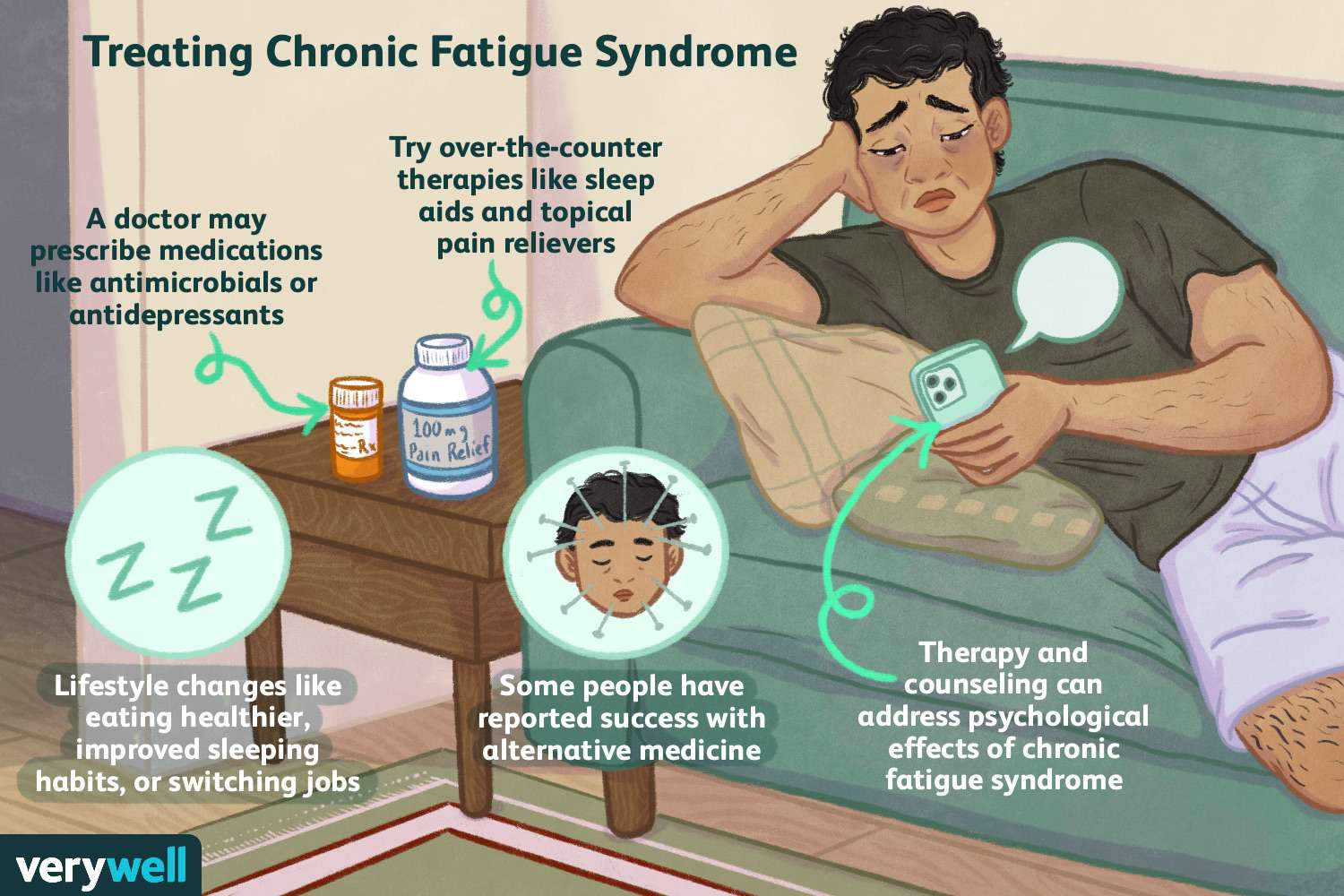
Chronic fatigue is a complex condition that can significantly impact your daily life. It goes beyond feeling tired after a long day at work; it’s a persistent feeling of exhaustion that doesn’t improve with rest. In men, chronic fatigue can be caused by a variety of factors, including stress, poor sleep, and underlying health conditions.
Symptoms of Chronic Fatigue in Men
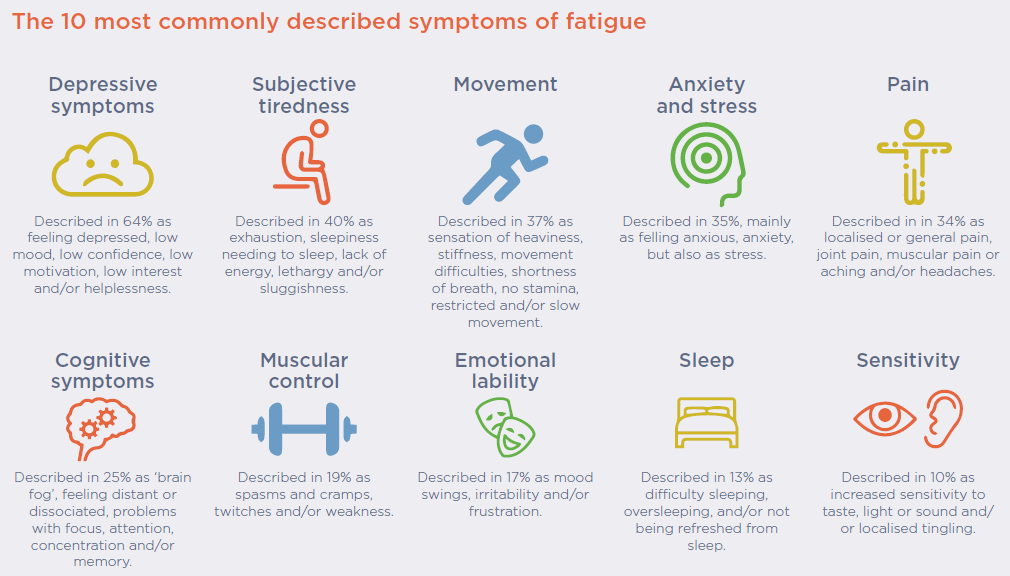
When it comes to chronic fatigue, it’s essential to recognize the symptoms early on. Some common signs to look out for include:
- Persistent fatigue that lasts for at least six months
- Trouble concentrating
- Muscle and joint pain
- Headaches
- Sore throat
- Unrefreshing sleep
If you’re experiencing these symptoms, it’s crucial to consult with a healthcare professional to rule out any underlying medical conditions.
Lifestyle Changes for Managing Chronic Fatigue
Making small lifestyle changes can have a significant impact on managing chronic fatigue. Here are some key tips to consider:
Establishing a Consistent Sleep Routine
Getting quality sleep is vital for managing chronic fatigue. Aim for 7-9 hours of sleep each night and create a bedtime routine to help you unwind and relax before bed. Avoid electronics and caffeine close to bedtime to improve sleep quality.
Eating a Balanced Diet
Nutrition plays a crucial role in managing chronic fatigue. Focus on eating a balanced diet rich in fruits, vegetables, whole grains, and lean proteins. Avoid sugary and processed foods, as they can lead to energy crashes.
Regular Exercise
Regular physical activity is essential for managing chronic fatigue. Aim for at least 150 minutes of moderate exercise each week, such as walking, cycling, or swimming. Exercise can help improve your energy levels and mood.
Stress Management Techniques
Chronic stress can exacerbate fatigue symptoms. Explore stress management techniques such as meditation, deep breathing exercises, yoga, or journaling to help you relax and unwind.
Supplements for Managing Chronic Fatigue
In some cases, supplements can help support your energy levels and overall well-being. Here are a few supplements to consider:
Vitamin D
Low levels of vitamin D have been linked to chronic fatigue. Consider taking a vitamin D supplement or spending time outdoors to ensure you’re getting enough of this essential nutrient.
Magnesium
Magnesium deficiency can also contribute to fatigue. Incorporating a magnesium supplement or magnesium-rich foods like almonds, spinach, and avocados into your diet can help boost your energy levels.
Omega-3 Fatty Acids
Omega-3 fatty acids have anti-inflammatory properties and can help improve cognitive function and mood. Consider adding a fish oil supplement to your daily routine to support overall wellness.
Seeking Professional Help
If you’re struggling to manage chronic fatigue on your own, don’t hesitate to seek professional help. A healthcare provider can help you identify the underlying causes of your fatigue and develop a personalized treatment plan.
Therapy
Therapy can be beneficial for managing chronic fatigue, especially if it’s related to stress, anxiety, or depression. Cognitive-behavioral therapy (CBT) and counseling can help you learn coping strategies and address any underlying emotional issues.
Medication
In some cases, medication may be necessary to manage chronic fatigue. Your healthcare provider may prescribe medications to help improve your energy levels, mood, or sleep quality. It’s essential to follow your provider’s recommendations and attend regular follow-up appointments.
Tracking Your Symptoms
Keeping track of your symptoms can help you identify patterns and triggers related to your chronic fatigue. Consider using a symptom tracker or journal to log your energy levels, sleep patterns, dietary intake, and activity levels. This information can be valuable when working with your healthcare provider to develop a personalized treatment plan.
Symptom Tracker
Use a simple chart or app to track your symptoms daily. Note any changes in your energy levels, sleep quality, mood, and overall well-being. This information can help you and your healthcare provider identify trends and make adjustments to your treatment plan.
Journaling
Take time each day to journal about your feelings, experiences, and any challenges you’re facing. Writing can be a therapeutic way to process your emotions and gain insight into your chronic fatigue symptoms.
Building a Support System
Managing chronic fatigue can be challenging, but you don’t have to do it alone. Building a strong support system can help you navigate the ups and downs of living with chronic fatigue.
Friends and Family
Reach out to friends and family members for emotional support and understanding. Let them know how they can help you, whether it’s by listening, offering encouragement, or assisting with daily tasks.
Support Groups
Joining a support group for individuals with chronic fatigue can provide you with a sense of community and connection. You can share your experiences, learn from others, and receive encouragement from individuals who understand what you’re going through.

Conclusion
Managing chronic fatigue as a man may require a multi-faceted approach that involves lifestyle changes, supplements, professional help, and building a support system. By taking small steps each day to prioritize your health and well-being, you can improve your energy levels, mood, and overall quality of life. Remember that managing chronic fatigue is a journey, and it’s essential to be patient and kind to yourself along the way. Stay committed to your treatment plan and reach out for support when you need it. You deserve to live a fulfilling and energized life.