
In this article, we will explore the best ways to monitor and manage oxygen levels for lung diseases. Maintaining proper oxygen levels is crucial for overall health and well-being, especially for those with lung conditions. By understanding how to accurately monitor oxygen levels and implementing effective management strategies, you can take control of your health and improve your quality of life. From using pulse oximeters to practicing breathing techniques, we will discuss various methods to help you stay on top of your oxygen levels and better manage your lung disease. Stay tuned for valuable tips and advice on how to optimize your respiratory health. Have you or a loved one recently been diagnosed with a lung disease that requires careful monitoring of oxygen levels? It can be overwhelming to navigate the best ways to monitor and manage oxygen levels, but fear not – we are here to help! In this article, we will explore the best methods and tips for monitoring and managing oxygen levels for lung diseases. Let’s dive in!
Understanding Oxygen Levels and Lung Diseases
Before we dive into the best ways to monitor and manage oxygen levels for lung diseases, it’s important to have a basic understanding of how oxygen levels are measured and what they mean for those with lung diseases.
Oxygen levels are typically measured using a device called a pulse oximeter, which clips onto your finger and measures the amount of oxygen in your blood. Normal oxygen levels are considered to be 95-100%, but individuals with lung diseases may have lower oxygen levels due to impaired lung function. This can lead to symptoms such as shortness of breath, fatigue, and confusion.
What Do Low Oxygen Levels Mean for Lung Diseases?
Low oxygen levels, also known as hypoxemia, can be dangerous for individuals with lung diseases as it can lead to further complications and worsen symptoms. It is crucial to monitor oxygen levels regularly to ensure that they stay within a safe range to prevent serious health issues.
Best Ways to Monitor Oxygen Levels
Now that you understand the importance of monitoring oxygen levels for lung diseases, let’s explore the best ways to do so effectively. Here are some tips and methods for monitoring oxygen levels at home:
1. Use a Pulse Oximeter
Invest in a reliable pulse oximeter that you can use at home to monitor your oxygen levels regularly. These devices are easy to use and provide accurate readings within seconds. Make a habit of checking your oxygen levels at the same time each day to track any changes.
2. Keep a Symptom Diary
In addition to using a pulse oximeter, keep a symptom diary to track any changes or symptoms you may experience. Note down any shortness of breath, fatigue, or confusion, as these can be signs of low oxygen levels. This will help you and your healthcare provider to monitor your condition more effectively.

Managing Oxygen Levels for Lung Diseases
In addition to monitoring oxygen levels, managing them effectively is equally important for individuals with lung diseases. Here are some tips and methods for managing oxygen levels and improving lung function:
1. Practice Deep Breathing Exercises
Deep breathing exercises can help improve lung function and increase oxygen levels in the blood. Try practicing deep breathing exercises regularly to strengthen your lungs and reduce shortness of breath.
2. Stay Active
Regular physical activity can help improve lung function and overall health. Engage in activities such as walking, cycling, or swimming to keep your lungs healthy and oxygen levels stable. Consult with your healthcare provider before starting any new exercise routine.
3. Use Oxygen Therapy
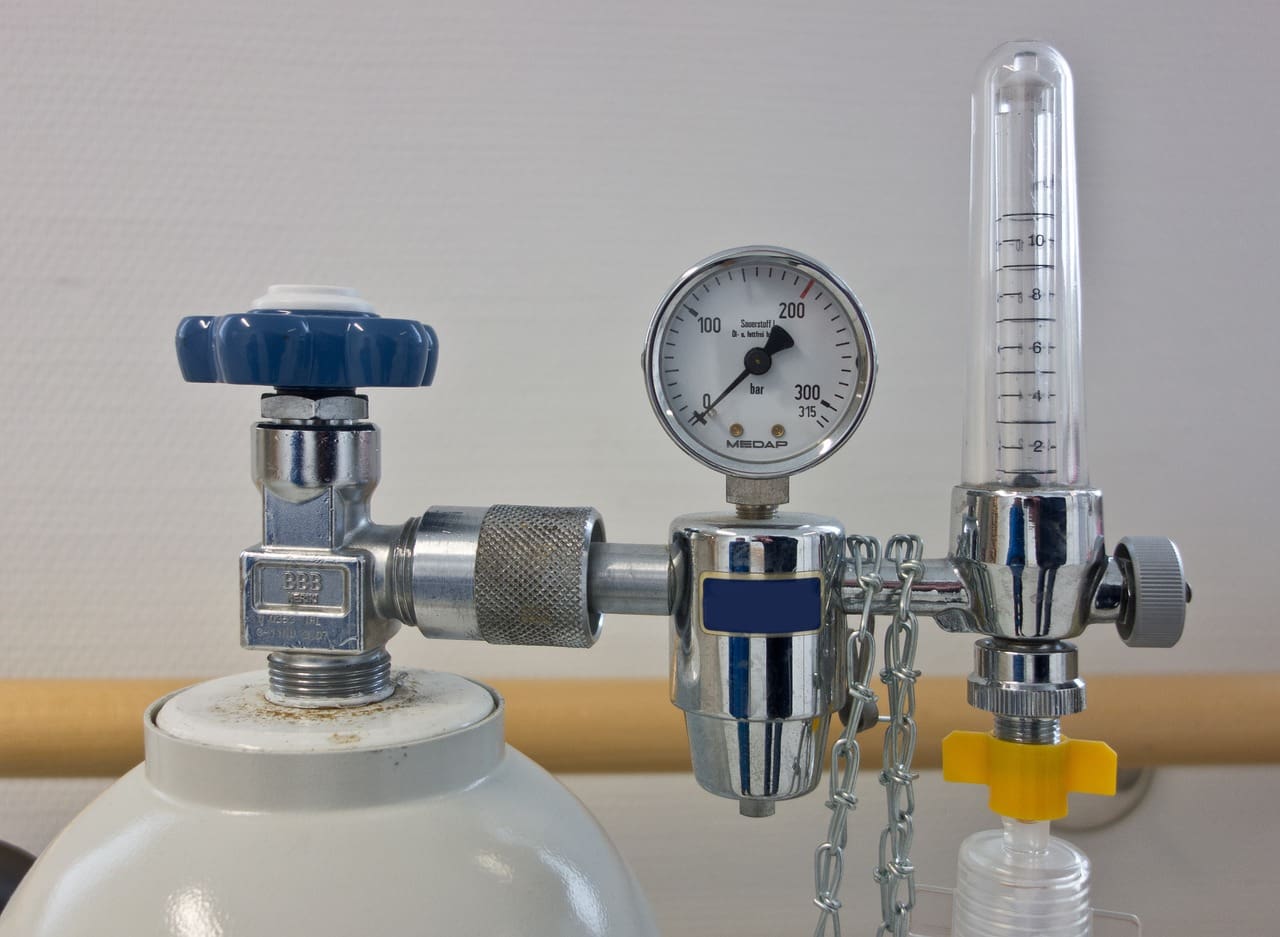
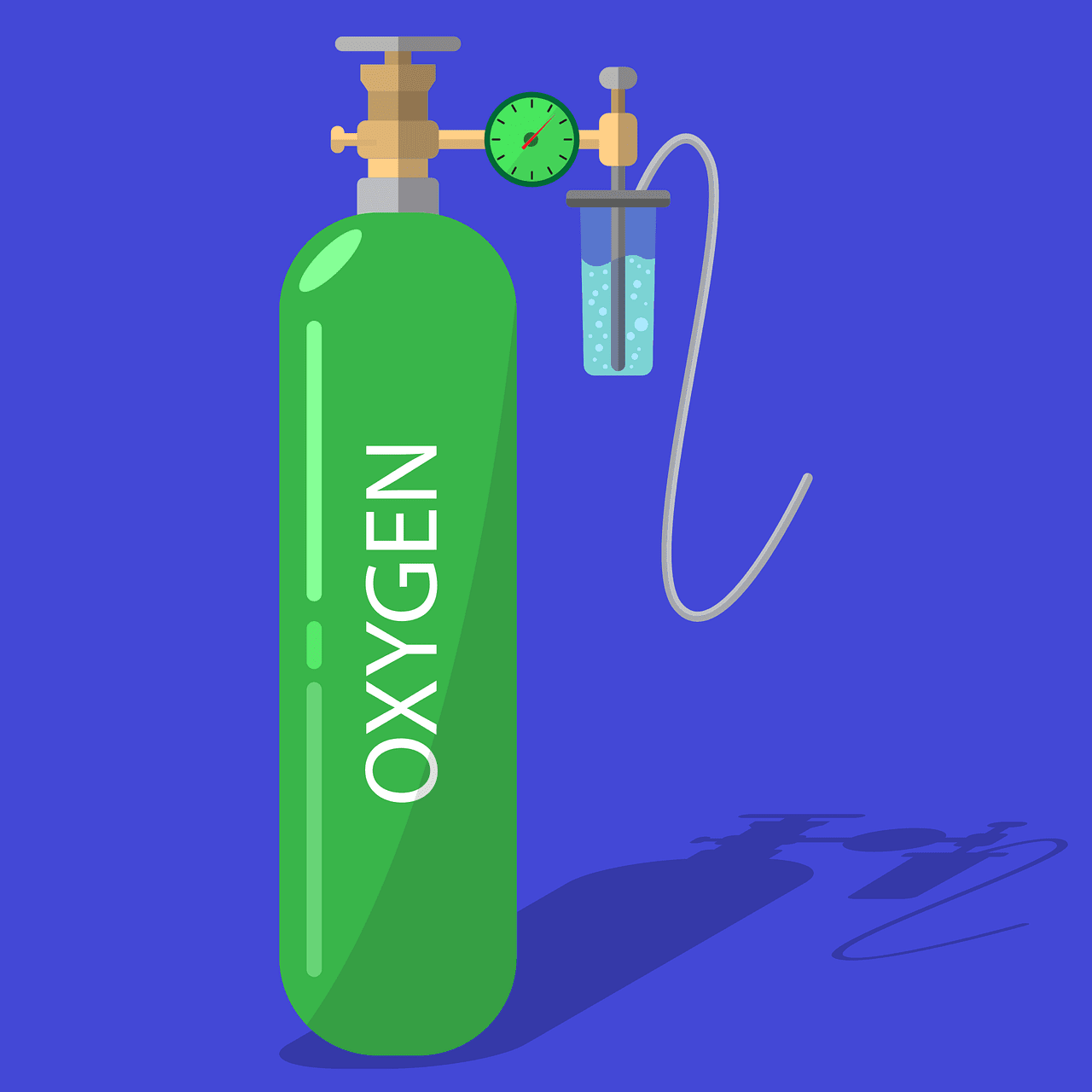
In some cases, your healthcare provider may recommend oxygen therapy to help manage low oxygen levels. Oxygen therapy can be administered through a nasal cannula or face mask to supplement your oxygen levels and improve symptoms. Follow your healthcare provider’s instructions carefully when using oxygen therapy.
4. Maintain a Healthy Diet
Eating a balanced diet rich in nutrients can help improve lung function and overall health. Include foods such as fruits, vegetables, whole grains, and lean proteins in your diet to support lung health and oxygen levels.
Tips for Better Lung Health
In addition to monitoring and managing oxygen levels, there are several tips for better lung health that can help individuals with lung diseases live a healthier and more active life. Here are some tips to improve lung health:
1. Quit Smoking
If you smoke, quitting is one of the best things you can do for your lung health. Smoking damages the lungs and can worsen symptoms of lung diseases. Seek support from healthcare professionals or support groups to help you quit smoking.
2. Avoid Environmental Pollutants
Exposure to environmental pollutants such as air pollution, dust, and chemicals can aggravate lung diseases and worsen symptoms. Avoid areas with poor air quality and wear a mask if necessary to protect your lungs from pollutants.
3. Stay Hydrated
Drinking an adequate amount of water is essential for maintaining lung health and keeping mucus in the lungs thin and easy to clear. Stay hydrated throughout the day by drinking water and other fluids to support lung function.
Conclusion
Monitoring and managing oxygen levels for lung diseases is crucial for maintaining good health and quality of life. By using a pulse oximeter, practicing deep breathing exercises, staying active, and following your healthcare provider’s recommendations, you can effectively monitor and manage your oxygen levels at home. Remember to seek guidance from healthcare professionals for personalized advice and treatment plans tailored to your specific needs. Stay proactive in taking care of your lung health, and remember that you are not alone in this journey. You’ve got this!