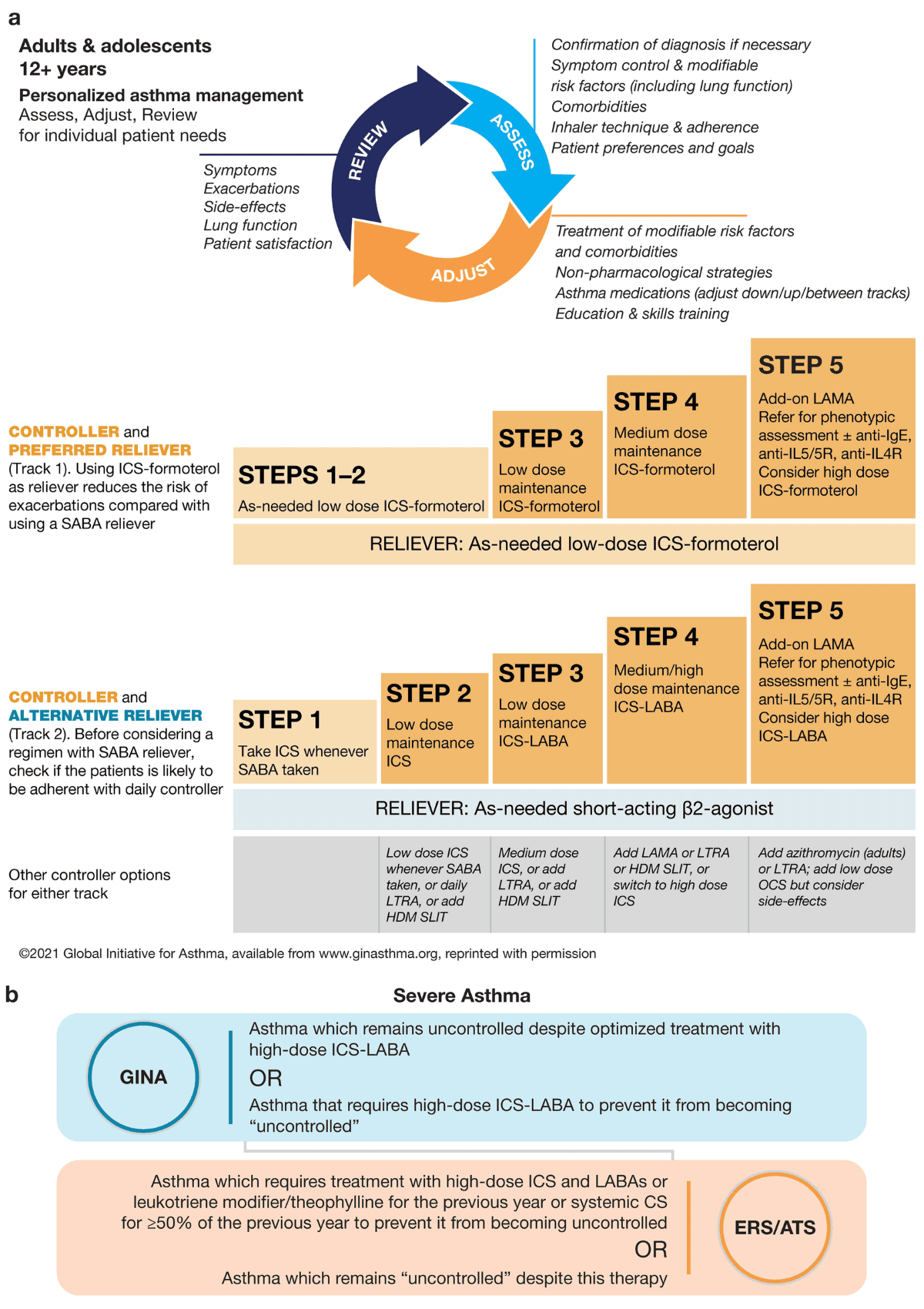
Welcome to an informative article on the most popular treatments for managing asthma. Living with asthma can be challenging, but with the right treatment plan, you can effectively control your symptoms and improve your quality of life. From inhalers to oral medications, there are several options available to help you manage your asthma effectively. By understanding the various treatments and working closely with your healthcare provider, you can find the best approach for managing your asthma and enjoying a healthy, active lifestyle. Have you been struggling with managing your asthma symptoms?

Understanding Asthma
Asthma is a chronic respiratory condition that affects millions of people worldwide. It causes inflammation and constriction of the airways, making it difficult to breathe. Understanding what triggers your asthma symptoms is crucial in effectively managing the condition.
Common Asthma Triggers
Some common asthma triggers include allergens such as pollen, dust mites, pet dander, and mold. Other triggers can include respiratory infections, air pollution, smoke, strong odors, and certain medications. Identifying and avoiding these triggers can help you better manage your asthma symptoms.
Importance of Treatment
Managing asthma is essential to improve your quality of life and reduce the risk of asthma attacks. By following an asthma treatment plan prescribed by your healthcare provider, you can control your symptoms and prevent asthma exacerbations.
Taking Medications
There are several types of medications used to manage asthma, including:
- Inhaled Corticosteroids: These medications reduce inflammation in the airways and prevent asthma symptoms.
- Bronchodilators: These medications relax the muscles around the airways, making it easier to breathe.
- Combination Inhalers: These inhalers contain both corticosteroids and bronchodilators for better asthma control.
- Leukotriene Modifiers: These medications reduce inflammation in the airways and can help prevent asthma symptoms triggered by allergens.
Long-Term Control Medications
Long-term control medications are used to manage asthma symptoms on a daily basis and reduce inflammation in the airways. These medications are taken regularly, even when you’re feeling well, to prevent asthma exacerbations. It’s essential to take these medications as prescribed by your healthcare provider for optimal asthma management.
Inhaled Corticosteroids
Inhaled corticosteroids are the most commonly prescribed long-term control medication for asthma. They are taken daily to reduce inflammation in the airways and prevent asthma symptoms. It’s important to rinse your mouth after using inhaled corticosteroids to reduce the risk of oral thrush.
Combination Inhalers
Combination inhalers contain both a corticosteroid and a long-acting bronchodilator to provide better asthma control. These medications are used daily to manage asthma symptoms and prevent exacerbations. Make sure to follow the instructions on how to use your inhaler correctly for optimal effectiveness.
Leukotriene Modifiers
Leukotriene modifiers are another type of long-term control medication used to manage asthma symptoms. These medications work by blocking the actions of leukotrienes, which are substances in the body that cause inflammation in the airways. It’s important to take these medications regularly to prevent asthma exacerbations.

Quick-Relief Medications
Quick-relief medications, also known as rescue inhalers, are used to provide immediate relief of asthma symptoms during an asthma attack. These medications work quickly to relax the muscles around the airways, making it easier to breathe. It’s essential to have your rescue inhaler with you at all times in case of an asthma emergency.
Bronchodilators
Bronchodilators are quick-relief medications used to provide immediate relief of asthma symptoms, such as shortness of breath, wheezing, and chest tightness. These medications work by relaxing the muscles around the airways, making it easier to breathe. It’s important to use your bronchodilator as directed by your healthcare provider during an asthma attack.
Oral Corticosteroids
In some cases of severe asthma exacerbations, oral corticosteroids may be prescribed to reduce inflammation in the airways. These medications are typically taken for a short period to manage severe asthma symptoms. It’s important to follow your healthcare provider’s instructions on how to take oral corticosteroids and monitor for any side effects.
Lifestyle Changes
In addition to medications, making lifestyle changes can help you better manage your asthma symptoms and improve your overall health. Here are some tips to help you manage your asthma effectively:
Avoiding Asthma Triggers
Identifying and avoiding asthma triggers can help reduce the frequency and severity of asthma symptoms. Common triggers include allergens, smoke, pollution, and respiratory infections. Make sure to create an asthma action plan with your healthcare provider to help you manage your triggers effectively.
Maintaining a Healthy Weight
Being overweight or obese can worsen asthma symptoms and make it harder to control the condition. Maintaining a healthy weight through a balanced diet and regular exercise can improve your asthma management and overall health. Make sure to consult with your healthcare provider before starting any weight loss program.
Exercising Safely
Regular exercise is essential for overall health, but it’s important to exercise safely if you have asthma. Choose asthma-friendly activities such as swimming, walking, or cycling, and make sure to warm up and cool down before and after exercise. Always have your rescue inhaler with you during physical activity in case of an asthma emergency.
Managing Stress
Stress can trigger asthma symptoms and make it harder to control the condition. Finding healthy ways to manage stress, such as relaxation techniques, mindfulness, or yoga, can help improve your asthma management. Make sure to prioritize self-care and seek support from loved ones during stressful times.

Alternative Therapies
In addition to conventional asthma treatments, some alternative therapies may help manage asthma symptoms and improve overall well-being. While these therapies may not replace prescribed medications, they can be used in conjunction with traditional asthma treatments.
Acupuncture
Acupuncture is a traditional Chinese medicine technique that involves inserting thin needles into specific points on the body to promote healing and alleviate symptoms. Some studies suggest that acupuncture may help reduce asthma symptoms and improve lung function in some individuals. Make sure to consult with a licensed acupuncturist before trying this therapy.
Breathing Exercises
Breathing exercises, such as diaphragmatic breathing and pursed lip breathing, can help improve lung function and reduce asthma symptoms. These techniques focus on controlled breathing patterns to help relax the airways and promote better airflow. Make sure to practice breathing exercises regularly to reap their benefits.
Herbal Remedies
Some herbal remedies, such as ginger, turmeric, and licorice root, have been used for centuries to manage respiratory conditions, including asthma. While these remedies may provide some relief for asthma symptoms, it’s important to consult with your healthcare provider before using any herbal supplements to prevent potential interactions with prescribed medications.
Conclusion
Managing asthma requires a comprehensive approach that includes medications, lifestyle changes, and alternative therapies. By working closely with your healthcare provider and creating a personalized asthma management plan, you can control your symptoms effectively and improve your quality of life. Remember to take your medications as prescribed, avoid asthma triggers, and prioritize self-care to manage your asthma successfully.