Welcome to a brief overview of key habits for preventing back pain. By incorporating simple practices into your daily routine, you can take proactive steps to protect your back and maintain good spinal health. From proper posture and regular exercise to lifting techniques and ergonomic work environments, these habits can make a significant difference in reducing the risk of back pain. By implementing these habits consistently, you can prioritize your back health and enjoy a more comfortable and pain-free life. Have you ever experienced back pain that made it difficult to perform daily tasks and affected your quality of life? If so, you’re not alone. Back pain is a common issue that many people face, but the good news is that there are key habits you can adopt to prevent it from occurring in the first place. In this article, we will discuss the essential habits you can incorporate into your daily routine to keep your back healthy and pain-free.
Importance of Maintaining Good Posture
Maintaining good posture is crucial for preventing back pain. When you slouch or hunch over, you put unnecessary strain on your back muscles and spine, which can lead to discomfort and pain. By practicing good posture, you can alleviate stress on your back and reduce the risk of developing chronic pain.
Tips for Improving Your Posture
- Sit up straight: Make a conscious effort to sit up straight with your shoulders back and your chest out. Avoid slouching or leaning forward while sitting.
- Use ergonomic furniture: Invest in an ergonomic chair and desk setup that supports your back and promotes good posture.
- Take breaks: If you have a sedentary job, make sure to take regular breaks to stand up, stretch, and walk around to prevent stiffness in your back.
- Exercise: Strengthen your core muscles through exercises like planks, bridges, and yoga poses to improve your posture and support your spine.
Remember, maintaining good posture is a habit that you need to practice consistently to see lasting results.
Importance of Regular Exercise
Regular exercise is essential for keeping your back strong and healthy. Physical activity helps to improve flexibility, strengthen muscles, and reduce inflammation, all of which contribute to preventing back pain. Incorporating regular exercise into your routine can help you maintain a healthy weight, improve your overall fitness, and reduce the risk of back injuries.
Types of Exercises for Back Pain Prevention
- Cardiovascular exercises: Activities like walking, swimming, or cycling help to increase blood flow to your back muscles and promote healing.
- Strength training: Focus on exercises that target your back, core, and leg muscles, such as deadlifts, rows, and squats, to improve your overall strength and stability.
- Flexibility exercises: Stretching exercises like yoga or Pilates can help to improve your flexibility and range of motion, reducing the risk of muscle strains and injuries.
By incorporating a variety of exercises into your routine, you can strengthen your back and support your spine, reducing the likelihood of experiencing back pain.

Importance of Maintaining a Healthy Weight
Maintaining a healthy weight is crucial for preventing back pain. Excess weight puts additional strain on your back muscles and spine, increasing the risk of developing chronic pain and discomfort. By achieving and maintaining a healthy weight, you can reduce the stress on your back and improve your overall health and well-being.
Tips for Weight Management
- Eat a balanced diet: Focus on consuming whole foods, lean proteins, fruits, vegetables, and complex carbohydrates to support your overall health and weight management goals.
- Stay hydrated: Drink plenty of water throughout the day to stay hydrated and support your body’s natural functions, including metabolism and digestion.
- Limit processed foods: Avoid processed foods high in sugar, salt, and unhealthy fats, as they can contribute to weight gain and inflammation in the body.
- Monitor portion sizes: Be mindful of your portion sizes and practice portion control to prevent overeating and maintain a healthy weight.
By making mindful food choices, staying hydrated, and staying active, you can achieve and maintain a healthy weight to support your back health.
Importance of Lifting Techniques
Proper lifting techniques are essential for preventing back injuries and pain. Whether you’re lifting heavy objects at work or picking up groceries at home, using the correct technique can prevent strain on your back muscles and reduce the risk of injury. By incorporating safe lifting habits into your daily routine, you can protect your back and maintain a strong, pain-free spine.
Tips for Safe Lifting
- Bend your knees: When lifting objects from the ground, bend your knees and keep your back straight to engage your leg muscles and protect your back.
- Hold objects close to your body: Keep objects close to your body while lifting to reduce the strain on your back and distribute the weight evenly.
- Avoid twisting: Use your feet to pivot and turn your entire body when changing directions instead of twisting at the waist to prevent strain on your back.
- Ask for help: If an object is too heavy or awkward to lift on your own, ask for assistance from a friend, family member, or coworker to avoid injury.
By practicing safe lifting techniques and being mindful of your movements, you can prevent back injuries and pain caused by improper lifting.
Importance of Stress Management
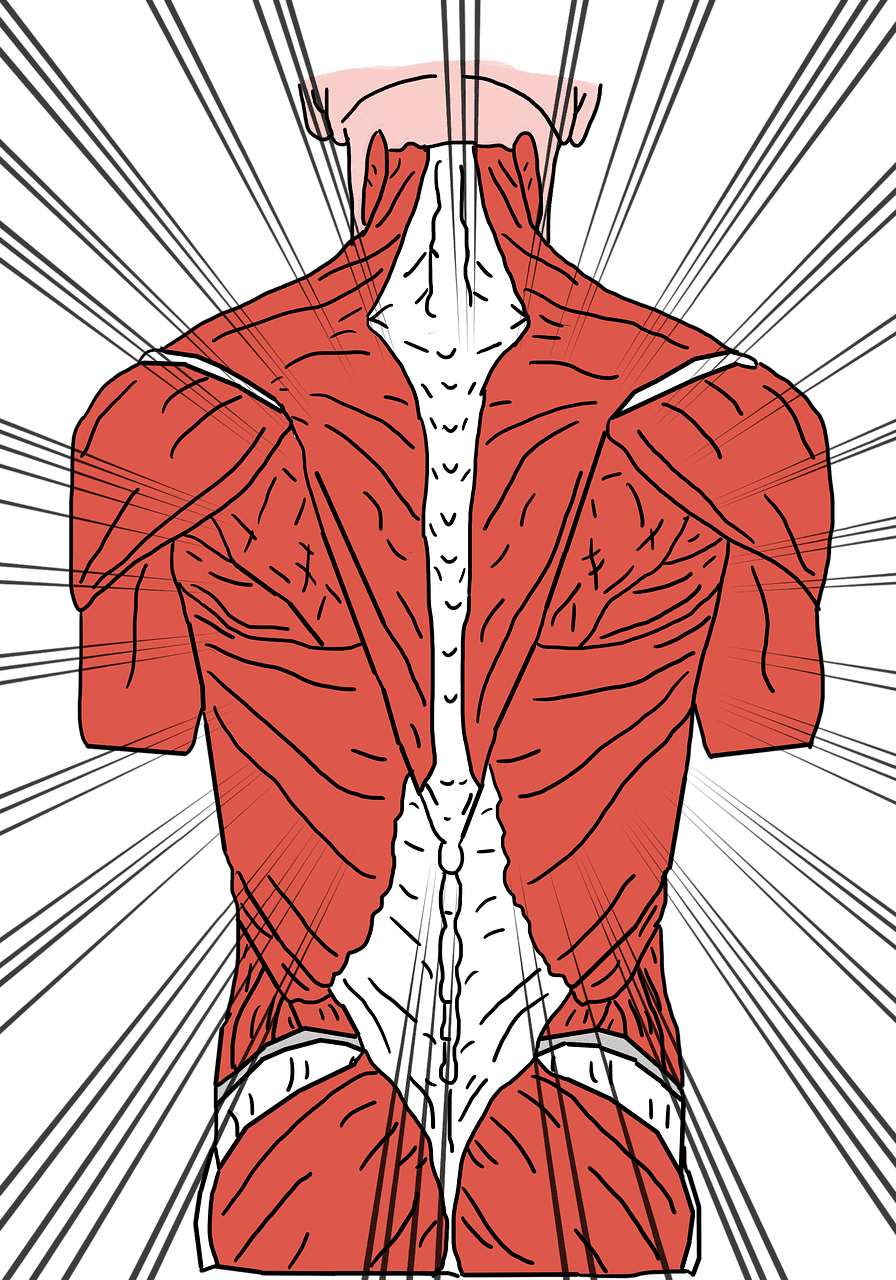
Stress can contribute to muscle tension and inflammation, which can lead to back pain and discomfort. By managing your stress levels effectively, you can reduce the physical impact of stress on your body and prevent tension in your back muscles. Incorporating stress management techniques into your daily routine can help you relax, unwind, and protect your back from the negative effects of stress.
Tips for Stress Reduction
- Practice mindfulness: Engage in mindfulness activities like meditation, deep breathing, or progressive muscle relaxation to reduce stress and promote relaxation.
- Exercise regularly: Physical activity releases endorphins, which are natural mood boosters that can help reduce stress and improve your overall well-being.
- Get enough sleep: Aim for 7-9 hours of quality sleep each night to support your body’s recovery and repair processes, reducing the impact of stress on your back.
- Seek support: Talk to a therapist, counselor, or trusted friend about your stressors and concerns to gain perspective and develop healthy coping strategies.
By managing your stress levels effectively and incorporating stress-reducing activities into your routine, you can protect your back from the negative effects of stress and maintain your overall health and well-being.
Importance of Ergonomic Workspaces
Whether you work from home or in an office setting, creating an ergonomic workspace is essential for preventing back pain and promoting overall well-being. An ergonomic workspace supports your posture, reduces strain on your back muscles, and enhances productivity and comfort while you work. By optimizing your workspace for comfort and efficiency, you can protect your back and maintain a healthy spine.
Tips for Creating an Ergonomic Workspace
- Adjust your chair: Position your chair so that your feet are flat on the floor, your knees are at a 90-degree angle, and your lower back is supported by the chair’s lumbar support.
- Position your monitor: Place your monitor at eye level to prevent neck strain and ensure that you can read the screen without leaning forward or tilting your head.
- Use a standing desk: Consider using a standing desk to alternate between sitting and standing throughout the day to reduce the strain on your back and support your overall health.
- Take micro-breaks: Every hour, take a short break to stretch, walk around, and relax your muscles to prevent stiffness and promote circulation.
By optimizing your workspace for comfort and efficiency, you can prevent back pain and discomfort caused by poor posture and strain while working.
Incorporating these key habits into your daily routine can help you prevent back pain, protect your spine, and maintain a healthy and pain-free back. By practicing good posture, regular exercise, weight management, safe lifting techniques, stress management, and creating an ergonomic workspace, you can support your back health and well-being in the long term. Remember, consistency is key, so make these habits a part of your daily routine to enjoy a healthy, pain-free back for years to come.