
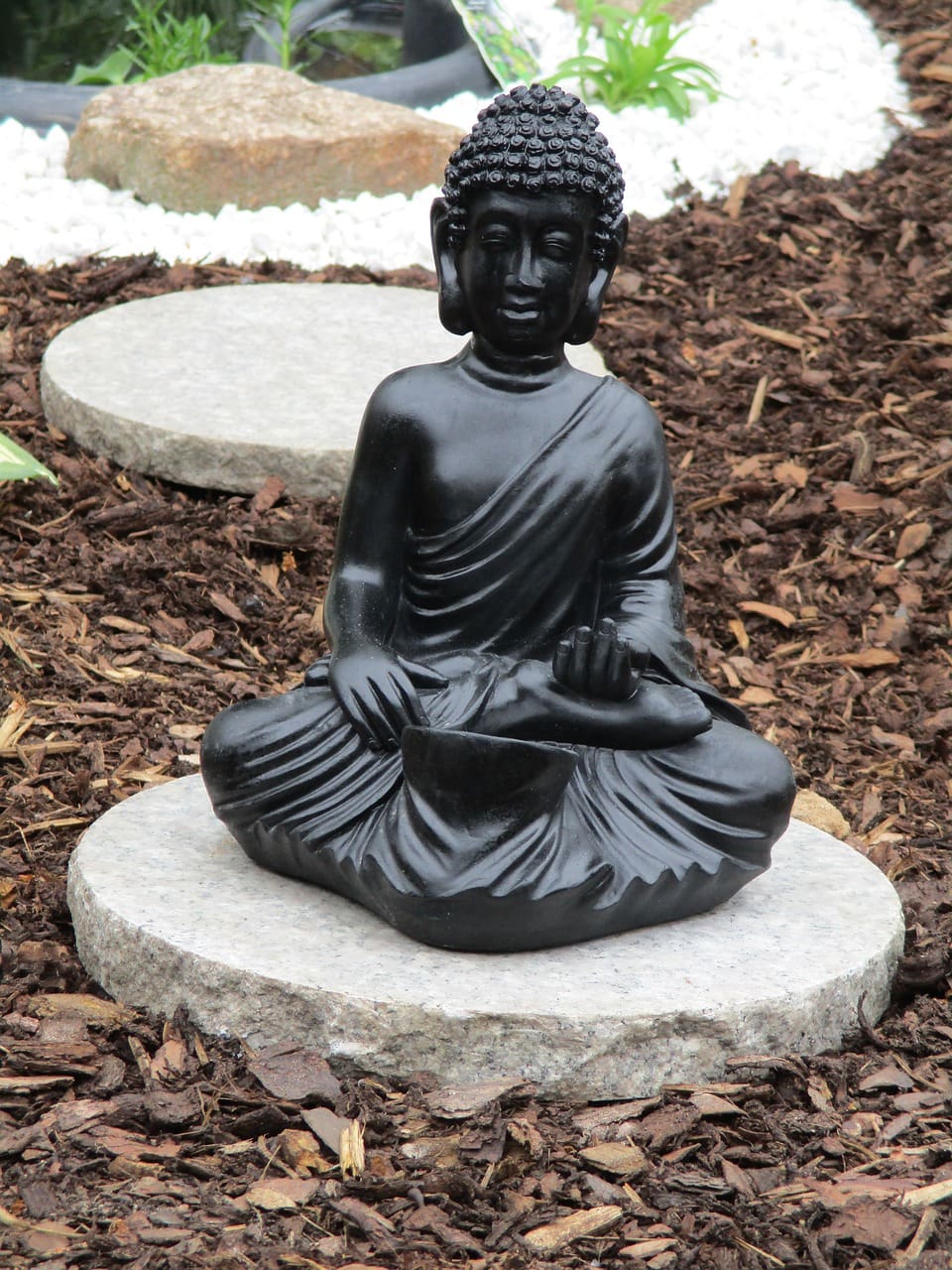
Are you feeling overwhelmed by stress and looking for a natural way to find peace and relaxation? Qigong, an ancient Chinese practice involving gentle movements, breath work, and meditation, has been gaining popularity as a powerful tool for stress relief. By incorporating simple and flowing movements with focused breathing techniques, Qigong can help you reduce tension, release negative emotions, and restore balance to your mind and body. Join us on a journey to explore the benefits of Qigong for managing stress and improving your overall well-being. Have you been feeling overwhelmed with stress lately? Maybe you’ve been searching for a natural way to relax and calm your mind. Have you considered trying Qigong? In this article, we will explore the use of Qigong for stress relief and how it can benefit your overall well-being. So sit back, relax, and let’s dive into the world of Qigong!

What is Qigong?
Qigong (pronounced chee-gong) is an ancient Chinese practice that combines gentle movements, controlled breathing, and meditation to promote the flow of energy throughout the body. The word “Qigong” is made up of two Chinese characters: “Qi” meaning energy or life force, and “Gong” meaning work or skill. Together, Qigong translates to the practice of cultivating energy.
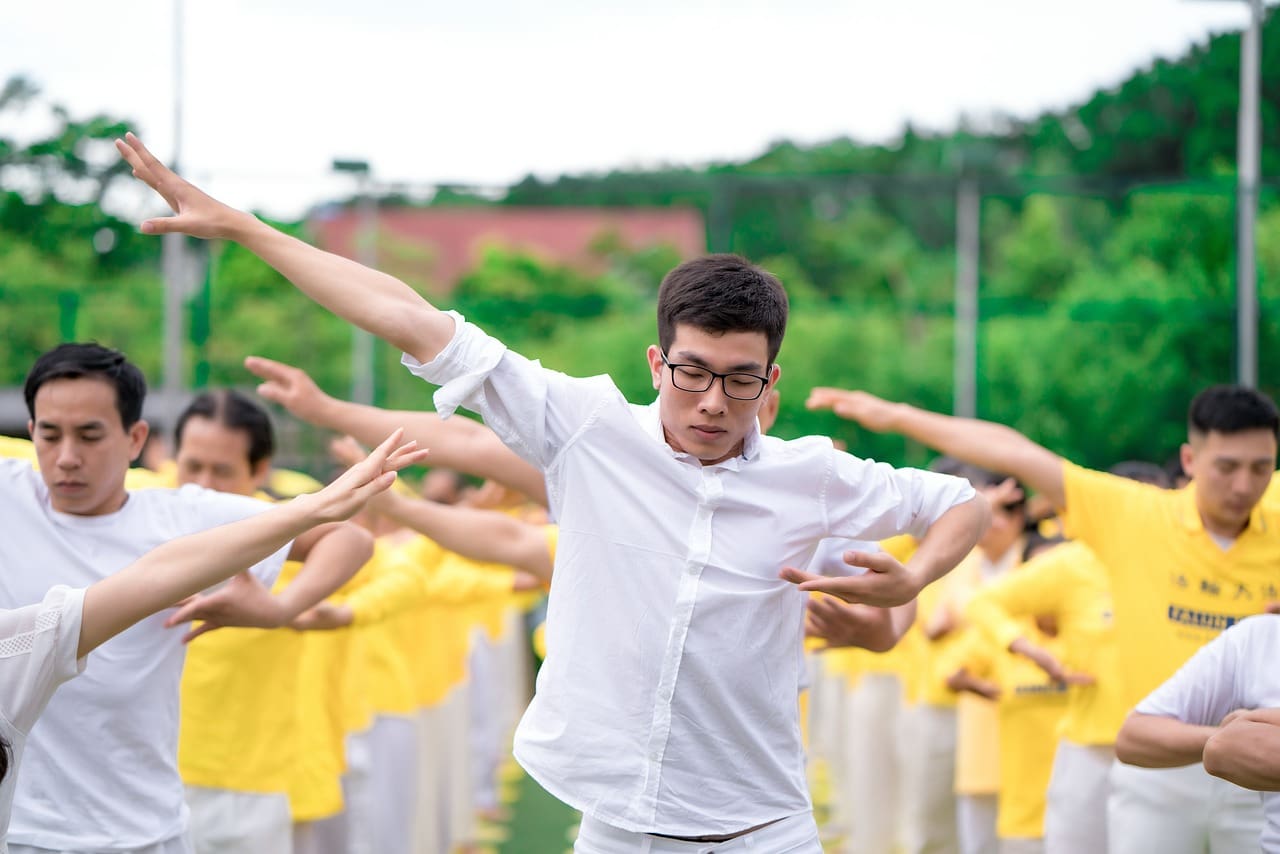
Qigong is often described as a moving meditation, as practitioners focus on connecting their mind, body, and breath during the practice. The slow, deliberate movements help to improve flexibility, balance, and strength, while also calming the mind and reducing stress.
Benefits of Qigong
Qigong offers a wide range of benefits for both physical and mental well-being. Some of the key benefits of practicing Qigong include:
- Stress relief and relaxation
- Improved flexibility and balance
- Increased energy and vitality
- Enhanced mental clarity and focus
- Boosted immune system function
- Better sleep quality
- Pain relief
- Emotional balance
By incorporating Qigong into your daily routine, you can experience these benefits and improve your overall quality of life.
How Does Qigong Help with Stress Relief?
Now that we’ve covered the basics of Qigong, let’s delve into how this ancient practice can help to relieve stress. Stress is a common issue that many of us face in our daily lives, whether it’s due to work, relationships, or other external factors. Chronic stress can have a negative impact on both our physical and mental health, leading to a range of symptoms such as anxiety, headaches, muscle tension, and fatigue.
Mind-Body Connection
One of the key ways that Qigong helps with stress relief is through its focus on the mind-body connection. When you practice Qigong, you are encouraged to pay attention to your breath, movements, and sensations in the body. This mindfulness helps to bring your awareness to the present moment, allowing you to let go of worries about the past or future.
By cultivating this mind-body connection, you can reduce feelings of stress and anxiety, as well as improve your ability to cope with challenging situations. Qigong teaches you to respond to stress in a calm and centered manner, rather than reacting impulsively or letting emotions overwhelm you.
Stress-Reducing Movements
The gentle, flowing movements of Qigong are designed to promote relaxation and release tension in the body. As you move through the different postures and sequences, you may notice a sense of ease and fluidity in your movements. This can help to alleviate physical tension and tightness, allowing you to feel more at ease in your body.
The slow, deliberate nature of Qigong movements also encourages you to slow down and take deep, mindful breaths. This deep breathing can trigger the body’s relaxation response, reducing the production of stress hormones and promoting a state of calmness and relaxation.
Balancing Energy
In Chinese medicine, it is believed that stress and illness are caused by imbalances in the flow of Qi (energy) in the body. Qigong aims to restore balance and harmonize the flow of Qi, allowing energy to move freely throughout the body. When your energy is flowing smoothly, you feel more grounded, centered, and at peace.
By practicing Qigong regularly, you can release stagnant energy, clear blockages, and replenish your energy reserves. This can help you to feel more resilient and adaptable to stressors, as well as maintain a sense of emotional stability and well-being.
How to Get Started with Qigong
Interested in trying out Qigong for stress relief? Here are some tips to help you get started on your Qigong journey.
Finding a Qualified Instructor
While there are many online resources and videos available for learning Qigong, it’s recommended to find a qualified instructor to guide you through the practice. A knowledgeable instructor can provide personalized instruction, correct your form, and offer guidance on how to deepen your practice.
Look for local Qigong classes or workshops in your area, or seek out virtual classes taught by experienced teachers. It’s important to find an instructor who resonates with you and makes you feel comfortable and supported in your practice.
Starting with the Basics
If you’re new to Qigong, start with the basics before diving into more advanced practices. Begin by learning a simple Qigong routine that focuses on the breath, movements, and mindfulness. Practice the routine regularly to build your confidence and familiarity with the practice.
As you become more comfortable with the basics, you can explore different styles and forms of Qigong, such as Tai Chi Qigong, Five Element Qigong, or Medical Qigong. Each style offers unique movements and benefits, so feel free to experiment and find what resonates with you.
Setting Aside Time for Practice
Consistency is key when it comes to reaping the benefits of Qigong. Set aside time each day to practice, even if it’s just for a few minutes. Find a quiet, peaceful space where you can move freely and focus on your practice without distractions.
Consider incorporating Qigong into your morning routine as a way to start the day with a sense of peace and centeredness. You can also practice Qigong in the evening to unwind and relax before bedtime. Listen to your body and intuition to determine when and how often to practice Qigong.
Listening to Your Body
As you practice Qigong, pay attention to how your body and mind are responding to the movements. Notice any areas of tension, tightness, or discomfort, and adjust your form or intensity as needed. Qigong is meant to be a gentle, non-competitive practice, so listen to your body’s cues and honor your limits.
If you have any pre-existing medical conditions or injuries, consult with your healthcare provider before starting Qigong to ensure that it is safe and appropriate for you. Your instructor can also provide modifications or alternatives to accommodate your individual needs.
Integrating Qigong into Your Daily Life
Once you have established a regular Qigong practice, you may be wondering how to integrate this ancient art into your daily life for maximum stress relief and well-being. Here are some tips for incorporating Qigong into your routine.
Morning Routine
Start your day with a short Qigong practice to set a positive tone for the day ahead. Focus on gentle movements, deep breathing, and mindfulness to awaken your body and mind. This morning ritual can help you feel more centered, grounded, and energized to face the challenges of the day.
Midday Break
Take a break from your busy schedule and practice a few minutes of Qigong to reset and recharge. Whether you’re at home, work, or outdoors, find a quiet space to move, breathe, and relax. Use this time to release tension, refocus your thoughts, and restore your energy for the rest of the day.
Evening Wind-Down
As the day comes to a close, wind down with a calming Qigong practice to release stress and tension before bedtime. Focus on slow, gentle movements, soothing breathwork, and relaxation techniques to prepare your body and mind for a restful night’s sleep. This evening routine can help you unwind, let go of the day’s worries, and promote deep relaxation.
Incorporating Qigong Breaks
Throughout the day, take short Qigong breaks to pause, breathe, and center yourself in the present moment. These mini-practice sessions can help you stay grounded, focused, and balanced amidst the chaos of daily life. Whether you’re feeling overwhelmed, anxious, or fatigued, a brief Qigong break can provide instant stress relief and clarity.
Conclusion
In conclusion, Qigong is a powerful and effective practice for stress relief that offers numerous physical, mental, and emotional benefits. By integrating Qigong into your daily routine, you can cultivate greater well-being, resilience, and inner peace. Whether you’re new to Qigong or a seasoned practitioner, there’s always room to explore, learn, and grow in this ancient art of energy cultivation.
So why not give Qigong a try and experience the transformative effects for yourself? Take the first step towards a more balanced, harmonious life with Qigong as your guide. Remember, the journey of a thousand miles begins with a single step – and Qigong can be that first step towards a calmer, healthier, and more harmonious you. Happy practicing!