
Welcome to an article all about how to adjust your lifestyle to manage chronic conditions. Living with a chronic condition can be challenging, but with the right mindset and strategies, you can make positive changes to improve your overall well-being. By incorporating healthy habits, creating a support system, and finding ways to reduce stress, you can take control of your health and live a more fulfilling life. Let’s explore some practical tips and advice to help you better manage your chronic condition and thrive.
How To Adjust Your Lifestyle To Manage Chronic Conditions
Have you recently been diagnosed with a chronic condition and are wondering how to adjust your lifestyle to manage it? Living with a chronic illness can be challenging, but with the right lifestyle changes, you can improve your overall well-being and effectively manage your condition. In this article, we will discuss various strategies and tips to help you adjust your lifestyle to cope with chronic conditions effectively.
Understanding Chronic Conditions
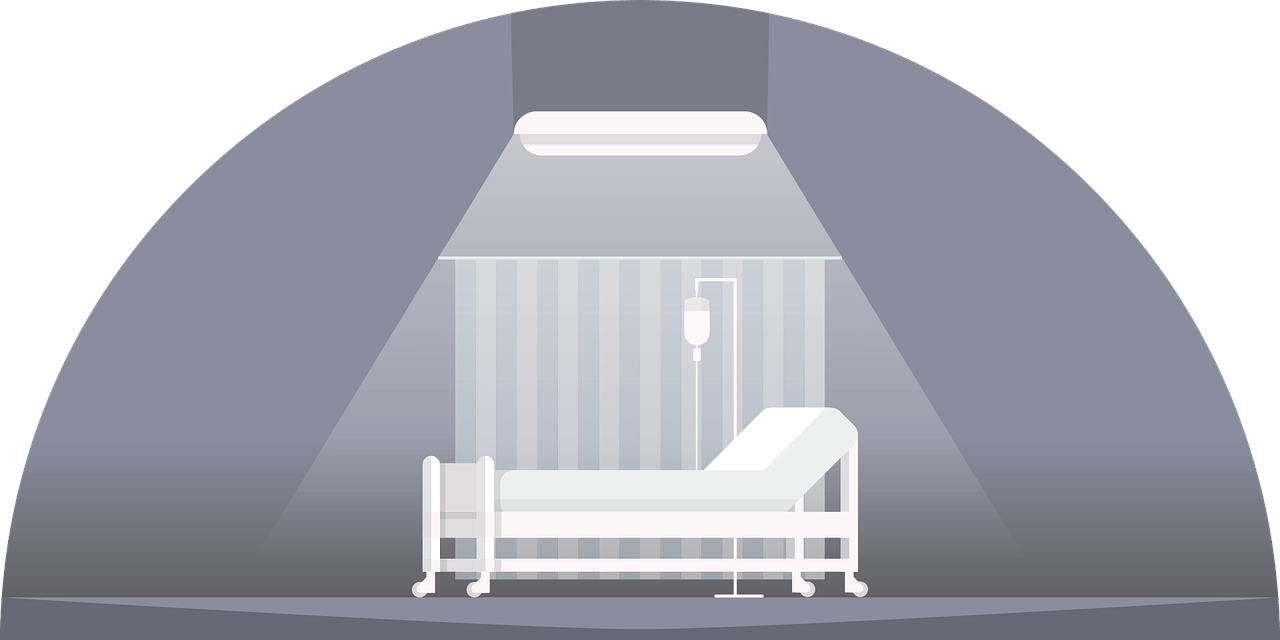
Before we dive into specific lifestyle adjustments, it’s important to have a clear understanding of what chronic conditions are. Chronic conditions are long-term health conditions that require ongoing management and care. These conditions can range from diabetes and heart disease to asthma and arthritis.
Understanding your specific chronic condition and how it affects your body is crucial in managing it effectively. Take the time to educate yourself about your condition, including symptoms, triggers, and treatment options. This knowledge will empower you to make informed decisions about managing your health.
Implementing Healthy Eating Habits
One of the most important lifestyle adjustments you can make to manage chronic conditions is adopting healthy eating habits. A well-balanced diet can improve your overall health, boost your immune system, and help you better manage your condition.
Focus on incorporating a variety of fruits, vegetables, whole grains, lean proteins, and healthy fats into your diet. Limit your intake of processed foods, sugary drinks, and high-fat foods. Consider working with a nutritionist or dietitian to create a personalized meal plan that meets your specific dietary needs.
Tips for Healthy Eating
When grocery shopping, choose fresh, whole foods over processed options. Practice portion control to avoid overeating and maintain a healthy weight. Stay hydrated by drinking plenty of water throughout the day.
Regular Exercise Routine
Regular physical activity is essential for managing chronic conditions. Exercise can improve your cardiovascular health, strengthen your muscles, and boost your mood. It can also help you maintain a healthy weight and reduce the risk of complications associated with chronic illnesses.
Find an exercise routine that works for you and fits your current fitness level. This could include walking, swimming, yoga, or strength training. Aim for at least 30 minutes of moderate-intensity exercise most days of the week. Start slowly and gradually increase the intensity and duration of your workouts.
Tips for Incorporating Exercise
Choose activities that you enjoy to make exercise more enjoyable and sustainable. Set realistic goals and track your progress to stay motivated. Listen to your body and modify your workout routine as needed to prevent injury.
Stress Management Techniques
Chronic conditions can often be exacerbated by stress, so learning how to manage stress effectively is crucial for maintaining your health. High levels of stress can weaken your immune system, increase inflammation, and worsen symptoms of chronic conditions.
Explore different stress management techniques to find what works best for you. This could include mindfulness meditation, deep breathing exercises, yoga, journaling, or spending time in nature. Make time for self-care activities that help you relax and unwind, such as reading a book, taking a bath, or listening to music.
Tips for Stress Management
Practice deep breathing exercises whenever you feel stressed or overwhelmed. Make time for regular relaxation activities to unwind and recharge. Consider seeking support from a therapist or counselor to learn healthy coping mechanisms.

Quality Sleep
Getting an adequate amount of quality sleep is essential for managing chronic conditions. Sleep plays a vital role in maintaining overall health, regulating hormones, and supporting the immune system. Lack of sleep can worsen symptoms of chronic illnesses and affect your mood and cognitive function.
Create a bedtime routine that promotes relaxation and helps you wind down before sleep. Aim for 7-9 hours of quality sleep each night. Avoid electronic devices, caffeine, and stimulating activities close to bedtime. If you have trouble falling or staying asleep, talk to your healthcare provider about potential solutions.
Tips for Better Sleep
Establish a consistent sleep schedule by going to bed and waking up at the same time each day. Create a comfortable sleep environment that is dark, quiet, and cool. Limit screen time before bed and engage in relaxing activities, such as reading or taking a warm bath.
Proper Medication Management
Medication plays a crucial role in managing chronic conditions and controlling symptoms. It’s essential to take your prescribed medication as directed by your healthcare provider and communicate any concerns or side effects promptly. Proper medication management can help you effectively manage your condition and improve your quality of life.
Keep track of your medications, including dosages, frequencies, and potential side effects. Use a pill organizer or set reminders to stay organized and ensure you take your medication on time. Do not hesitate to ask your healthcare provider or pharmacist any questions you may have about your medications.
Tips for Medication Management
Create a medication schedule or use a pill organizer to stay organized. Set reminders on your phone or calendar to ensure you take your medication on time. Keep a list of your medications with you at all times in case of emergencies.
Regular Medical Check-Ups
Regular medical check-ups are essential for monitoring your condition, tracking progress, and adjusting treatment plans as needed. Stay in close communication with your healthcare provider and follow up on recommended appointments, tests, and screenings. These check-ups can help identify any changes in your condition early and prevent potential complications.
Be proactive about your health and communicate openly with your healthcare provider about any changes in your symptoms or concerns. Ask questions, seek clarification on treatment options, and advocate for your health needs. Remember that you are an active participant in your healthcare journey.
Tips for Medical Check-Ups
Schedule regular follow-up appointments with your healthcare provider to monitor your condition. Keep a journal of your symptoms, questions, and concerns to discuss during appointments. Stay informed about your condition and treatment plan to actively participate in decision-making.
Building a Support Network
Living with a chronic condition can be emotionally and physically challenging, so having a strong support network is essential. Surround yourself with family, friends, and healthcare providers who understand and support your journey. Seek out support groups, online forums, or counseling services to connect with others facing similar challenges.
Share your experiences, feelings, and concerns with your support network and lean on them for emotional support and encouragement. Having a sense of community and belonging can help you navigate the ups and downs of managing chronic conditions effectively.
Tips for Building a Support Network
Join a local or online support group for individuals with your specific chronic condition. Stay connected with family and friends who provide emotional support and understanding. Consider seeking professional counseling or therapy to address any emotional challenges you may be facing.
Conclusion
Adjusting your lifestyle to manage chronic conditions requires dedication, patience, and a willingness to make positive changes. By implementing healthy eating habits, incorporating regular exercise, managing stress effectively, prioritizing quality sleep, and staying on top of medication management and medical check-ups, you can improve your overall well-being and effectively manage your condition.
Remember that living with a chronic condition is a journey, and it’s essential to take care of yourself physically, emotionally, and mentally. By making proactive lifestyle adjustments and building a strong support network, you can navigate the challenges of chronic illnesses with resilience and confidence. Stay informed, stay connected, and prioritize your health and well-being every step of the way. You’ve got this!