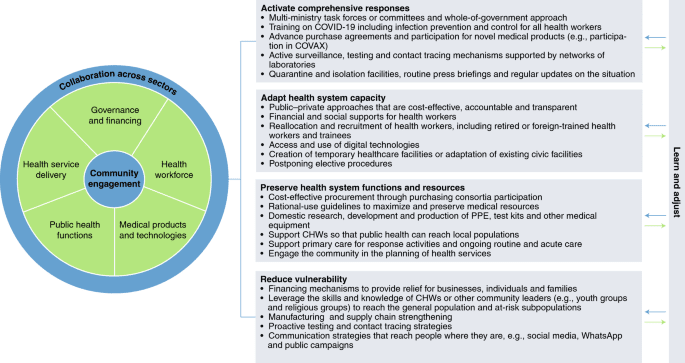
Welcome to an insightful article discussing the crucial role of healthcare policy in responding to pandemics. Healthcare policy plays a significant role in shaping the way countries prepare for and manage public health crises. From funding for research and development to implementing preventive measures, healthcare policy serves as the foundation for an effective response to pandemics. Stay tuned to learn more about how healthcare policy influences pandemic preparedness and response efforts.
The Role Of Healthcare Policy In Pandemic Response
Have you ever wondered how healthcare policy influences a country’s response to a pandemic? Let’s dive deep into the world of healthcare policy and its critical role in pandemic response.
Understanding Healthcare Policy
Healthcare policy refers to a set of rules, regulations, and guidelines that govern the delivery of healthcare services in a country. These policies are designed to ensure the quality, affordability, and accessibility of healthcare services for all citizens. In the context of a pandemic, healthcare policies play a crucial role in shaping the response of the healthcare system to the crisis.
Importance of Healthcare Policy in Pandemic Response
Healthcare policy is essential in pandemic response for several reasons. First and foremost, it provides a framework for coordinating the efforts of various healthcare stakeholders, including government agencies, hospitals, healthcare providers, and the public. Additionally, healthcare policies guide the allocation of resources, such as medical supplies, personnel, and funding, to ensure an effective response to the pandemic.
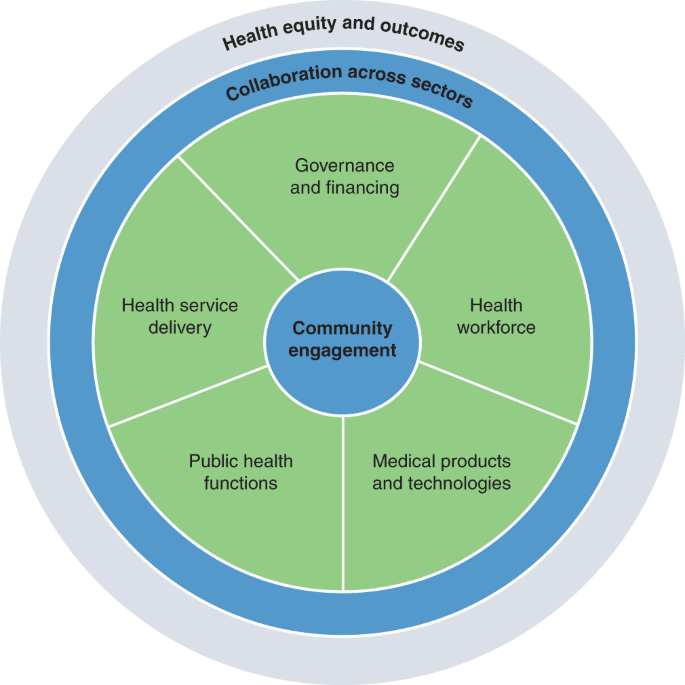
How Healthcare Policy Influences Pandemic Response
Healthcare policy influences pandemic response in various ways. For example, policies related to testing and contact tracing can help identify and isolate individuals who have been exposed to the virus, thereby preventing the further spread of the disease. Similarly, policies related to the distribution of vaccines and treatments can ensure that these life-saving interventions reach those who need them the most.
The Role of Government in Shaping Healthcare Policy
Governments play a crucial role in shaping healthcare policy, especially during a pandemic. It is the responsibility of the government to develop and implement policies that protect the health and safety of its citizens. This includes enacting laws, regulations, and guidelines that govern the response to public health emergencies, such as pandemics.
Examples of Healthcare Policies in Pandemic Response
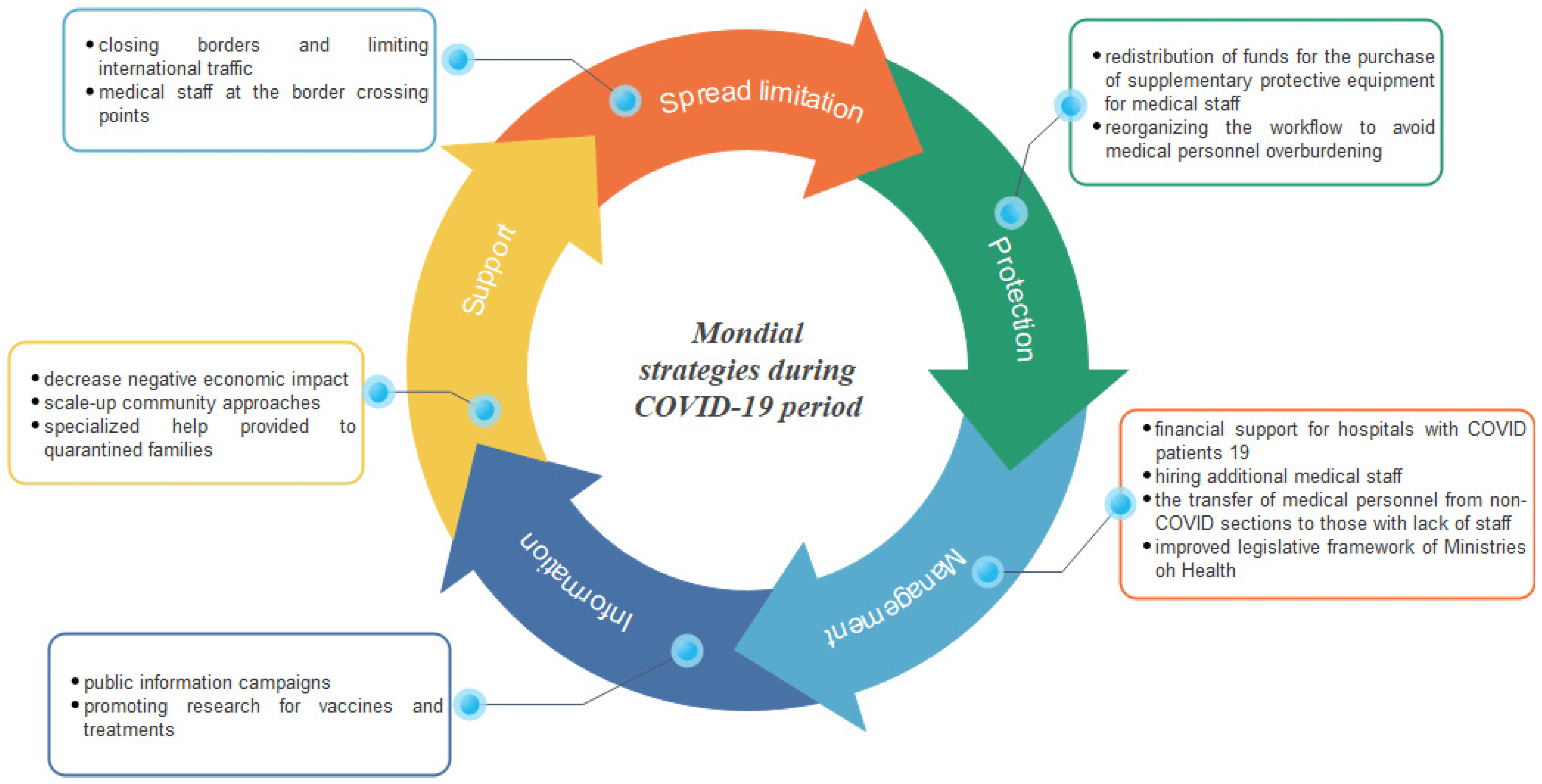
Some examples of healthcare policies that have been implemented in response to pandemics include:
- Mandatory mask-wearing in public places to prevent the spread of respiratory diseases
- Quarantine and isolation protocols for individuals who have been exposed to the virus
- Travel restrictions to limit the spread of the virus across borders
- Vaccine distribution plans to ensure equitable access to vaccines for all segments of the population
The Impact of Healthcare Policy on Public Health Outcomes
The impact of healthcare policy on public health outcomes during a pandemic cannot be overstated. Well-designed and effectively implemented healthcare policies can help reduce the transmission of the virus, minimize the burden on the healthcare system, and ultimately save lives. On the other hand, inadequate or poorly implemented healthcare policies can lead to widespread outbreaks, overwhelmed healthcare facilities, and unnecessary loss of life.
Challenges in Implementing Healthcare Policies During a Pandemic
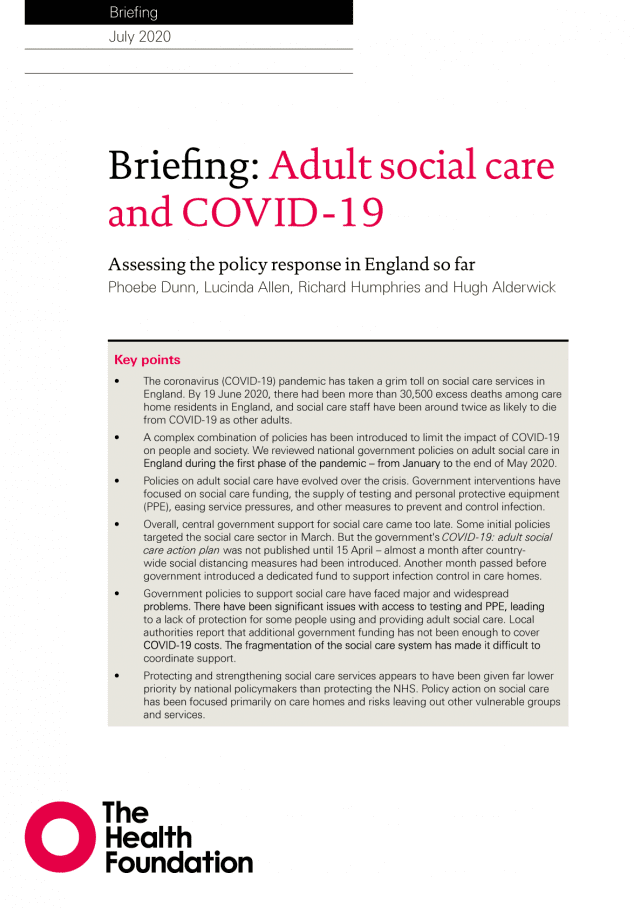
While healthcare policies are crucial in pandemic response, they are not without challenges. Some of the key challenges in implementing healthcare policies during a pandemic include:
- Limited resources: Healthcare systems may face shortages of medical supplies, personnel, and funding during a pandemic, making it difficult to implement and enforce policies effectively.
- Political considerations: Healthcare policies can be influenced by political factors, such as public opinion, interest groups, and partisan agendas, which may hinder their effectiveness.
- Public compliance: Healthcare policies rely on the cooperation and compliance of the public to be effective. Factors such as misinformation, mistrust, and fatigue can undermine public adherence to healthcare guidelines.
Strategies for Overcoming Challenges in Healthcare Policy Implementation
To overcome the challenges in implementing healthcare policies during a pandemic, it is essential to adopt the following strategies:
- Collaboration: Healthcare stakeholders, including government agencies, healthcare providers, and the public, must work together to develop and implement effective policies.
- Communication: Clear, consistent, and evidence-based communication is key to gaining public trust and compliance with healthcare policies.
- Flexibility: Healthcare policies should be flexible and adaptable to changing circumstances and emerging evidence to ensure an effective pandemic response.
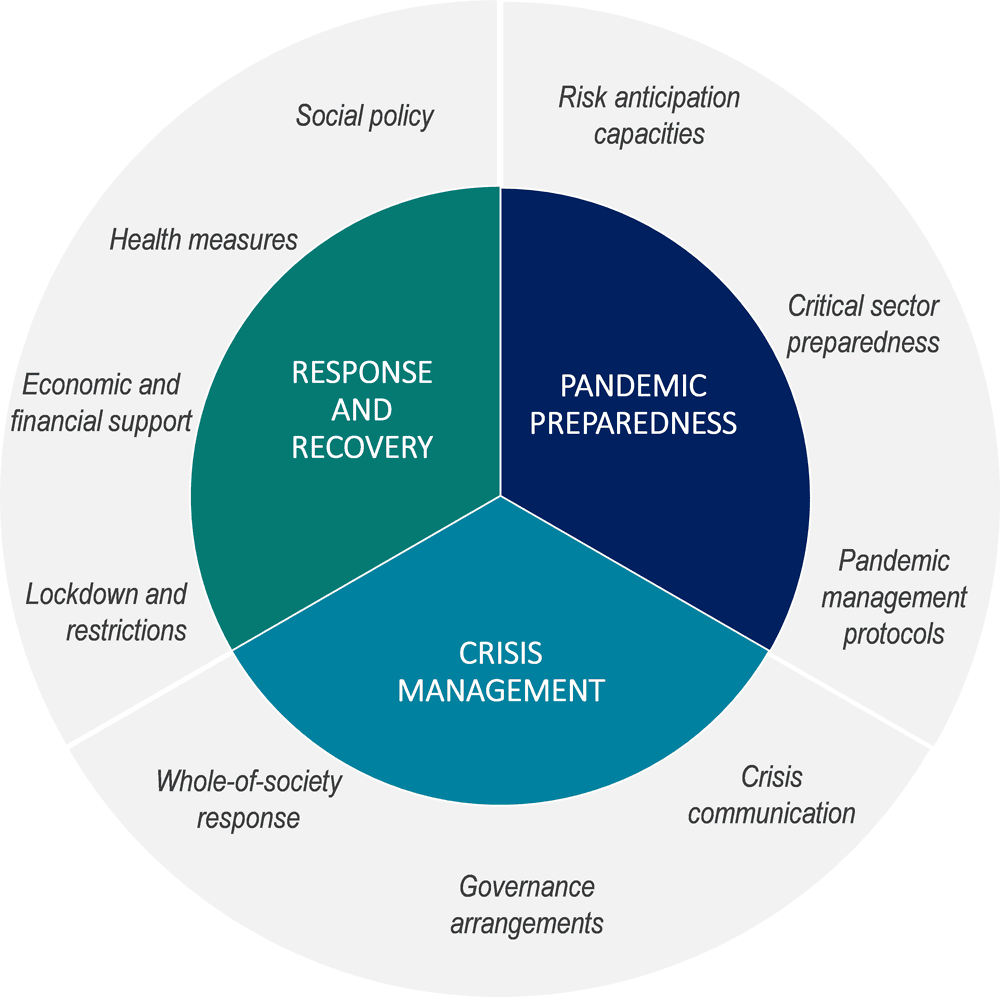
The Future of Healthcare Policy in Pandemic Response
As we look to the future, it is clear that healthcare policy will continue to play a critical role in shaping the response to pandemics. The lessons learned from past experiences, such as the COVID-19 pandemic, will inform the development of more robust and resilient healthcare policies that can better protect public health and safety in the face of future crises.
Conclusion
In conclusion, healthcare policy is a critical component of pandemic response, shaping the efforts of healthcare systems, governments, and the public in tackling public health emergencies. By understanding the role of healthcare policy in pandemic response and the challenges and strategies associated with its implementation, we can work towards building a more effective and resilient healthcare system that can effectively respond to future pandemics.