
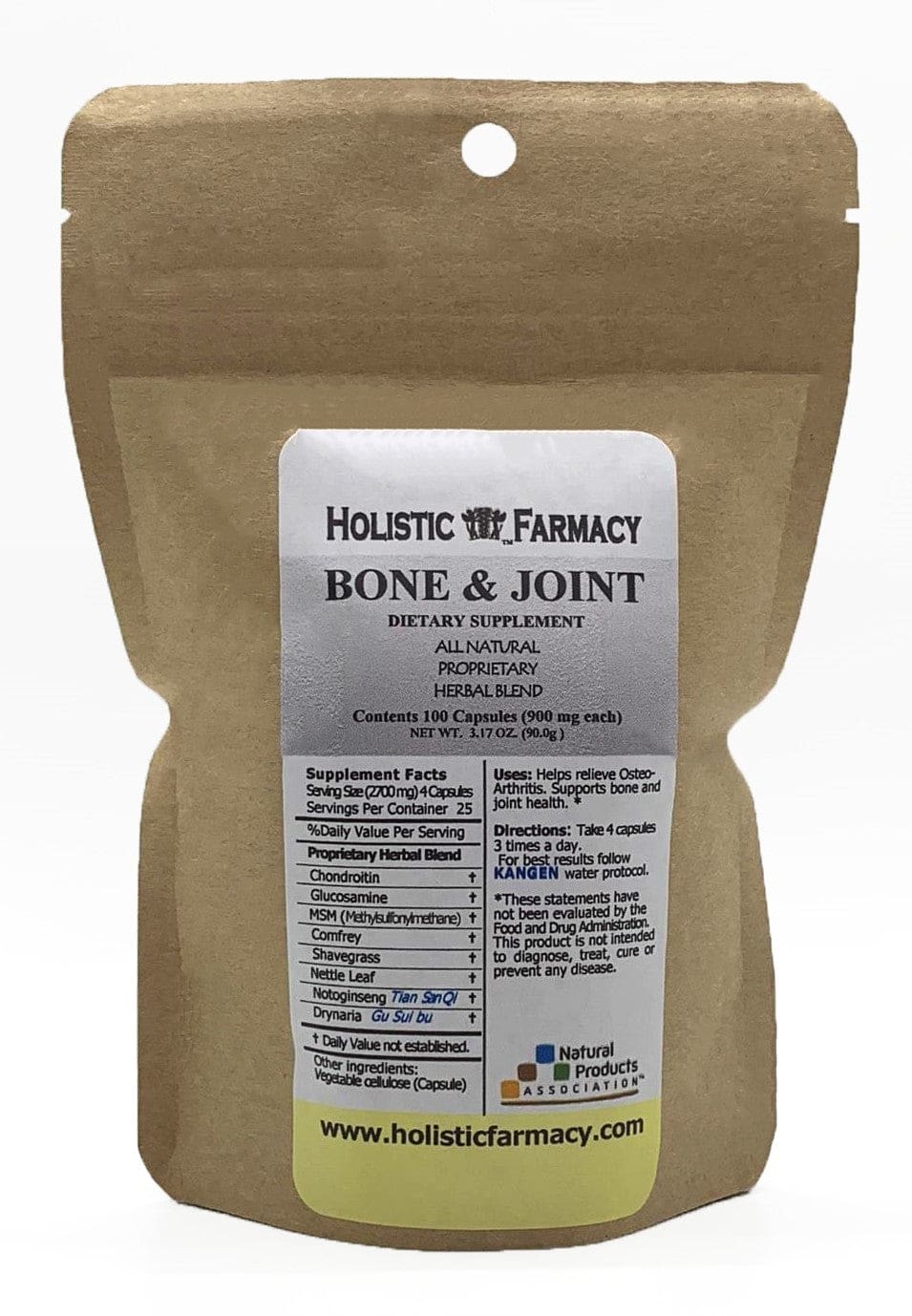
Are you looking for effective and natural ways to support the health of your bones and joints? Look no further! In this article, we will explore the best methods to naturally support bone and joint health using holistic practices. From dietary tips to exercise recommendations, we have you covered. Say goodbye to conventional methods and embrace a holistic approach that will promote strength and longevity in your bones and joints. So, let’s get started on this journey to optimal bone and joint health!
Maintaining a Healthy Diet
A healthy diet is crucial for maintaining strong bones and joints. By incorporating certain foods into your daily meals, you can provide your body with the necessary nutrients to support bone and joint health. One important nutrient to include in your diet is calcium. Calcium is essential for strong bones, and it can be found in dairy products such as milk, yogurt, and cheese. Additionally, leafy green vegetables like spinach and kale are rich in calcium. By including calcium-rich foods in your diet, you can help prevent osteoporosis and other bone disorders.
In addition to calcium, it is also important to consume foods that are high in vitamin D. Vitamin D plays a crucial role in the absorption of calcium in the body, which is essential for maintaining strong bones and joints. You can naturally obtain vitamin D by spending time in the sun, as the skin produces this vitamin when exposed to sunlight. However, it can also be found in fatty fish like salmon and mackerel, as well as fortified dairy products and cereals. By including these foods in your diet, you can ensure that your body has an adequate supply of vitamin D to support bone and joint health.
Another nutrient that should not be overlooked when it comes to bone and joint health is magnesium. Magnesium helps to build strong bones and is important for the proper functioning of muscles and nerves. Foods high in magnesium include nuts and seeds, whole grains, and dark chocolate. By incorporating these foods into your diet, you can ensure that your body receives an adequate amount of magnesium, promoting healthy bones and joints.
Incorporating omega-3 fatty acids into your diet is also beneficial for bone and joint health. Omega-3 fatty acids have anti-inflammatory properties, which can help reduce inflammation in the joints and improve overall joint function. Fatty fish like salmon, sardines, and trout are excellent sources of omega-3 fatty acids. Additionally, flaxseeds and chia seeds can also provide omega-3 fatty acids to support bone and joint health. By including these foods in your diet, you can help reduce the risk of joint pain and improve joint mobility.
Lastly, including vitamin C-rich foods in your diet can also support bone and joint health. Vitamin C plays a crucial role in the production of collagen, which is a protein that helps to build and maintain healthy bone and joint tissue. Citrus fruits like oranges and grapefruits, as well as strawberries and bell peppers, are all excellent sources of vitamin C. By incorporating these foods into your diet, you can help promote the production of collagen and support the health of your bones and joints.
While it is important to include these nutrient-rich foods in your diet, it is also necessary to avoid excessive sodium intake. Consuming too much sodium can lead to bone loss and calcium depletion, which can weaken the bones and increase the risk of osteoporosis. It is important to limit your intake of processed and packaged foods, as they often contain high amounts of sodium. Instead, opt for fresh fruits and vegetables, lean proteins, and whole grains to maintain a healthy diet and support bone and joint health.
Regular Exercise
In addition to maintaining a healthy diet, regular exercise is essential for promoting bone and joint health. Engaging in low-impact activities can help reduce joint stress and improve overall joint function. Low-impact exercises include activities such as walking, swimming, and cycling. These exercises can help improve cardiovascular health, strengthen muscles, and support the health of your bones and joints.
Strength training exercises are another important aspect of maintaining bone and joint health. By engaging in strength training exercises, you can increase muscle strength, improve bone density, and support joint stability. Exercises such as weightlifting, resistance band workouts, and bodyweight exercises can all help improve bone and joint health. It is important to start with lightweights and gradually increase the intensity to avoid injury.
Flexibility exercises are also beneficial for bone and joint health. Stretching exercises such as yoga and Pilates can help improve joint mobility, increase flexibility, and reduce the risk of injury. These exercises can also help alleviate muscle tension and improve overall posture, which can have a positive impact on bone and joint health.
For individuals with joint pain or limited mobility, exercising in water can be a great option. Water provides buoyancy, which reduces the impact on the joints and allows for greater range of motion. Swimming, water aerobics, and other water-based exercises can help improve cardiovascular health, strengthen muscles, and support bone and joint health.
Maintaining a balanced workout routine is essential for overall bone and joint health. It is important to incorporate a variety of exercises into your routine to target different muscle groups and ensure overall strength and flexibility. By combining cardiovascular exercises, strength training, flexibility exercises, and low-impact activities, you can maintain healthy bones and joints and reduce the risk of injury.
Herbal Remedies
In addition to a healthy diet and regular exercise, herbal remedies can also be used to support bone and joint health in holistic practices. These natural remedies can help reduce inflammation, alleviate pain, and promote overall joint health.
Turmeric is a spice that has been used for centuries in traditional medicine for its anti-inflammatory properties. Curcumin, the active compound in turmeric, is known for its ability to reduce inflammation in the body. Adding turmeric to your meals or taking turmeric supplements can help alleviate joint pain and improve joint function.
Ginger is another herb that has been used for its medicinal properties. Ginger contains potent anti-inflammatory compounds that can help reduce inflammation and relieve joint pain. Fresh ginger can be added to meals, or ginger supplements can be taken to support bone and joint health.
Devil’s Claw is an herb that has been traditionally used to treat joint pain and arthritis. This herb contains compounds that have anti-inflammatory and analgesic properties, helping to alleviate joint pain and reduce inflammation. Devil’s Claw supplements can be taken to support bone and joint health.
Boswellia, also known as Indian frankincense, is an herb that has been used in traditional medicine to treat inflammatory conditions. Boswellia extract contains active compounds that can help reduce inflammation and alleviate joint pain. Taking Boswellia supplements can support bone and joint health.
Green tea is another herbal remedy that can benefit bone and joint health. Green tea contains antioxidants that help reduce inflammation and protect the cartilage in the joints. Drinking green tea regularly can support overall joint health and reduce the risk of joint-related conditions.
Acupuncture
Acupuncture is an ancient practice that can help support bone and joint health by stimulating the flow of qi, or vital energy, in the body. By inserting thin needles into specific acupuncture points, acupuncture practitioners aim to restore balance and harmony to the body, promoting overall well-being and relieving pain and inflammation.
One way acupuncture can support bone and joint health is by alleviating pain and inflammation. Acupuncture points related to the joints and muscles can be targeted to reduce pain and inflammation in specific areas. This can be particularly beneficial for individuals with conditions such as arthritis or joint injuries.
In addition to pain relief, acupuncture can also improve joint function. By targeting specific acupuncture points, practitioners can help increase blood flow to the joints, promote the healing process, and enhance overall joint mobility.
Acupuncture sessions typically involve multiple treatments to achieve the desired results. The number and frequency of sessions will vary depending on the individual and the specific condition being treated. It is important to consult with a qualified acupuncture practitioner to determine the most appropriate treatment plan for your bone and joint health.
Chiropractic Care
Chiropractic care is another holistic practice that can support bone and joint health. Chiropractors focus on the alignment of the musculoskeletal system, particularly the spine, to improve overall health and well-being. By performing spinal adjustments and aligning the joints, chiropractors aim to reduce pain, improve joint function, and promote overall musculoskeletal health.
Spinal adjustments are a key component of chiropractic care. By applying controlled force to the spine, chiropractors can correct misalignments, known as subluxations, and promote proper spinal alignment. This can help reduce pain, improve joint mobility, and support overall bone and joint health.
Aligning the joints in the body is another important aspect of chiropractic care. Chiropractors can perform joint manipulations to restore proper joint function, reduce inflammation, and alleviate pain. By addressing joint misalignments, chiropractic care can support bone and joint health.
In addition to spinal adjustments and joint manipulations, chiropractors may also provide lifestyle recommendations to support overall bone and joint health. This can include advice on exercise, nutrition, and ergonomics to help individuals maintain a healthy musculoskeletal system.
It is important to consult with a qualified chiropractor to determine the most appropriate treatment plan for your bone and joint health. They can assess your individual needs and provide personalized recommendations to support overall musculoskeletal health.
Massage Therapy
Massage therapy is a holistic practice that can provide numerous benefits for bone and joint health. By manipulating the soft tissues of the body, massage therapists can help relieve muscle tension, improve blood circulation, and reduce pain and stiffness in the joints.
One of the primary benefits of massage therapy for bone and joint health is its ability to relieve muscle tension. Muscle tension can contribute to joint pain and stiffness, and by releasing tension in the muscles, massage therapy can help improve joint mobility and reduce discomfort.
Massage therapy also improves blood circulation, which can have a positive impact on bone and joint health. Increased blood flow to the joints helps deliver oxygen and nutrients, promoting the healing process and supporting overall joint health.
In addition to relieving muscle tension and improving blood circulation, massage therapy can also help reduce pain and stiffness in the joints. By targeting specific areas of discomfort, massage therapists can apply pressure and various techniques to alleviate pain and improve joint function.
Different types of massage techniques can be used to support bone and joint health. Swedish massage, deep tissue massage, and sports massage are examples of techniques that can be beneficial for individuals with bone and joint conditions. It is important to consult with a qualified massage therapist to determine the most suitable approach for your specific needs.
Meditation and Mindfulness
Incorporating meditation and mindfulness practices into your daily routine can have a positive impact on bone and joint health. These practices help reduce stress and anxiety, promote relaxation, and improve sleep quality, which all contribute to overall well-being and the health of your bones and joints.
One of the main benefits of meditation and mindfulness for bone and joint health is their ability to reduce stress and anxiety. Chronic stress and anxiety can contribute to inflammation in the body, which can have a negative impact on bone and joint health. By practicing meditation and mindfulness, you can help manage stress levels and reduce inflammation, promoting the health of your bones and joints.
In addition to stress reduction, meditation and mindfulness practices promote relaxation. By taking time to quiet the mind and focus on the present moment, you can induce a state of relaxation that helps release tension in the muscles and promotes overall well-being. This relaxation can have a positive impact on bone and joint health.
Improving sleep quality is another important aspect of bone and joint health, and meditation and mindfulness practices can help achieve this. By practicing meditation or engaging in mindfulness exercises before bed, you can help calm the mind and promote a restful night’s sleep. Quality sleep is essential for the repair and regeneration of bones and joints, supporting their health and function.
It is important to find a meditation or mindfulness practice that resonates with you and fits into your lifestyle. There are various techniques to choose from, including focused breathing, guided imagery, and body scan meditations. By incorporating these practices into your daily routine, you can support bone and joint health and enhance overall well-being.
Adequate Rest and Sleep
Adequate rest and sleep are essential for maintaining the health of your bones and joints. During sleep, the body undergoes repair and regeneration processes, which are crucial for bone and joint health. By ensuring sufficient sleep time, optimizing your sleeping environment, and considering mattress and pillow support, you can promote the health and well-being of your bones and joints.
Ensuring that you get enough sleep is fundamental for bone and joint health. Most adults require between 7 to 9 hours of sleep per night, although individual needs may vary. Lack of sleep can increase stress levels, promote inflammation, and contribute to musculoskeletal pain. By prioritizing sleep and establishing a consistent sleep schedule, you can support the repair and maintenance of your bones and joints.
Optimizing your sleeping environment can also have a significant impact on bone and joint health. Creating a comfortable and relaxing sleep environment can help promote better sleep quality and support the health of your bones and joints. Consider factors such as room temperature, noise levels, and lighting to create an optimal sleeping environment.
Choosing a mattress and pillow that provide adequate support is crucial for maintaining the health of your bones and joints. A mattress that is too soft or too firm can contribute to misalignments and discomfort, while a pillow that does not provide proper neck support can lead to musculoskeletal pain. Take the time to find a mattress and pillow that suit your individual needs and ensure optimal support for your bones and joints during sleep.
By prioritizing adequate rest and sleep, optimizing your sleeping environment, and considering mattress and pillow support, you can promote the health and well-being of your bones and joints. Quality sleep is essential for the repair and regeneration of bones and joints, supporting their overall function and longevity.
Maintaining a Healthy Weight
Maintaining a healthy weight is crucial for bone and joint health. Excess weight can increase the stress on the joints, leading to joint pain and inflammation. By reducing joint stress, improving joint function, and preventing excessive wear and tear, maintaining a healthy weight can support the long-term health and well-being of your bones and joints.
Reducing joint stress is one of the primary benefits of maintaining a healthy weight. Excess weight places additional pressure on the joints, particularly the weight-bearing joints such as the knees and hips. This increased pressure can contribute to joint pain, inflammation, and the development of conditions such as osteoarthritis. By maintaining a healthy weight, you can reduce this stress and support the health and function of your joints.
Improving joint function is another important aspect of maintaining a healthy weight. Excess weight can affect joint mobility and range of motion, making it more difficult to perform daily activities. By achieving and maintaining a healthy weight, you can improve joint function and enhance overall musculoskeletal health.
Preventing excessive wear and tear is yet another benefit of maintaining a healthy weight. Excess weight can accelerate the breakdown of joint cartilage, leading to the development of conditions such as osteoarthritis. By maintaining a healthy weight, you can reduce the risk of excessive wear and tear on the joints, promoting their long-term health and function.
It is important to adopt a holistic approach to weight management that includes a healthy diet and regular exercise. By maintaining a balanced diet and engaging in physical activity, you can achieve and maintain a healthy weight, supporting the health and well-being of your bones and joints.
Avoiding Excessive Alcohol and Tobacco Use
Avoiding excessive alcohol and tobacco use is crucial for maintaining the health of your bones and joints. Both alcohol and tobacco can have negative effects on bone and joint health, and minimizing or eliminating their use can help reduce the risk of bone and joint-related conditions.
Excessive alcohol consumption can have detrimental effects on bone health. Regular or heavy drinking can interfere with the absorption of calcium and vitamin D, leading to weakened bones and an increased risk of fractures. Alcohol can also contribute to bone loss and the development of conditions such as osteoporosis. By avoiding excessive alcohol use, you can support the health and strength of your bones.
Tobacco use is another habit that can negatively impact bone and joint health. Smoking has been linked to a higher risk of osteoporosis, reduced bone density, and delayed fracture healing. Additionally, tobacco use can increase the risk of rheumatoid arthritis and worsen symptoms in individuals with existing joint conditions. By avoiding tobacco use, you can reduce the risk of bone and joint-related conditions and support the health of your skeletal system.
It is important to seek support and resources if you struggle with alcohol or tobacco use. Quitting or reducing alcohol and tobacco consumption can significantly benefit your bone and joint health, as well as overall well-being. Consulting with healthcare professionals or joining support groups can provide valuable guidance and assistance in overcoming these habits.
By avoiding excessive alcohol and tobacco use, you can support the health and well-being of your bones and joints. Adopting a healthy lifestyle that includes a balanced diet, regular exercise, and avoiding harmful habits can help maintain strong and healthy bones and joints.