
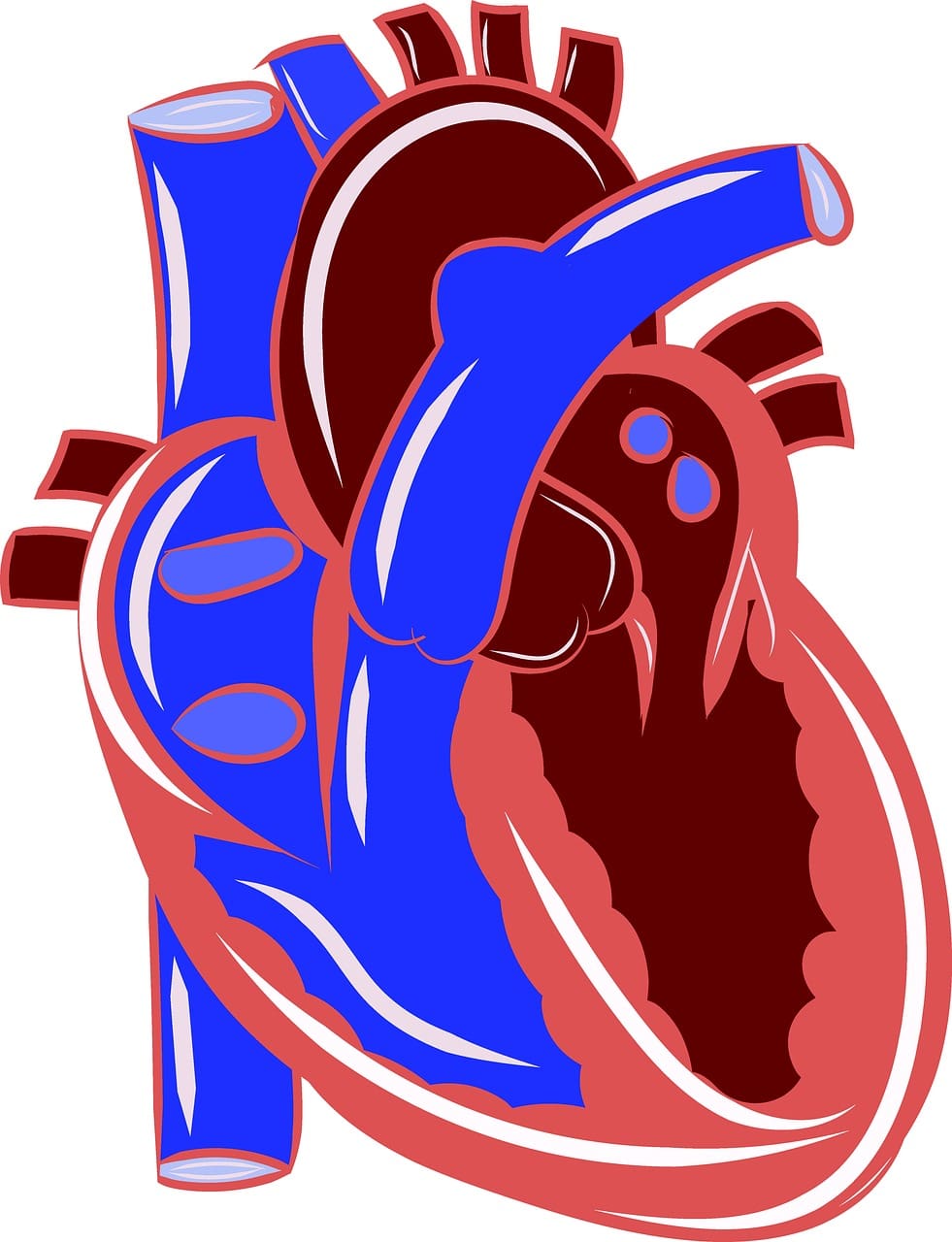
Living with a chronic heart condition can be challenging, but with the right coping strategies, you can lead a fulfilling and enjoyable life. From making lifestyle changes to learning stress management techniques, this article will provide you with valuable insights and practical tips to navigate the ups and downs of living with a chronic heart condition. Whether you’ve recently been diagnosed or have been managing your condition for years, this guide is here to support you every step of the way. So, let’s explore effective ways to cope with chronic heart conditions and embark on a journey towards better heart health together!
Understanding Chronic Heart Conditions
Chronic heart conditions refer to long-term, ongoing heart conditions that require continuous management and care. These conditions can significantly affect your quality of life and require a comprehensive understanding of their types, causes, risk factors, symptoms, and diagnosis.
Types of chronic heart conditions
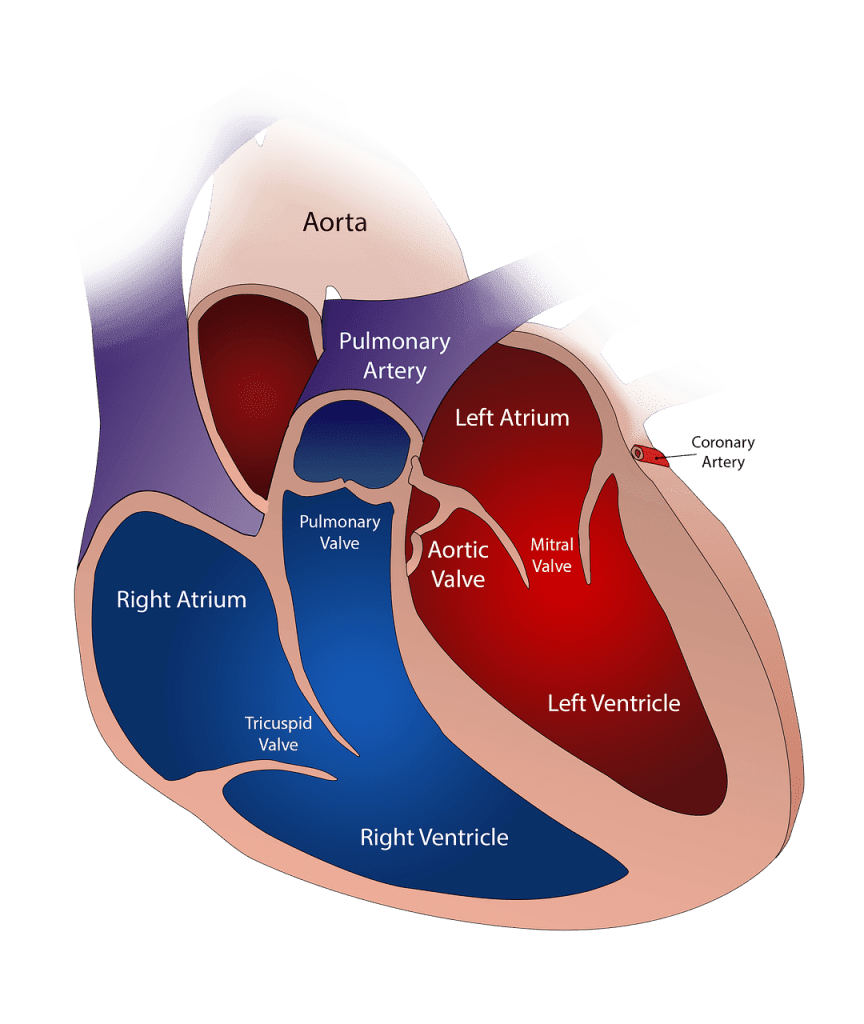
There are various types of chronic heart conditions, each with its own unique characteristics and implications. Some common types include coronary artery disease (CAD), congestive heart failure (CHF), arrhythmias, and valvular heart disease. It is essential to have knowledge about these conditions to understand how they impact your heart health and overall well-being.
Causes and risk factors
Understanding what causes chronic heart conditions and identifying the risk factors involved is key to managing your condition effectively. Causes can range from genetic factors and congenital heart defects to lifestyle choices such as smoking, poor diet, lack of physical activity, and high stress levels. Recognizing these causes and risk factors can help you make necessary changes to minimize their impact on your heart health.
Symptoms and diagnosis
Recognizing the symptoms of chronic heart conditions is vital for early detection and timely intervention. Symptoms may include chest pain or discomfort, shortness of breath, fatigue, dizziness, palpitations, and swelling in the legs or ankles. Seeking medical attention and undergoing diagnostic tests like electrocardiograms (ECGs), echocardiograms, stress tests, and angiograms can help confirm the presence of a chronic heart condition and guide appropriate treatment strategies.
Medical Treatment Options
Managing chronic heart conditions often involves medical treatment options that aim to alleviate symptoms, improve heart function, and prevent further complications.
Medications for managing symptoms
Medications play a crucial role in managing chronic heart conditions. Depending on the specific condition, your doctor may prescribe medications such as beta-blockers, ACE inhibitors, diuretics, or anti-arrhythmic drugs. These medications can help regulate blood pressure, control heart rhythm, reduce fluid buildup, and improve overall heart function.
Surgical interventions
In some cases, surgical interventions may be necessary to address chronic heart conditions. Procedures like coronary artery bypass grafting (CABG), cardiac catheterization with stent placement, or valve repair/replacement surgery can help restore blood flow, correct structural abnormalities, and improve heart function. Discussing different surgical options with your healthcare team can help determine the most appropriate course of action for your specific condition.
Implantable devices
Implantable devices are another treatment option for chronic heart conditions. Devices such as pacemakers, implantable cardioverter-defibrillators (ICDs), and ventricular assist devices (VADs) can help regulate heart rhythm, prevent sudden cardiac arrest, and provide mechanical support to a weakened heart. If recommended by your doctor, these devices can significantly enhance your quality of life and overall heart function.
Lifestyle Modifications
In addition to medical interventions, making necessary lifestyle modifications is vital for effectively managing chronic heart conditions. These modifications focus on adopting heart-healthy habits that can positively impact your heart health and overall well-being.
Adopting a heart-healthy diet
A heart-healthy diet is essential for managing chronic heart conditions. It typically involves reducing sodium intake to prevent fluid retention, limiting saturated and trans fats to improve cholesterol levels, and increasing consumption of fruits, vegetables, whole grains, and lean proteins. Consultation with a registered dietitian can provide personalized dietary recommendations based on your specific condition and needs.
Regular exercise and physical activity
Regular exercise and physical activity contribute to better heart health and overall well-being. Engaging in activities like walking, swimming, cycling, or aerobic exercises not only strengthen your heart but also help maintain a healthy weight, improve blood circulation, and reduce the risk of complications associated with chronic heart conditions. It is important to consult with your healthcare team before starting any exercise regimen to ensure it is safe and suitable for your condition.
Smoking cessation
Smoking is detrimental to heart health and significantly increases the risk of cardiovascular complications. Quitting smoking is an essential step in managing chronic heart conditions. Seek support from healthcare professionals or smoking cessation programs to develop a tailored plan to quit smoking and improve your heart health.
Limiting alcohol consumption
Excessive alcohol consumption can negatively impact heart health, contributing to various heart conditions. It is important to limit alcohol intake or avoid it altogether if advised by your healthcare team. Discussing your alcohol consumption habits and potential risks with your doctor can provide guidance on safe limits based on your condition.
Stress management techniques
Living with a chronic heart condition can be stressful, which can exacerbate symptoms and impact overall well-being. Incorporating stress management techniques into your daily routine can help reduce stress levels and promote heart health. Techniques such as deep breathing exercises, meditation, yoga, and engaging in hobbies or activities you enjoy can significantly improve your mental well-being and contribute to better heart health.
Building a Support System
Managing chronic heart conditions can often be challenging, both physically and emotionally. Building a support system can provide the necessary emotional support, encouragement, and information to navigate this journey more effectively.
Seeking emotional support
It is natural to experience a wide range of emotions when diagnosed with a chronic heart condition. Seeking emotional support from loved ones, friends, or mental health professionals can provide an outlet for expressing your concerns, fears, and uncertainties. Having someone to talk to and lean on during difficult times can help alleviate stress and promote mental well-being.
Joining support groups or online communities
Connecting with others who share similar experiences can be immensely beneficial in managing chronic heart conditions. Joining support groups or online communities allows you to interact with individuals who understand the challenges you face, exchange information, and offer support. These platforms provide a safe space to ask questions, share experiences, and learn from others’ journeys.
Educating family and friends
Educating your family and friends about your chronic heart condition helps create a supportive environment. Sharing information about your condition, treatment plan, and lifestyle modifications can help them better understand your needs and provide appropriate support. Encourage open communication, empathy, and involvement in your care to foster a strong support system.
Monitoring and Managing Symptoms
Monitoring and managing symptoms are crucial aspects of effectively managing chronic heart conditions. Being aware of warning signs, tracking symptoms, and following a prescribed treatment plan are essential for maintaining heart health.
Recognizing warning signs
Knowing the warning signs of worsening symptoms or a potential cardiac event is important for timely intervention. Symptoms such as chest pain or discomfort, shortness of breath, increased fatigue, dizziness, irregular heart rhythm, or persistent swelling should never be ignored. Report any concerning symptoms to your healthcare team promptly to receive appropriate medical attention.
Keeping a symptom journal
Maintaining a symptom journal can help track your condition’s progress, identify triggers, and identify patterns of symptom occurrence. Note down any changes you experience, including the date, time, duration, intensity, and potential triggers. This information can greatly assist your healthcare team in making informed treatment decisions and adjusting your management plan as needed.
Following a prescribed treatment plan
Adhering to the prescribed treatment plan provided by your healthcare team is crucial for effectively managing chronic heart conditions. This plan may include medication schedules, dietary guidelines, exercise recommendations, and regular follow-up appointments. Taking medication as prescribed, following dietary guidelines, and attending scheduled appointments help monitor your condition and make any necessary adjustments to your management plan.
Maintaining a Healthy Weight
Maintaining a healthy weight is essential for managing chronic heart conditions. Excess weight puts added strain on the heart and increases the risk of complications. Focusing on weight management helps improve overall heart health and reduces the burden on the cardiovascular system.
Understanding the impact of weight on heart health
Carrying excess weight can contribute to high blood pressure, high cholesterol levels, diabetes, and other risk factors associated with chronic heart conditions. By achieving and maintaining a healthy weight, you can reduce the strain on your heart, improve blood flow, and optimize cardiac function.
Healthy eating habits for weight management
Adopting healthy eating habits plays a crucial role in weight management. In addition to following a heart-healthy diet, it is important to practice portion control, limit the consumption of processed foods and sugary beverages, and prioritize nutrient-dense foods. Consulting with a registered dietitian can provide personalized guidance on calorie intake and dietary choices to support your weight management goals.
Regular physical activity for weight control
Engaging in regular physical activity is key to achieving and maintaining a healthy weight. Consult with your healthcare team to develop an exercise plan that suits your condition, considering factors such as physical limitations, medication interactions, and overall fitness level. Incorporating both cardiovascular exercises and strength training into your routine can help burn calories, build muscle, and support weight control.

Managing Medications
Proper management of medications is essential for the effective treatment of chronic heart conditions. Understanding medication schedules, organizing and tracking medications, and maintaining open communication with your healthcare provider are vital for medication adherence.
Understanding medication schedules
Different medications may require specific dosing schedules to achieve optimal effectiveness. It is important to understand the instructions provided by your healthcare provider regarding when and how to take each medication. If you have any questions or concerns, do not hesitate to seek clarification from your healthcare team.
Organizing and keeping track of medications
Ensuring proper organization and tracking of medications can help prevent missed doses or incorrect administration. Utilize pill organizers or medication reminder apps that can help you stay organized and remind you when it’s time to take your medications. Keep an updated list of all your medications, including dosages and frequency, to share with healthcare providers during appointments.
Communicating with healthcare providers
Maintaining open and honest communication with your healthcare providers is key to effectively manage your medications. Inform them about any side effects, changes in symptoms, or concerns you may have. They can provide guidance, address your concerns, and make necessary adjustments to your medication regimen if needed.
Dealing with Coexisting Conditions
Chronic heart conditions often coexist with other medical conditions such as diabetes or high blood pressure. Managing these coexisting conditions requires coordination between multiple specialists and understanding potential interactions between medications.
Managing diabetes or high blood pressure
Managing diabetes or high blood pressure is crucial for individuals with chronic heart conditions. Maintain regular communication with your healthcare team, follow dietary guidelines, monitor blood sugar or blood pressure levels, and take medications as prescribed. By managing these coexisting conditions effectively, you can minimize the impact on your heart health and overall well-being.
Coordinating care with multiple specialists
Coordinating care between multiple specialists is often necessary for individuals with chronic heart conditions and coexisting conditions. Ensure that all your healthcare providers are aware of your complete medical history, including medications, treatments, and test results. Regularly attend appointments, obtain necessary referrals, and follow the recommended treatment plans provided by each specialist.
Understanding potential interactions between medications
When managing multiple conditions, it is crucial to understand potential interactions between medications. Some medications used to manage diabetes or blood pressure, for example, may interact with medications used for chronic heart conditions. Discuss any concerns or potential interactions with your healthcare providers to ensure safe and effective medication management.
Self-Care Strategies
Engaging in self-care strategies is essential for maintaining overall well-being and effectively managing chronic heart conditions. Prioritizing rest and relaxation, engaging in activities you enjoy, and maintaining regular check-ups play a significant role in self-care.
Prioritizing rest and relaxation
Chronic heart conditions can be physically and emotionally exhausting, underscoring the importance of prioritizing rest and relaxation. Ensure you get enough quality sleep, practice relaxation techniques such as deep breathing or meditation, and take breaks throughout the day to conserve energy. Prioritizing rest supports overall heart health and helps manage stress levels.
Engaging in activities you enjoy
Participating in activities you enjoy is vital for maintaining mental well-being and enhancing your quality of life. Engage in hobbies, spend time with loved ones, or explore new activities that bring you joy and positivity. Doing what you love helps alleviate stress and contributes to better overall heart health.
Maintaining regular check-ups with healthcare providers
Regular check-ups with your healthcare providers are essential for monitoring your condition, addressing any concerns, and adjusting your treatment plan as needed. These appointments also provide an opportunity to discuss any lifestyle modifications, changes in symptoms, or new developments in your condition. Staying proactive in your healthcare and maintaining open communication with your healthcare team supports effective management of your chronic heart condition.
Educating Yourself
Educating yourself about your chronic heart condition is empowering and helps you make informed decisions regarding your health. Understanding your condition, staying updated with medical advancements, and exploring treatment options and alternative therapies allow you to actively participate in your care.
Understanding your condition
Take the time to educate yourself about your specific chronic heart condition. Research its causes, symptoms, treatment options, and potential complications. Understanding your condition enables you to ask informed questions, make educated choices, and actively participate in discussions with your healthcare team.
Staying updated with medical advancements
Advances in medical research and technology continually improve the understanding and treatment of chronic heart conditions. Stay updated with the latest advancements by reading reputable sources, attending educational seminars or workshops, or subscribing to newsletters or publications related to heart health. By staying informed, you can discuss emerging treatment options and alternative therapies with your healthcare team.
Researching treatment options and alternative therapies
Explore different treatment options and alternative therapies that may complement traditional medical interventions for chronic heart conditions. From dietary supplements and herbal remedies to complementary therapies like acupuncture or biofeedback, researching these options allows you to have informed conversations with your healthcare team. Keep in mind that it is essential to consult with your healthcare provider before initiating any alternative therapies to ensure they are safe and compatible with your current treatment plan.
In conclusion, coping with chronic heart conditions requires a comprehensive understanding of the condition, its management strategies, and self-care strategies. By familiarizing yourself with the types, causes, and symptoms of chronic heart conditions, you can work closely with your healthcare team to develop personalized treatment plans. Implementing lifestyle modifications, building a support system, and actively managing symptoms, weight, and medications can significantly improve your overall heart health and quality of life. Additionally, educating yourself about your condition, staying updated with medical advancements, and exploring alternative therapies empower you to actively participate in your care and make informed decisions regarding your health. Remember, you are not alone in this journey, and with the right knowledge, support, and self-care practices, you can effectively manage your chronic heart condition and live a fulfilling life.